12 Ways to Style Indoor Plants for a Cozier Home
Have you ever walked into a room and felt like something was missing? Maybe the furniture was perfect, the colors were right, but the space still felt a little sterile. Often, the missing ingredient is life. Plants breathe energy into a room in a way that no other accessory can.
But if you’re new to the world of greenery, knowing exactly where to put that new Monstera or Snake Plant can feel intimidating. Do they belong on the floor? The shelf? Hanging from the ceiling? It’s not just about survival (though light is key); it’s about making your space feel like home.
This guide explores 12 simple, beginner-friendly placement tips to help you blend greenery seamlessly into your home decor. Let’s turn your space into a lush sanctuary.
1. Create a “Green” Focal Point
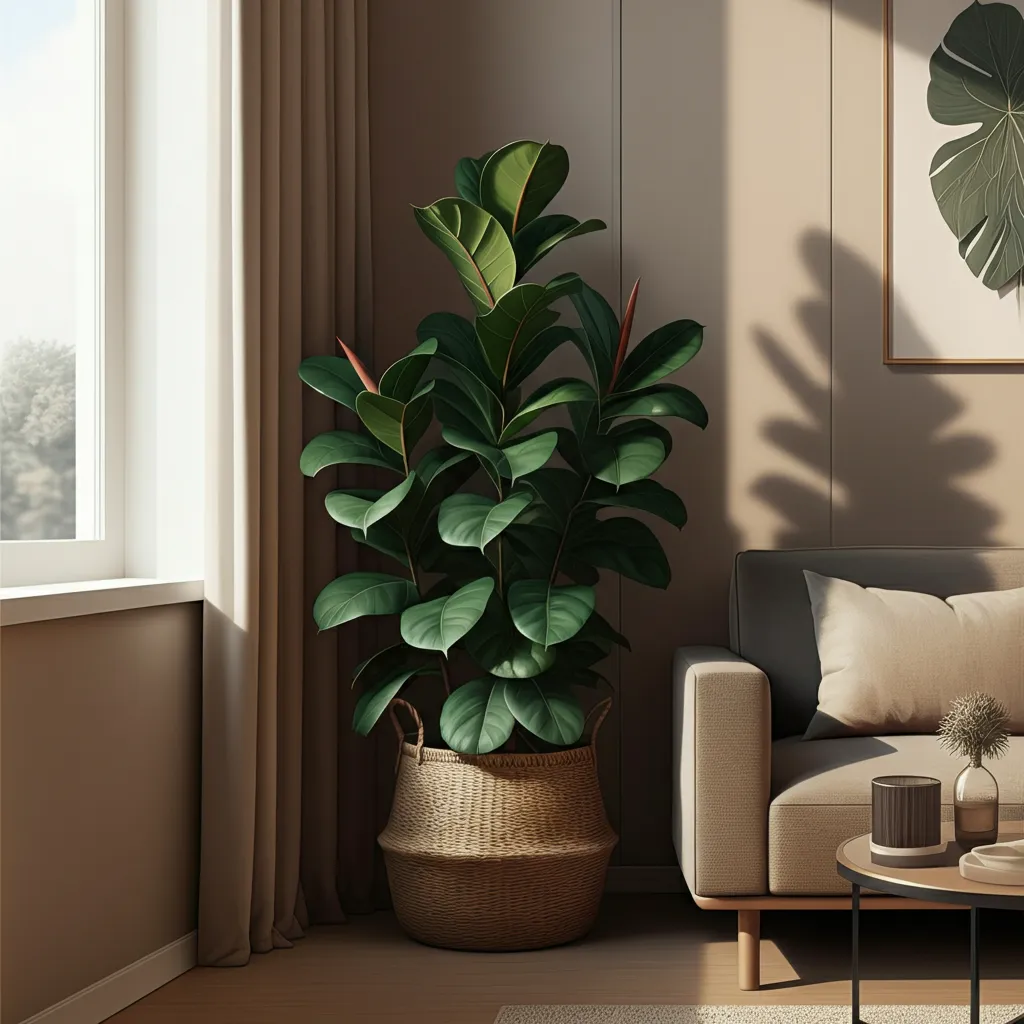
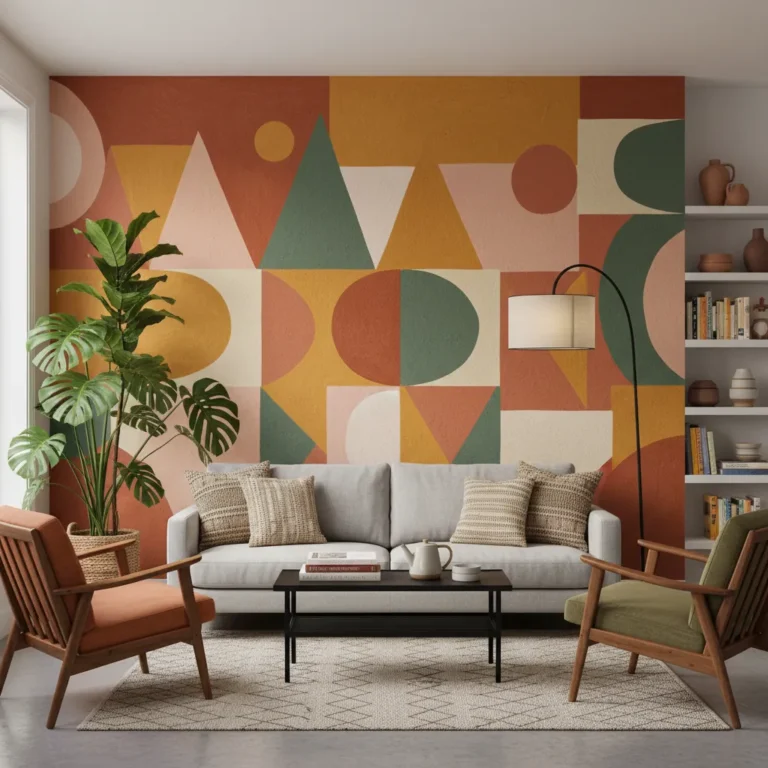
Every room needs a star. If you have an empty corner that looks a bit sad, place a large, statement plant there. A Fiddle Leaf Fig or a Rubber Tree can instantly draw the eye and anchor the space.
This works beautifully in living rooms where you might not have a fireplace or a large piece of art. The height of a floor plant adds vertical interest, breaking up the horizontal lines of sofas and coffee tables. It’s one of the most effective decor ideas for filling awkward voids with warmth.
Pro Tip: Place your large plant in a textured basket or a ceramic pot that complements your rug or throw pillows.
2. The Rule of Three
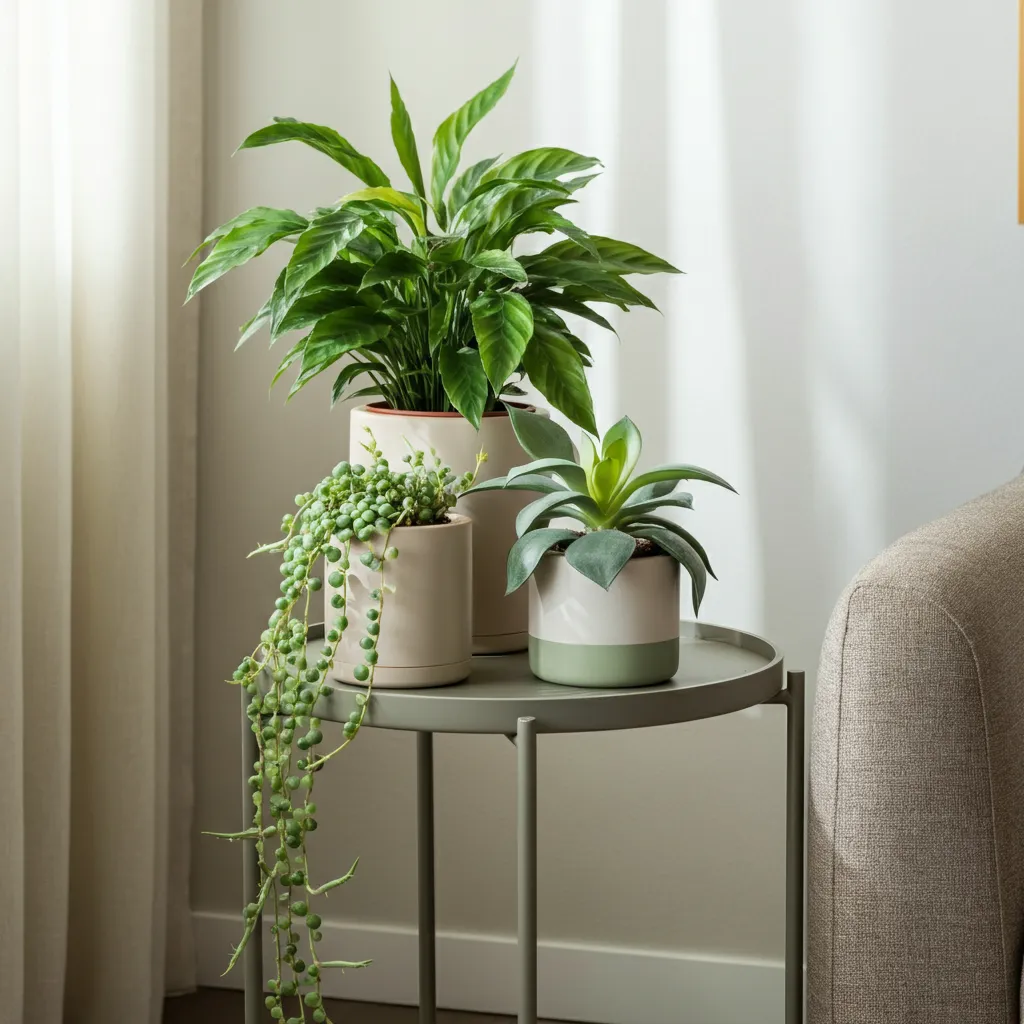
Designers love odd numbers, and plants are no exception. Grouping plants in threes creates a visually pleasing arrangement that looks curated rather than cluttered.
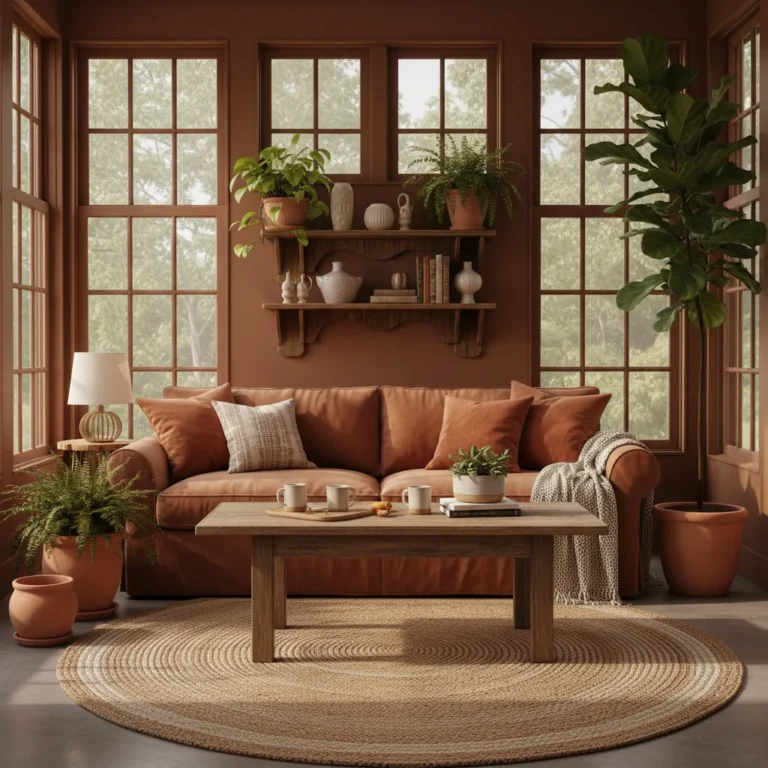
To get this right, vary the heights and textures.
- Tall: A Snake Plant or Dracaena.
- Medium: A bushy Pothos or Fern.
- Small: A tiny succulent or cactus.
Group them on a side table or a plant stand. This cluster effect creates a mini-ecosystem vibe that feels intentional and cozy.
3. Utilize Vertical Space with Hanging Planters
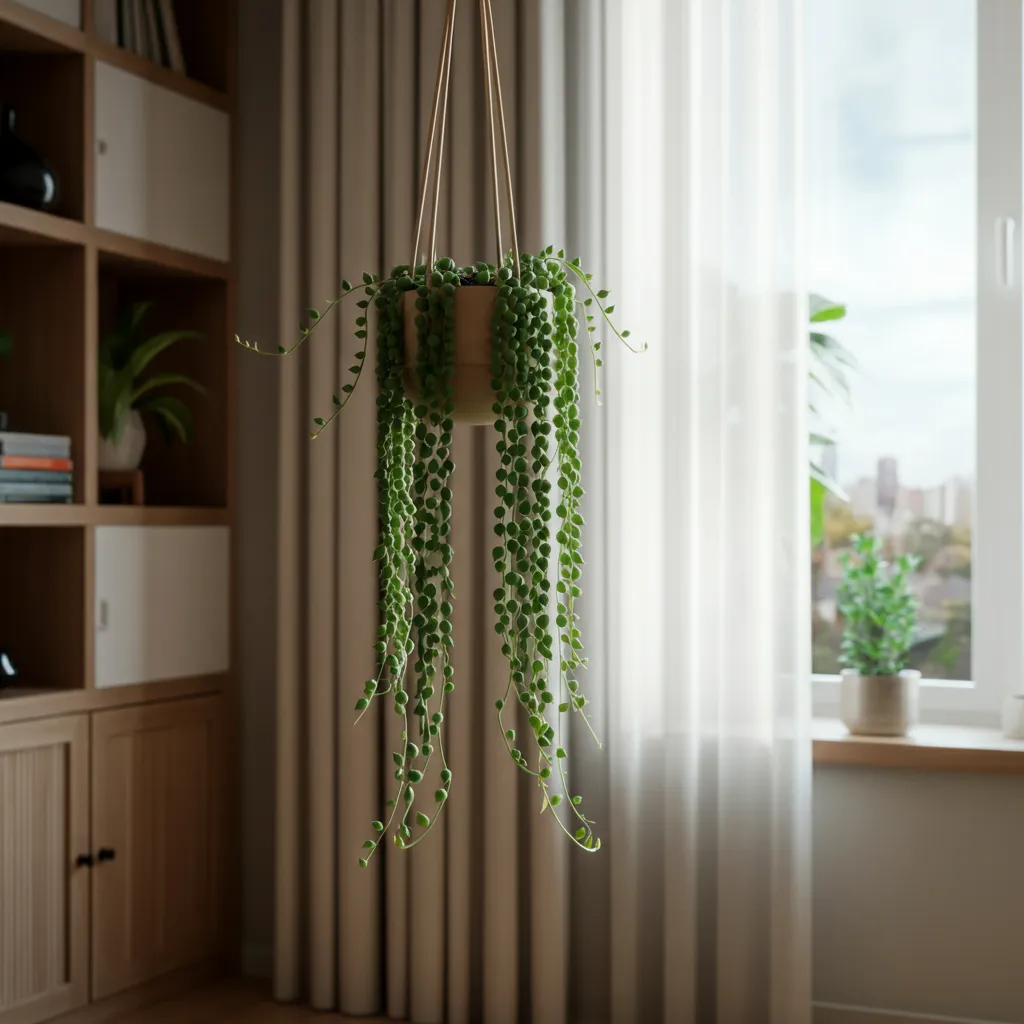
When floor space is limited, look up. Hanging planters are a fantastic way to introduce greenery without sacrificing valuable square footage.
Trailing plants like String of Pearls or English Ivy love to cascade down from high spots. Hang them in front of a window (using a sturdy curtain rod or ceiling hook) or in the corner of a room to soften sharp architectural lines. This draws the eye upward, making ceilings feel higher and the room more spacious.
4. Dress Up Your Bookshelves
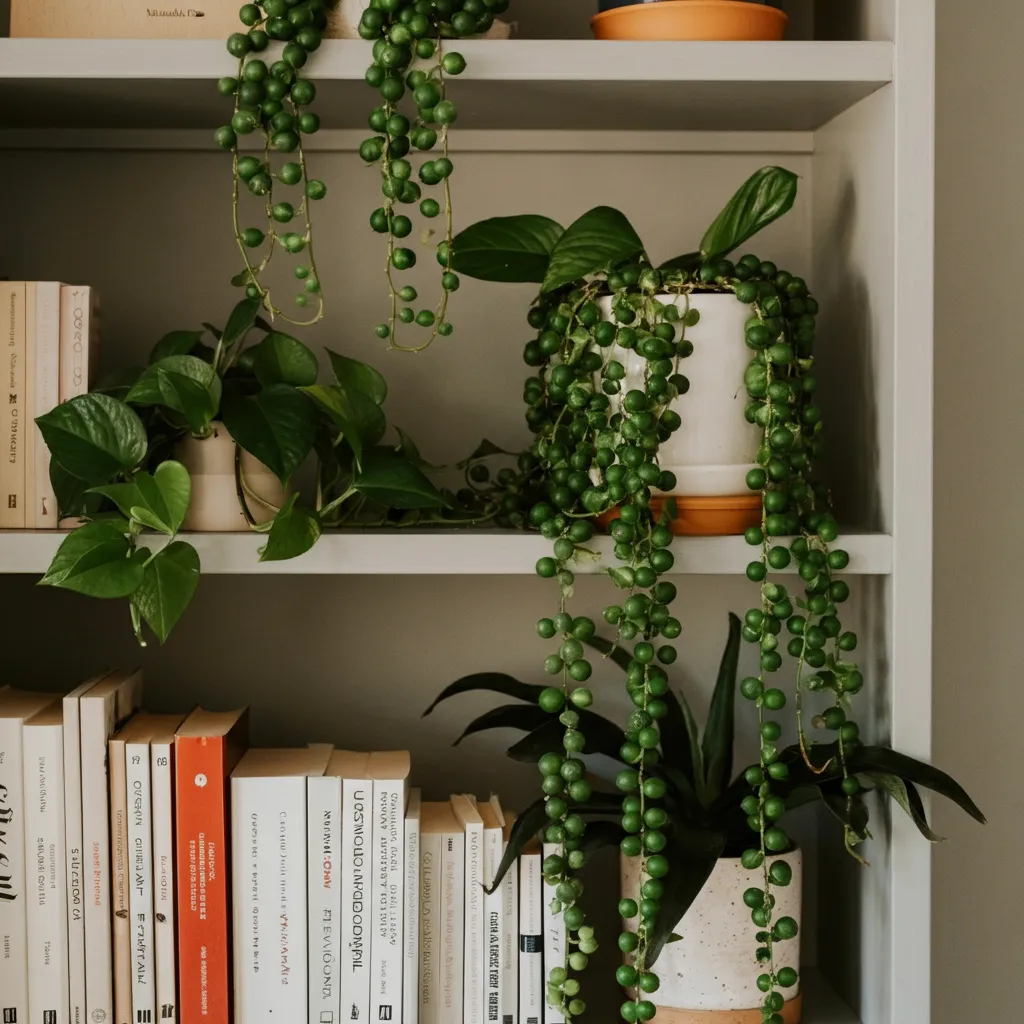
Bookshelves aren’t just for books. They are prime real estate for mixing home decor with nature.
Tuck small potted plants between stacks of books or use them as bookends. Trailing plants work especially well on higher shelves, where their vines can drape down over the spines of your favorite novels. Just be mindful of watering—use pots with saucers or cachepots to protect your wooden shelves from water damage.
5. Bring Life to the Bathroom
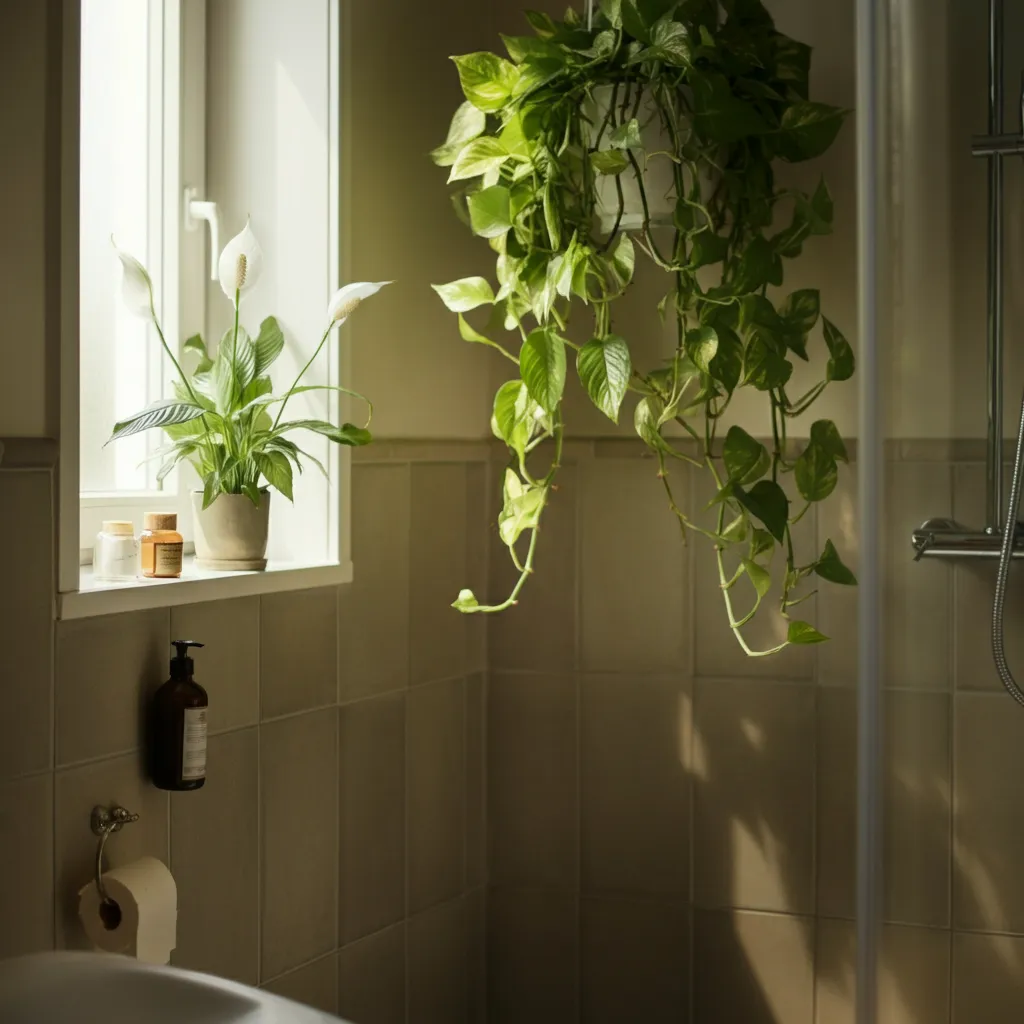
Bathrooms often get overlooked when it comes to styling, but they are actually plant paradises. The high humidity from showers mimics the tropical environments many houseplants love.
Place a fern or a Peace Lily on a wide windowsill, or hang a humidity-loving Pothos from a shower curtain rod. It turns a purely functional room into a spa-like retreat. Plus, the greenery softens the hard surfaces of tile and porcelain, adding instant warmth.
6. The Kitchen Window Sill Garden
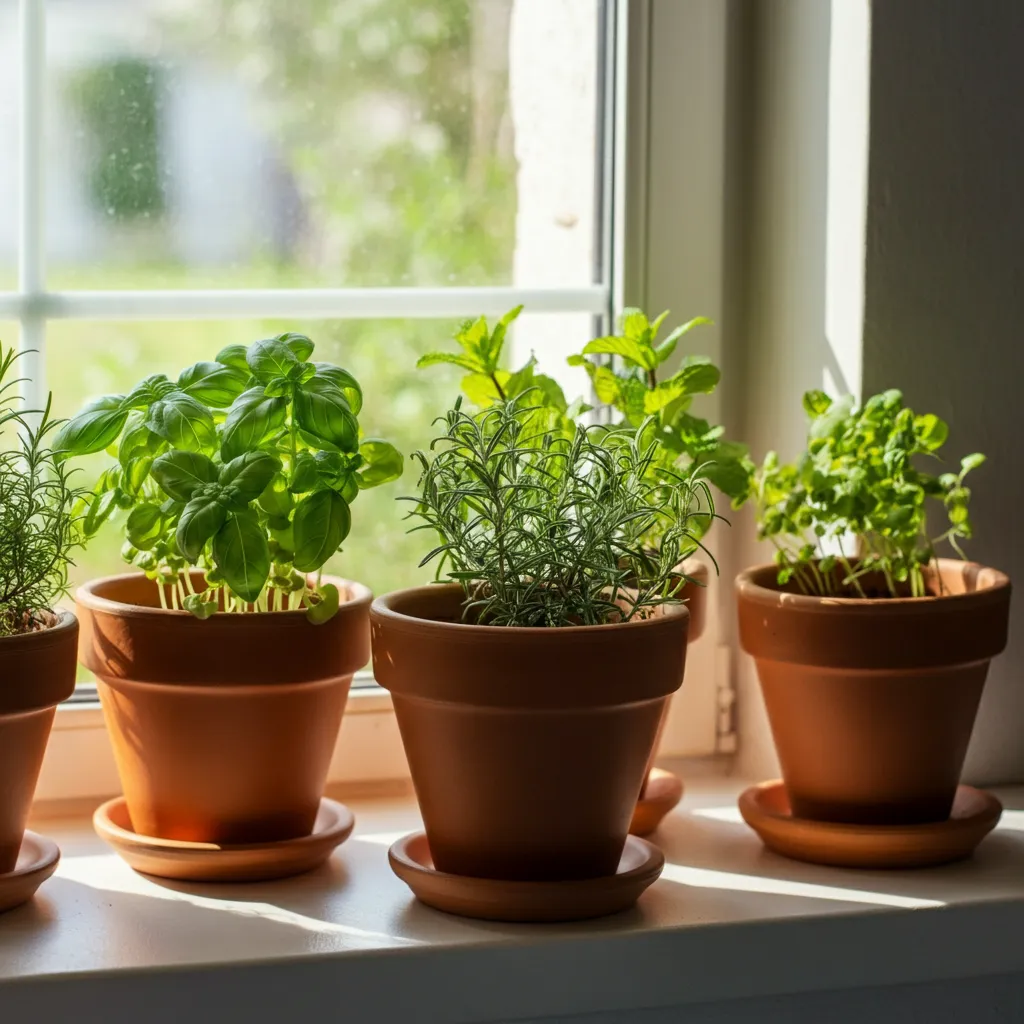
The kitchen is the heart of the home, and the kitchen window is the perfect stage for a small herb garden or collection of sun-loving succulents.
Lining up small terracotta pots on the sill is a classic look that never goes out of style. Not only does it filter the light beautifully, but having fresh basil, mint, or rosemary within arm’s reach while you cook is the ultimate blend of form and function.
7. Soften the Bedroom Corners

Your bedroom should be your sanctuary for rest. Plants can actually improve sleep quality by purifying the air and creating a calming atmosphere.
Avoid cluttering your nightstand. Instead, place a medium-sized plant, like a ZZ Plant (which tolerates low light well), on a dresser or in a corner chair you rarely sit in. The goal here is tranquility, so choose plants with soft, rounded leaves rather than spiky, aggressive shapes.
8. Use Plant Stands for Elevation
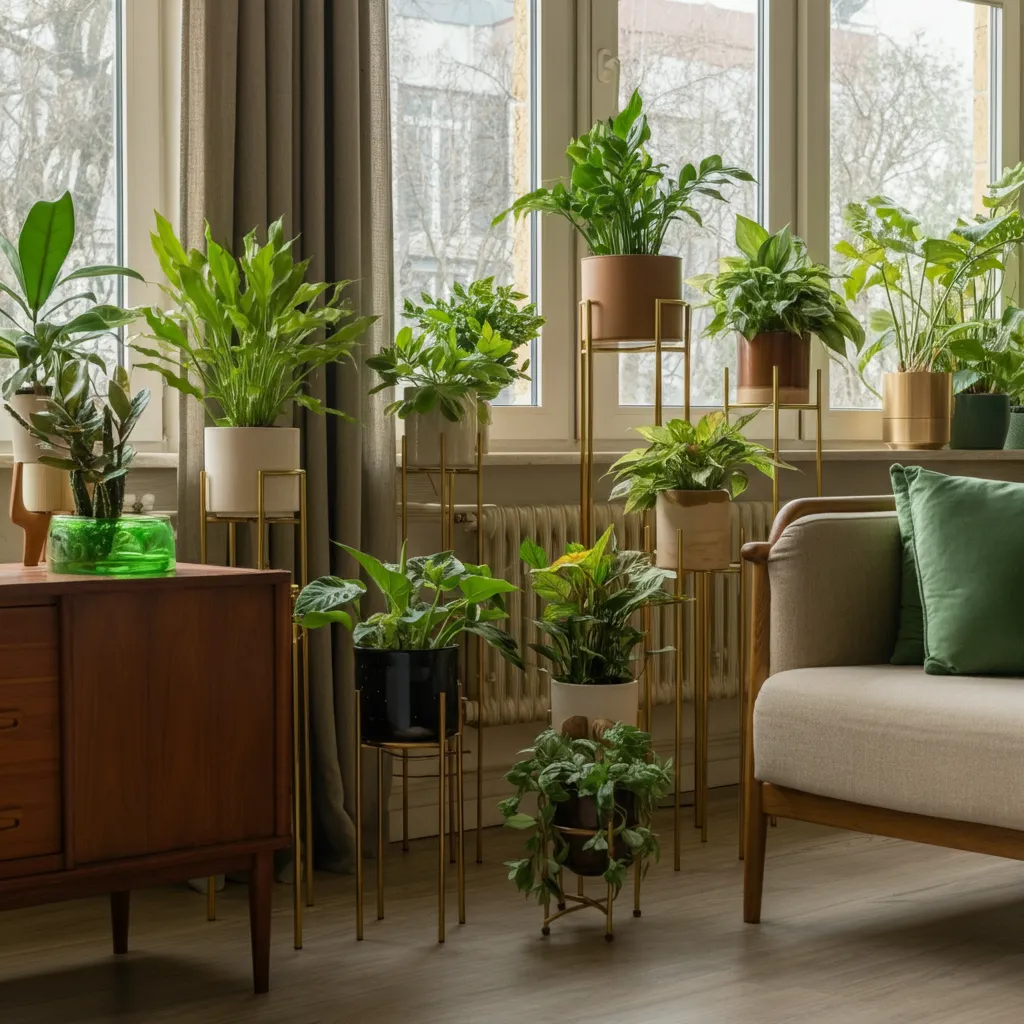
If all your plants are sitting directly on the floor or table, your decor can look flat. Plant stands are the secret weapon for adding dynamic height.
You can layer plants by placing one on the floor and another on a raised stand right next to it. This layering adds depth to a room. Look for mid-century modern wooden stands or sleek metal ones, depending on your style. It’s a simple way to elevate your home decor literally and figuratively.
9. The Entryway Welcome
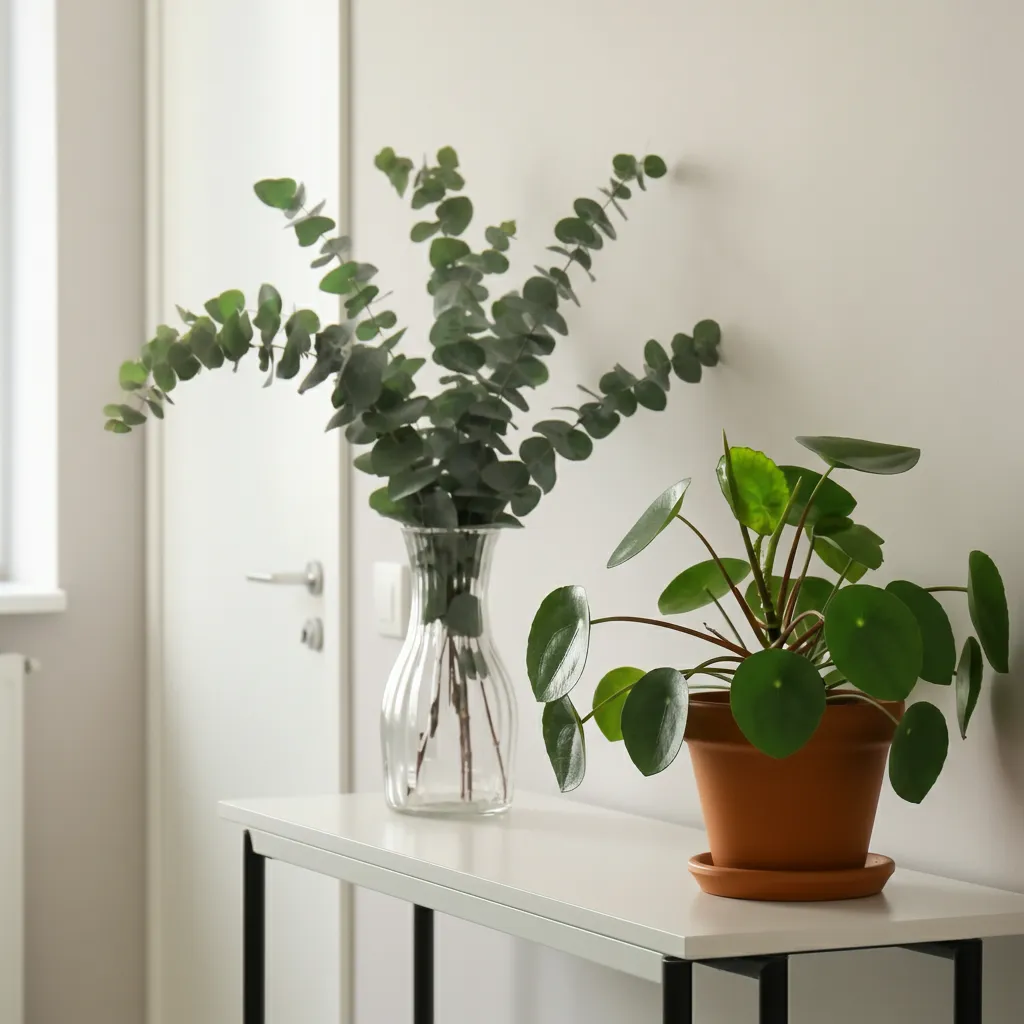
First impressions matter. Placing a plant in your entryway sets a welcoming tone the moment you walk through the door.
If you have a console table, a vase of fresh eucalyptus or a potted Pilea creates a fresh greeting. If your entryway is tight, a tall, slender Sansevieria (Snake Plant) tucked into a corner takes up very little width but adds significant impact. It signals to guests that this is a cared-for, lively home.
10. Frame Your View
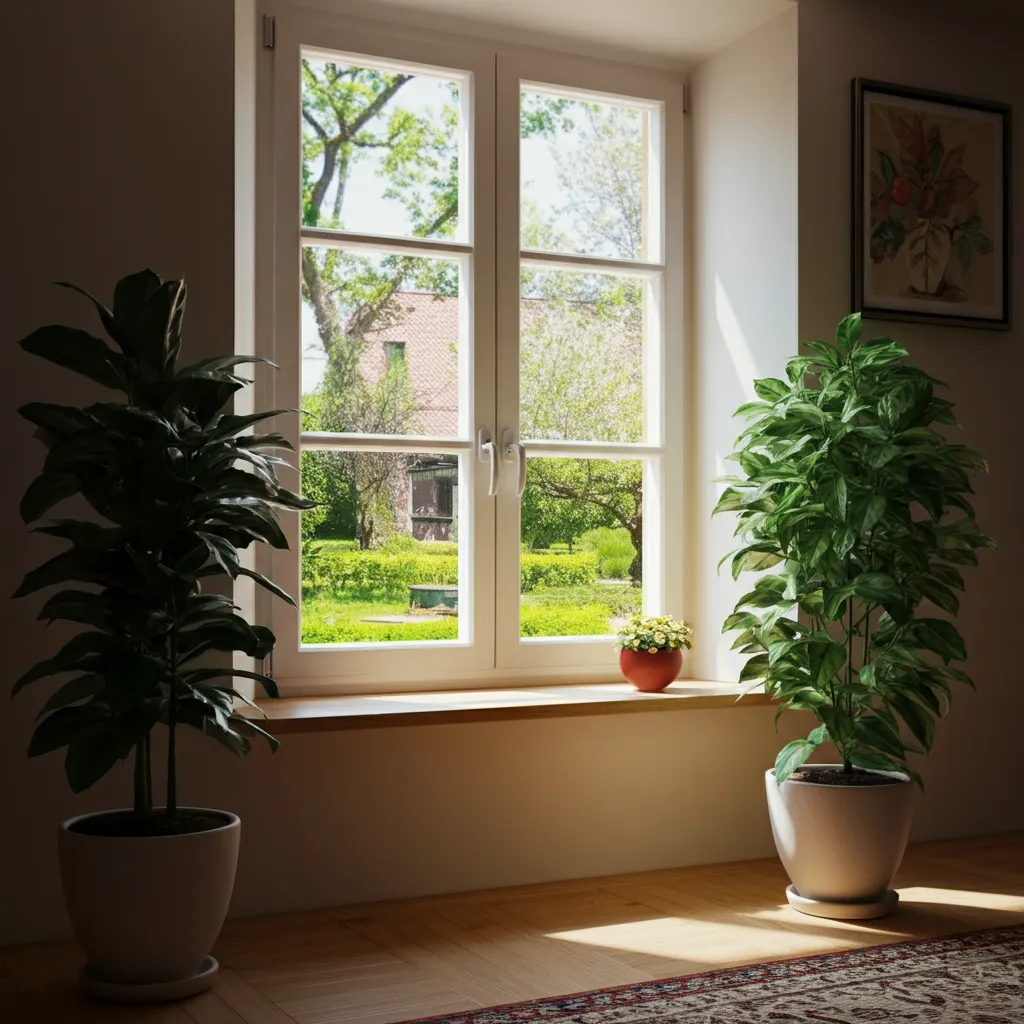
Don’t block your windows; frame them. Placing plants on either side of a window or glass door connects the indoors with the outdoors.
This technique blurs the lines between your living room and your garden or balcony. It makes the room feel larger and more open. Use matching pots on either side for a symmetrical, formal look, or mix and match for a boho, relaxed vibe.
11. The Coffee Table Centerpiece
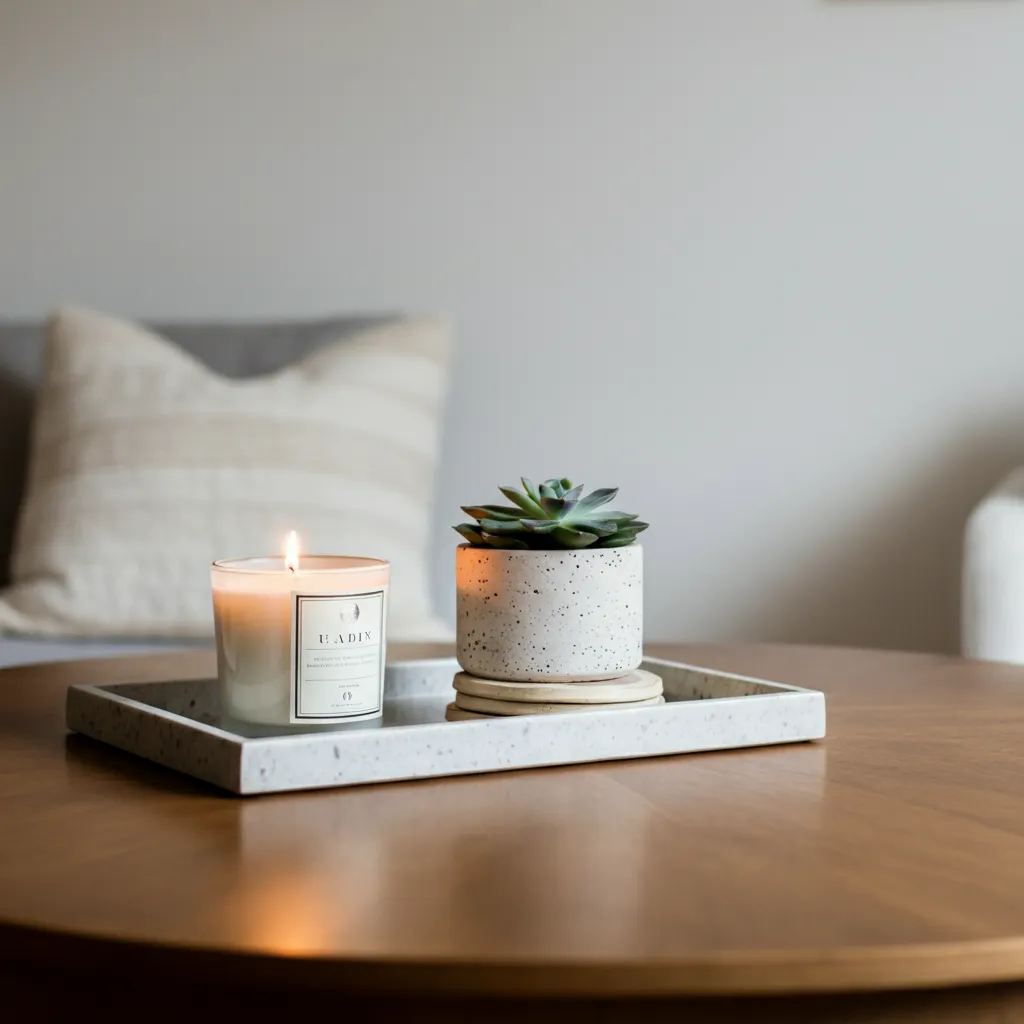
The coffee table is often a dumping ground for remotes and magazines. Reclaim it with a low-maintenance centerpiece.
A small tray containing a candle, a stack of coasters, and a small succulent creates a deliberate vignette. Keep the plant small and low so it doesn’t obstruct the view of the TV or the person sitting across from you. It’s a tiny touch that makes the whole room feel finished.
12. Mix Plants with Art
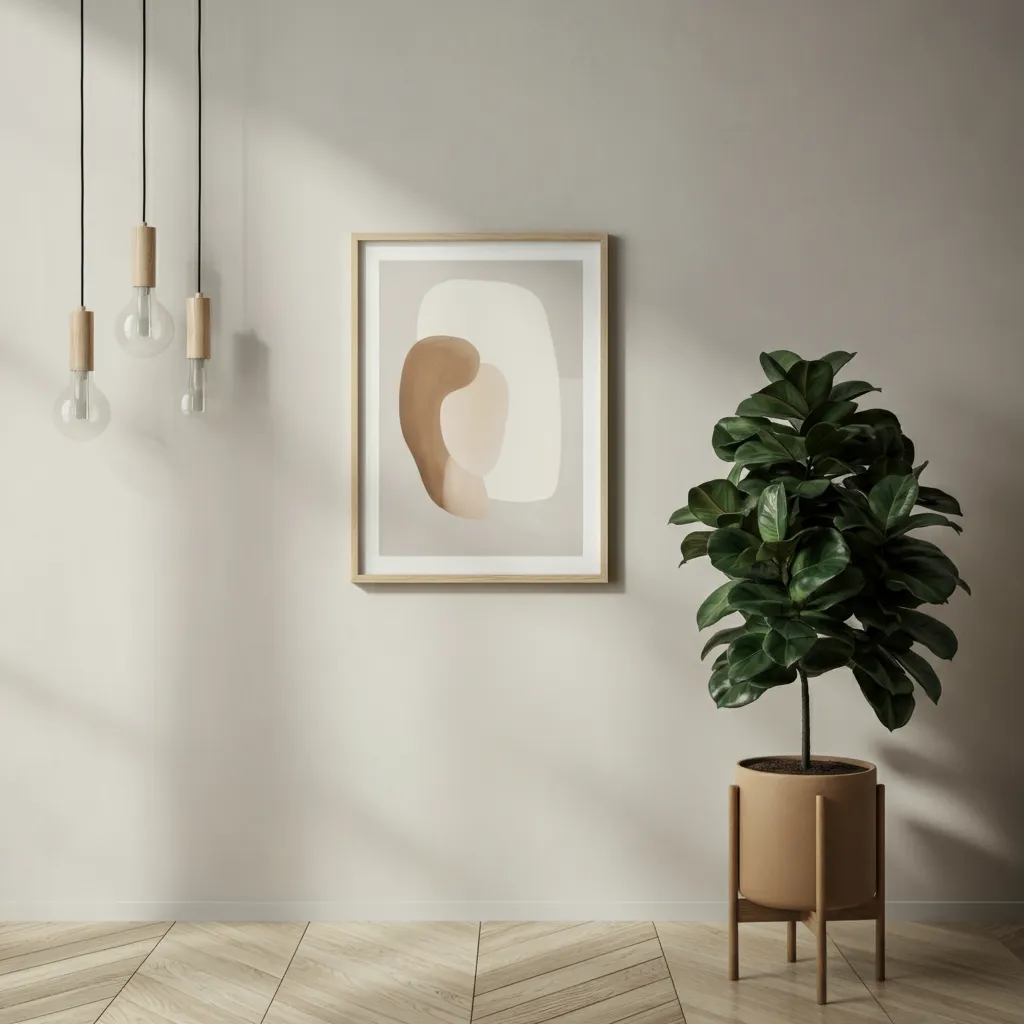
Plants are living sculptures. Treat them that way by pairing them with your wall art.
Place a plant on a shelf below a painting, or position a floor plant so its leaves slightly overlap the frame of a poster. This interaction between the 2D art and 3D plant adds texture and complexity to your walls. It makes your art collection feel more integrated into the room’s design.
Conclusion
Bringing plants into your home isn’t just about following trends; it’s about creating a space that feels good to live in. Whether you start with a single succulent on your desk or transform your living room into a jungle, these placement tips will help you style with confidence.
Remember, the best decor ideas are the ones that make you happy. Don’t stress about perfection. Move your plants around, see where they thrive, and enjoy the cozy, vibrant energy they bring to your daily life.
FAQs
Why should I style indoor plants in my home?
Indoor plants add life, color, and a sense of calm to your home. Thoughtful styling enhances aesthetics, improves air quality, and creates a cozy, inviting atmosphere.
Which types of plants are best for styling indoors?
Popular indoor plants include pothos, snake plants, monstera, fiddle leaf figs, succulents, and peace lilies. Choose plants based on light availability, maintenance level, and the style of your space.
How can I display indoor plants creatively?
Use a mix of plant stands, hanging planters, shelves, terrariums, and decorative pots. Group plants in clusters, vary heights, and combine textures to create visual interest and a lush, layered look.
Can indoor plants improve a cozy atmosphere in small spaces?
Yes, small plants on shelves, windowsills, or hanging planters can make compact areas feel lively and inviting. Vertical arrangements and tiered displays maximize space without cluttering.
How do I maintain indoor plants to keep them looking stylish?
Provide proper light, water, and nutrients based on each plant’s needs. Regularly dust leaves, prune when necessary, and rotate plants for even growth to keep them healthy and visually appealing.