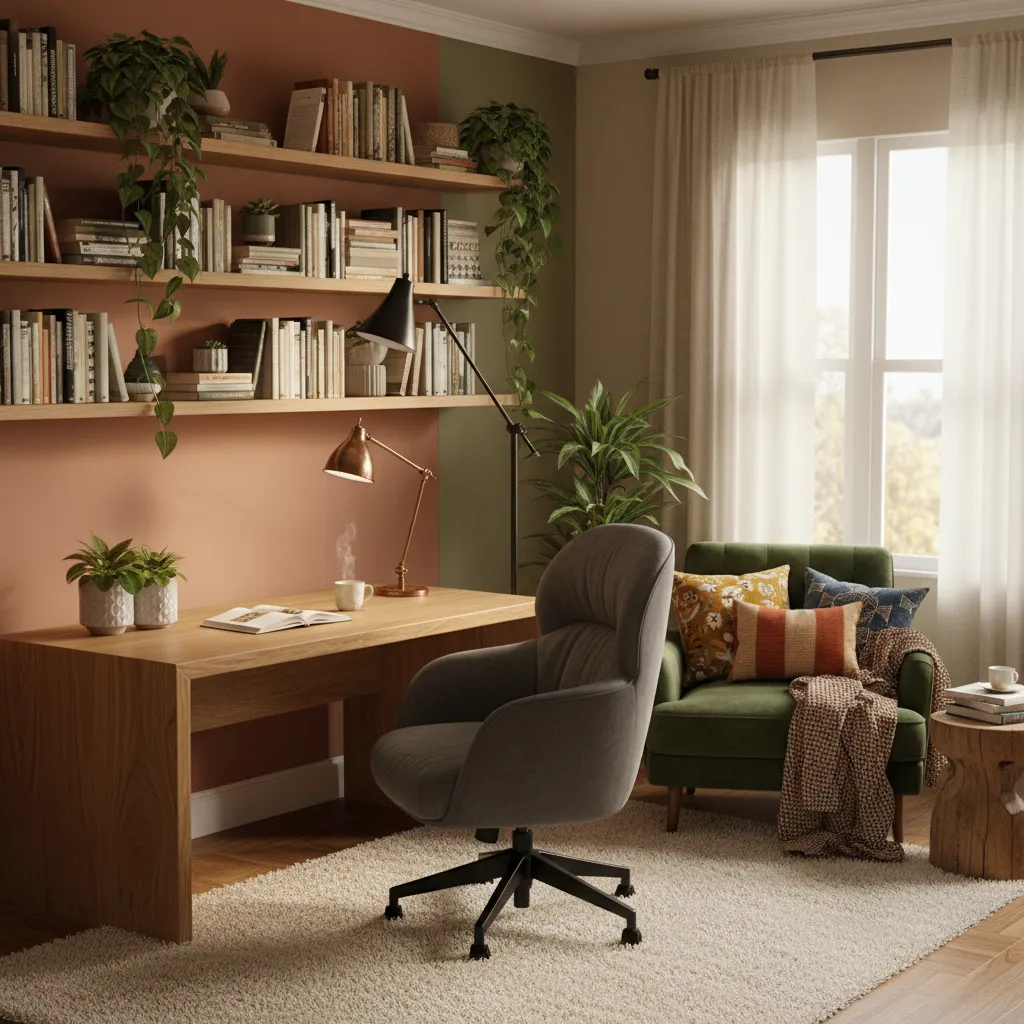
16 Creative Study Room Decor Ideas for a Stylish Home
Why Your Study Space Deserves a Makeover
We often treat our study rooms or home offices as purely utilitarian spaces. It is easy to assume that if you have a desk and a chair, you are ready to work. But your environment deeply influences how you feel and how well you focus. A cold, sterile room can drain your energy, while a warm, inviting space can spark creativity and make even the most tedious tasks feel manageable.
Creating a study that feels like a natural extension of your home decor is about balancing function with comfort. It isn’t just about buying a desk; it is about curating an atmosphere where you actually want to spend time. Whether you are studying for exams, working remotely, or just need a quiet corner to read, the right decor ideas can turn a neglected spare room into your favorite sanctuary.
Here are 16 creative ways to bring warmth, style, and productivity into your study room.
1. Embrace the Warmth of Natural Wood
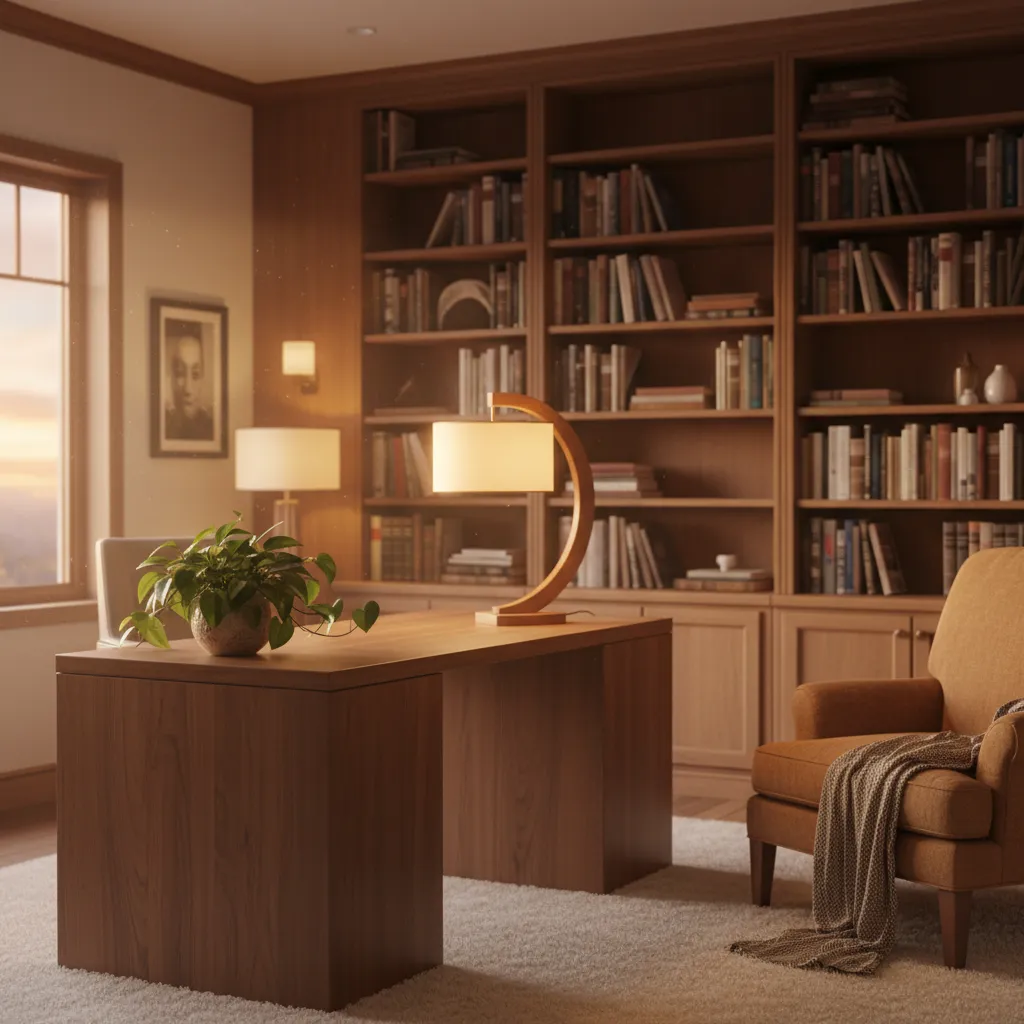
There is something inherently grounding about natural wood grain. If your current setup feels too clinical, swap out metal or plastic surfaces for timber. A solid oak desk or walnut shelving unit instantly adds character. You don’t have to overhaul everything; even small wooden accents, like a desktop organizer or a wooden lamp base, can soften the room’s aesthetic. This simple switch anchors the space and connects your indoor environment to the natural world.
2. Layer Lighting for Ambiance
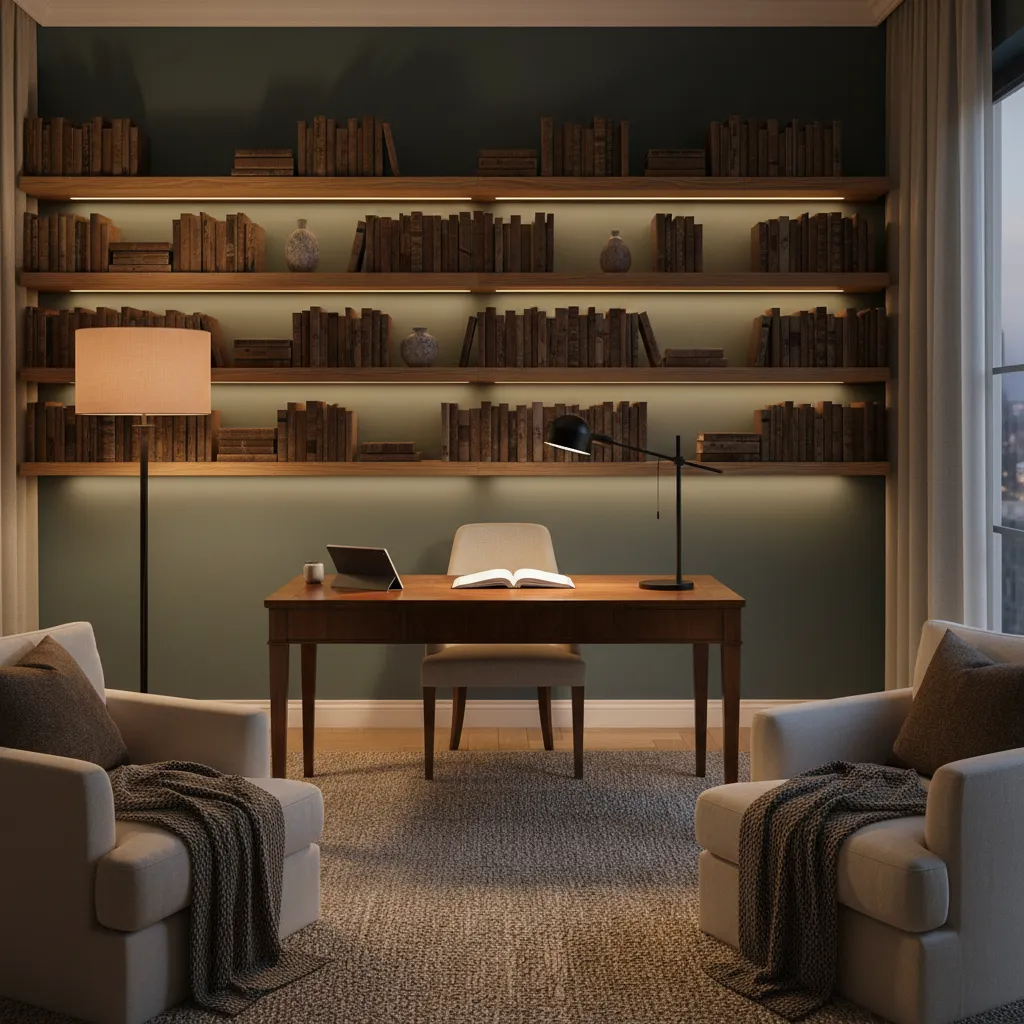
Overhead lighting can be harsh and uninspiring. To create a cozy “library” feel, you need layers. Start with a dedicated task lamp on your desk for focused work. Then, add a floor lamp with a warm-toned bulb in the corner to diffuse soft light across the room. If you have shelves, consider LED strip lighting tucked behind books to create a gentle glow. This approach allows you to adjust the mood from bright and alert to soft and contemplative as the day turns to evening.
3. Create a “Soft” Zone with Textiles
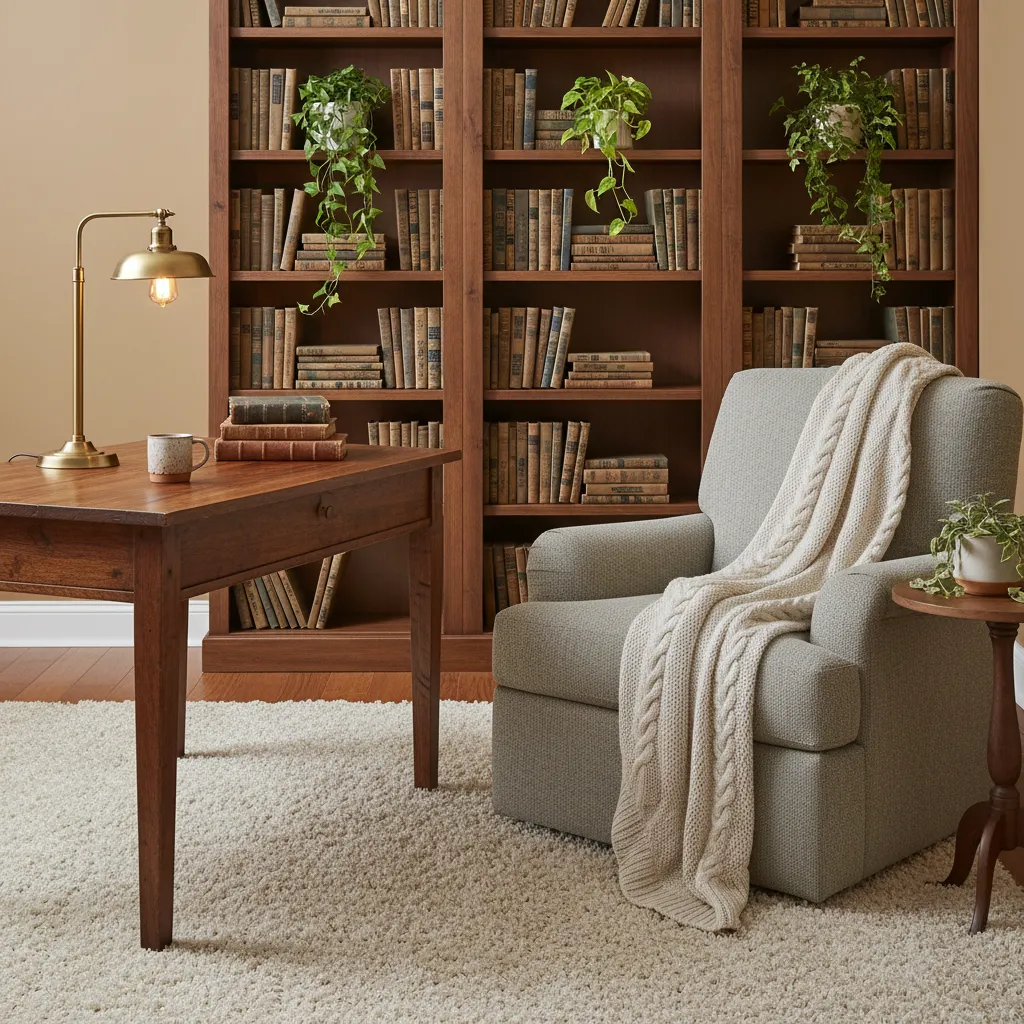
Hard surfaces dominate most study rooms. To counter this, introduce textiles that invite touch. A plush area rug under your desk keeps your feet warm and dampens sound, making the room feel quieter and more private. Drape a chunky knit throw over the back of your chair. These tactile elements are practical home decor additions that make long study sessions physically more comfortable.
4. Install Floating Shelves for an Airy Feel
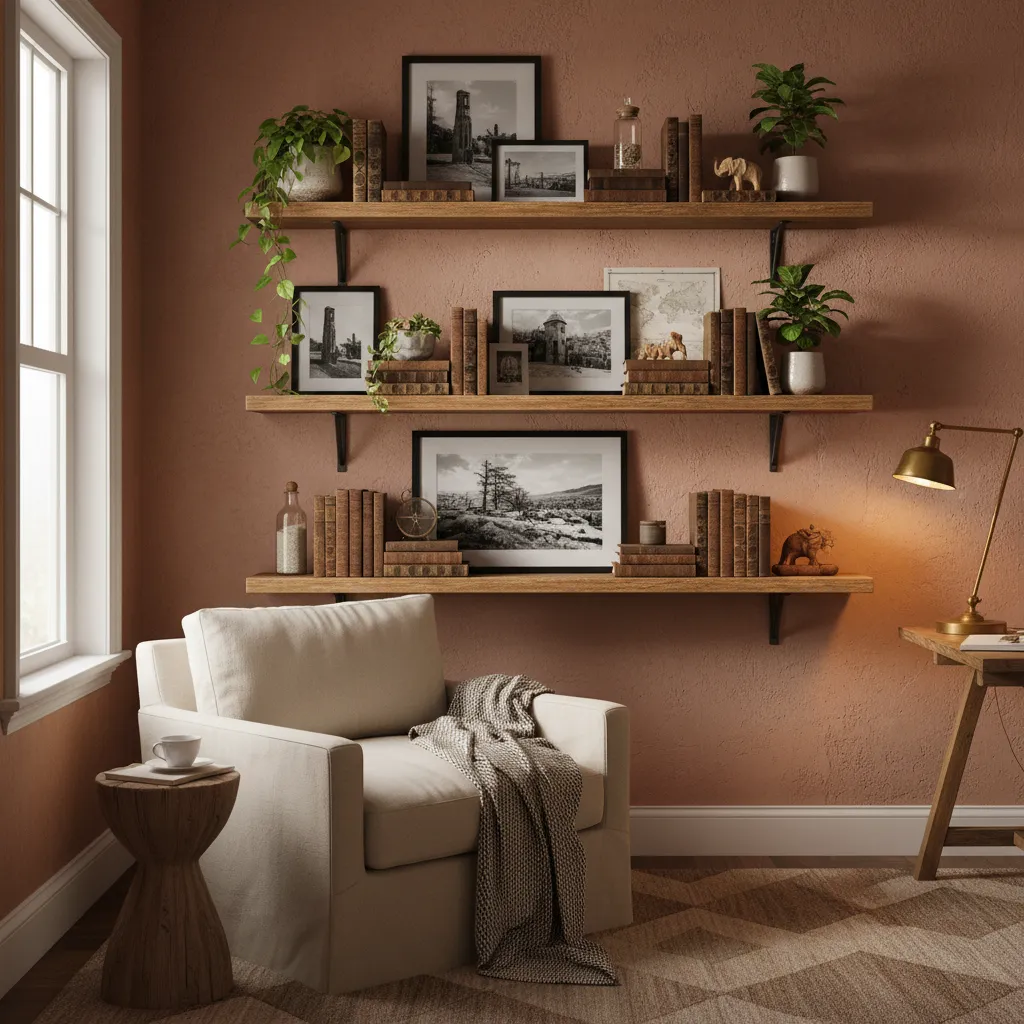
Bulky bookcases can make a small study feel claustrophobic. Floating shelves are a brilliant alternative. They provide necessary storage without taking up floor space, keeping the room feeling open and airy. Style them with a mix of books, small plants, and personal artifacts so they serve as both storage and a display of your personality.
5. Curate an Inspiring Gallery Wall
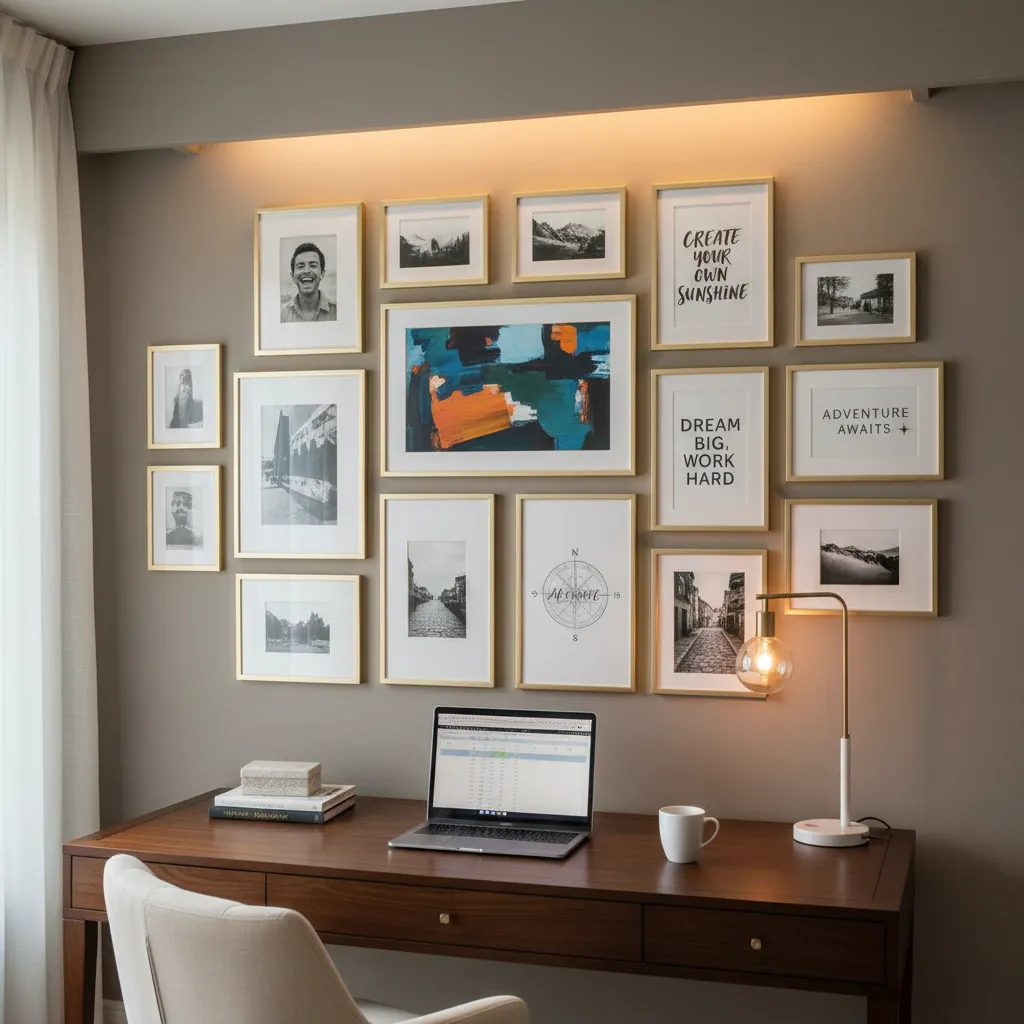
Staring at a blank wall creates a mental block. Transform the space above your desk into a source of inspiration. A gallery wall doesn’t have to be chaotic; you can keep it cohesive by using matching frames or a specific color palette. Mix motivational quotes with personal photos or abstract art. This visual break gives your eyes something beautiful to rest on when you look up from your screen.
6. Bring the Outdoors In with Greenery
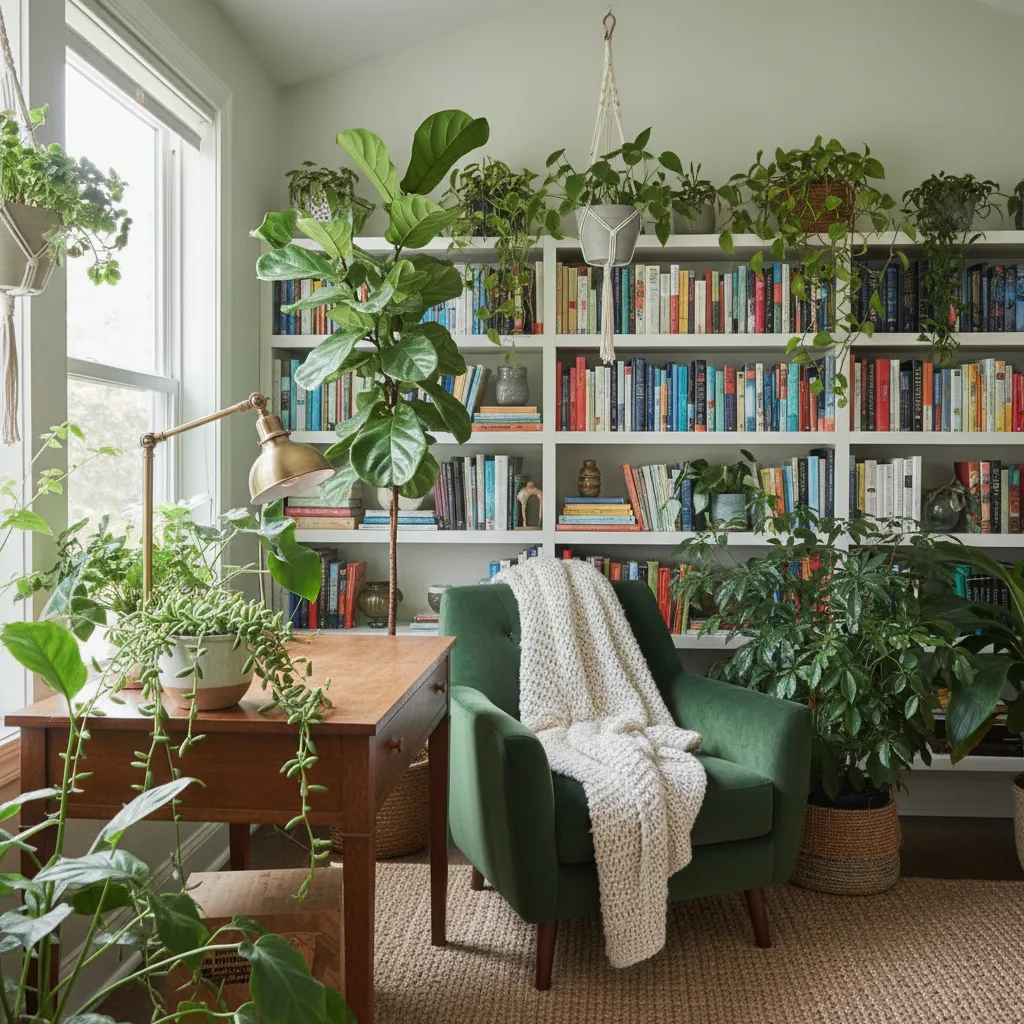
Plants are arguably the most versatile decor ideas you can implement. They purify the air and add a vibrant pop of life to static spaces. If you don’t have a green thumb, start with low-maintenance options like snake plants or pothos, which thrive even in lower light. Placing a small potted plant on your desk or a tall fiddle leaf fig in the corner bridges the gap between indoors and outdoors, reducing stress levels instantly.
7. Invest in a Statement Chair
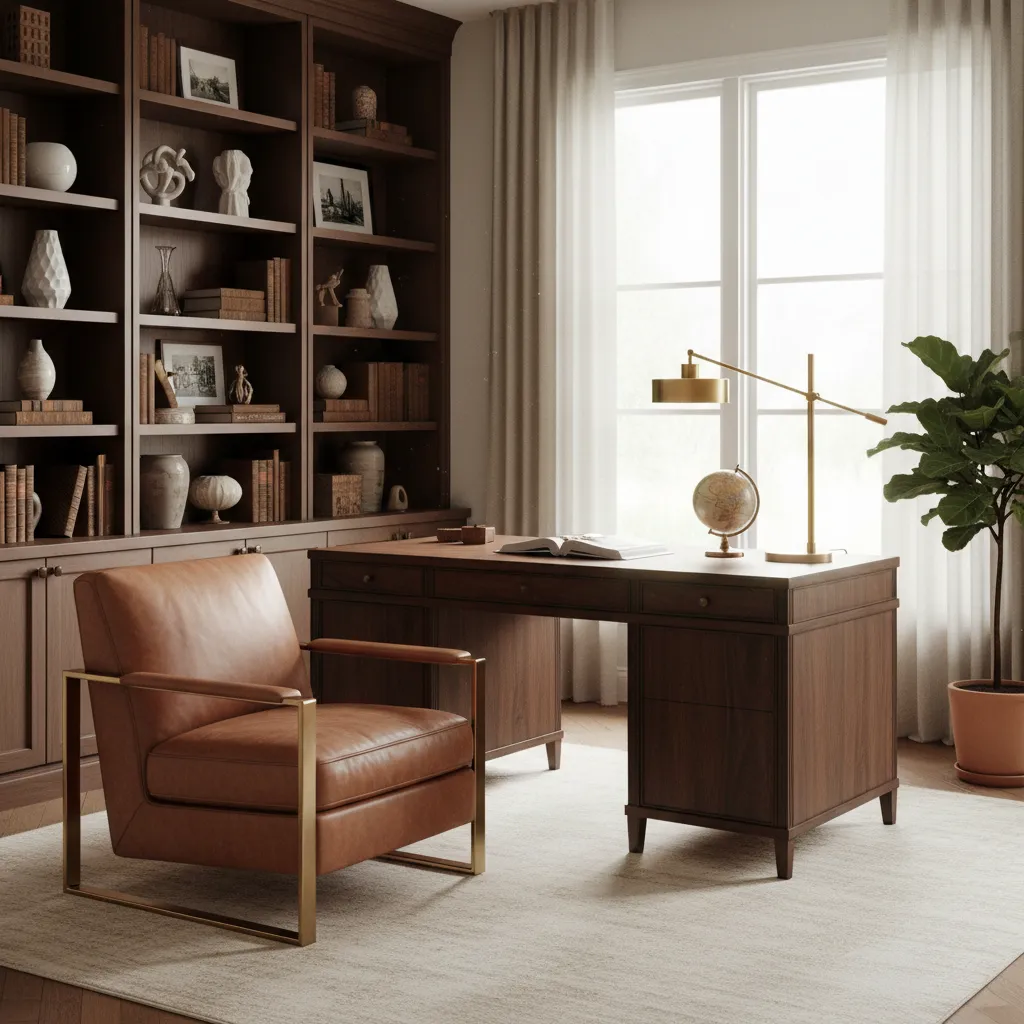
Your chair is the throne of your study room. While ergonomics are non-negotiable, you don’t have to settle for a boring black mesh chair. Look for office chairs upholstered in velvet, leather, or high-quality fabric that complements your room’s color scheme. A cognac leather chair, for example, adds a vintage academic charm, while a soft grey fabric chair keeps things modern and clean.
8. Define the Space with Accent Wallpaper
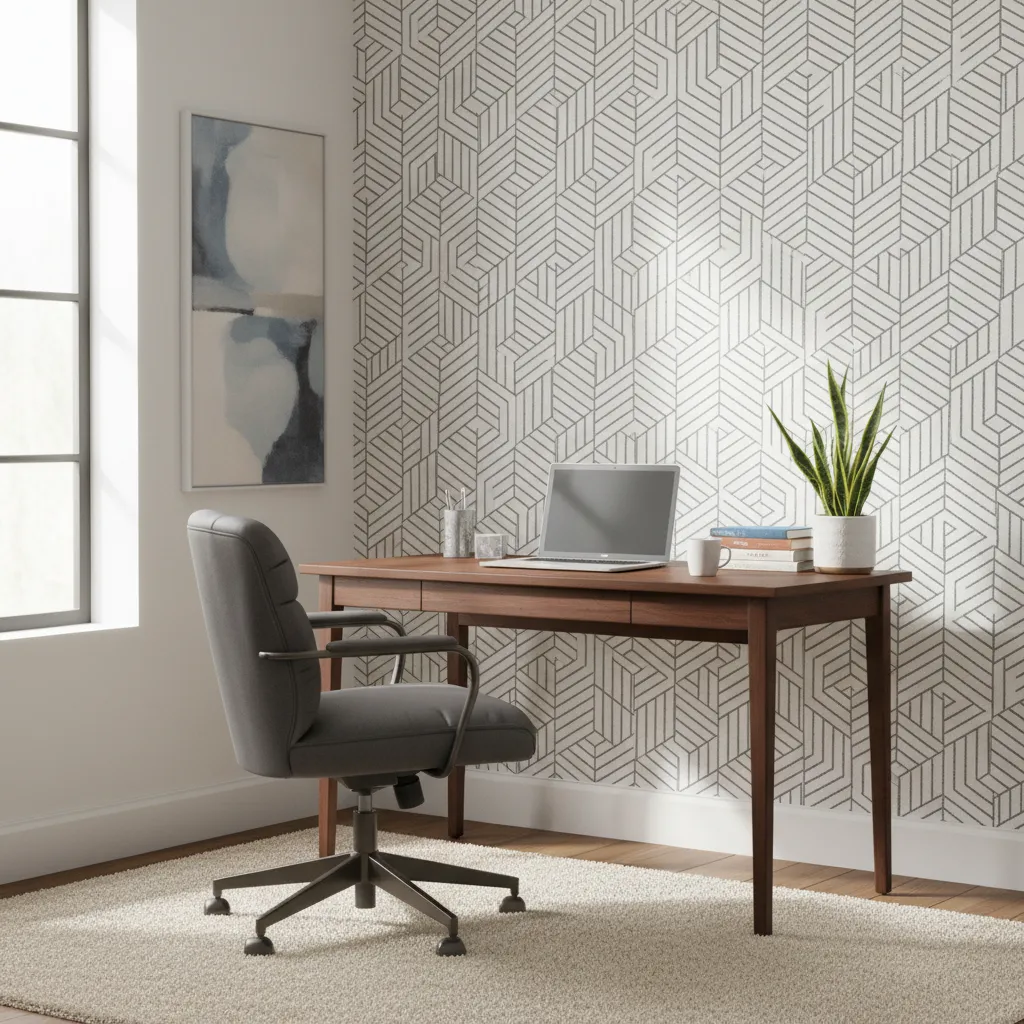
If painting the whole room feels like too much work, focus on one wall. A peel-and-stick wallpaper with a subtle geometric pattern or a botanical print can define the study zone, especially if your workspace is part of a larger room like a bedroom or living area. This visual cue signals to your brain that this specific area is for focus and creativity.
9. Utilize Vertical Storage with Pegboards
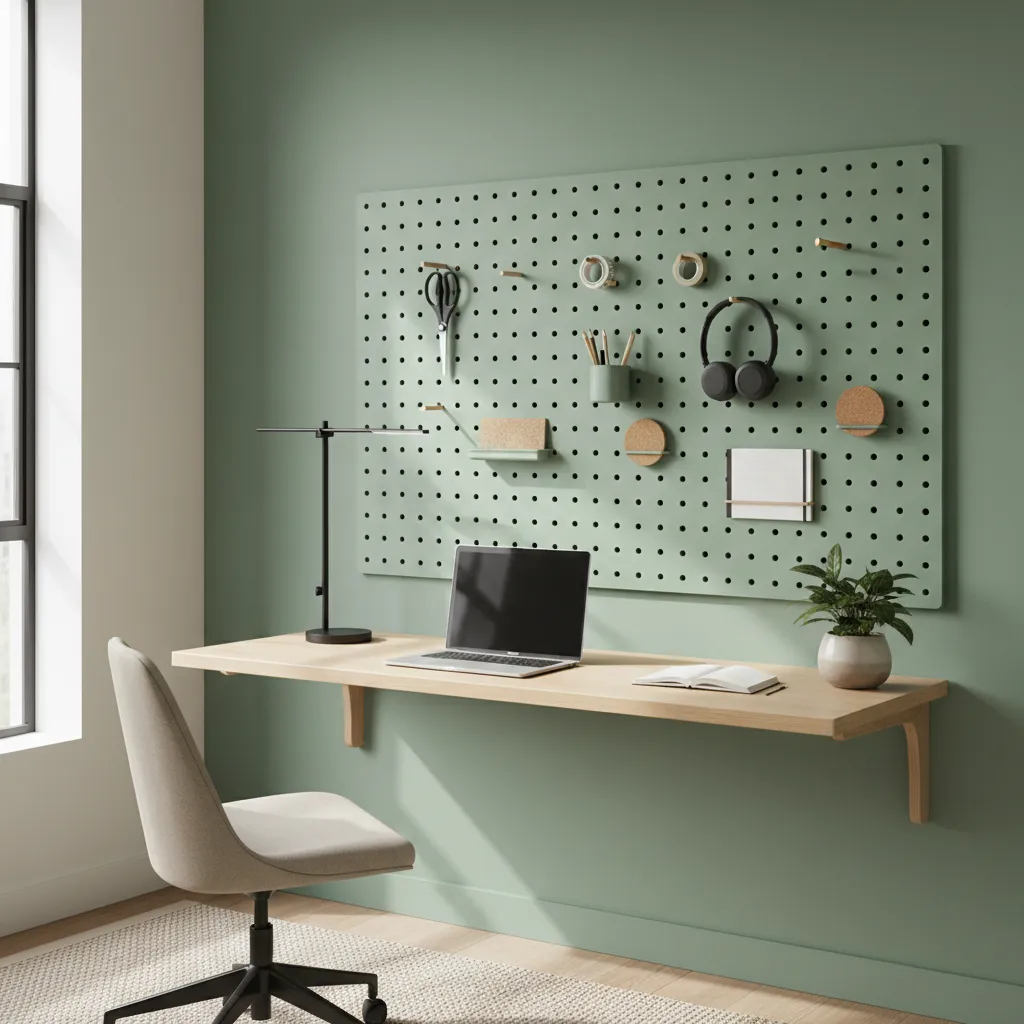
Clutter is the enemy of focus. A pegboard is a classic organizational tool that has made a huge comeback in modern home decor. Paint it to match your wall color for a seamless look, or choose a contrasting hue to make it pop. Use it to hang scissors, headphones, calendars, and stationary. It keeps your desk surface clear while keeping essentials within arm’s reach.
10. Add a Reading Nook
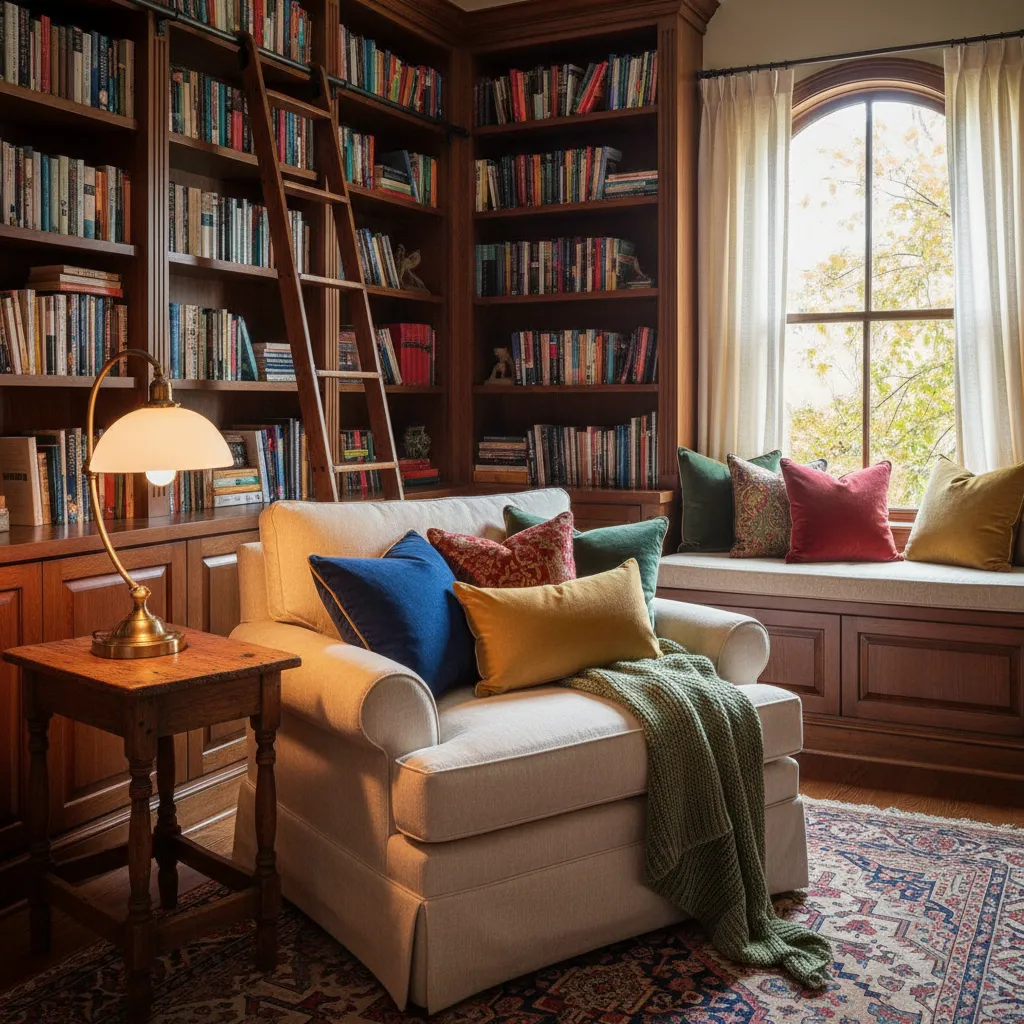
If space permits, try to include a secondary seating area away from the desk. A comfortable armchair or a window seat with plenty of cushions creates a dedicated spot for reading papers or taking a mental break. Changing your physical position can help reset your focus. This little nook transforms the room from a pure work zone into a multipurpose retreat.
11. Warm Up the Palette with Earth Tones
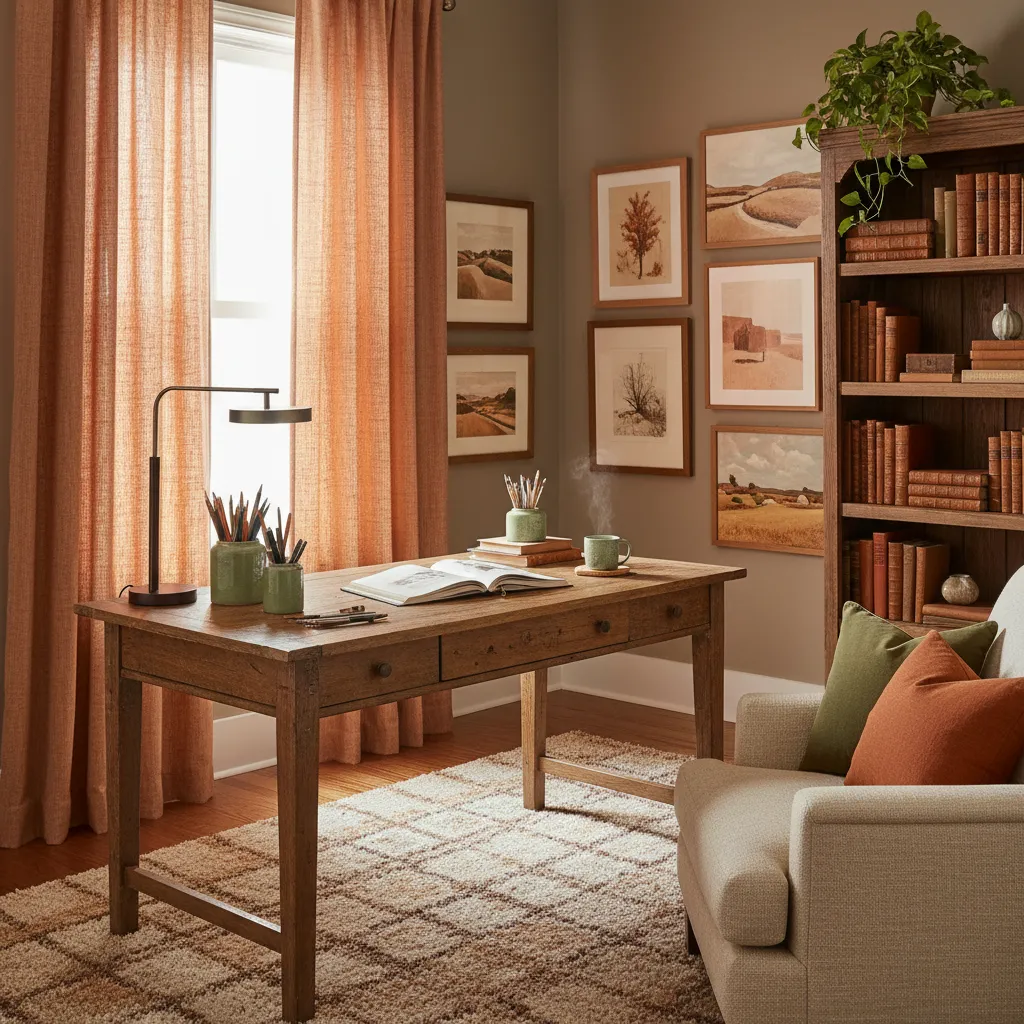
Cool blues and greys are traditional for offices, but they can sometimes feel chilly. Consider warmer earth tones like terracotta, sage green, or warm beige. These colors are soothing yet energizing. You don’t need to paint the walls to achieve this; you can introduce these shades through curtains, desk accessories, or artwork.
12. Use Baskets to Hide Tech Mess
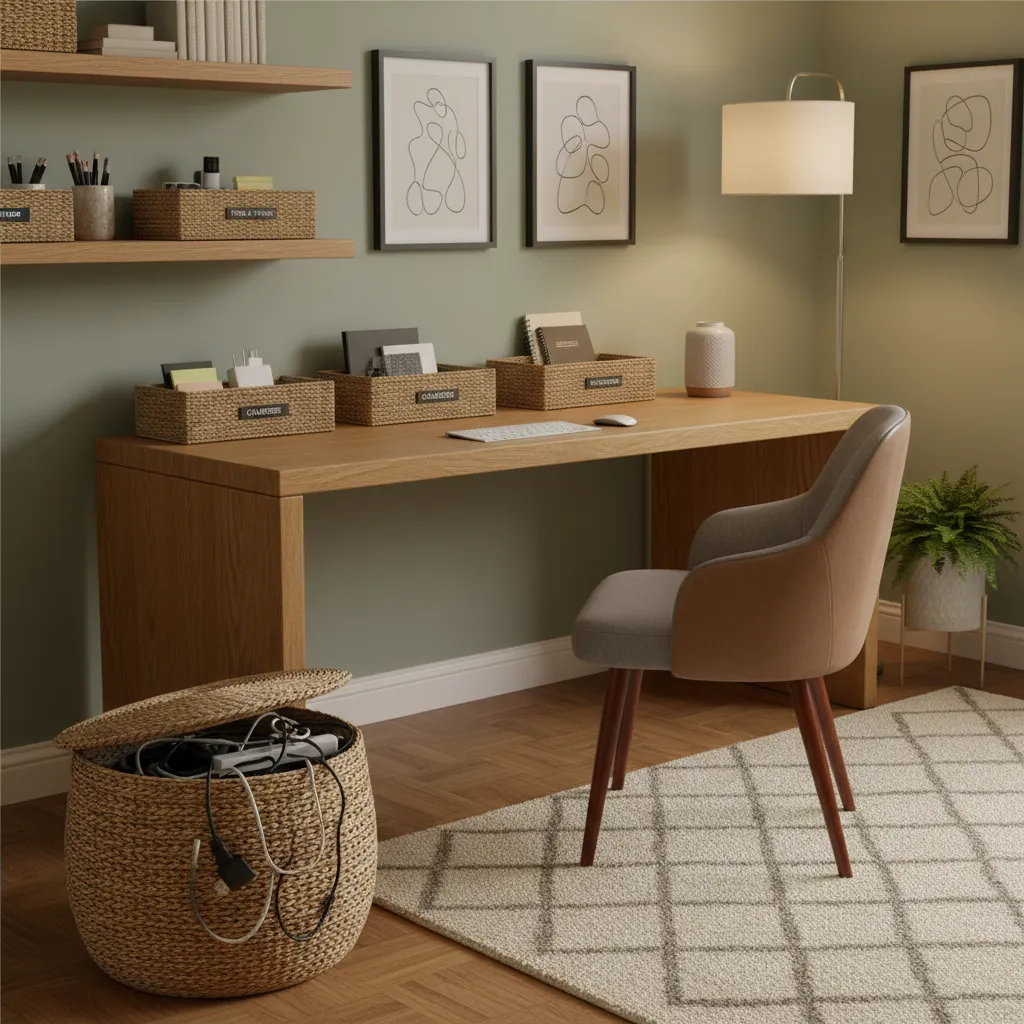
Nothing ruins a cozy vibe faster than a tangle of black wires. Woven baskets are excellent for hiding utilitarian mess. Use a large basket on the floor to hold your power strip and excess cabling, or use smaller baskets on shelves to store printer paper, chargers, and other unappealing office supplies. The natural texture of the baskets adds to the warm, rustic feel of the room.
13. Incorporate Vintage or Antique Pieces
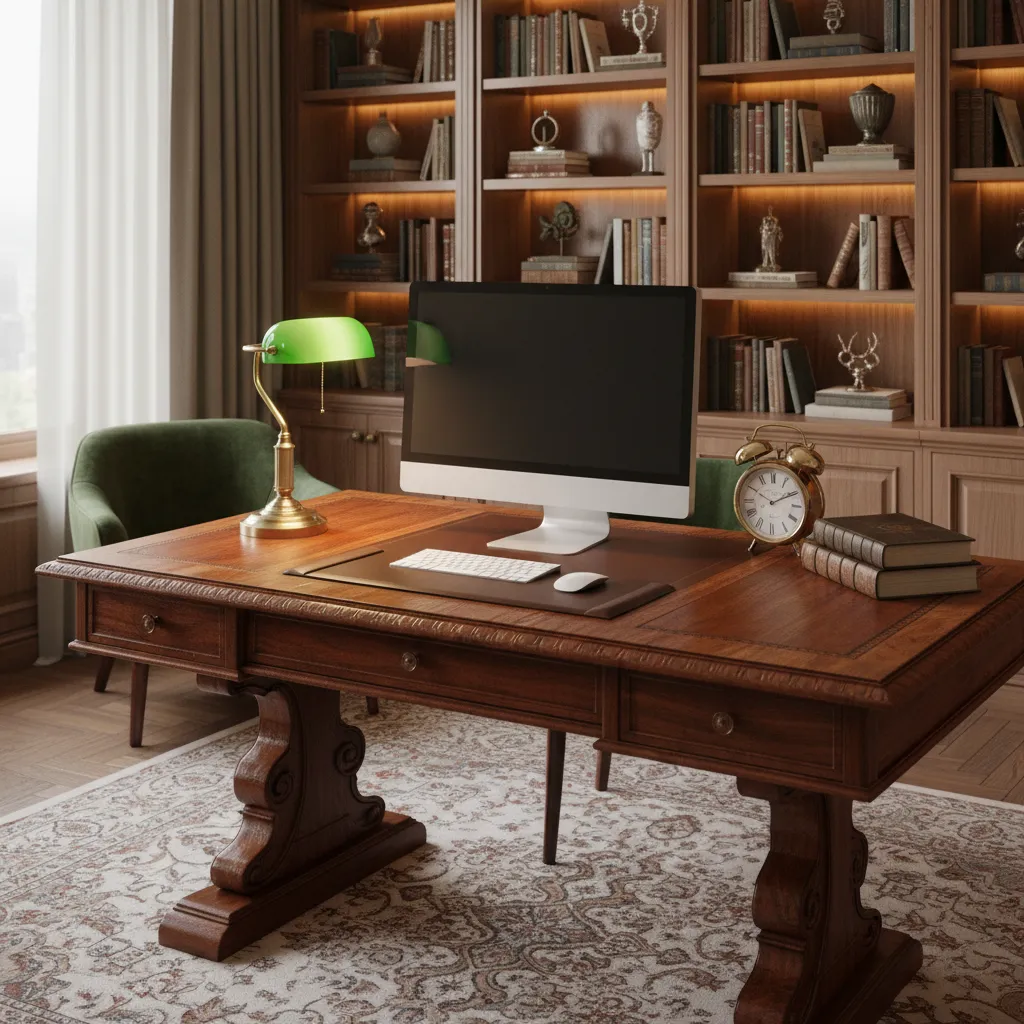
A sleek, modern computer on a vintage wooden desk creates a beautiful contrast. Scour thrift stores for a unique desk lamp, an old-school clock, or a vintage rug. These items have history and soul, preventing your study room from looking like a catalog showroom. They add a layer of narrative to your home decor that feels personal and curated.
14. Optimize Natural Light with Sheer Curtains
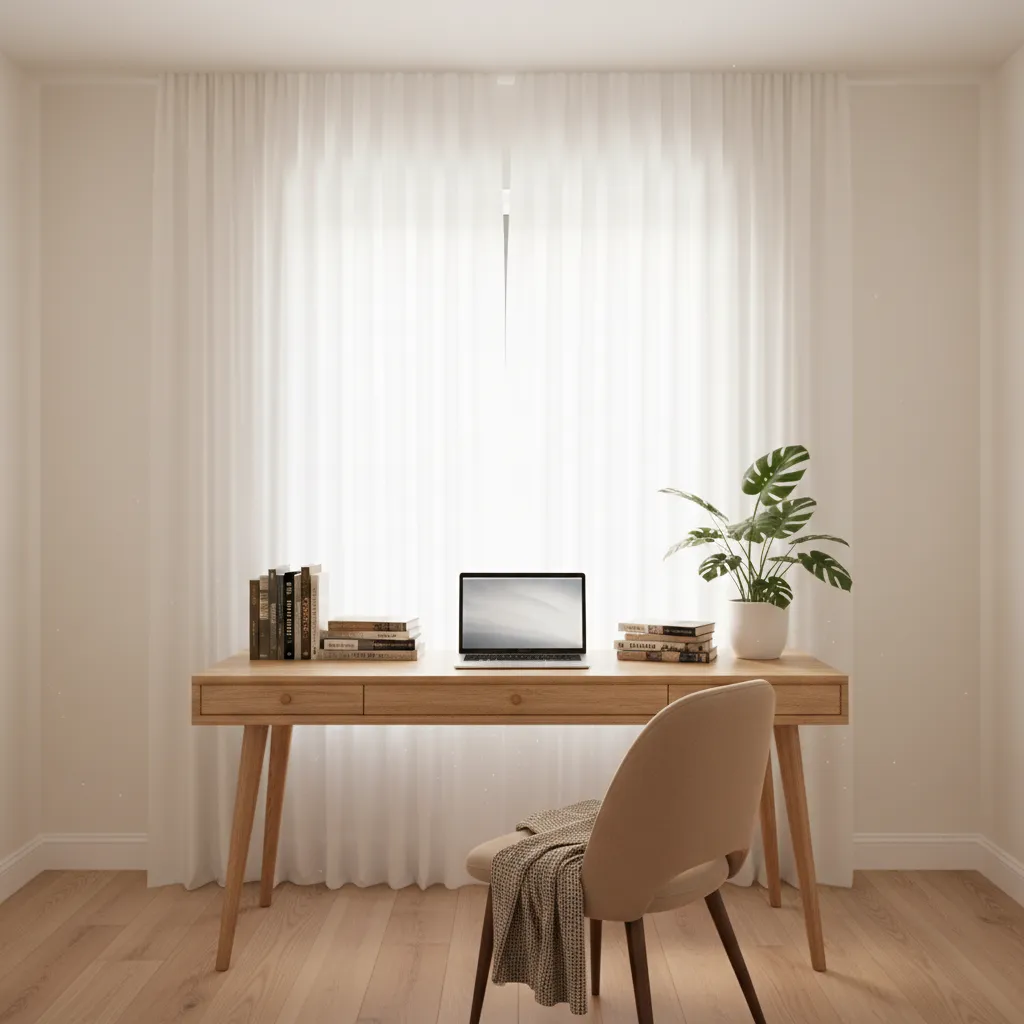
Heavy blackout curtains can make a study feel like a cave. Maximize natural light—which is crucial for mood and circadian rhythm—by using sheer curtains. They diffuse strong sunlight to prevent glare on your screen while still keeping the room bright and cheerful. If you need privacy, layer them with heavier drapes you can close at night.
15. Personalize with a Pinboard
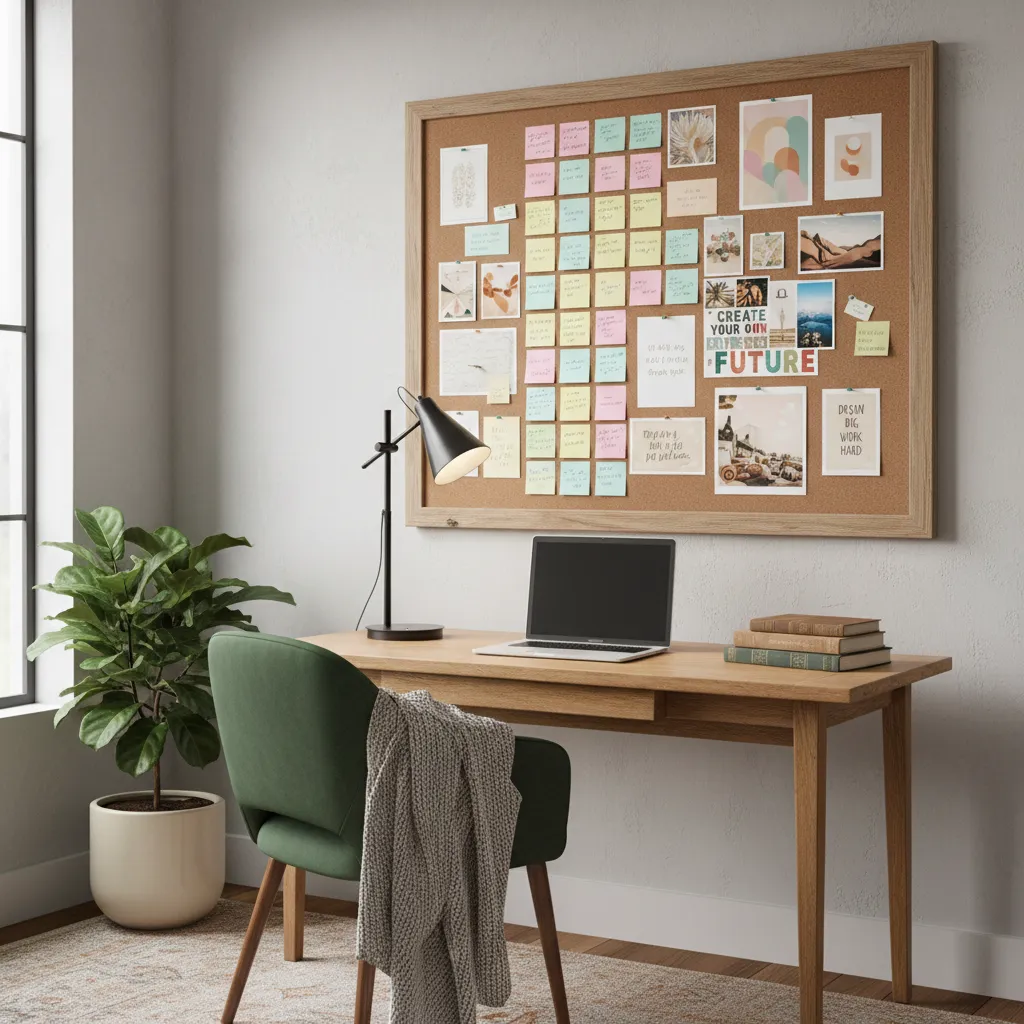
While digital calendars are great, there is power in visual tangibility. A fabric, cork, or felt pinboard allows you to pin up physical reminders, thank-you notes, or vision board elements. Frame the pinboard to make it look more polished. It serves as a changing canvas of your current projects and priorities.
16. Scent the Scene
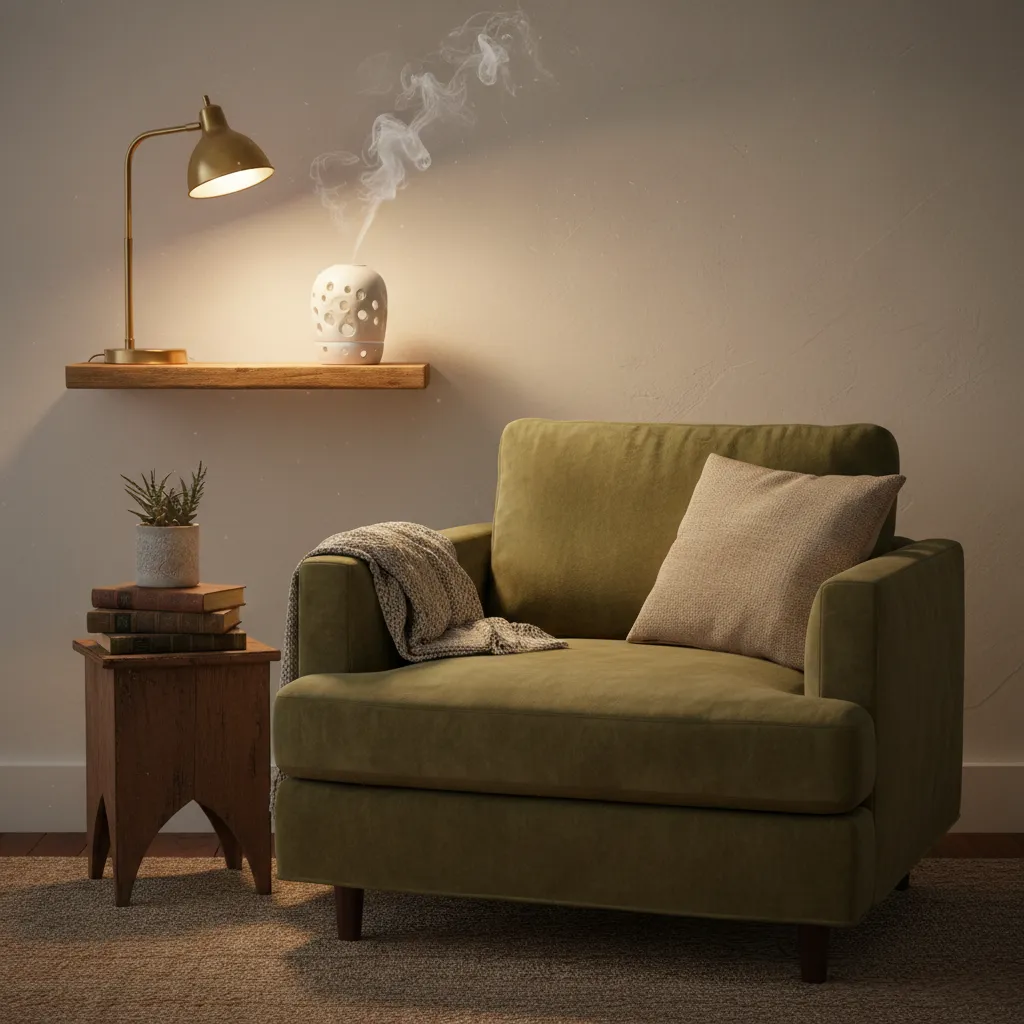
Decor isn’t just visual; it is multisensory. A reed diffuser or a high-quality candle can shift the atmosphere of the room. Scents like rosemary and peppermint are known to aid concentration, while vanilla or sandalwood can create a cozy, calming backdrop for reading. A ceramic diffuser can also serve as a beautiful sculptural object on your shelf.
Conclusion
Designing a study room is about more than just efficiency; it is about creating a space where you feel comfortable enough to do your best work. By integrating these decor ideas—from the tactile comfort of rugs to the visual calm of greenery—you can build a space that supports both your productivity and your well-being.
Remember, the best home decor reflects the person who lives there. Don’t be afraid to experiment with these tips and twist them to fit your unique style. Start with one or two changes, perhaps adding a plant or swapping out a lightbulb, and notice how the energy of the room shifts. Your perfect study sanctuary is closer than you think.
FAQs
What are some popular study room decor ideas?
Popular ideas include sleek desks with organized storage, floating shelves for books and décor, statement lighting, inspirational wall art, indoor plants, and color-coordinated accessories. These elements combine functionality with style to create an inviting study space.
How can I make a study room more productive?
Keep the space organized and clutter-free, use proper lighting, and choose ergonomic furniture. Adding elements like a pinboard, whiteboard, or motivational artwork can also enhance focus and efficiency.
What colors work best for a stylish study room?
Neutral tones like white, gray, beige, or soft pastels create a calm environment, while darker shades like navy, forest green, or charcoal add sophistication. Accent colors can be introduced through décor, accessories, or wall art.
How can I decorate a study room without sacrificing functionality?
Opt for storage solutions like shelves, drawers, and baskets to keep essentials organized. Choose multi-purpose furniture, such as desks with built-in storage, and prioritize clean layouts that leave ample workspace while still incorporating decorative touches.
How do I make a small study room feel more spacious?
Use vertical storage, mirrors, light-colored walls, and minimal furniture to create an airy feel. Wall-mounted desks or foldable tables and floating shelves help maximize space, making the room functional and visually open.