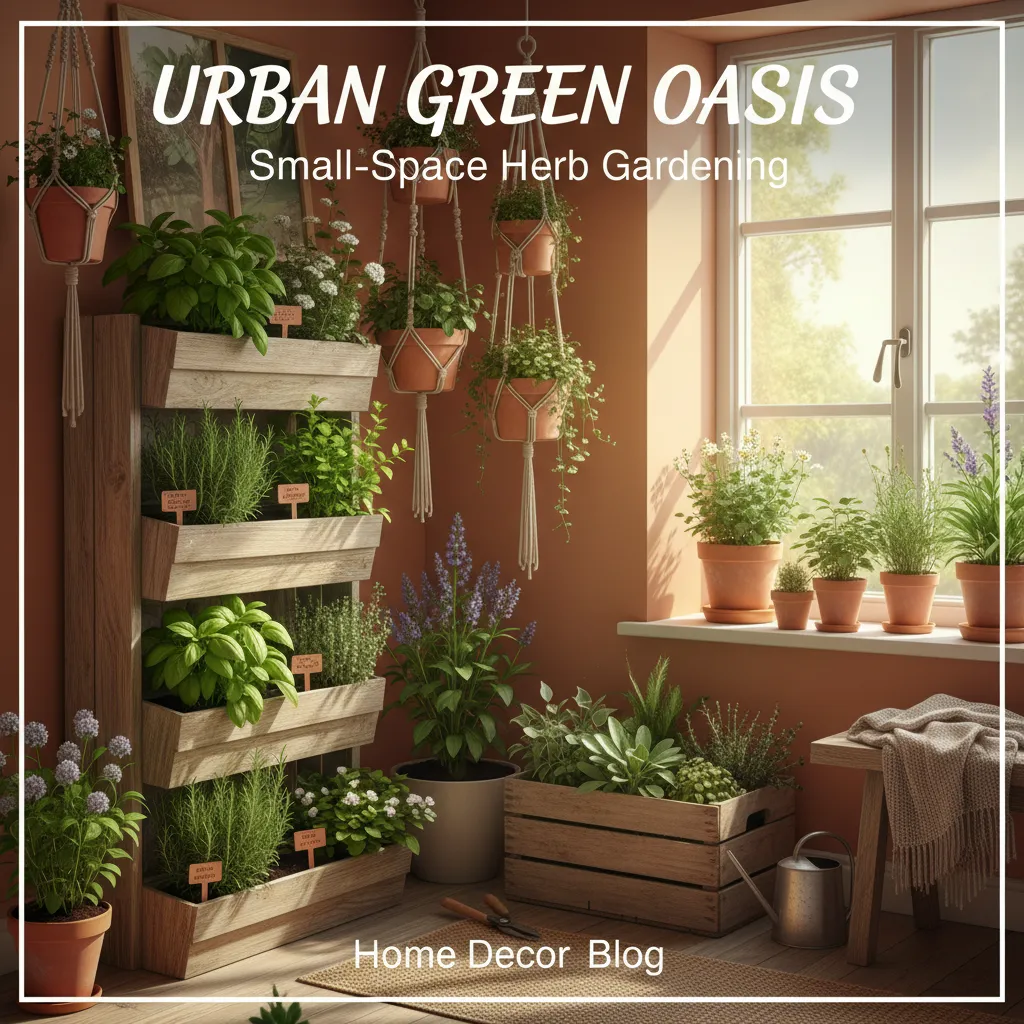
20 Herb Garden Ideas: Small Spaces, Big Flavors
There’s something magical about snipping fresh herbs from your own garden to sprinkle over a meal. The burst of flavor and aroma is unmatched. But what if you don’t have a sprawling backyard? The good news is, you don’t need one. An herb garden can thrive in the smallest of spaces, adding a touch of living green to your home decor while providing you with culinary delights.
This guide is filled with herb garden decor ideas that are perfect for apartments, balconies, and cozy corners. We’ll explore creative ways to cultivate everything from basil to rosemary, turning your limited space into a productive and beautiful green sanctuary. Get ready to transform your home with fresh scents and even fresher flavors.
Why an Herb Garden is the Perfect Small-Space Addition
Before we dig into the ideas, let’s talk about why an herb garden is a fantastic choice for any home. Beyond the obvious culinary benefits, herbs are a wonderful way to introduce nature into your living space. They purify the air, add vibrant color and texture, and their fragrances can have a calming, therapeutic effect.
Integrating an herb garden is a simple yet impactful home decor project. It bridges the gap between functional gardening and stylish living. Whether you have a sunny windowsill or a tiny patch of patio, there’s an herb garden solution that will elevate your space and your cooking.
Vertical Herb Garden Ideas
When floor space is at a premium, the only way to go is up. Vertical gardens are brilliant solutions that maximize your growing area while creating a stunning living wall feature.
1. Wall-Mounted Planters
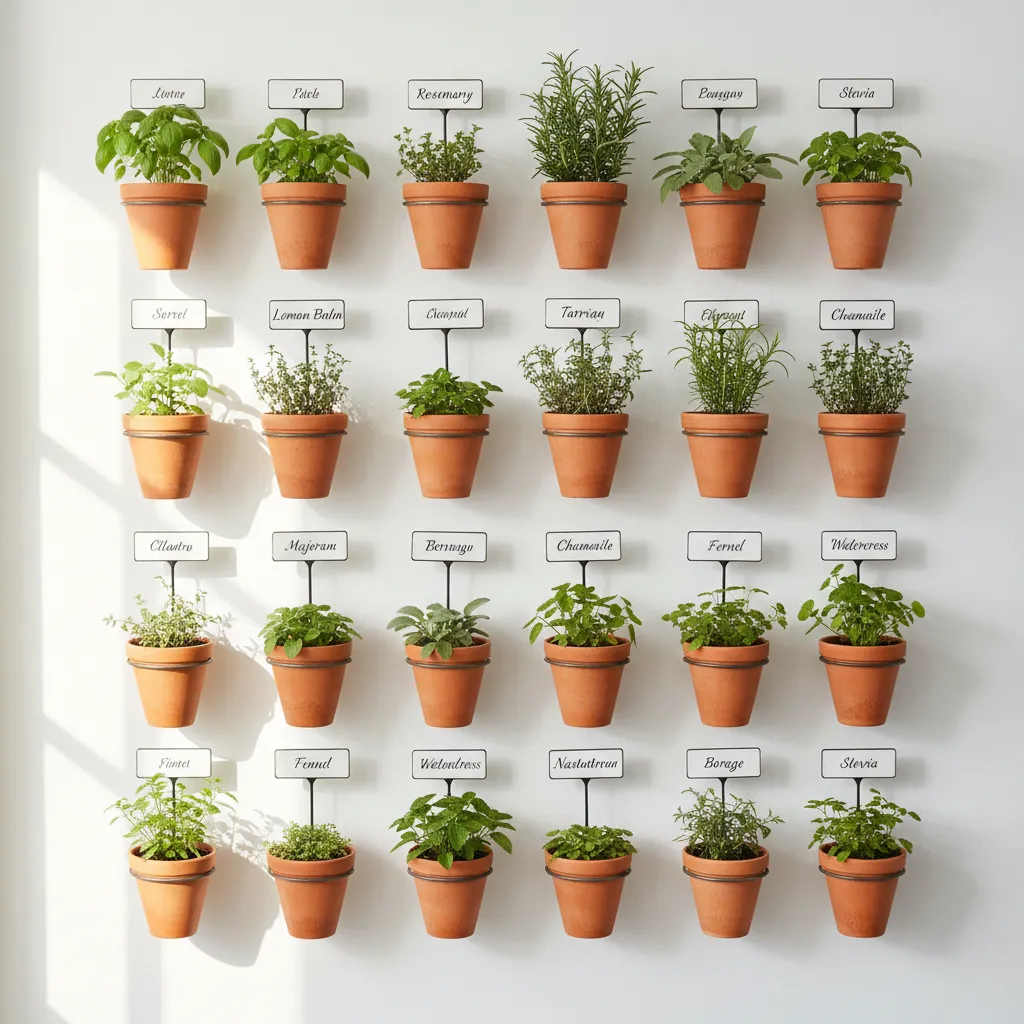
Create a beautiful, modern look with individual planters mounted directly onto a wall. You can arrange them in a neat grid or a more organic, scattered pattern. This is one of the most versatile decor ideas for bringing greenery indoors or onto a balcony wall.
2. Repurposed Pallet Garden
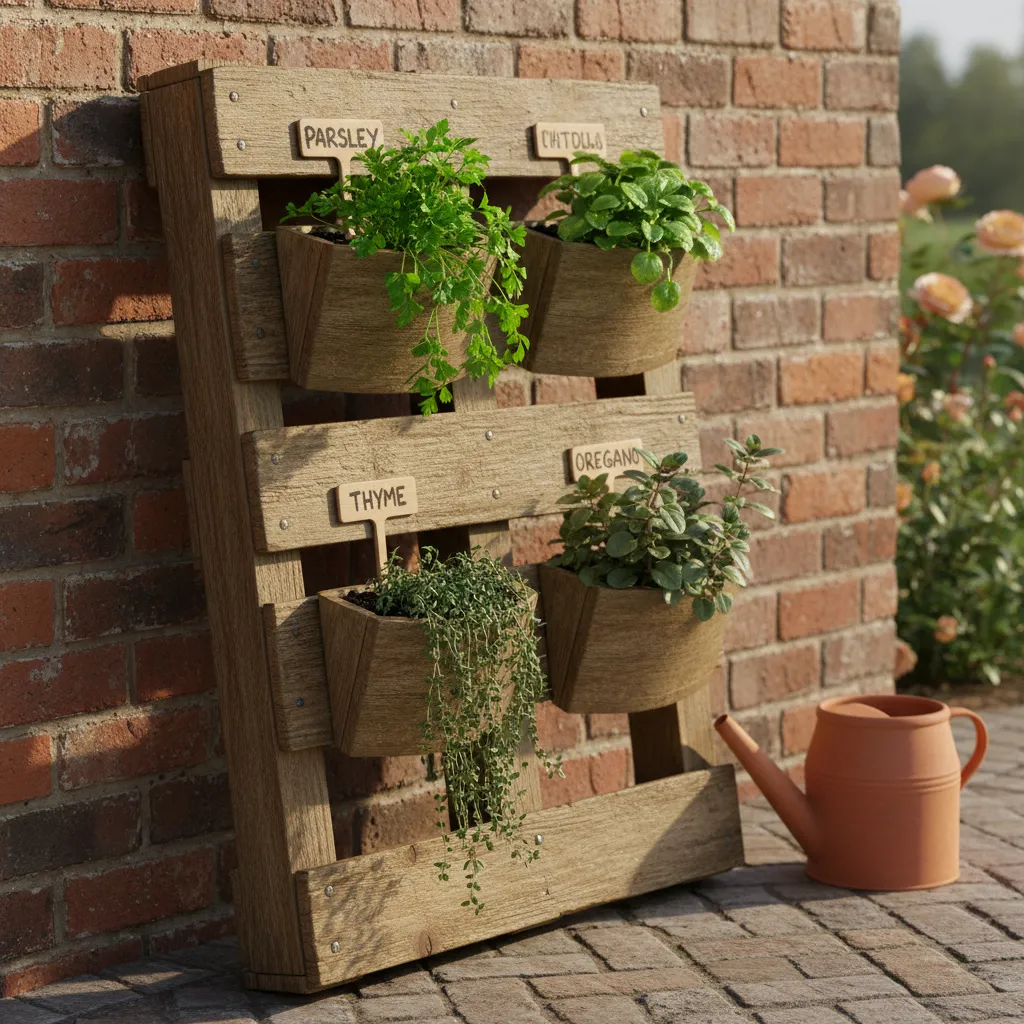
A wooden pallet can be transformed into a rustic and charming vertical herb garden. Simply stand it upright against a wall, staple landscape fabric to the back and bottom of the slats to create pockets, and fill with soil and your favorite herbs. This is a fantastic DIY project that adds a warm, farmhouse touch.
3. Hanging Gutter Garden
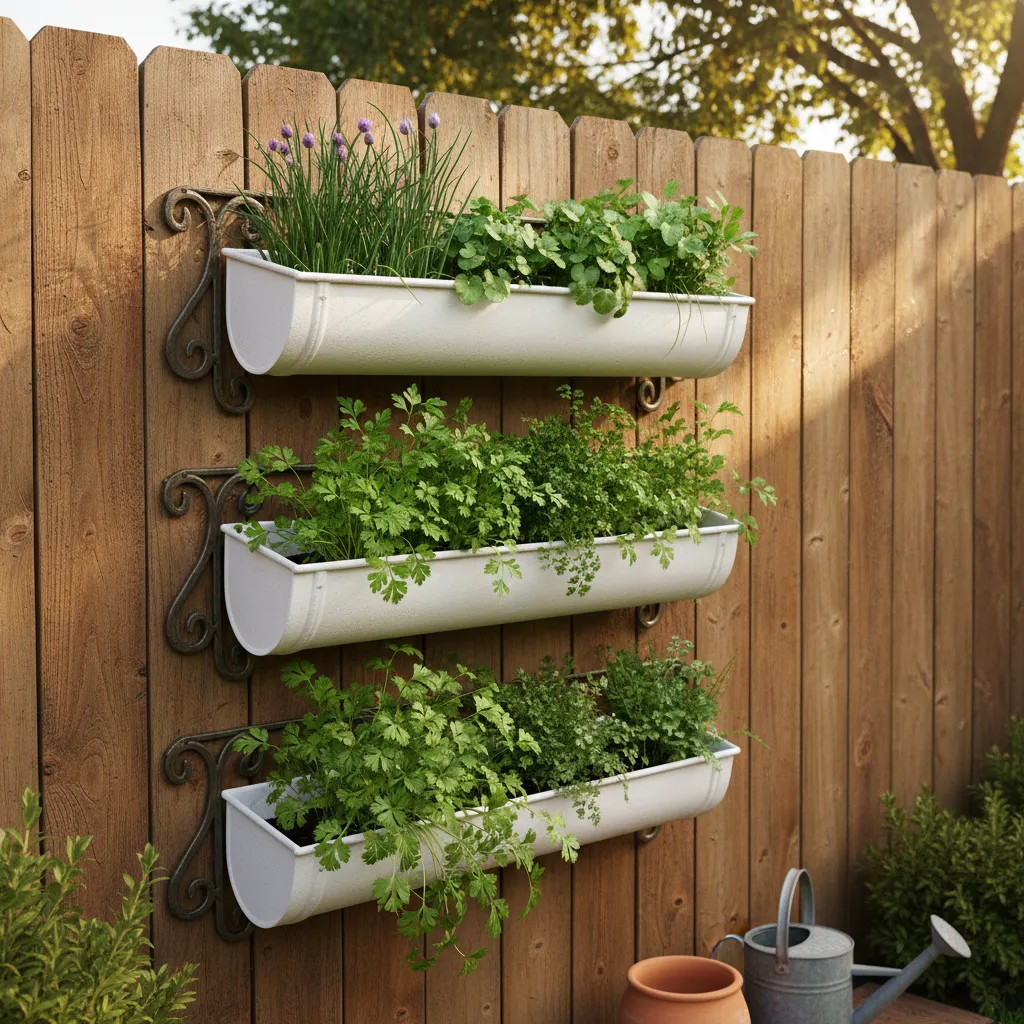
Install sections of rain gutters on a wall or fence to create long, linear planting troughs. This is an incredibly space-efficient method, perfect for growing rows of different herbs like parsley, chives, and oregano. Paint the gutters to match your home decor for a seamless look.
4. Pocket Wall Planters
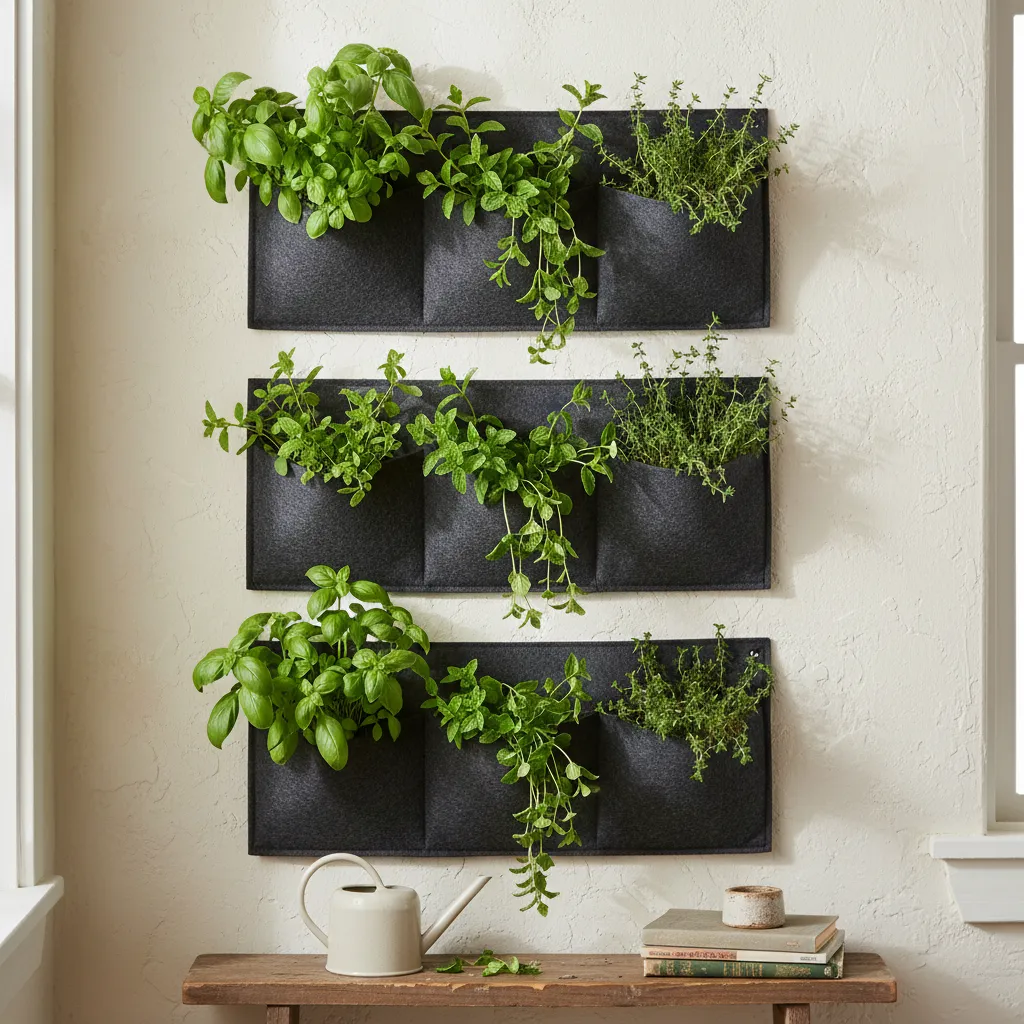
Fabric pocket planters, often made from felt, are a lightweight and easy-to-install option. These are great for indoor walls where you want to avoid heavy fixtures. They allow for good drainage and create a soft, textured look that complements a cozy aesthetic.
5. Tiered Plant Stand
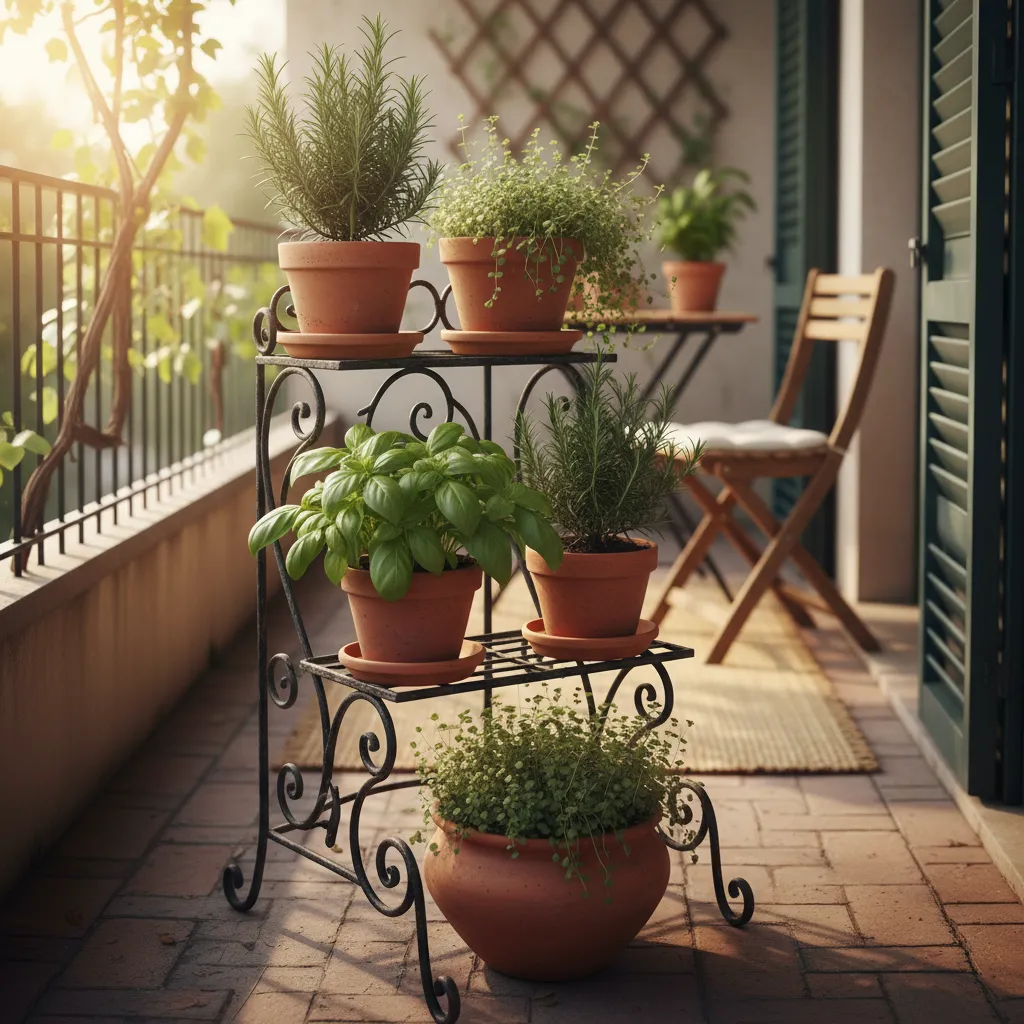
A classic tiered plant stand is a simple way to go vertical. Choose a style that matches your decor—from ornate wrought iron for a vintage feel to sleek metal for a modern vibe. This allows you to display a variety of herbs at different heights, creating visual interest. Some designs are even perfect for Office Plants That Actually Thrive in a home workspace.
Window & Ledge Ideas
A sunny window is prime real estate for an herb garden. Many culinary herbs, especially those of Mediterranean origin, love bathing in direct sunlight.
6. Classic Windowsill Pots
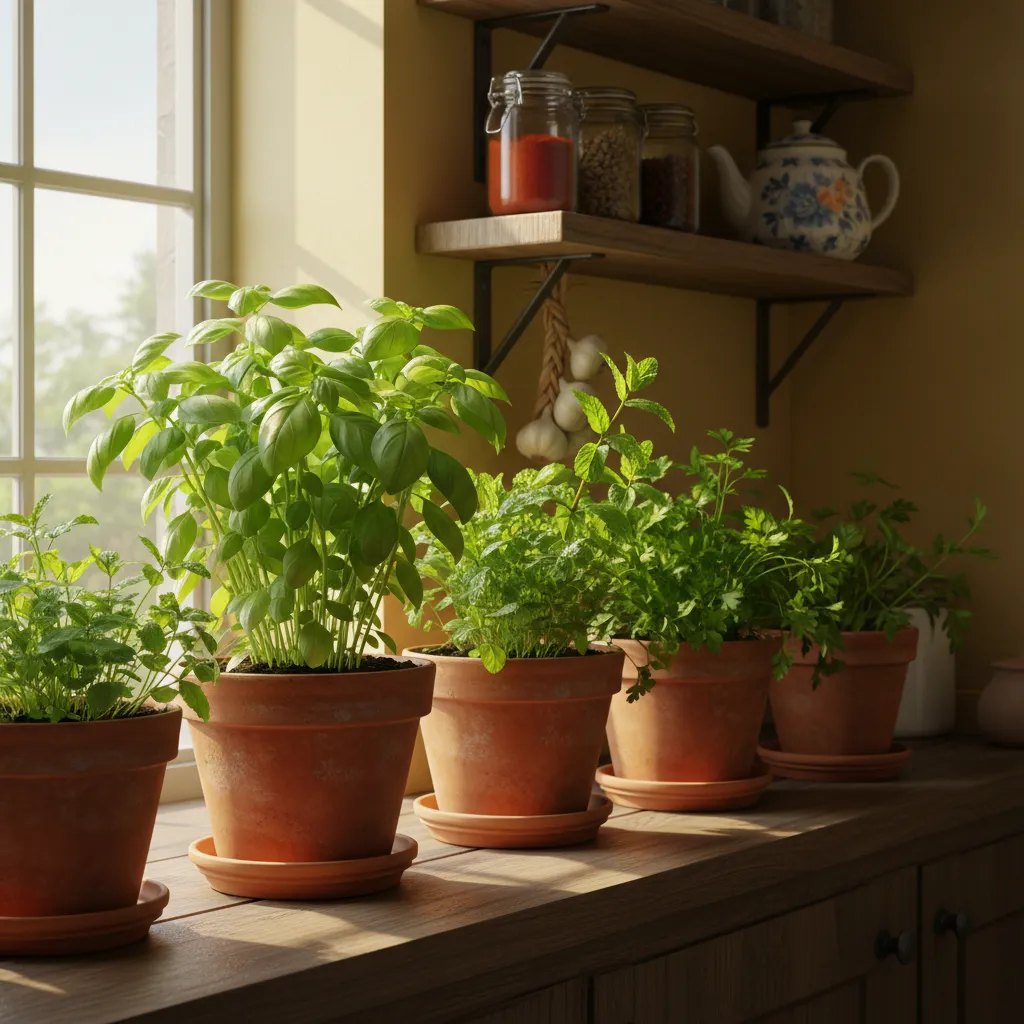
The simplest method is often the best. A collection of terracotta, ceramic, or colorful pots lined up on a sunny kitchen windowsill is both practical and picturesque. You can have fresh basil or mint right at your fingertips while you cook.
7. Mason Jar Window Garden
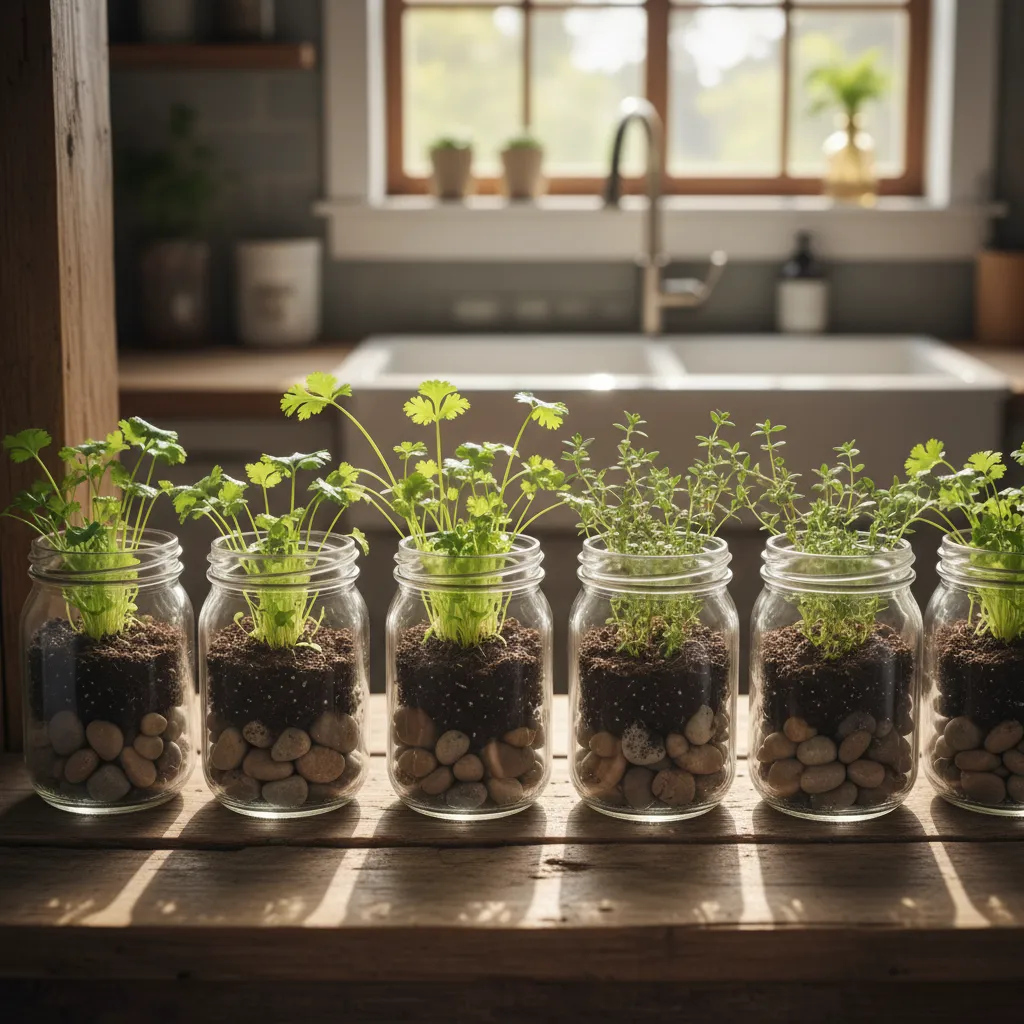
For a rustic, charming look, grow your herbs in mason jars. You can line them up on the sill or create a hanging display by securing the jars to a piece of wood mounted across the window. Just be sure to add a layer of pebbles at the bottom for drainage.
8. Window Box Abundance
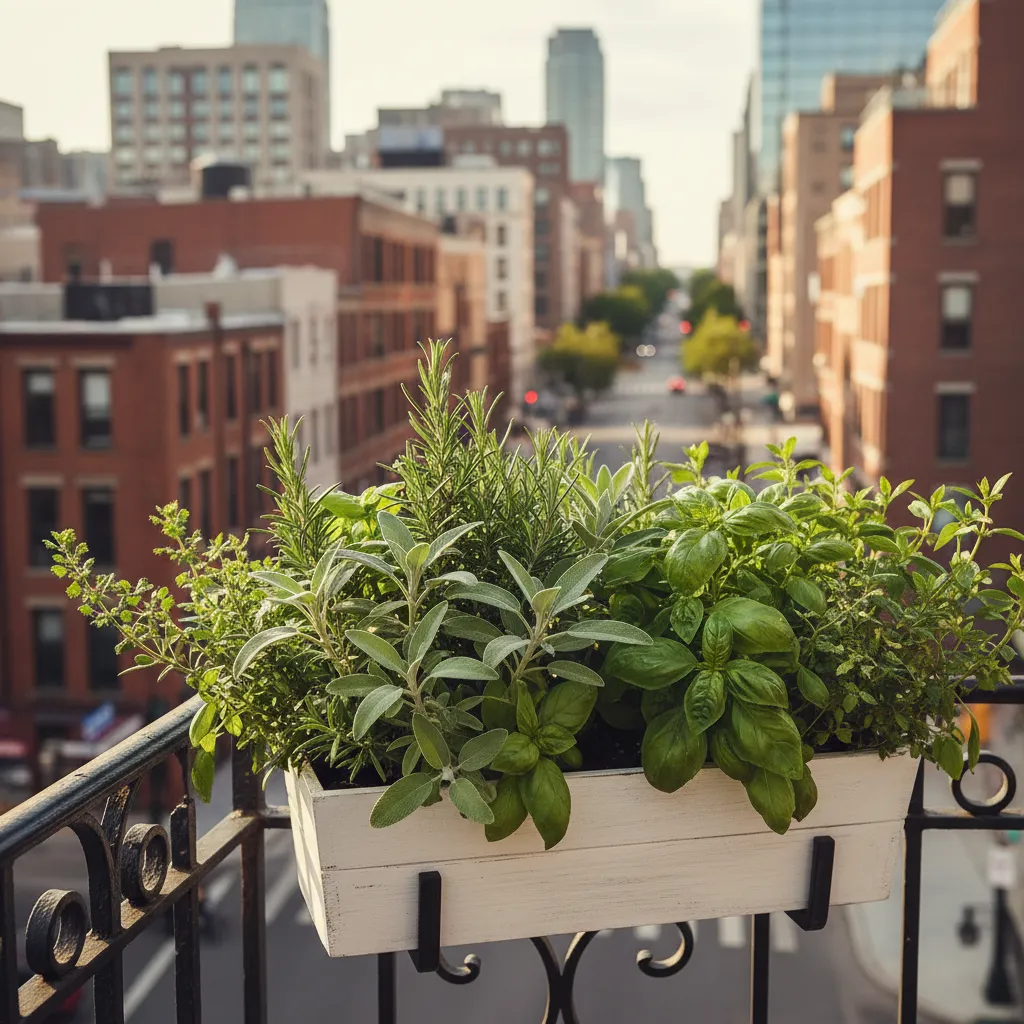
A window box mounted on the exterior of your window or balcony railing can hold a surprising number of plants. This is an excellent way to grow larger herbs like rosemary and sage, and it adds instant curb appeal to your home’s exterior.
9. Suction Cup Window Shelves
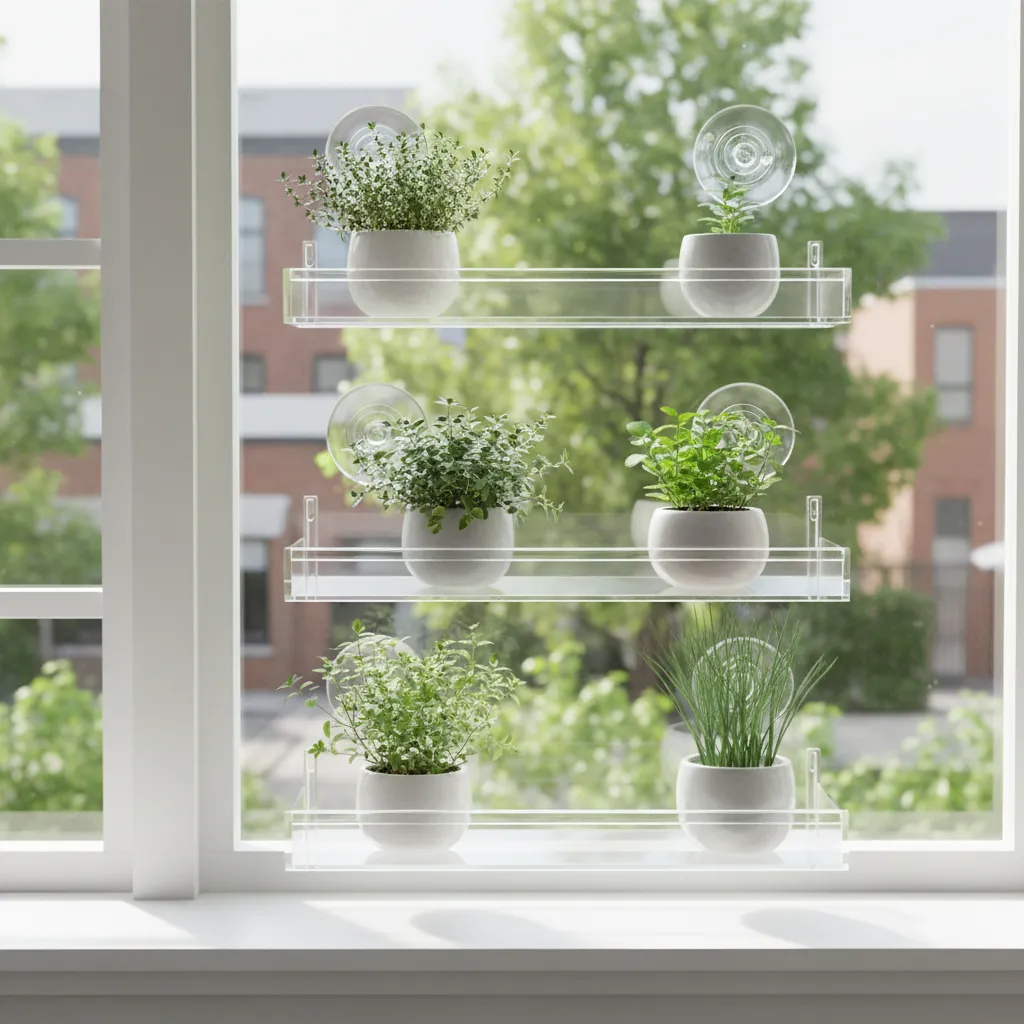
If your windowsill is too narrow, consider using clear acrylic shelves that attach directly to the windowpane with strong suction cups. This clever solution gives your herbs maximum light exposure and creates a beautiful “floating” effect.
Hanging Herb Garden Decor Ideas
Free up your surfaces completely by suspending your herb garden from above. Hanging planters add a dynamic, whimsical element to your home decor.
10. Macrame Plant Hangers
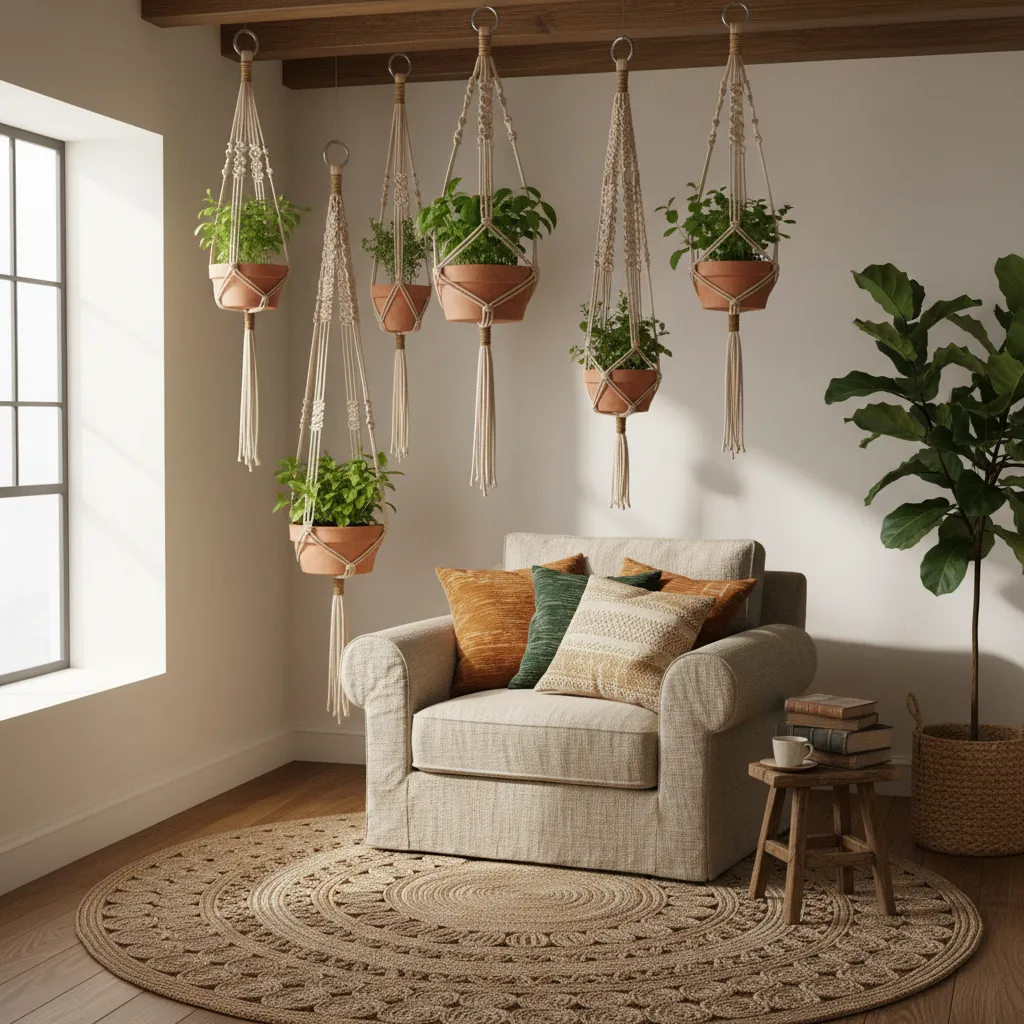
Embrace a bohemian vibe with macrame hangers. They add texture and artistry to your space, turning a simple potted herb into a decorative feature. Group several at varying lengths for a stunning display. This look pairs wonderfully with the ideas found in Best Hippie Gardens.
11. Upside-Down Herb Planters
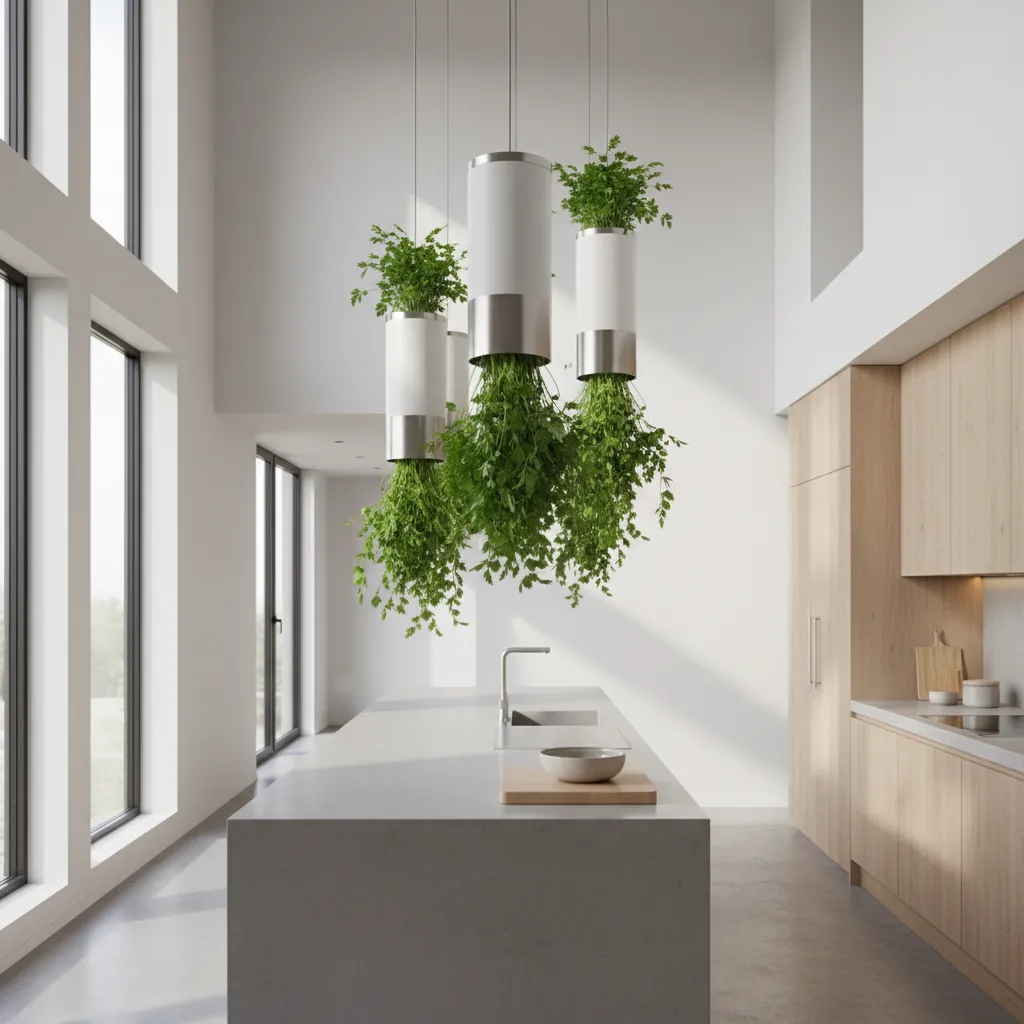
Specialized planters allow you to grow herbs like tomatoes and parsley upside down. This is a unique, conversation-starting solution that saves space and can make watering easier.
12. Repurposed Hanging Colanders
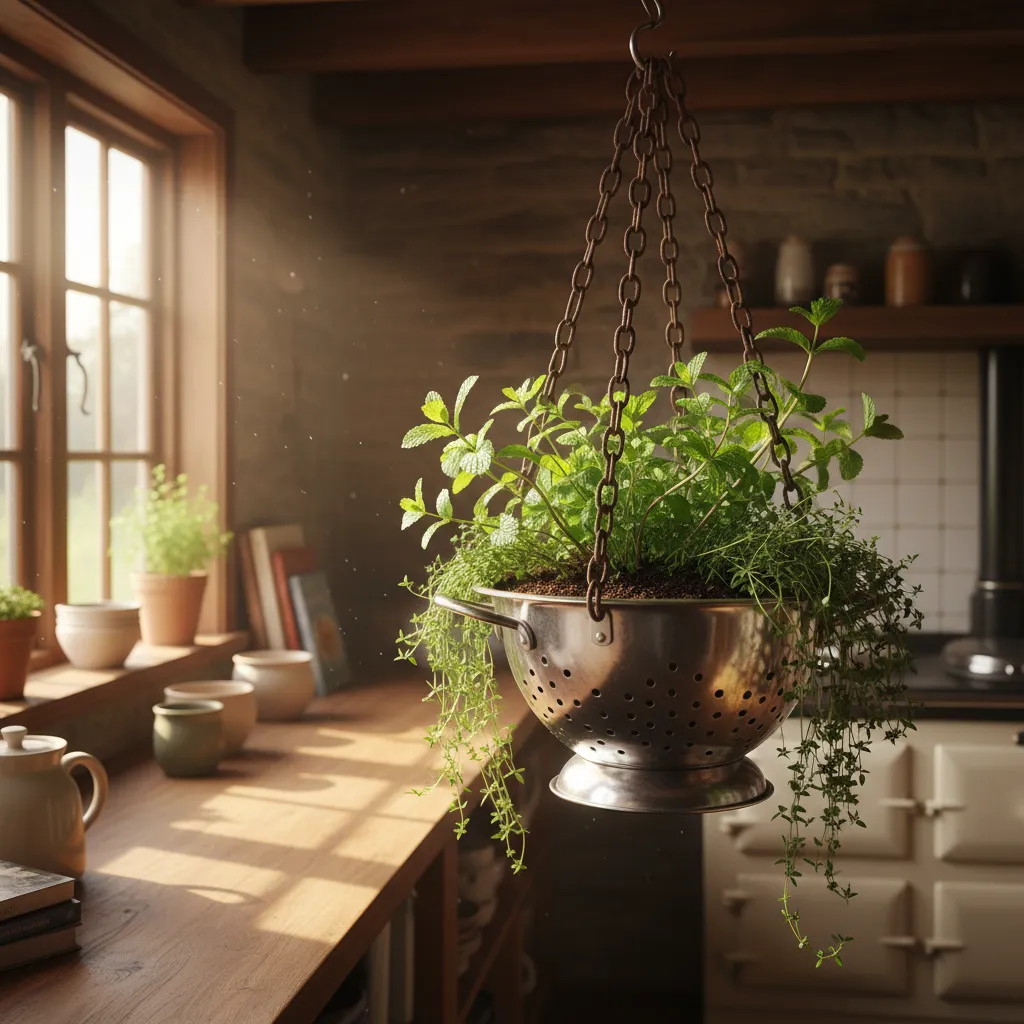
A metal colander makes an excellent and quirky hanging basket. Its built-in drainage holes are perfect for plants. Simply line it with a bit of moss or a coffee filter to hold the soil, and plant your herbs. Hang it in the kitchen for a fun, culinary-themed look.
13. DIY Hanging Herb Rack
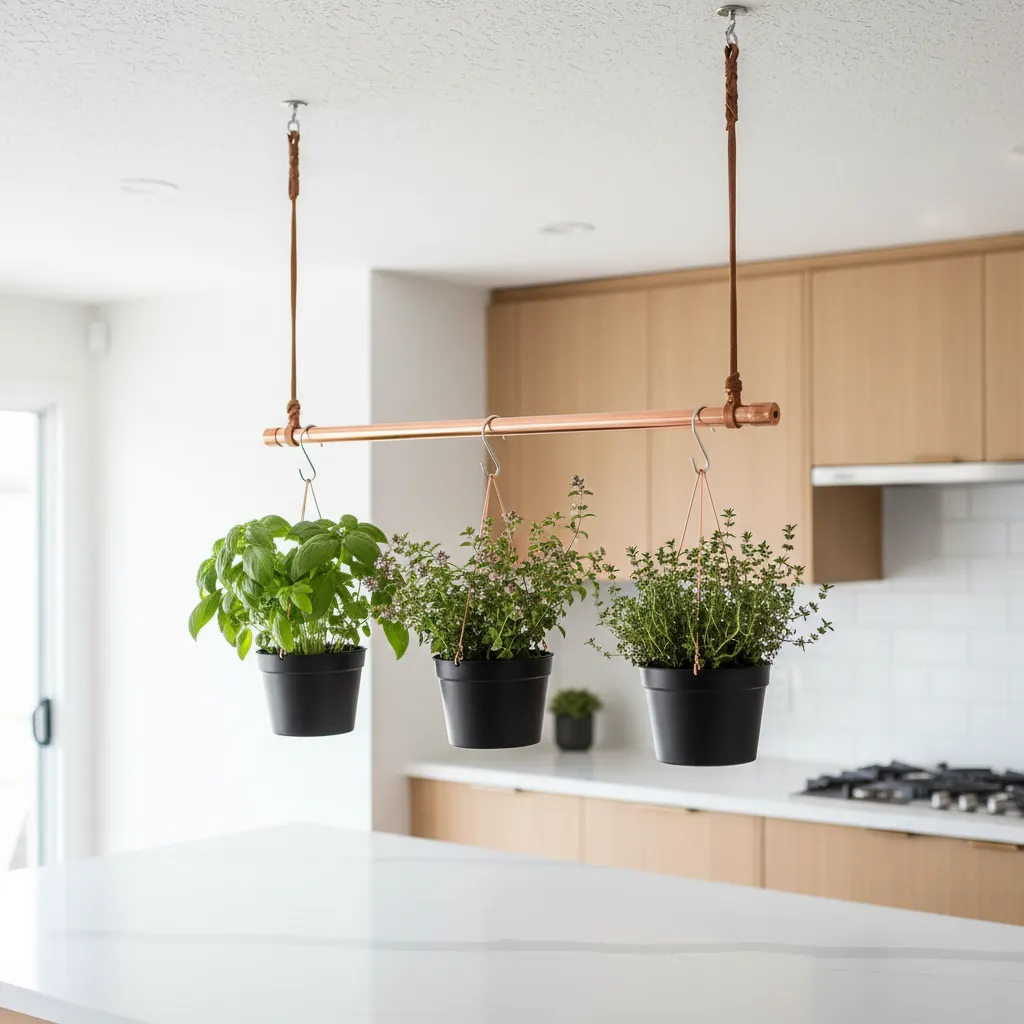
Create a custom hanging garden by mounting a curtain rod or a copper pipe from the ceiling. Use S-hooks to hang small pots or pails, each containing a different herb. This is a stylish and organized way to display your collection.
Container & Countertop Ideas
If you have a bit of counter, shelf, or balcony floor space, containers offer endless possibilities for creative herb garden decor ideas.
14. A Trio of Tins
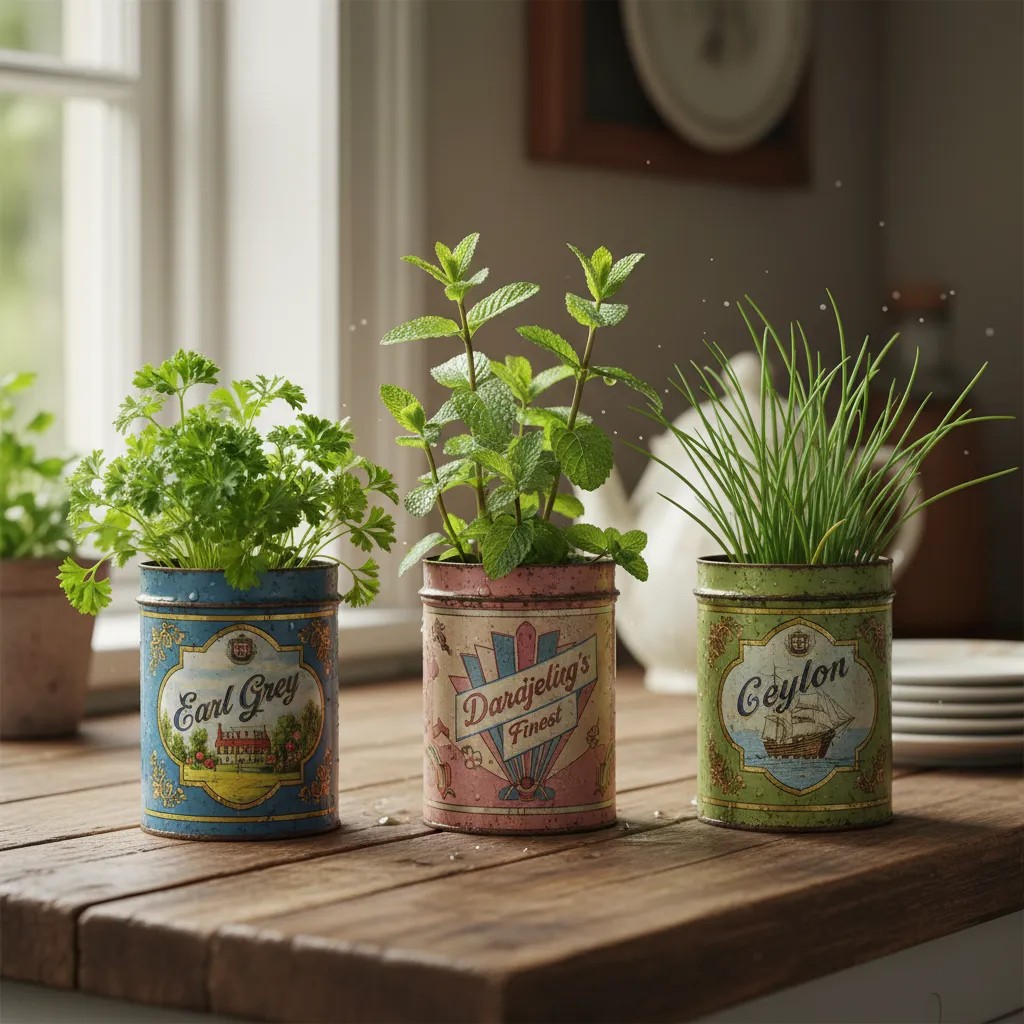
Repurpose old tea tins or coffee cans into charming herb planters. Their vintage labels and designs add a pop of color and personality to your kitchen counter. Just remember to punch a few drainage holes in the bottom.
15. The Rolling Herb Cart
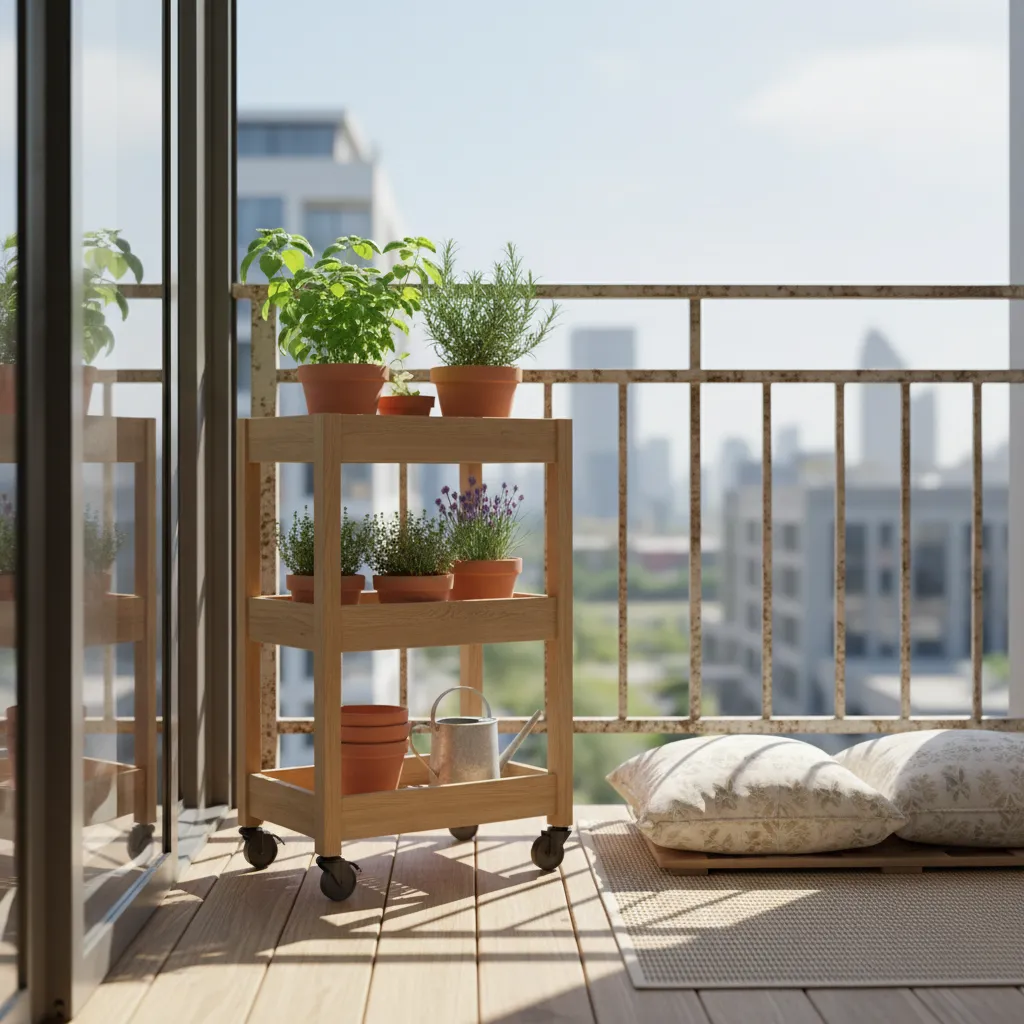
Use a small bar cart or utility cart to create a mobile herb garden. You can easily roll it to a sunny spot during the day or move it out of the way when you need more space. The extra shelves are perfect for storing gardening tools and watering cans. These are excellent Weekend Garden Projects for Your Home Decor.
16. Stacked Planters
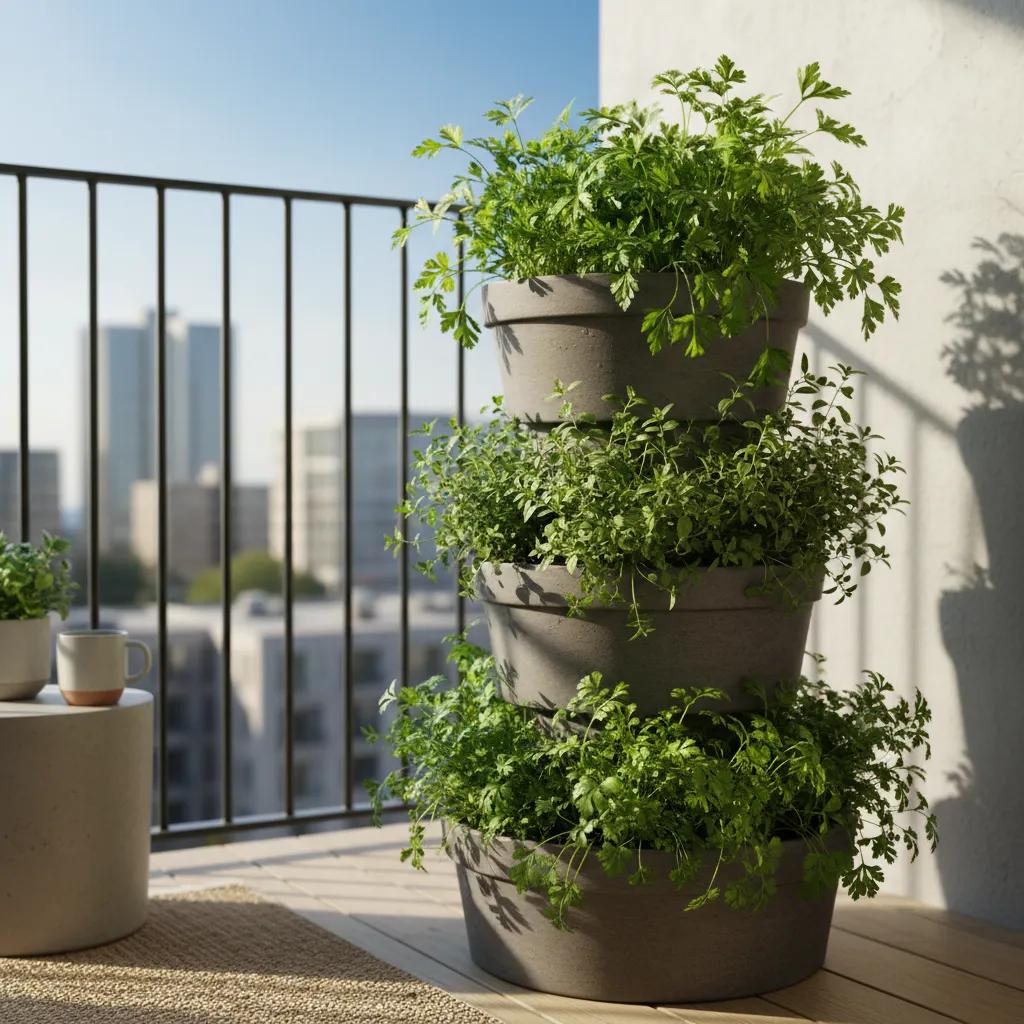
Stacked planters are designed to create a tower of herbs, making them ideal for a balcony corner or patio. They are incredibly space-efficient, allowing you to grow a large variety in a very small footprint.
17. Thematic Herb Collections
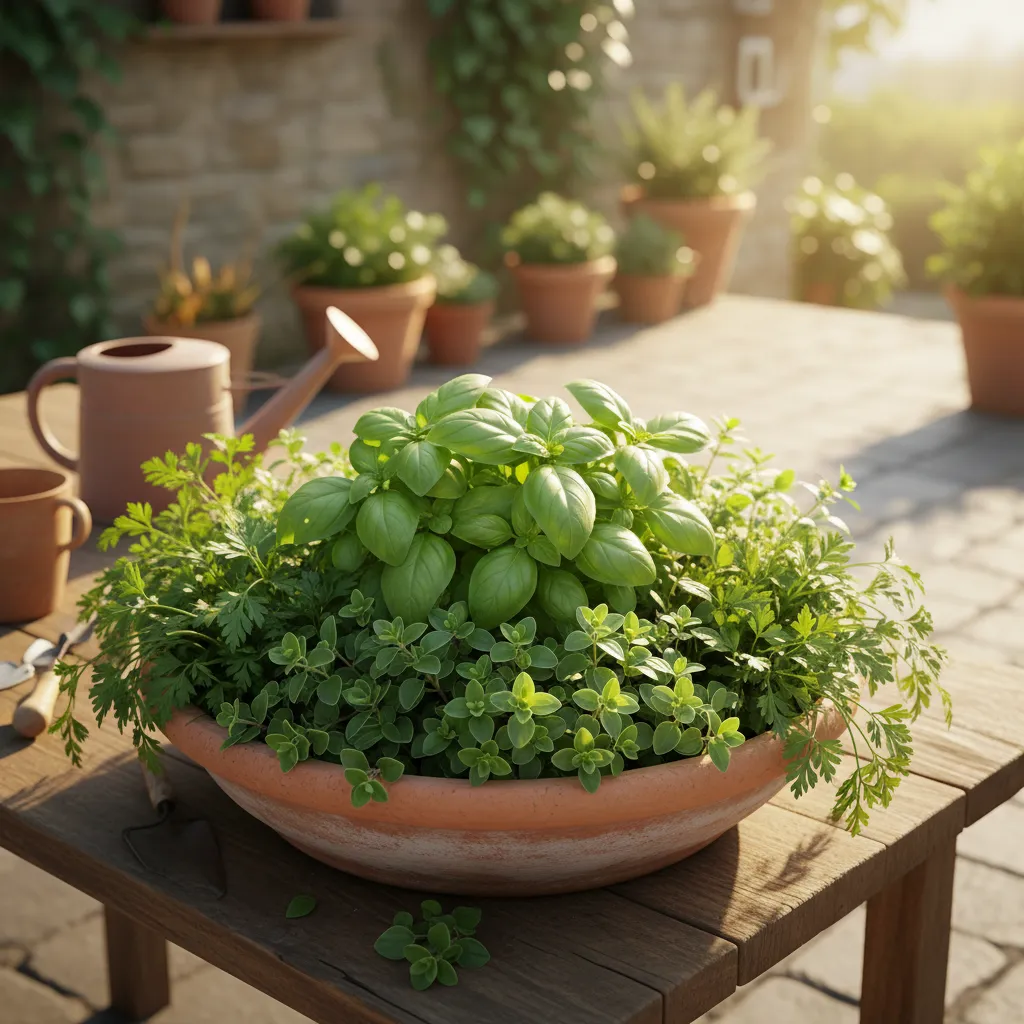
Group herbs by theme in a larger planter or a cluster of pots. Create an “Italian” pot with basil, oregano, and parsley, or a “Tea” garden with mint, lemon balm, and chamomile. This is both a functional and an educational home decor idea.
18. Wooden Crate Garden
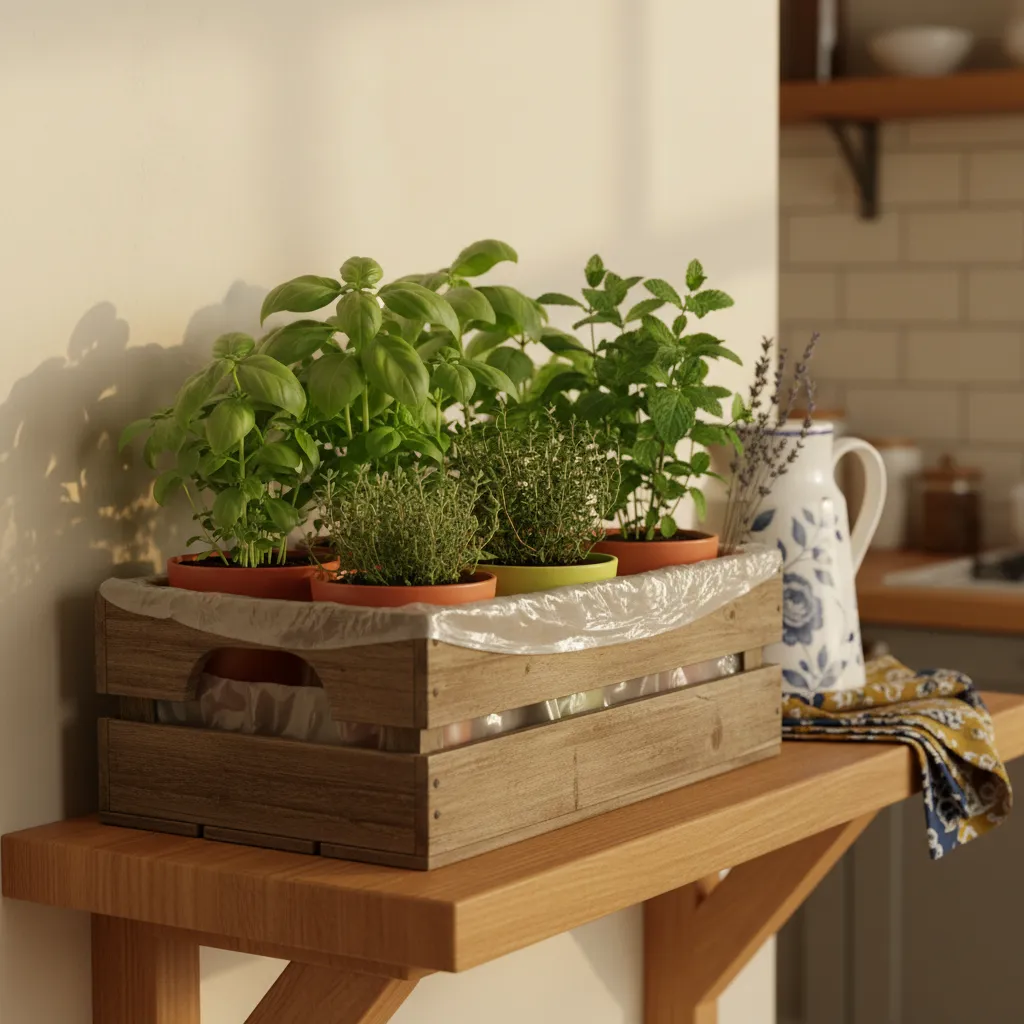
A rustic wooden crate can house several small herb pots, creating a contained and transportable garden. Line the crate with plastic to protect the wood and place it on a low shelf or on the floor for a casual, farmhouse feel.
19. Ladder Garden
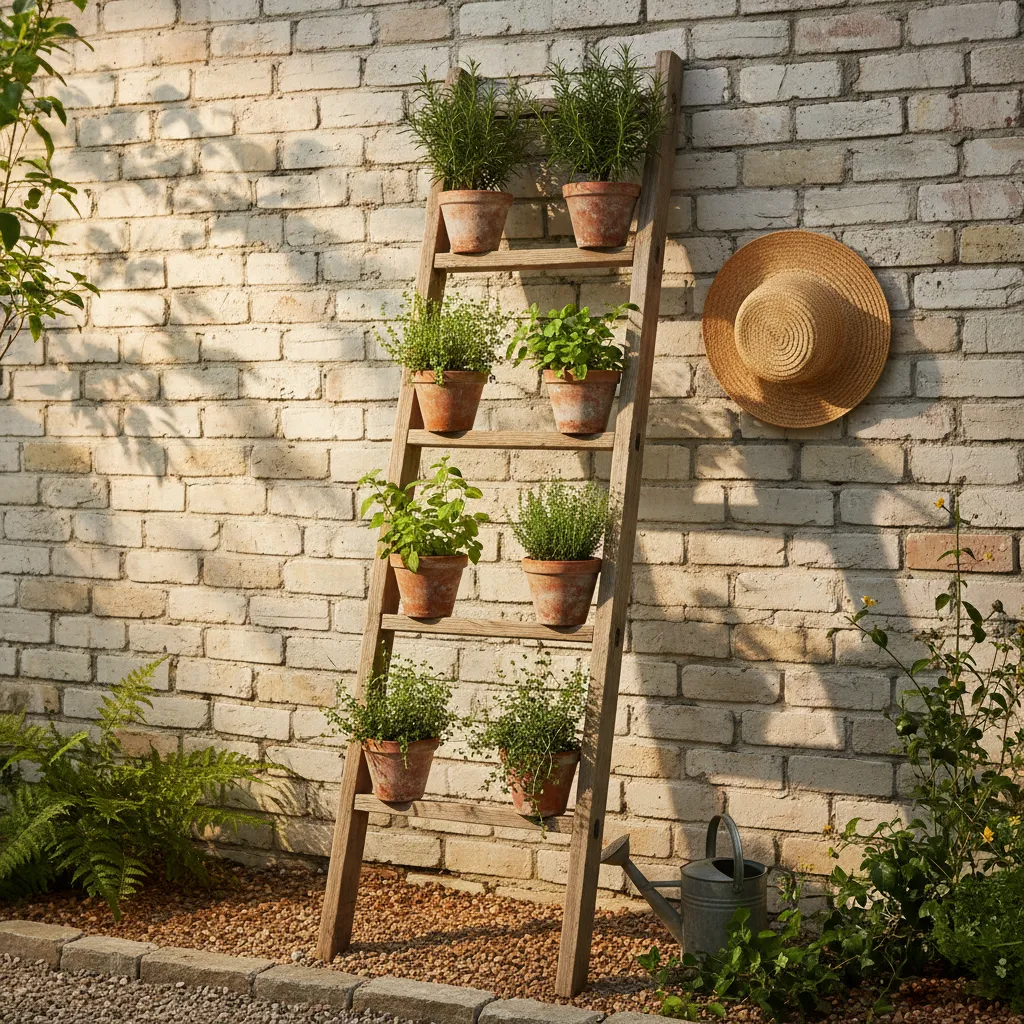
Lean a decorative ladder against a wall and place a pot on each rung. This is a stylish and non-permanent way to add vertical interest and is one of the most flexible Inspiring Layout Ideas for a Small Garden.
20. Self-Watering Planters
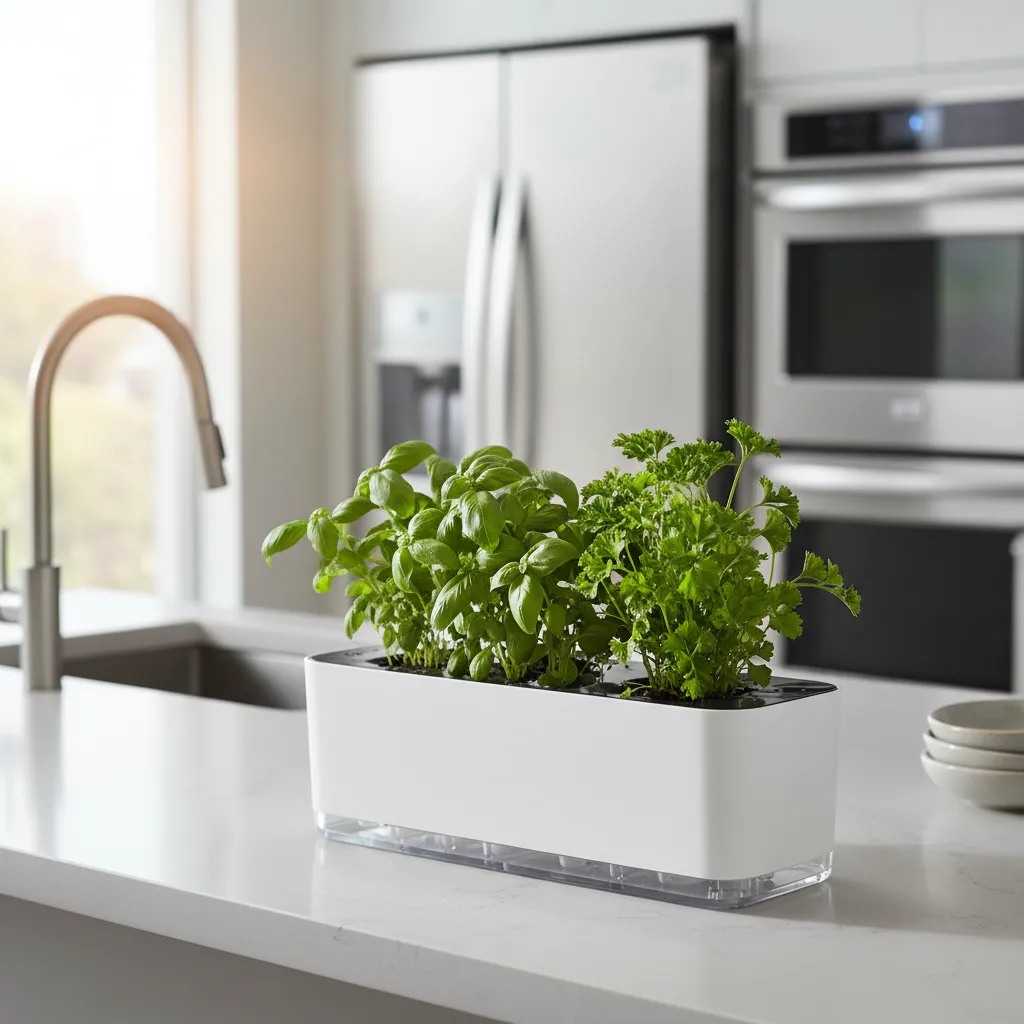
For those who are busy or a bit forgetful, self-watering planters are a game-changer. These smart pots have a built-in reservoir that provides your herbs with a steady supply of moisture, taking the guesswork out of watering and ensuring your plants stay healthy. They come in many sleek, modern designs that fit right in with contemporary home decor. You can even find similar concepts in Creative Flower Garden Ideas for Small Backyards.
Conclusion
Creating a beautiful and productive herb garden in a small space is not only possible but also incredibly rewarding. From vertical wall displays to charming windowsill pots, there are countless decor ideas to bring the freshness of a garden into your home. By choosing the right solution for your space and style, you can cultivate a source of fresh flavors that doubles as a stunning piece of living home decor. Start small, pick a few of your favorite herbs, and watch your space—and your meals—come to life.
Frequently Asked Questions (FAQs)
What are the easiest herbs to grow indoors for beginners?
For beginners, it’s best to start with hardy and forgiving herbs. Mint, chives, parsley, oregano, and thyme are all excellent choices. They are relatively low-maintenance and can tolerate a range of conditions, making them perfect for your first indoor garden.
How much sun do my herbs need?
Most culinary herbs thrive with at least 6 hours of direct sunlight per day. A south-facing window is ideal. If you don’t have enough natural light, you can supplement with a grow light to keep your plants happy and productive.
How often should I water my indoor herb garden?
Watering needs vary by herb, pot size, and humidity. A good rule of thumb is to check the soil every few days. Water thoroughly when the top inch of soil feels dry to the touch. Be careful not to overwater, as this can lead to root rot. Good drainage is key.
Can I grow herbs from seeds, or should I buy plants?
You can do either! Growing from seed is very rewarding and cost-effective, but it takes more time and patience. Buying small starter plants from a nursery gives you a head start and instant gratification. For beginners, starting with plants is often the easier route.
How do I harvest my herbs without killing the plant?
Harvest regularly to encourage bushy growth. For leafy herbs like basil and mint, pinch off the top sets of leaves right above a leaf node. For herbs like rosemary and thyme, you can snip off sprigs as needed. Never remove more than one-third of the plant at one time to ensure it continues to thrive.