Hidden Design Secrets Professional Stylists Swear By
Have you ever walked into a room that just feels right? Everything seems perfectly placed, the colors are harmonious, and the entire space exudes a sense of calm and intention. This isn’t an accident; it’s the work of design principles that professionals use every day. The good news is that these aren’t complex formulas but simple, effective tricks you can use to elevate your own home decor.
We’re pulling back the curtain on the styling secrets that can transform your space from ordinary to extraordinary. Forget feeling overwhelmed by design rules. These practical home decor ideas are all about creating a personal, beautiful, and functional environment. Let’s explore the simple hacks that will make you look at your home in a whole new light.
1. The Power of Odd Numbers
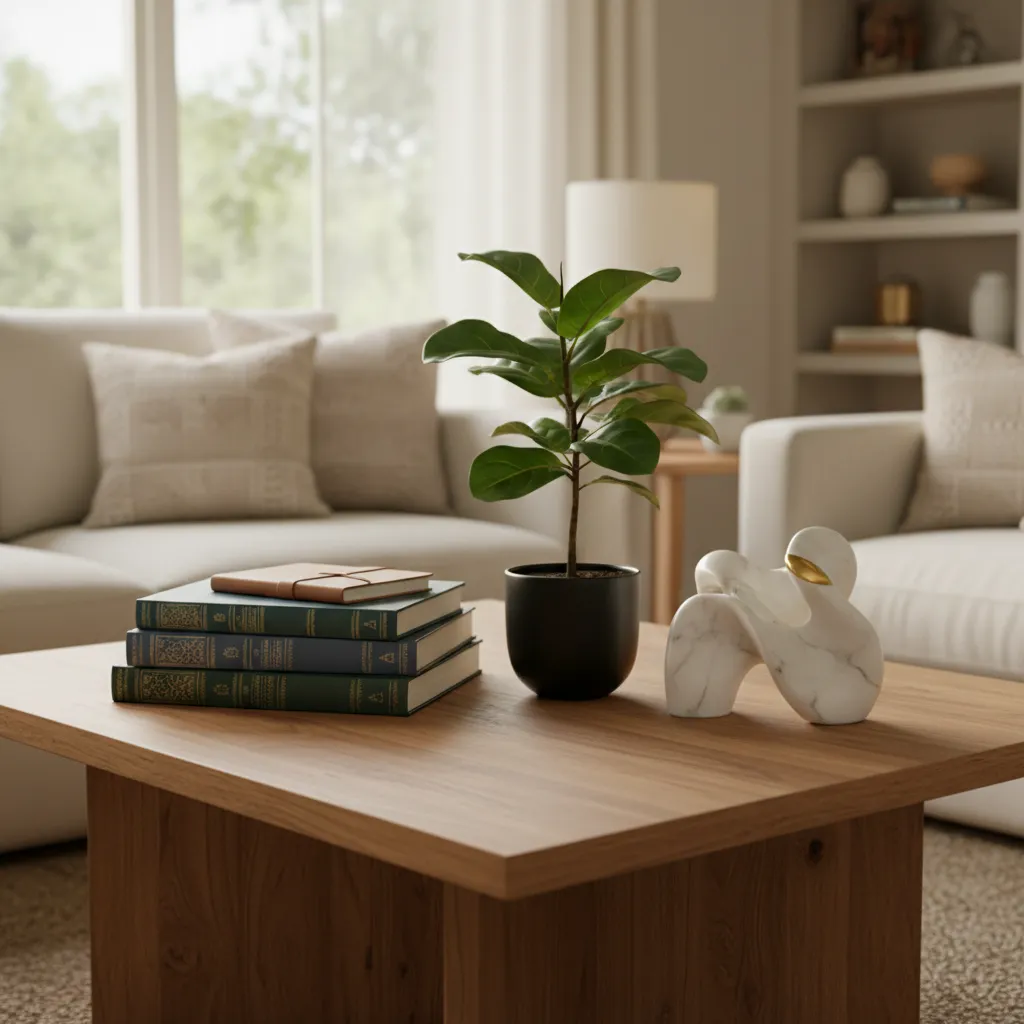
Grouping items in threes, fives, or sevens is a classic stylist’s trick. Why? Our brains find odd-numbered arrangements more dynamic and visually appealing than even-numbered ones. An even number of objects can feel static and formal, while an odd number creates a sense of movement and balance.
How to Use It:
- On a Coffee Table: Arrange a stack of books, a small plant, and a decorative object.
- On a Mantel: Group three candleholders of varying heights.
- On a Shelf: Style a small vase, a picture frame, and a unique sculpture.
2. Master the Art of Scale Control
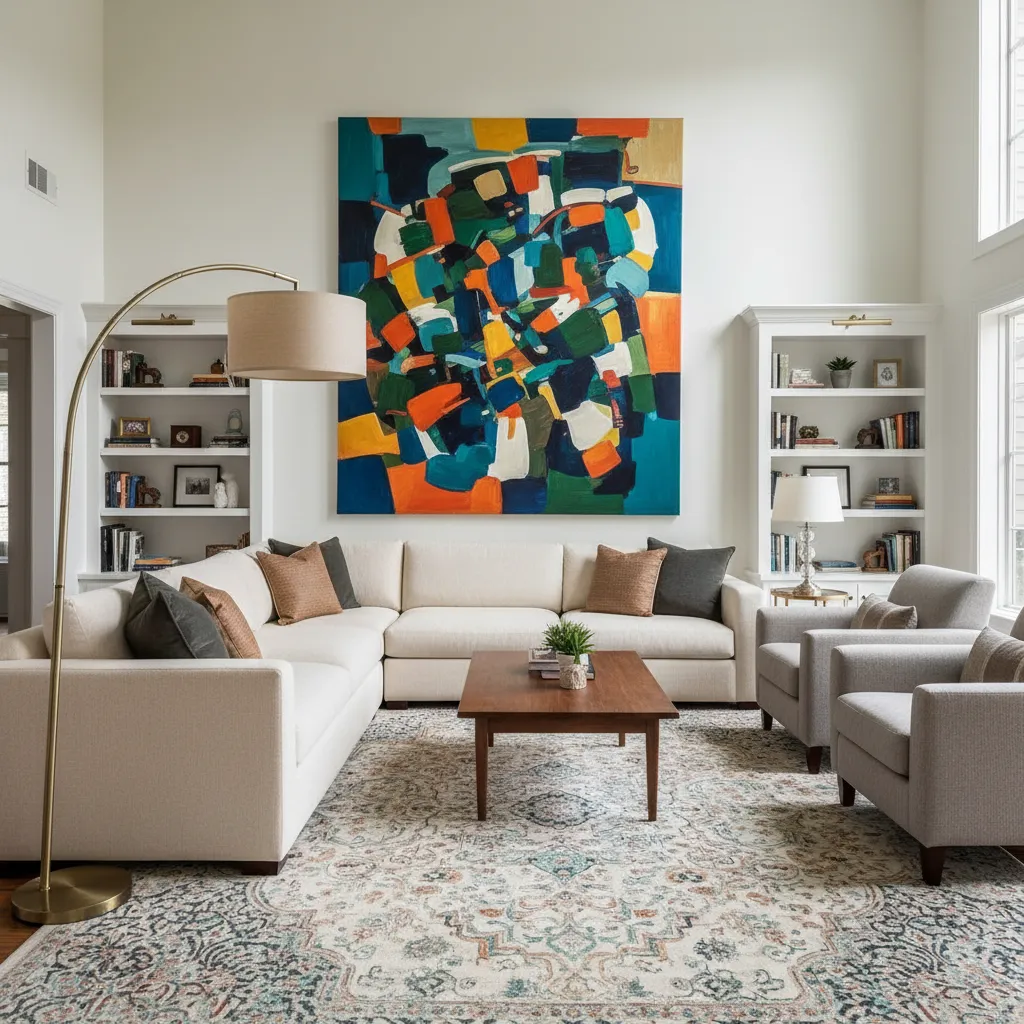
One of the most common decorating mistakes is using items that are too small for the space. A tiny rug in a large living room or a small piece of art on a vast wall can look lost and insignificant. Professionals understand that playing with scale creates drama and interest.
How to Use It:
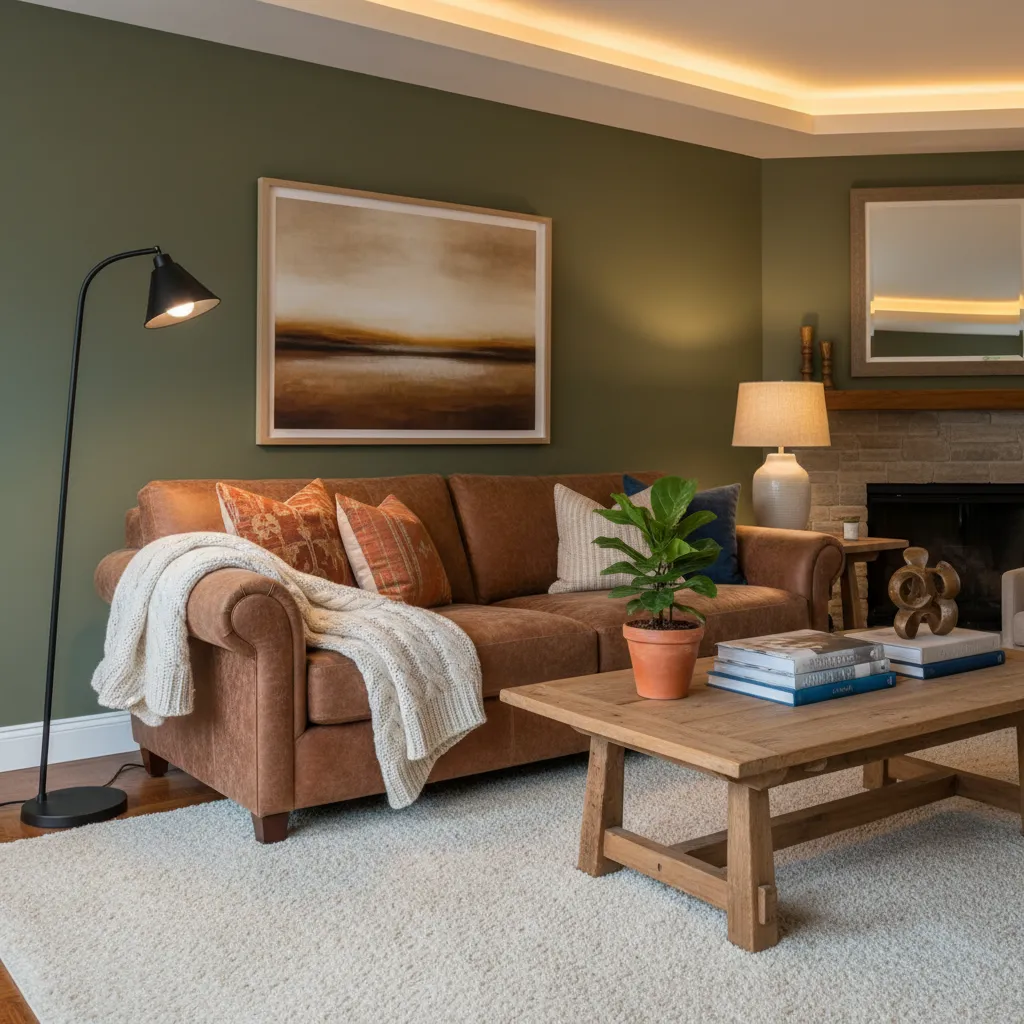
- Choose a large statement piece of art for your main wall.
- Opt for an oversized floor lamp next to a sofa.
- Select a rug that is large enough for the front legs of all your living room furniture to rest on.
3. The Mirror Symmetry Hack
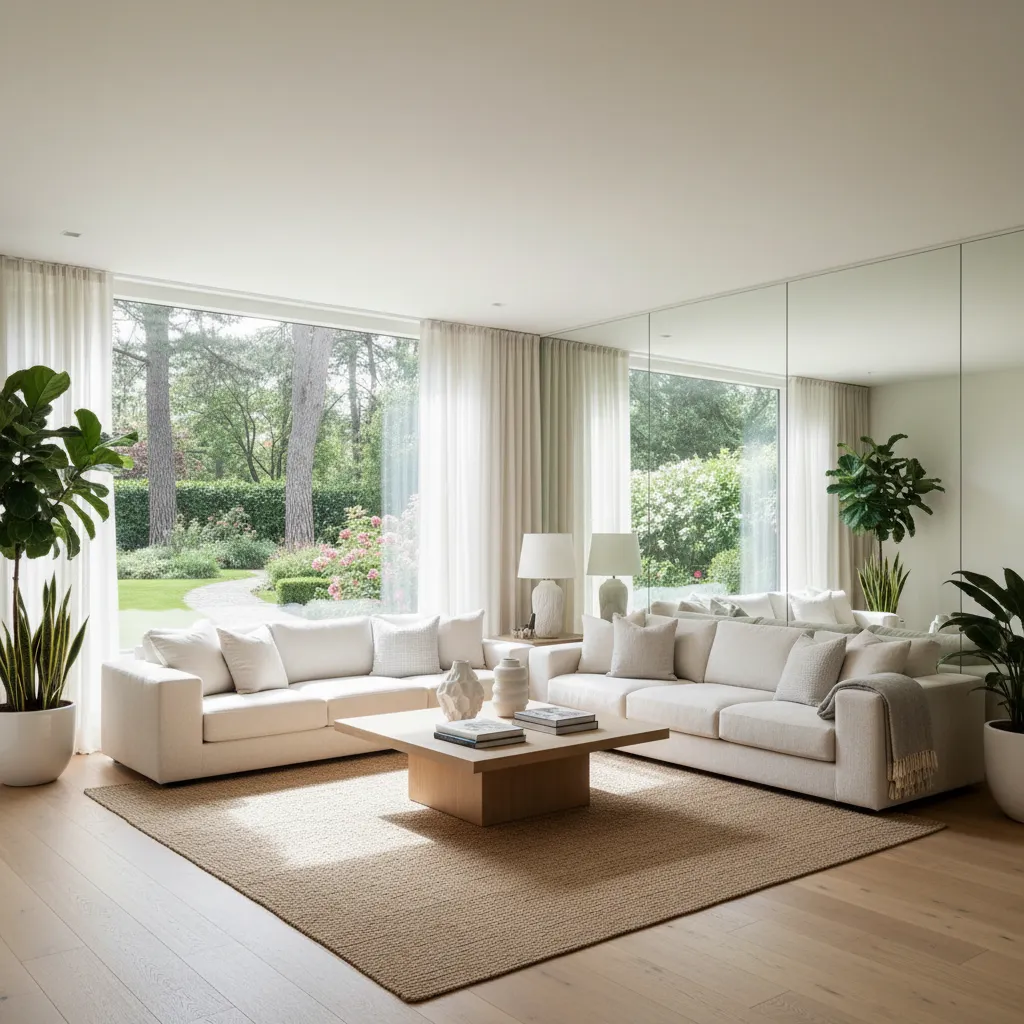
Mirrors are a decorator’s best friend. They bounce light around, making a room feel larger and brighter. A clever trick is to place a mirror directly opposite a window. This not only maximizes natural light but also reflects the outdoor view, essentially creating another “window” in your room.
How to Use It:
- Hang a large mirror across from your living room’s picture window.
- Place a floor mirror opposite the entry to a hallway to make it feel less narrow.
4. Vary Your Accent Heights
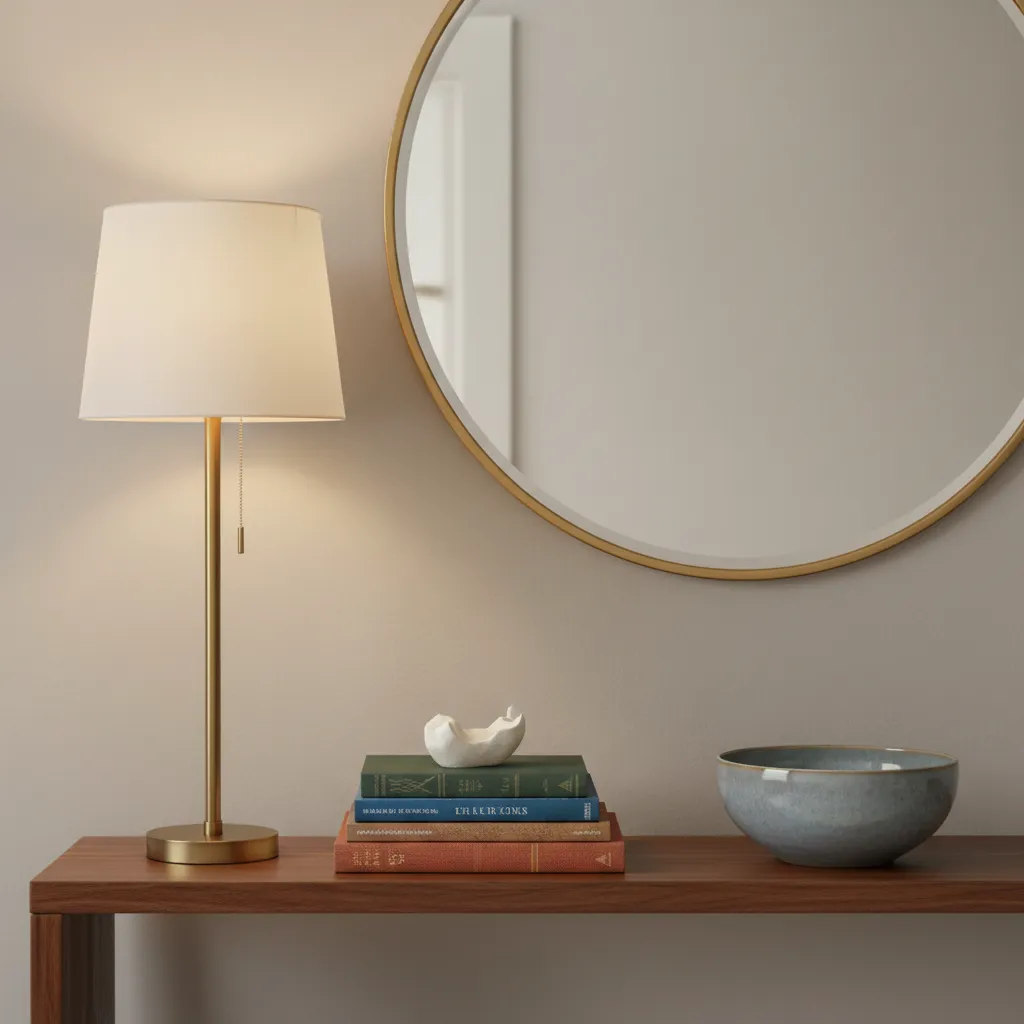
Creating visual interest is all about leading the eye around the room. If all your decor items are at the same level, the space can feel flat. By varying the height of your accents, you create a more engaging and layered look. This is a simple but powerful home decor tip.
How to Use It:
- On a console table, combine a tall table lamp, a medium-height stack of books, and a low decorative bowl.
- Use a mix of floor plants, table plants, and hanging plants to bring greenery in at different levels.
5. The 60-30-10 Color Rule
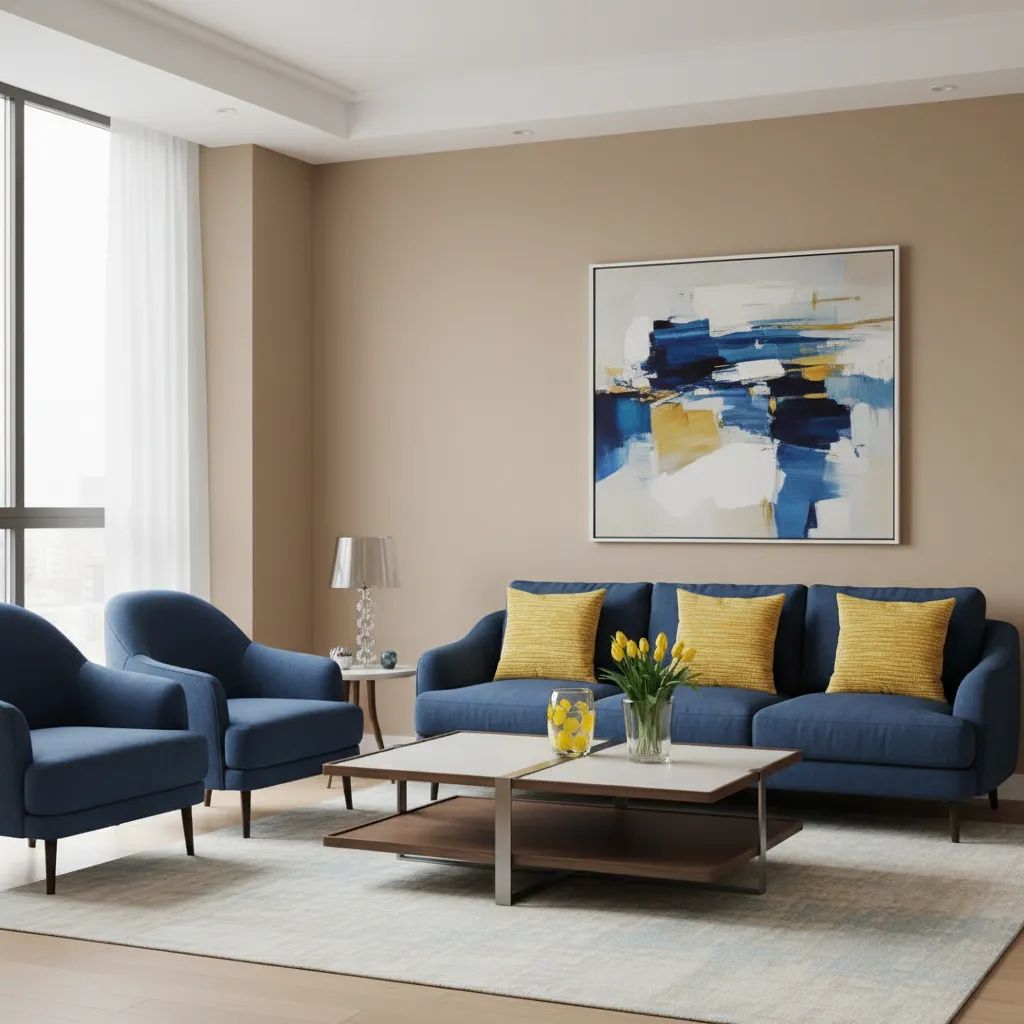
This is a time-tested formula for creating a balanced color palette. It makes choosing colors less intimidating and ensures a harmonious result.
- 60% Main Color: This is the dominant shade, often used for walls.
- 30% Secondary Color: This color supports the main one and is typically used for furniture, curtains, or an accent wall.
- 10% Accent Color: This is your pop of color, used for small decor items like pillows, throws, and artwork.
6. Create “Breathing Room”
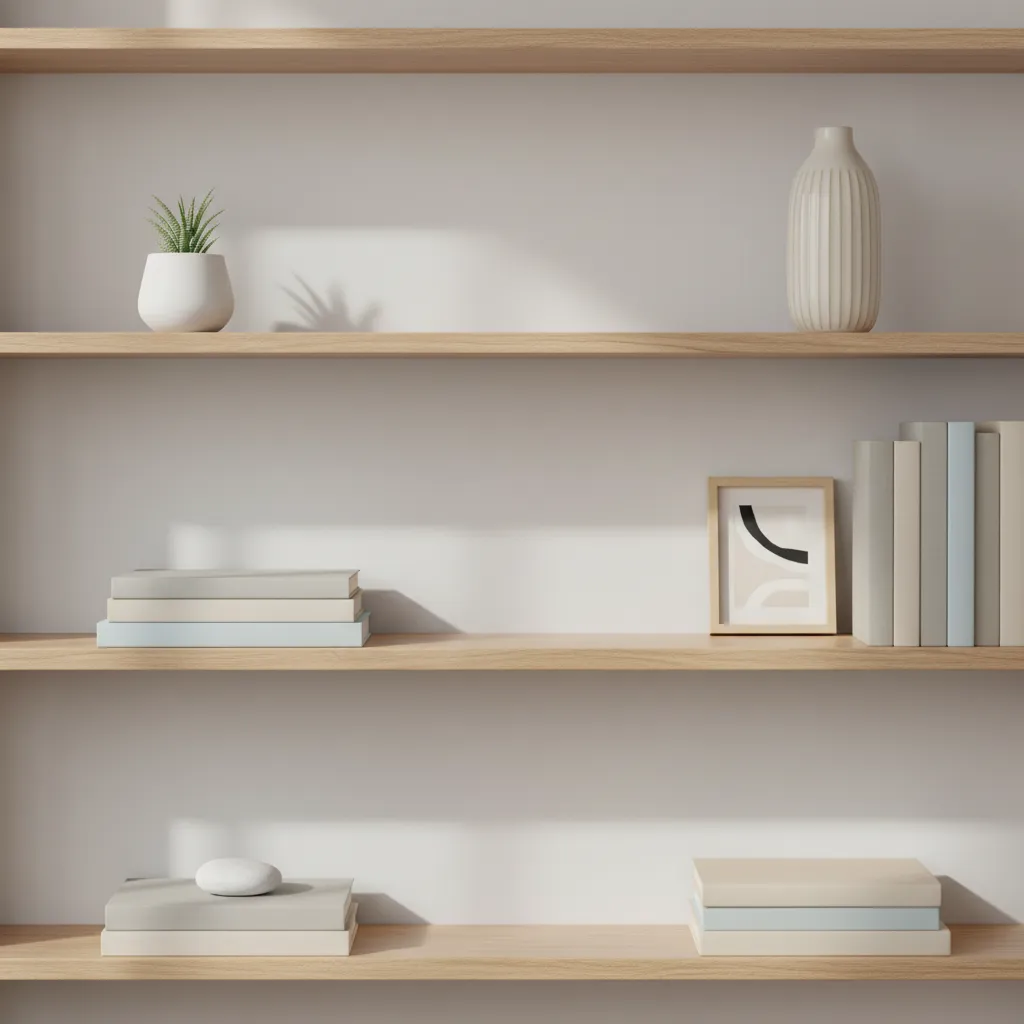
Negative space—the empty space around objects—is just as important as the objects themselves. Overcrowding a room with furniture and decor can make it feel chaotic and stressful. Stylists intentionally leave space to let key pieces shine and to create a sense of calm.
How to Use It:
- Don’t fill every inch of your bookshelves. Leave some empty space.
- Pull your sofa a few inches away from the wall.
- Ensure there are clear, uncluttered pathways through a room.
7. The Magic of a Tray
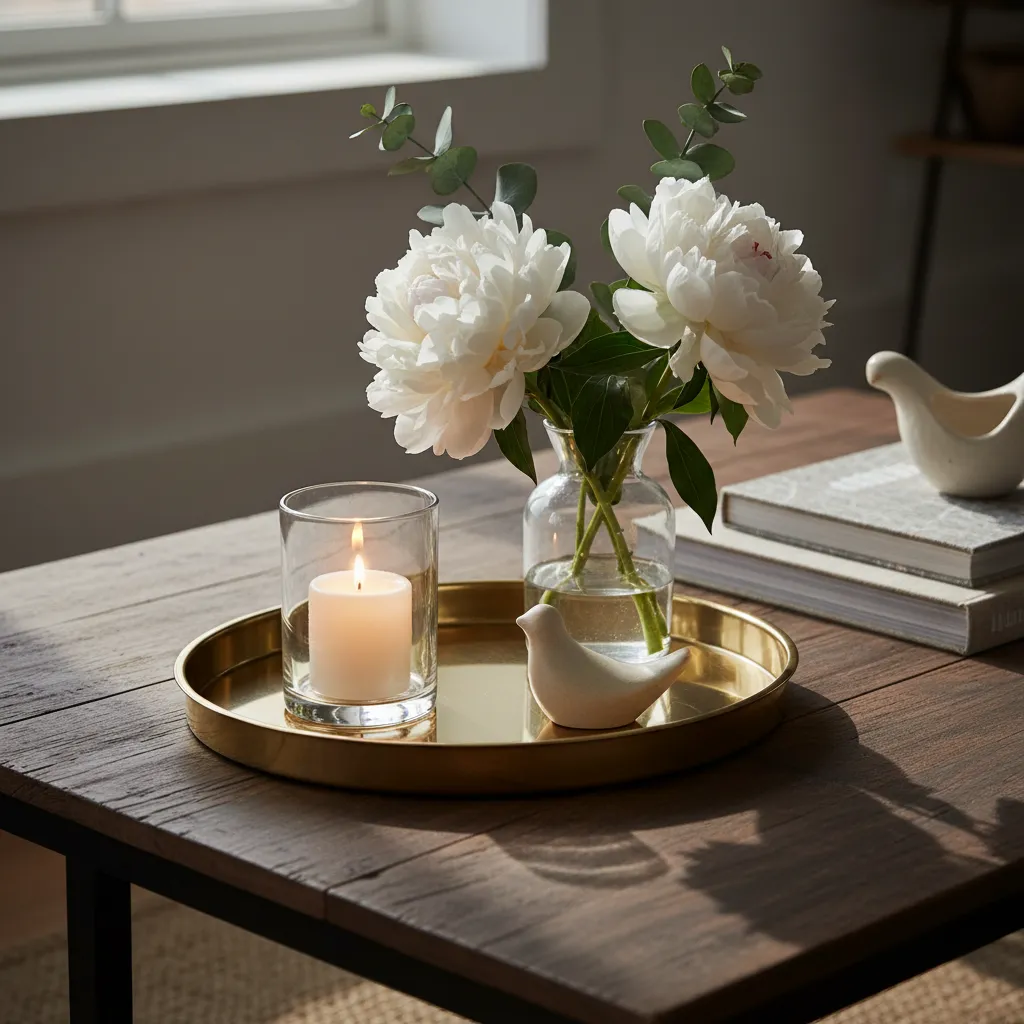
Trays are organizational heroes. They corral clutter and turn a collection of small items into a cohesive, intentional vignette. A tray can instantly make a coffee table, ottoman, or nightstand look more styled and polished.
How to Use It:
- Use a tray on your ottoman to hold remotes, a candle, and a small vase.
- Place a small, elegant tray on your bathroom counter for soaps and lotions.
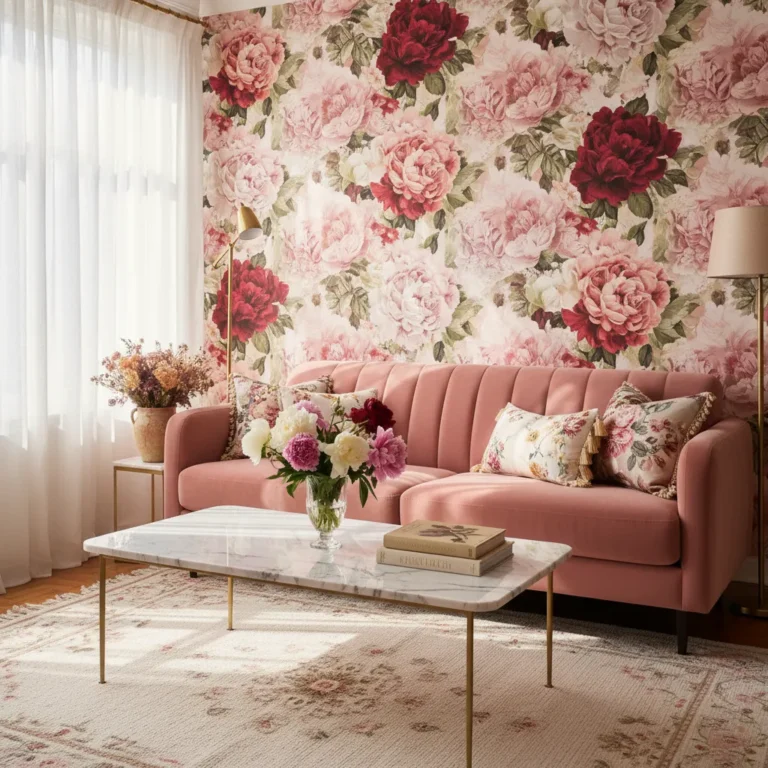
8. Mix Textures, Not Just Colors
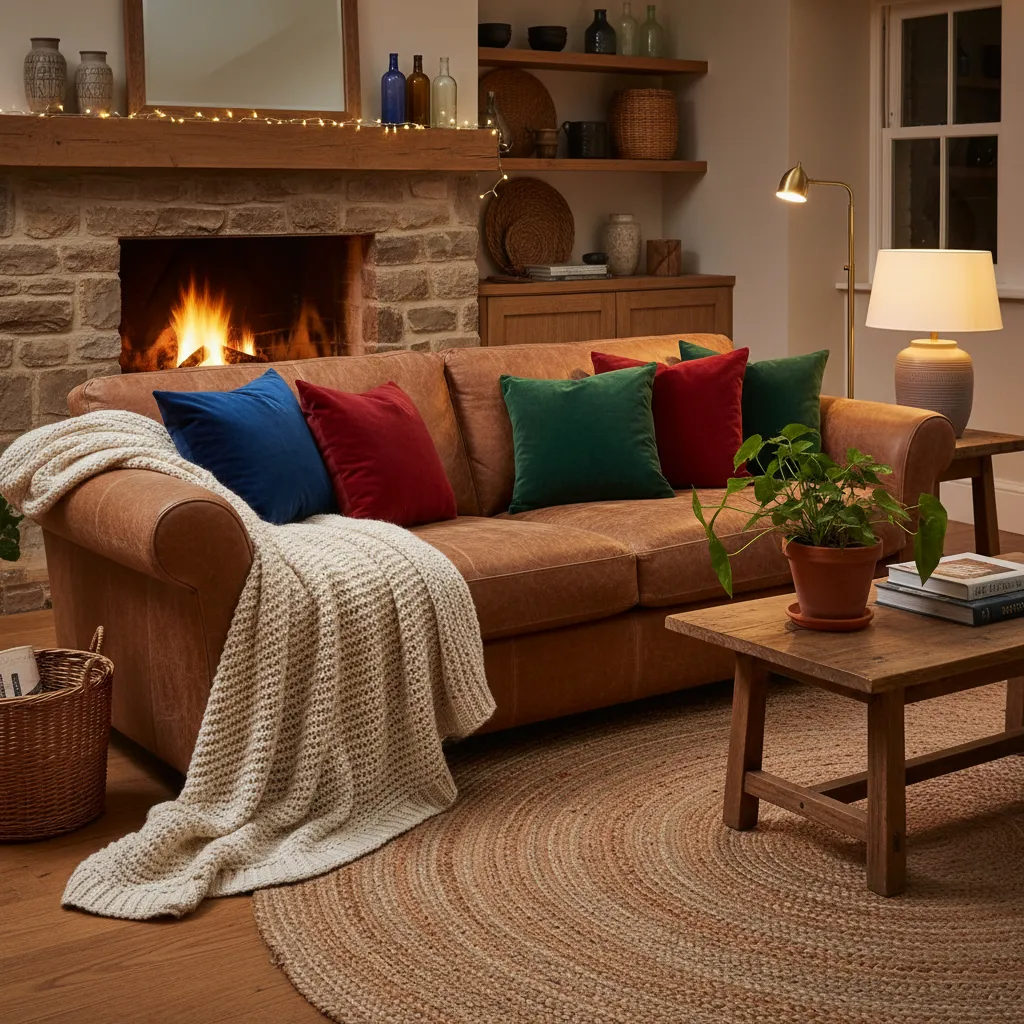
A room decorated in a single texture can feel flat and uninviting, even if the colors are beautiful. Professionals layer different textures to add depth, warmth, and sophistication. Think about how materials feel to the touch.
How to Use It:
- Combine a smooth leather sofa with a chunky knit throw, velvet pillows, and a jute rug.
- In the bedroom, mix crisp cotton sheets with a linen duvet and a faux fur blanket.
9. Anchor Your Room with a Rug
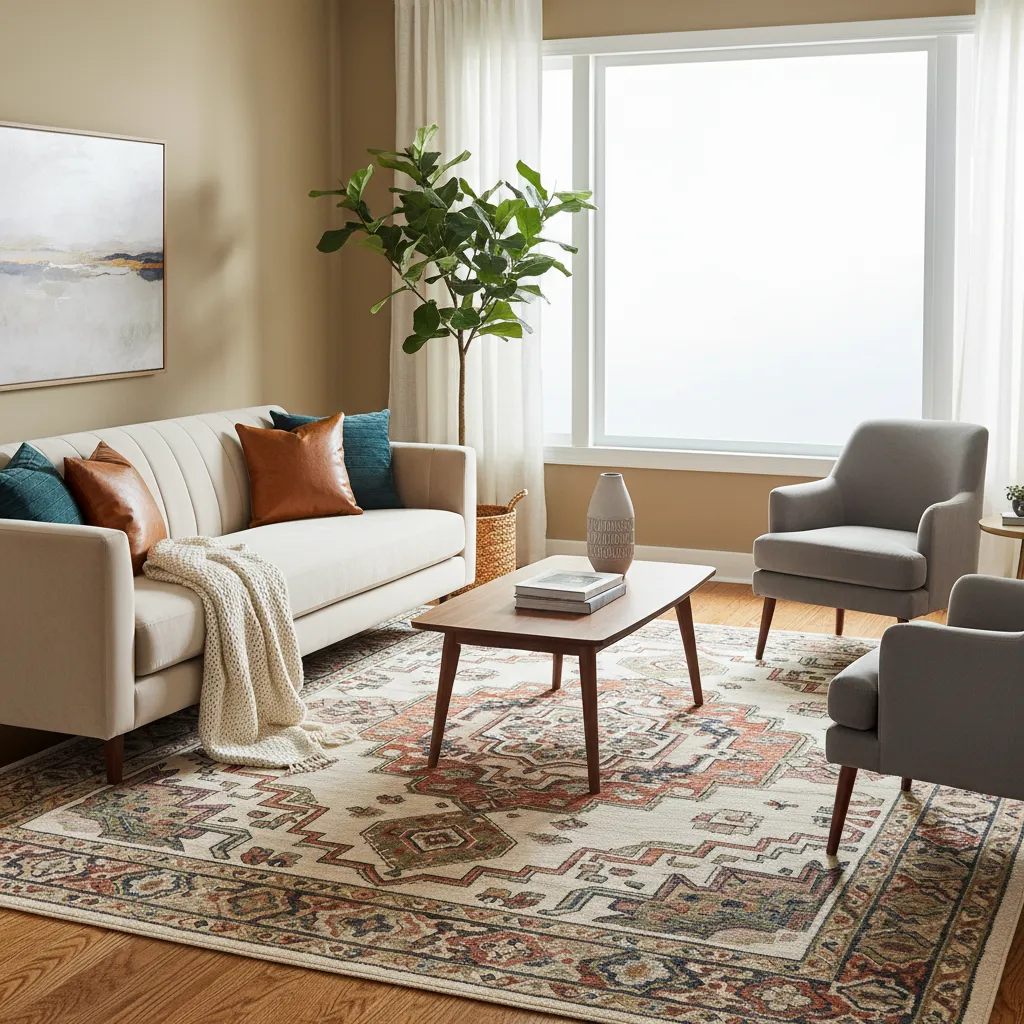
A rug is not just a floor covering; it’s the foundation of a room’s design. The right rug anchors the furniture, defines the space, and adds color and pattern. As mentioned with scale, size is crucial. A rug that’s too small will make the room feel disjointed.
How to Use It:
- In a living room, the rug should be large enough to sit under at least the front feet of your sofa and chairs.
- In a dining room, ensure the rug is big enough so that the chairs remain on it even when pulled out from the table.
10. The Art of the “Unmade” Bed
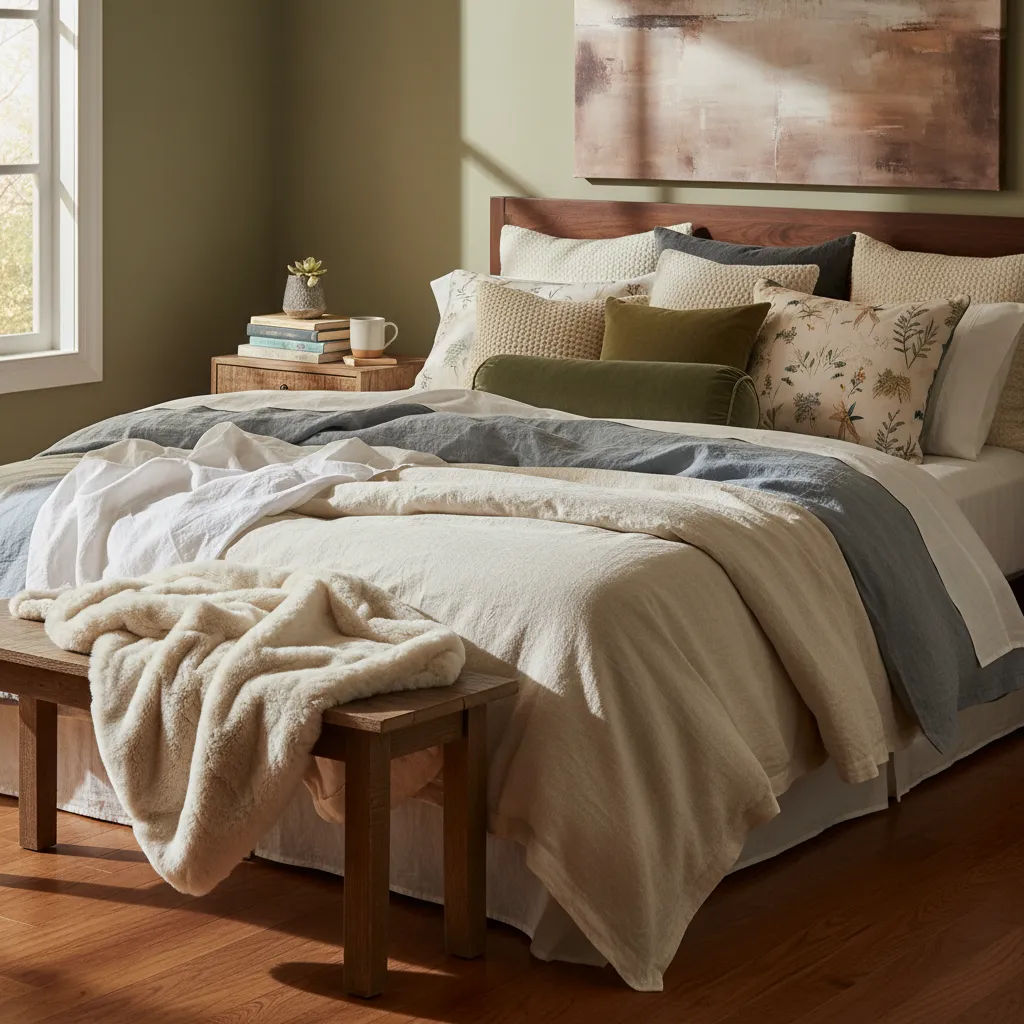
A perfectly made bed can sometimes look stiff and uninviting. Stylists often opt for a more relaxed, layered look that feels cozy and welcoming. It’s about looking effortlessly chic, not messy.
How to Use It:
- Drape a duvet casually over the bed.
- Use a variety of pillows in different sizes and textures.
- Add a throw blanket folded or draped loosely at the foot of the bed.
11. Hang Curtains High and Wide
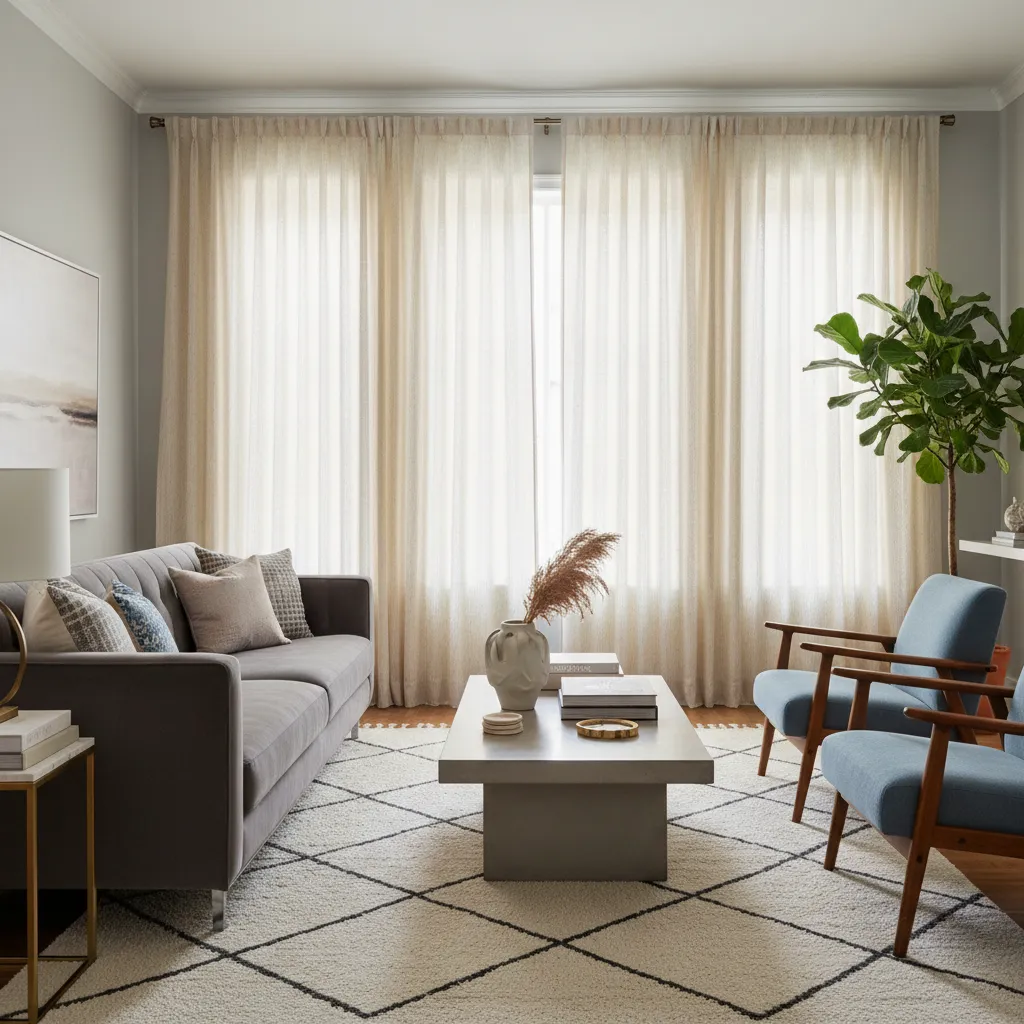
This is one of the most effective decor ideas for making a room feel taller and more grand. Instead of mounting the curtain rod right above the window frame, hang it several inches higher, close to the ceiling. Extend the rod 6-10 inches wider than the frame on each side. This allows more light in when the curtains are open and creates an illusion of a much larger window.
12. Let Your Books Breathe
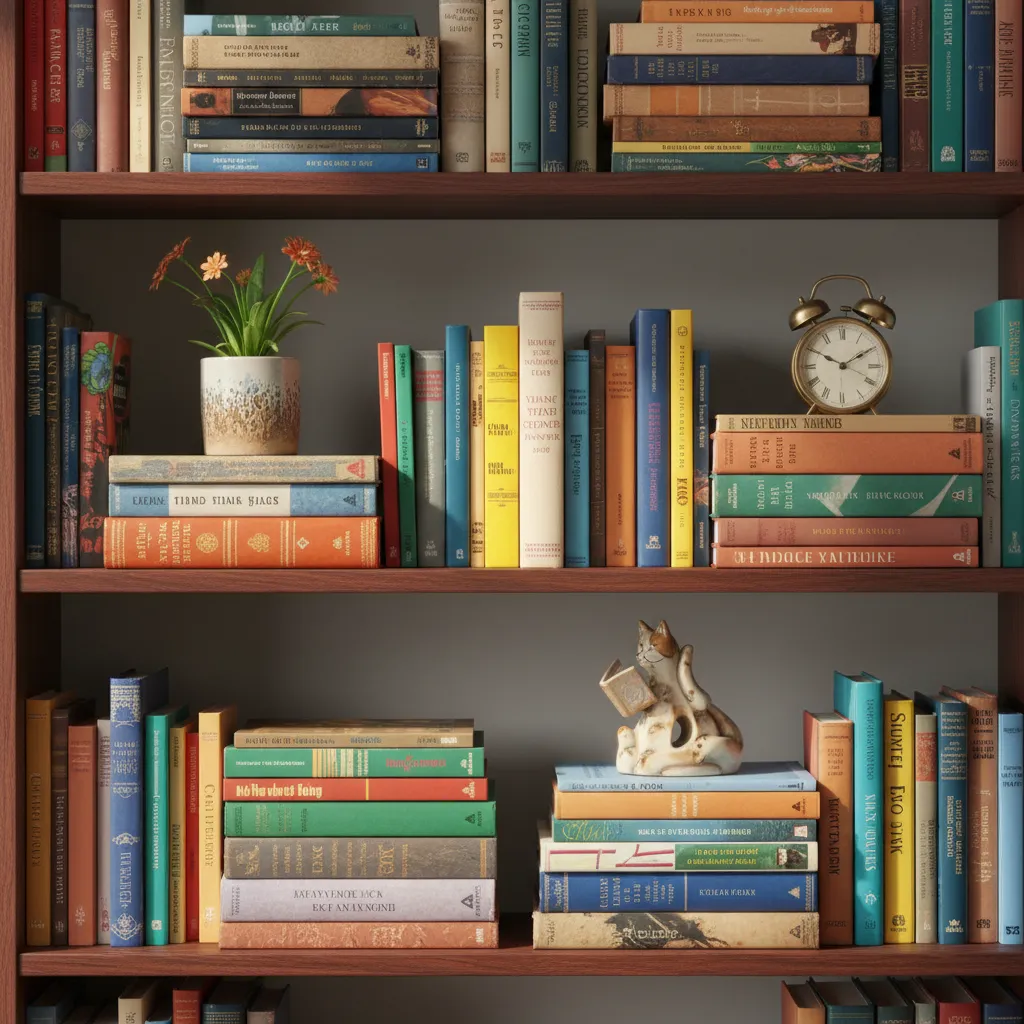
Instead of packing your bookshelves tight, vary the arrangement of your books. Alternate between stacking them vertically and horizontally. The horizontal stacks can serve as pedestals for small decorative objects. This breaks up the monotony and adds visual interest.
13. Light in Layers
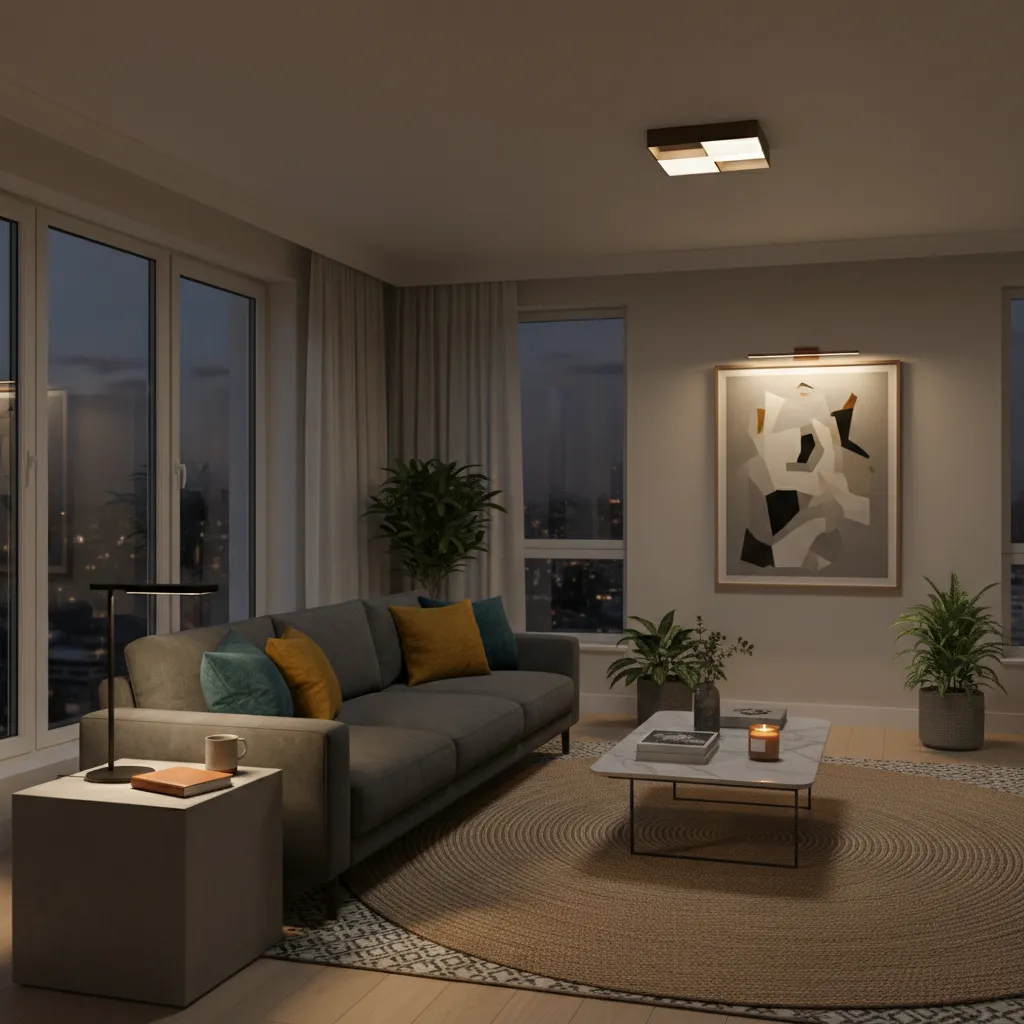
A single overhead light is rarely enough and can cast harsh shadows. Professional designs incorporate lighting at different levels to create ambiance and functionality.
- Ambient Lighting: The main source of light (e.g., ceiling fixture).
- Task Lighting: Focused light for activities (e.g., a reading lamp).
- Accent Lighting: Light that highlights features (e.g., a picture light over art).
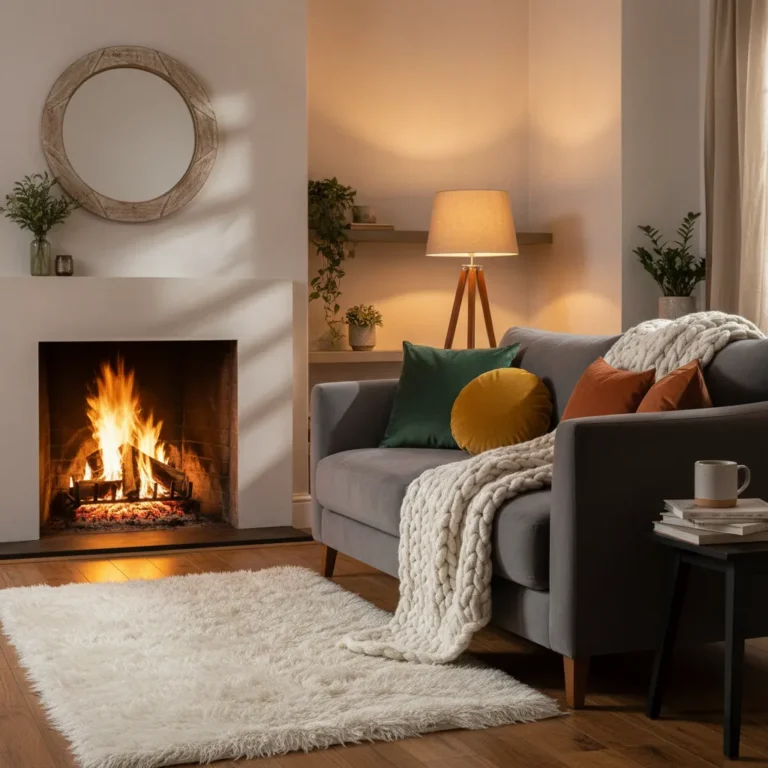
14. Find Your Focal Point
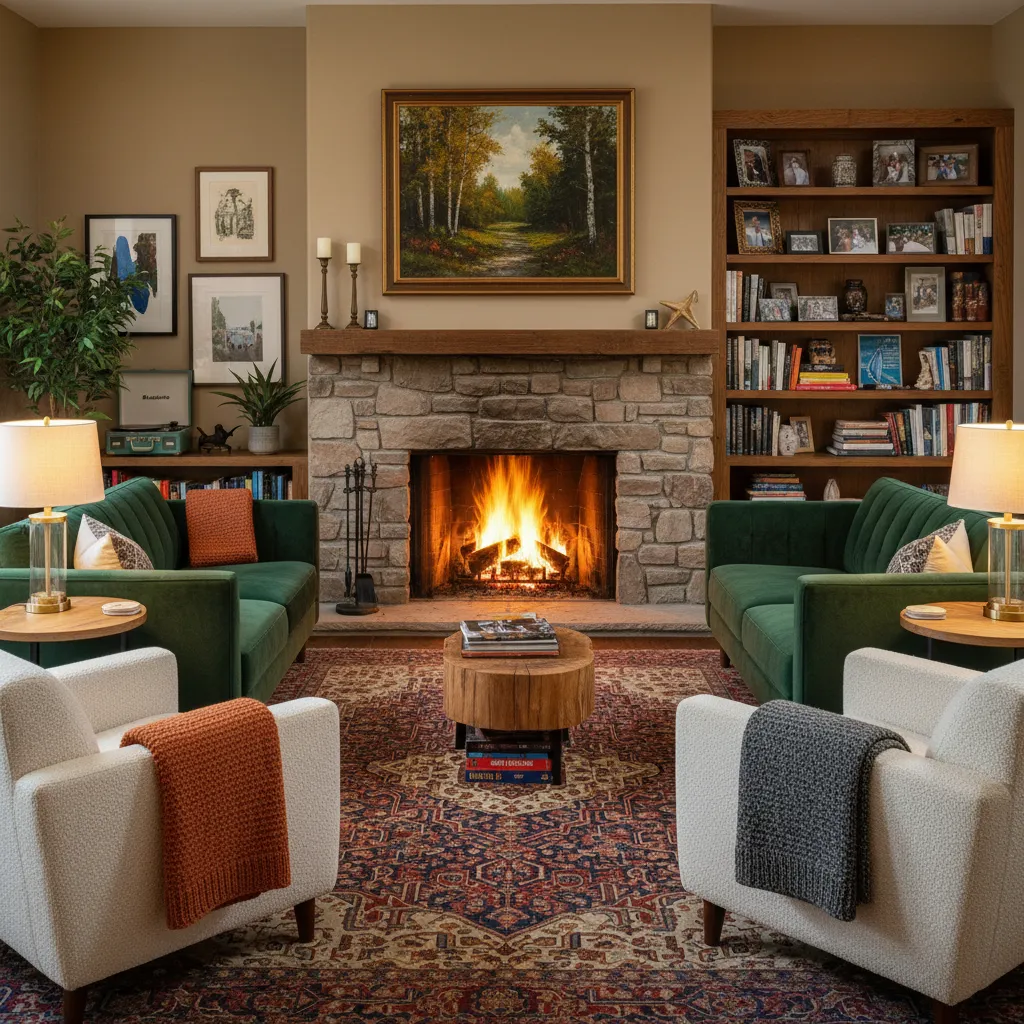
Every room needs a focal point—a star that draws the eye and anchors the space. It could be a fireplace, a large piece of art, a feature wall, or a window with a beautiful view. Once you identify your focal point, arrange your furniture around it to enhance its impact. If you don’t have a natural one, create one!
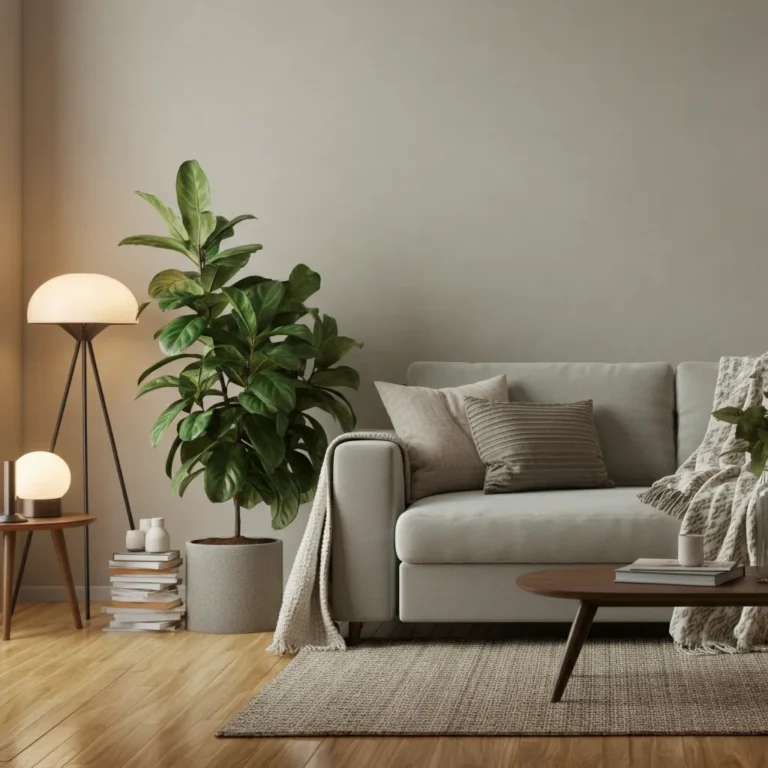
15. Always Add Something Organic
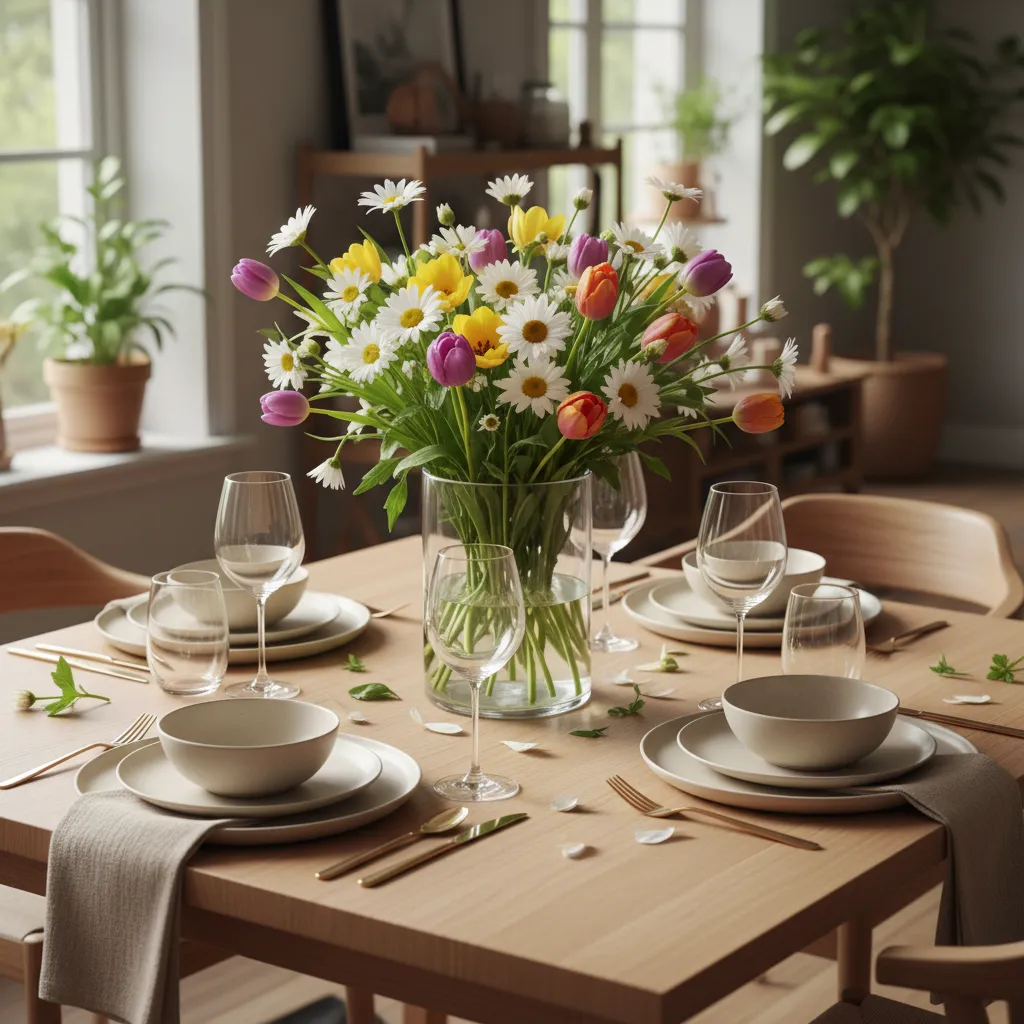
A touch of nature brings life and softness to any space. This could be a vase of fresh flowers, a potted plant, a bowl of fruit, or even branches in a vase. Organic elements prevent a room from feeling too sterile and connect the indoor space with the outside world.
16. The Personal Touch
The most important secret of all? A beautifully styled home reflects the people who live in it. Don’t be afraid to display items that have personal meaning, whether it’s travel souvenirs, family photos, or a piece of art your child made. These are the things that turn a house into a home.
Conclusion
Creating a home that feels professionally styled isn’t about spending a fortune or following rigid rules. It’s about understanding these simple, clever tricks that designers use to create balance, warmth, and visual interest. By incorporating odd numbers, playing with scale, layering textures, and adding personal touches, you can transform your space.
Start with one or two of these home decor ideas and see the difference they make. Experiment, have fun, and trust your instincts. Your home is your canvas, and with these secrets in your toolkit, you have everything you need to make it a masterpiece.
FAQs
What are “hidden design secrets” that professional stylists use?
Hidden design secrets are subtle techniques that elevate a space without being obvious. This includes layering textures, using unexpected accent colors, balancing proportions, incorporating reflective surfaces, and strategically placing lighting to enhance mood and depth.
How can I make a room look professionally styled?
Focus on layering different textures and materials, mixing old and new pieces, maintaining balance and symmetry, and using accessories like throws, rugs, and art to create cohesion. Even small details like arranging books or decor objects thoughtfully can make a big difference.
What role does lighting play in professional styling?
Lighting is crucial—it sets mood, highlights focal points, and creates depth. Stylists often layer ambient, task, and accent lighting, and use dimmers or lamps to adjust the atmosphere throughout the day.
How do professionals choose color schemes?
Stylists often select a dominant neutral base and then add pops of color in accessories or accent walls. They balance warm and cool tones, consider natural light, and sometimes use contrasting shades to create visual interest without overwhelming the space.
Can these design secrets be applied on a budget?
Absolutely! Many professional techniques—like rearranging furniture, layering textiles, adding mirrors, or creating focal points with art—cost little or nothing. Thoughtful styling and attention to detail can make any space feel polished and intentional without expensive renovations.