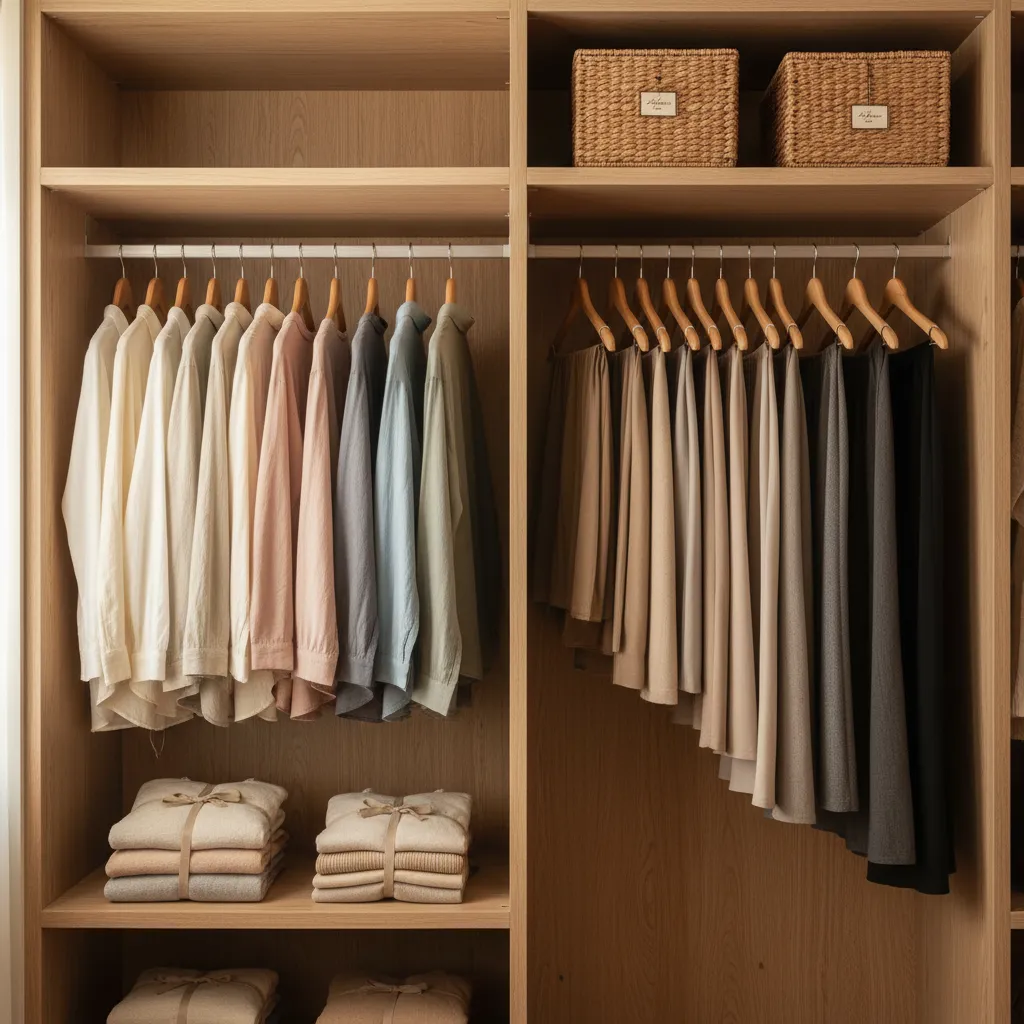
How to Declutter Your Wardrobe: A Step-by-Step Guide to Stop Hoarding Clothes
Is your closet bursting at the seams with clothes you haven’t worn in years? You’re not alone. Hoarding clothes is a common struggle, but with a thoughtful plan, you can reclaim your space and create an easy lifestyle that feels lighter and more organized. Let’s walk through a step-by-step guide to declutter your wardrobe and make room for what truly matters.
Why Do We Hoard Clothes?
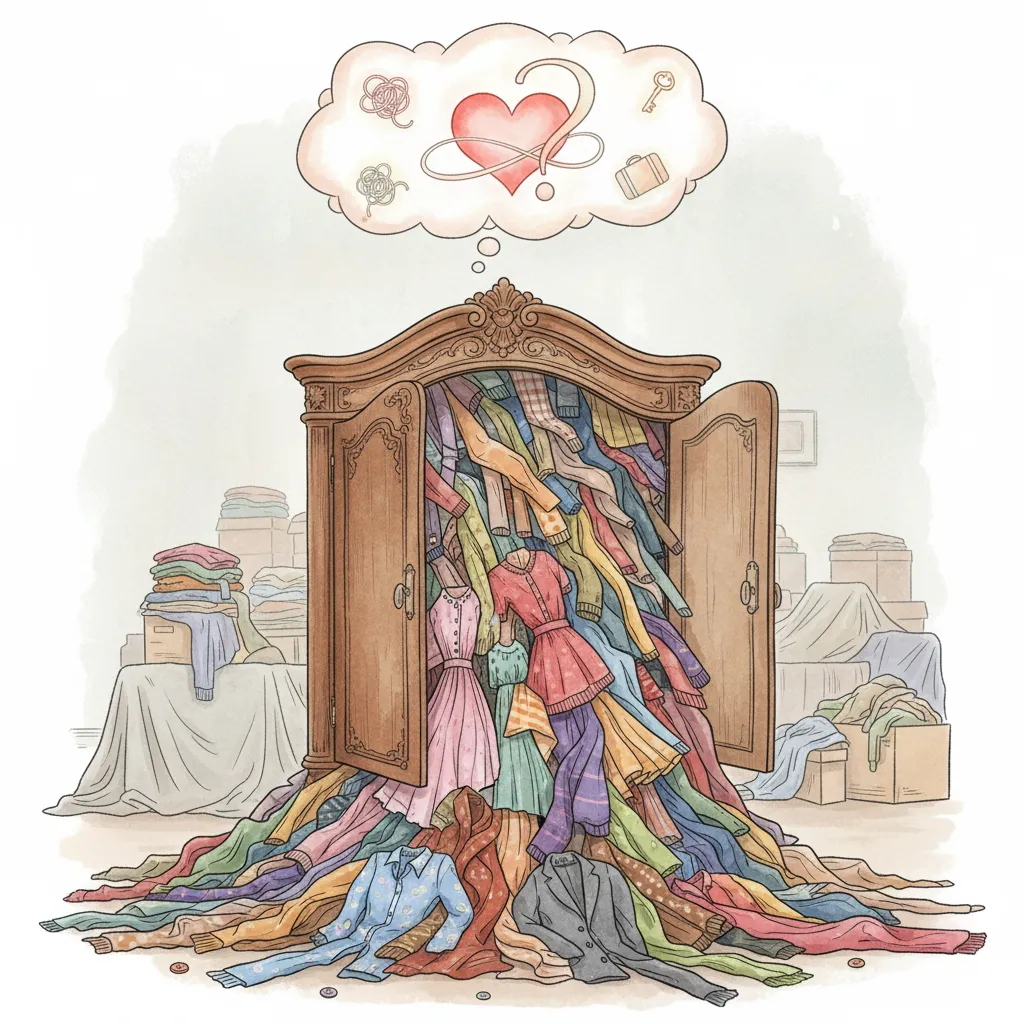
Before diving into the decluttering process, it’s important to understand why we hold onto clothes. Emotional attachment, fear of waste, or the hope that “I might wear this someday” are common reasons. Recognizing these patterns is the first step toward change.
Step 1: Set Your Decluttering Goals
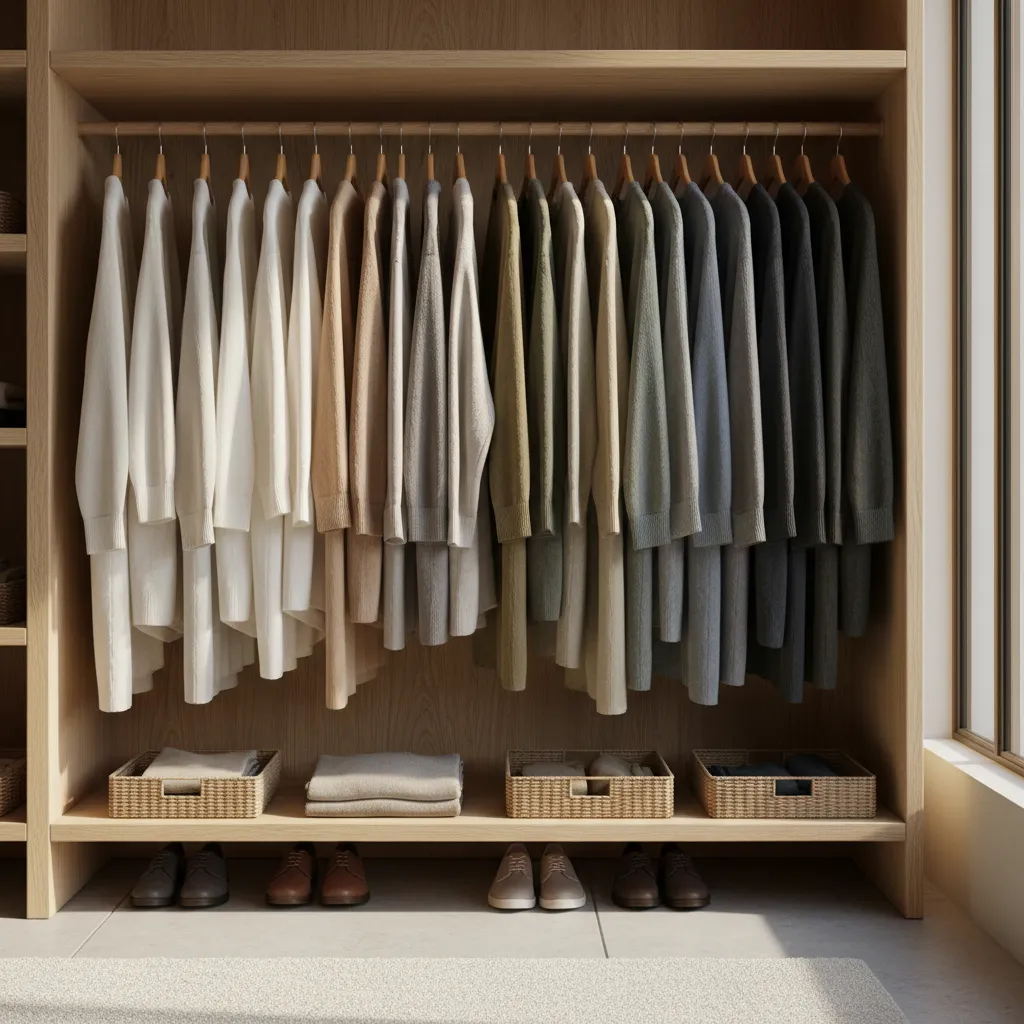
Start by defining what you want to achieve. Do you want a minimalist wardrobe? More space for new pieces? Or simply a more organized closet? Having a clear goal will keep you motivated throughout the process.
Step 2: Empty Your Closet Completely
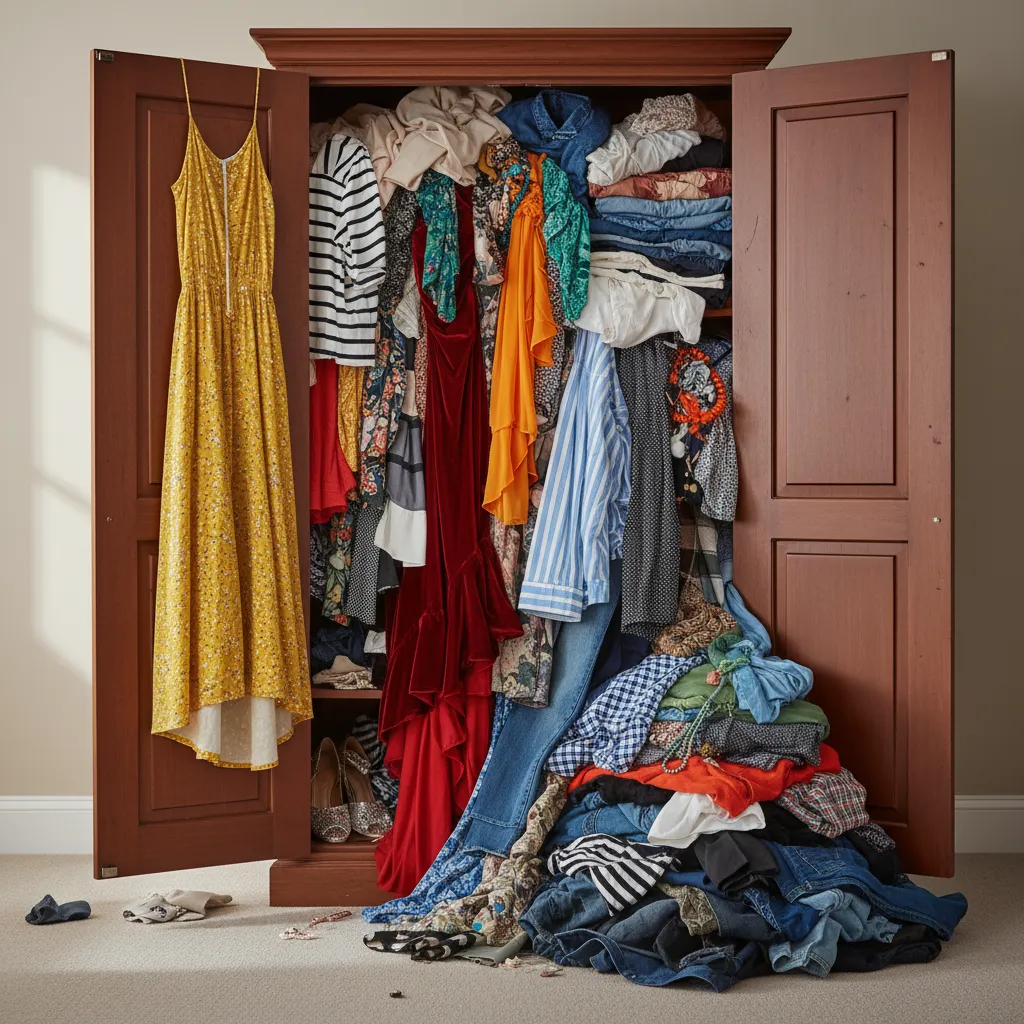
Take everything out of your closet and lay it on your bed or floor. This gives you a fresh perspective and allows you to see the full extent of your clothing collection. It’s often eye-opening to realize how much you’ve accumulated.
Step 3: Sort Your Clothes into Categories
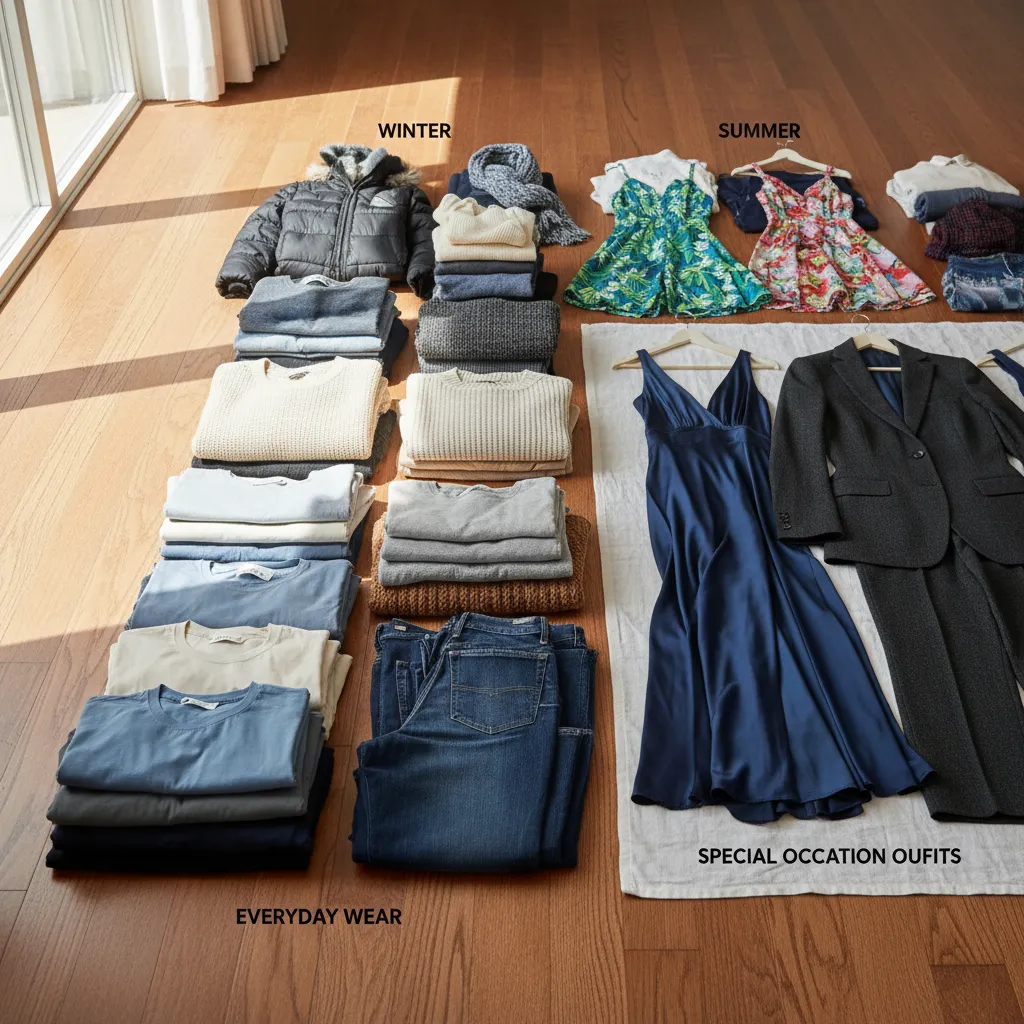
Divide your clothes into categories such as:
- Everyday wear
- Special occasion outfits
- Seasonal clothing
- Sentimental items
This makes it easier to evaluate what you truly need and use.
Step 4: The Keep, Donate, and Toss Method
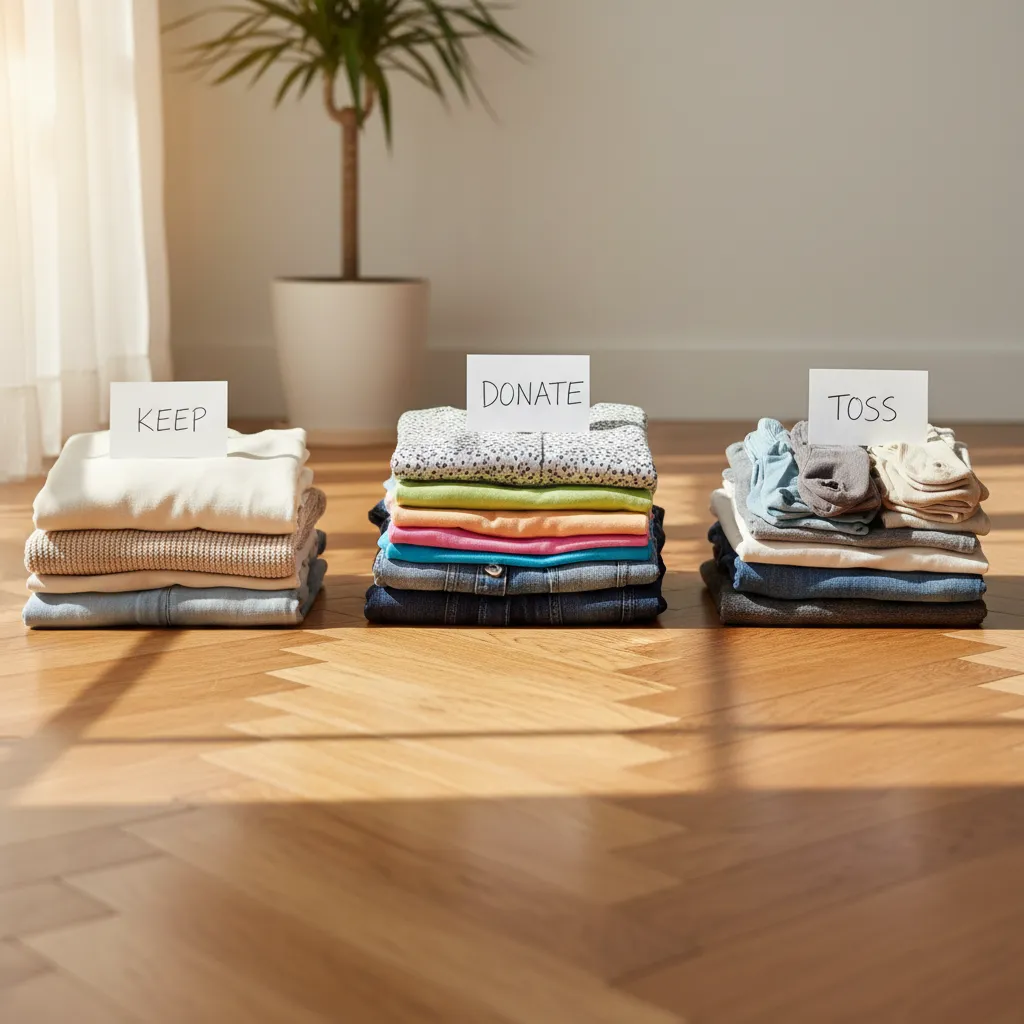
For each item, ask yourself:
- Do I love this?
- Have I worn it in the past year?
- Does it fit my current lifestyle?
Create three piles: Keep, Donate, and Toss. Be honest with yourself—if something doesn’t spark joy or serve a purpose, it’s time to let it go.
Step 5: Organize Your “Keep” Pile

Now that you’ve narrowed down your wardrobe, it’s time to organize. Use these tips for a streamlined closet:
- Group similar items together (e.g., shirts, pants, dresses).
- Use matching hangers for a clean, cohesive look.
- Store seasonal items separately to save space.
Step 6: Donate or Recycle Responsibly
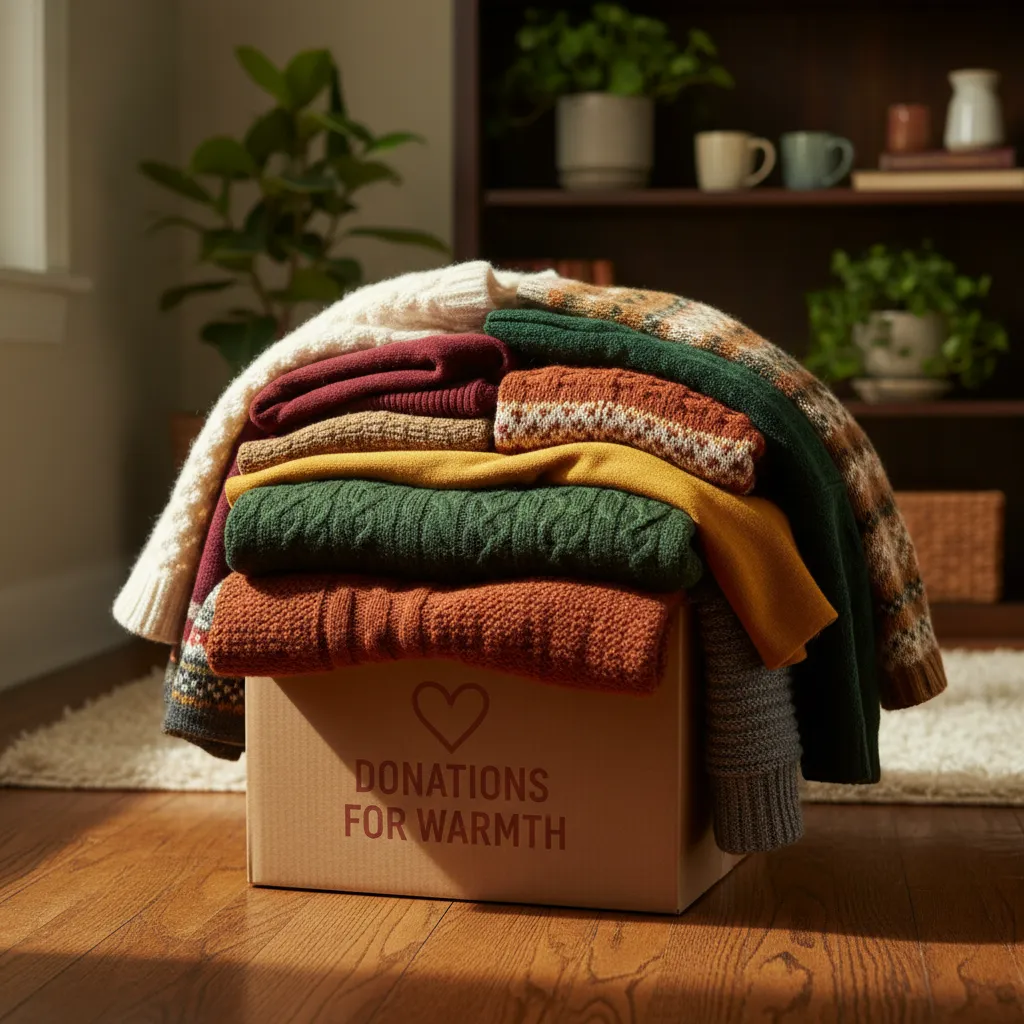
For the items in your “Donate” pile, find local charities or clothing donation bins. Many organizations accept gently used clothes to help those in need. For items that are too worn out, look for textile recycling programs.
Step 7: Create a Maintenance Plan
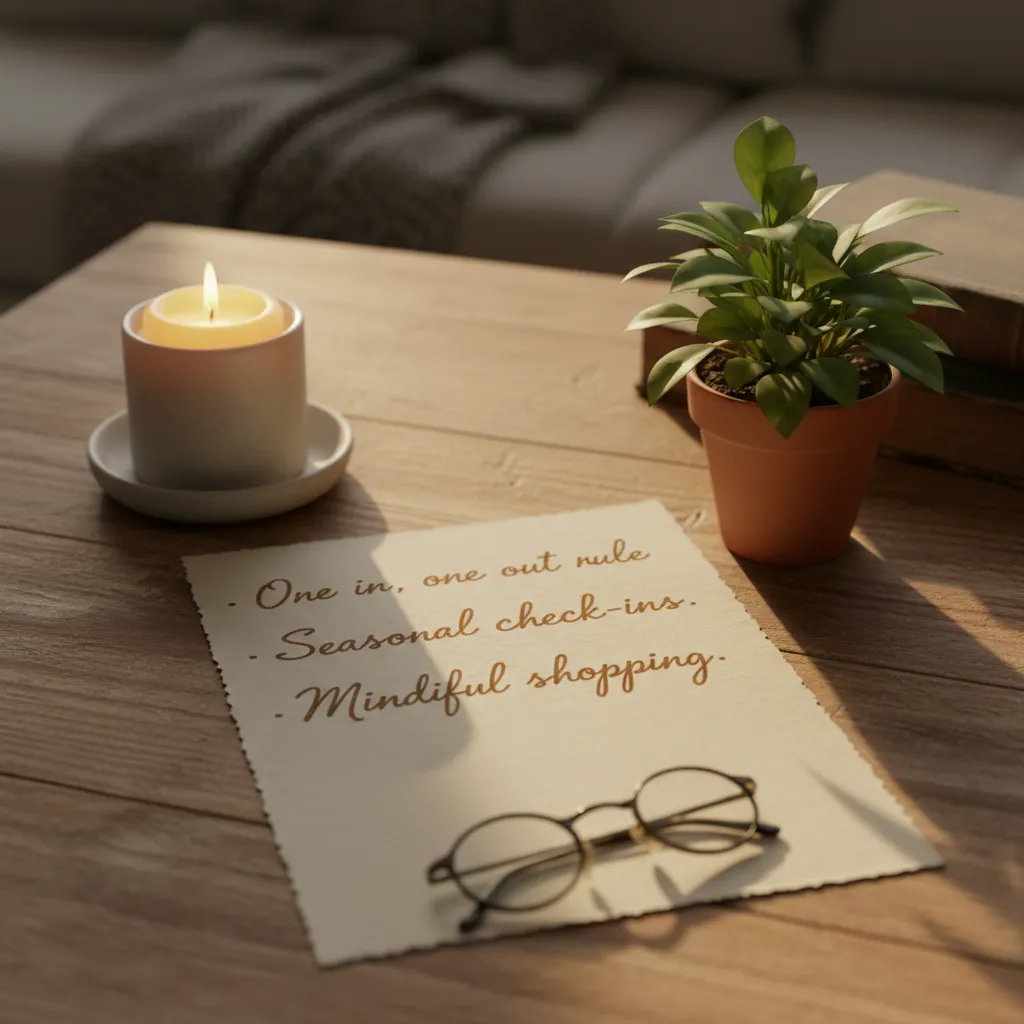
To prevent future hoarding, adopt these habits:
- One in, one out rule: For every new item you buy, donate or discard an old one.
- Seasonal check-ins: Review your wardrobe every few months to keep it clutter-free.
- Mindful shopping: Only buy clothes that align with your style and needs.
Benefits of Decluttering Your Wardrobe
Decluttering isn’t just about creating space—it’s about creating an easy lifestyle. A tidy closet saves time, reduces stress, and makes getting dressed a joy. Plus, donating clothes can make a positive impact on your community.
Conclusion: Embrace the Joy of a Simplified Wardrobe
Decluttering your wardrobe is a journey, not a one-time task. By following these steps, you can stop hoarding clothes and create a space that reflects your style and values. Remember, it’s not about perfection—it’s about progress. Start small, stay consistent, and enjoy the freedom of a clutter-free life.
FAQs
Why is decluttering a wardrobe important?
Decluttering helps you organize your clothing, makes it easier to find what you need, reduces stress, and creates more space. It also encourages mindful shopping and prevents unnecessary accumulation of items you rarely wear.
How do I start decluttering if I have too many clothes?
Begin by taking everything out of your wardrobe and sorting items into categories: keep, donate, sell, or discard. Tackle one category or section at a time to avoid feeling overwhelmed.
What criteria should I use to decide what to keep?
Ask yourself if the item fits, if you’ve worn it in the past year, and if it matches your current style. Sentimental items can be kept in moderation, but functional and versatile clothing should take priority.
How can I prevent future wardrobe hoarding?
Adopt a “one in, one out” rule when buying new clothes, plan purchases thoughtfully, and regularly assess your wardrobe. Keeping only items you truly love and wear helps maintain a clutter-free closet.
What should I do with clothes I no longer want?
Donate gently used items to local charities or shelters, sell higher-quality pieces online or at consignment shops, and recycle or repurpose damaged clothing. This ensures your old clothes find a new purpose instead of piling up.