25 Inspiring Layout Ideas for a Small Garden
A small garden, whether it’s a tiny backyard, a narrow side yard, or a compact patio, holds immense potential. With a bit of creativity and smart design, you can transform even the most limited space into a lush, beautiful, and functional outdoor oasis. The key is to think strategically about the layout to maximize every square inch.
If you’ve been searching for ways to elevate your outdoor area, you’ve come to the right place. We’ve gathered 25 stunning small garden layout ideas to help you create the charming retreat you’ve been dreaming of. These concepts are packed with practical tips and home decor inspiration to guide you.
Maximizing Vertical Space
1. Create a Living Wall
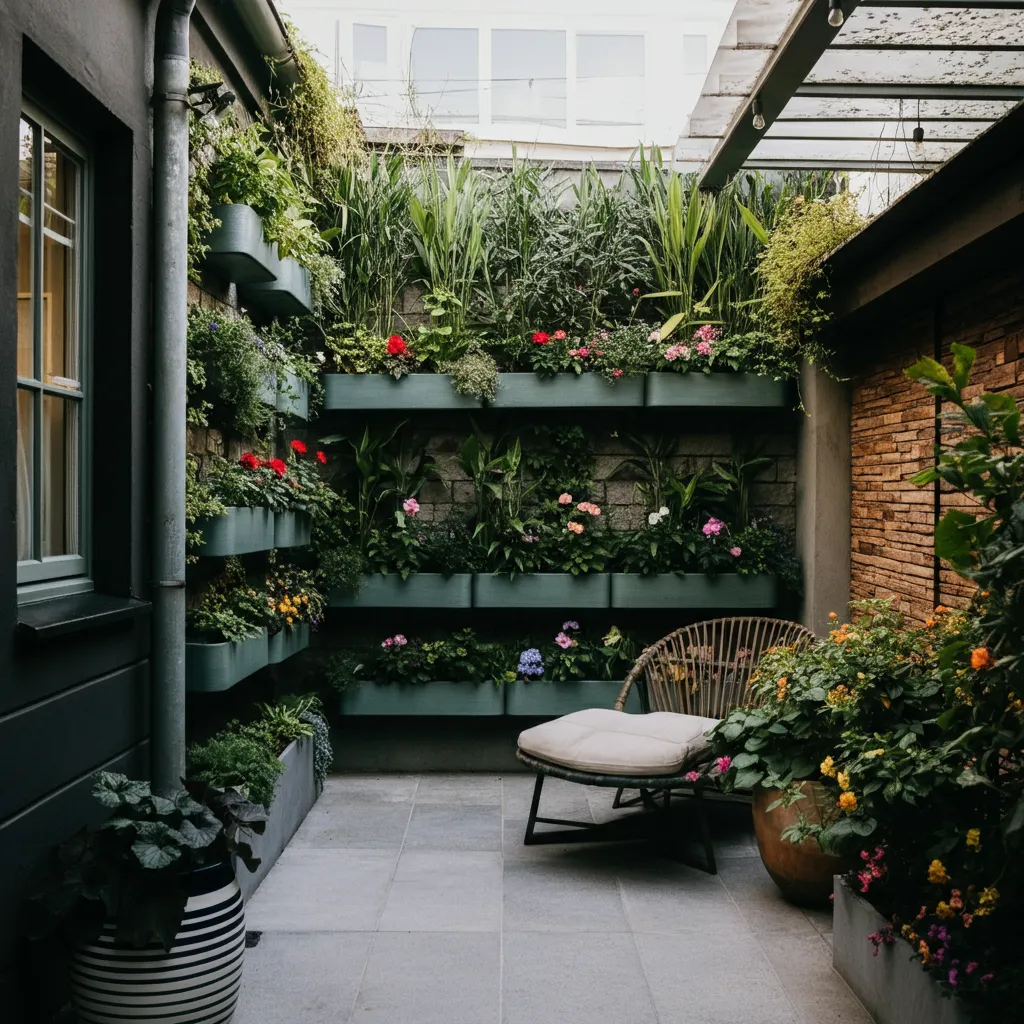
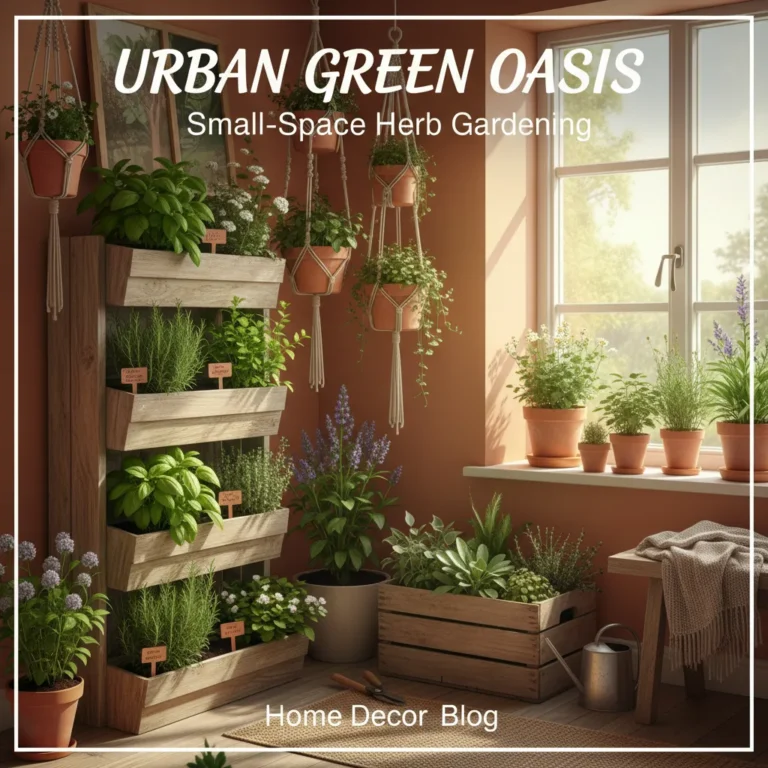
A vertical garden, or living wall, is a brilliant way to introduce lush greenery without sacrificing floor space. Plant herbs, succulents, or flowering annuals in wall-mounted planters for a stunning, living art installation.
2. Use Tiered Planters
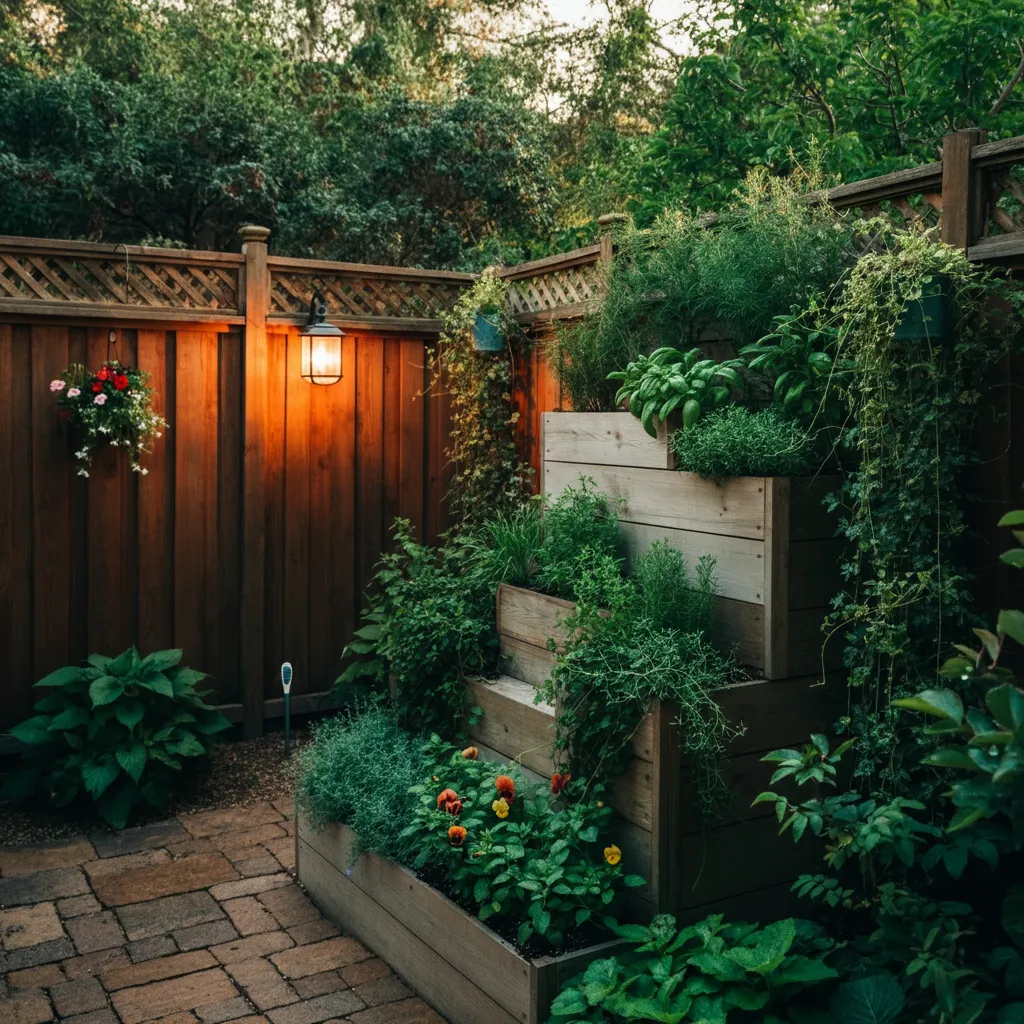
Tiered or stacked planters allow you to grow multiple types of plants in a single footprint. This layered approach adds depth and visual interest, making the garden feel fuller and more dynamic.
3. Install Trellises for Climbing Plants
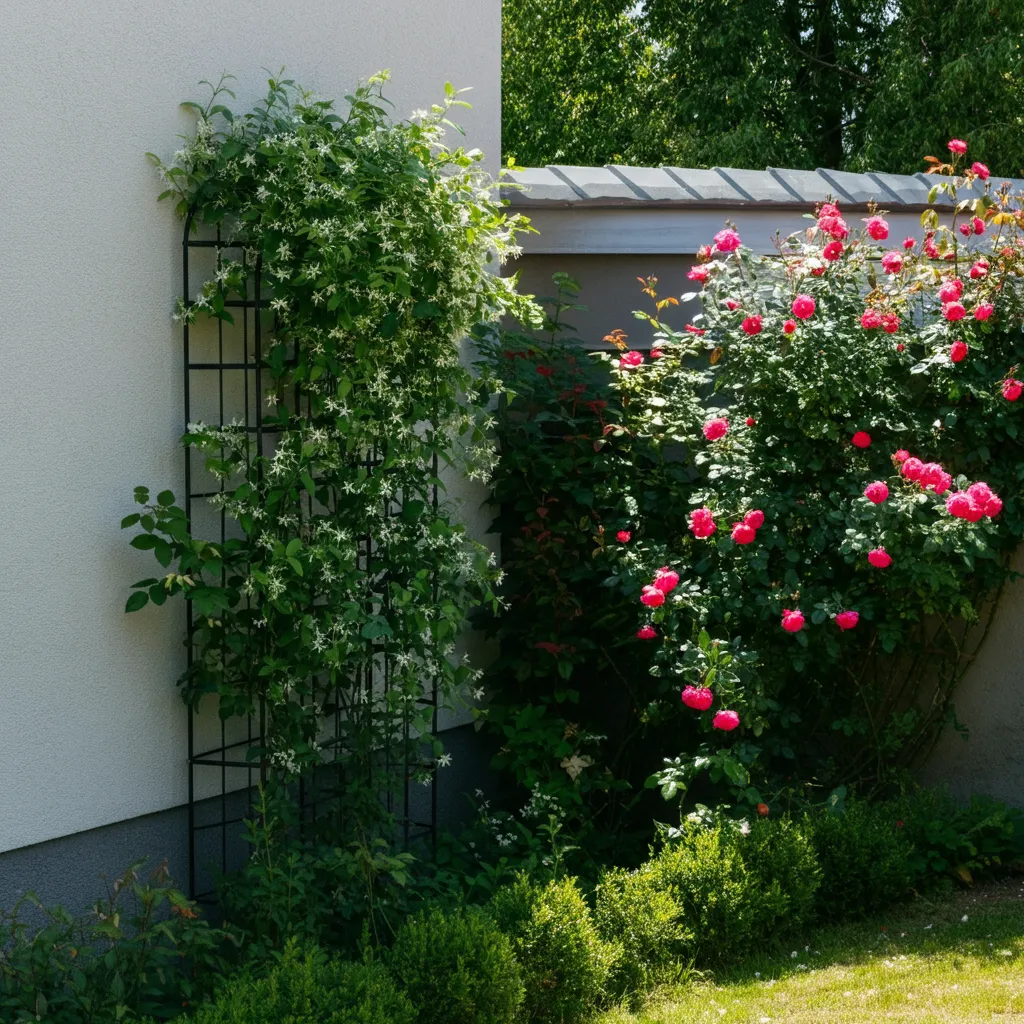
A trellis covered in climbing roses, jasmine, or clematis can turn a plain wall into a beautiful focal point. This not only adds greenery but also creates a sense of privacy and enclosure.
4. Hang Baskets and Window Boxes
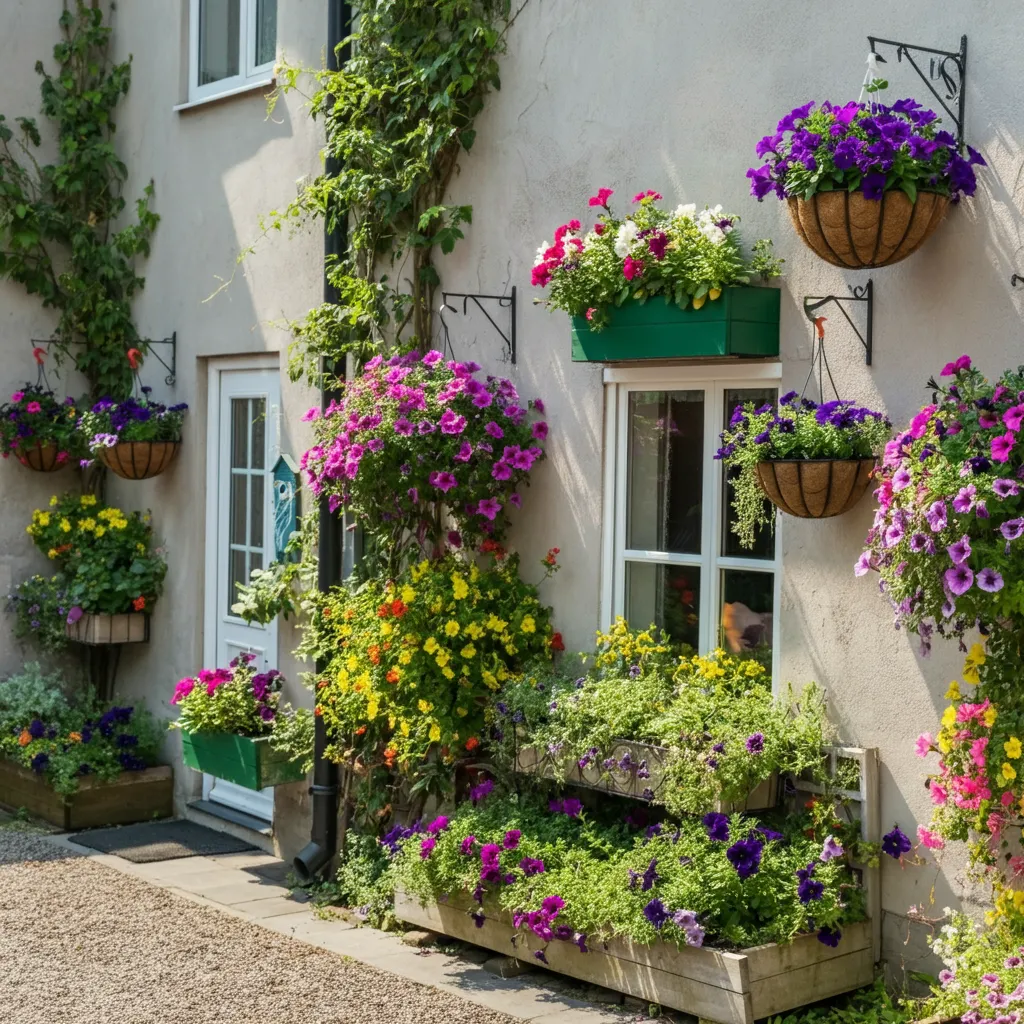
Don’t forget the space above! Hanging baskets filled with trailing flowers and window boxes overflowing with colorful blooms draw the eye upward and add charm to your home’s exterior.
5. Utilize Tall, Slender Trees
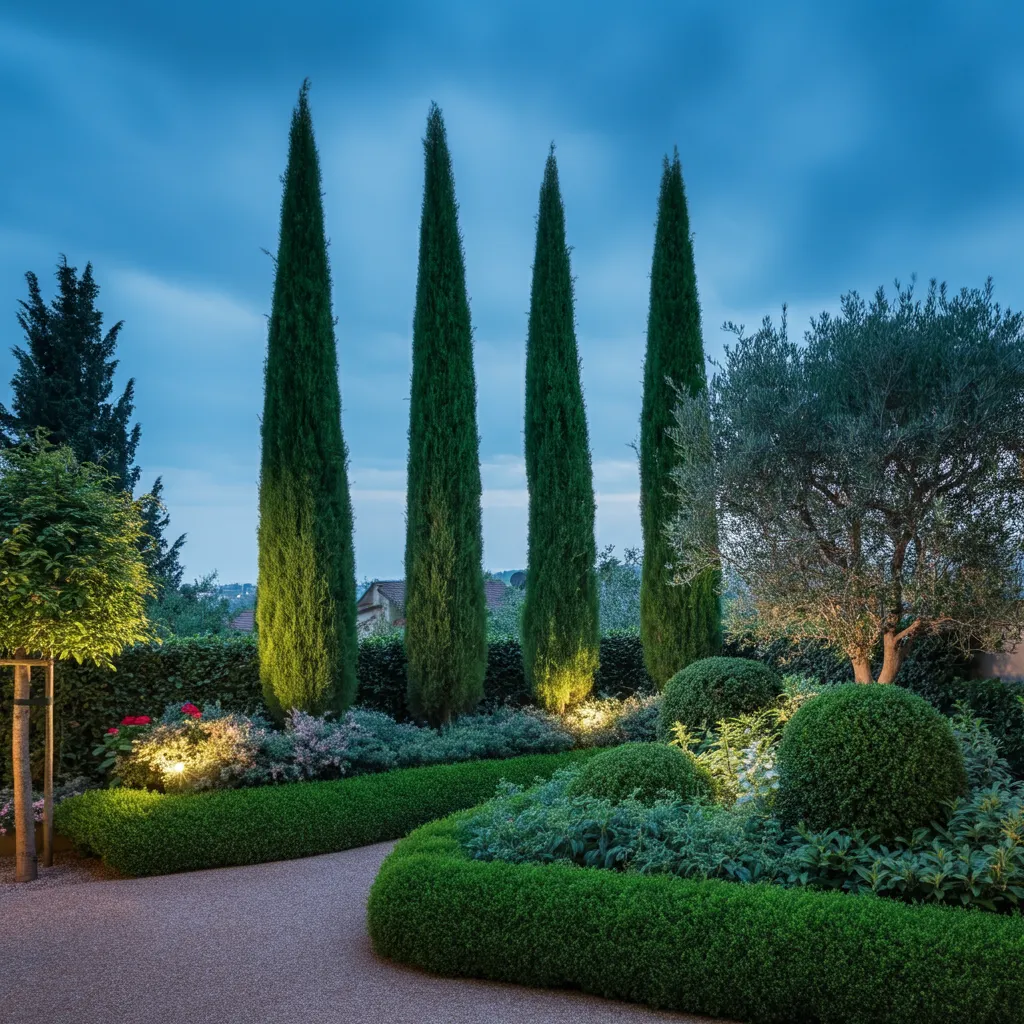
For a touch of height and elegance, choose columnar trees like Italian cypress or slender varieties of birch. They provide vertical interest and a bit of shade without casting too much shadow or taking up a wide footprint.
Smart Layouts and Pathways
6. Design with Curves
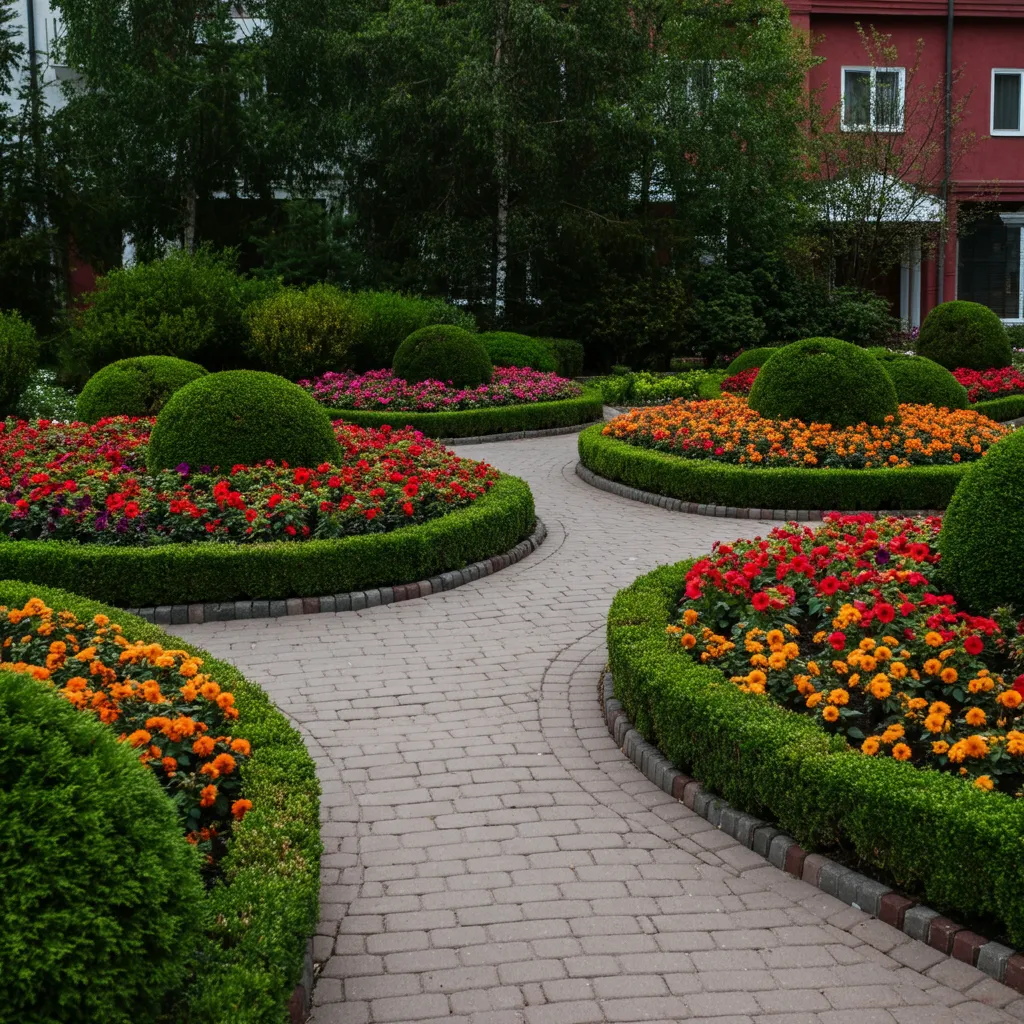
Instead of straight lines, use curved pathways and rounded flower beds. Meandering lines create the illusion of more space by making the garden’s journey longer and more mysterious.
7. The Diagonal Grid
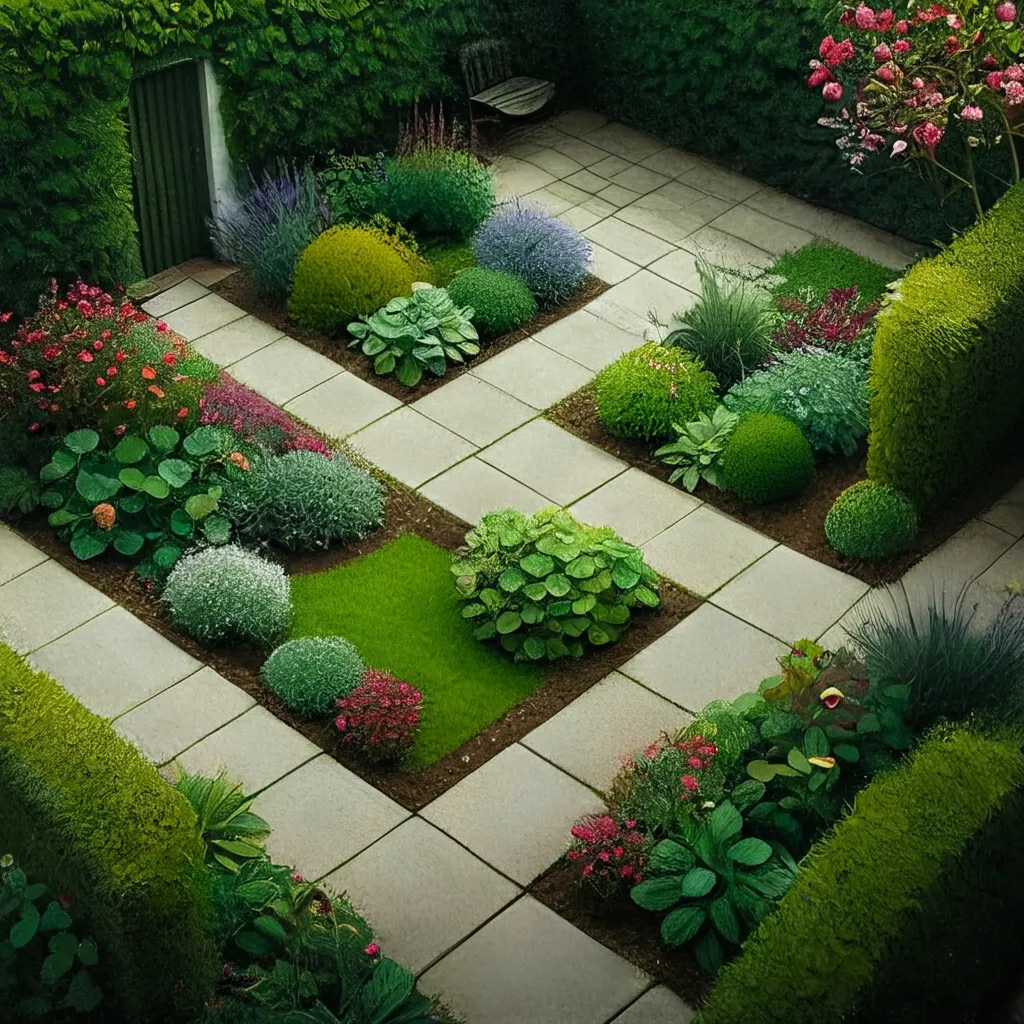
Orienting your layout on a diagonal axis can make a square or rectangular space feel wider and more expansive. Lay pavers or create garden beds at a 45-degree angle to the house for this clever visual trick.
8. Create Distinct “Rooms”
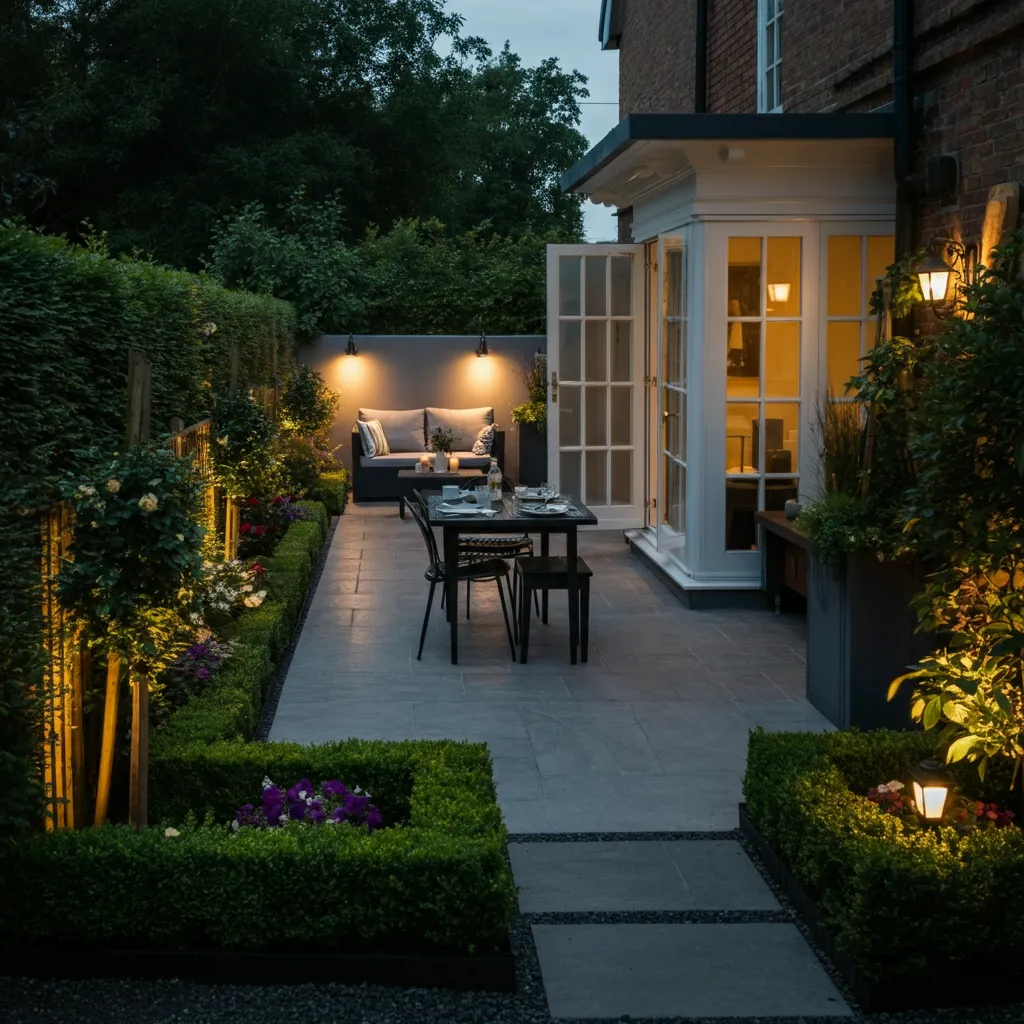
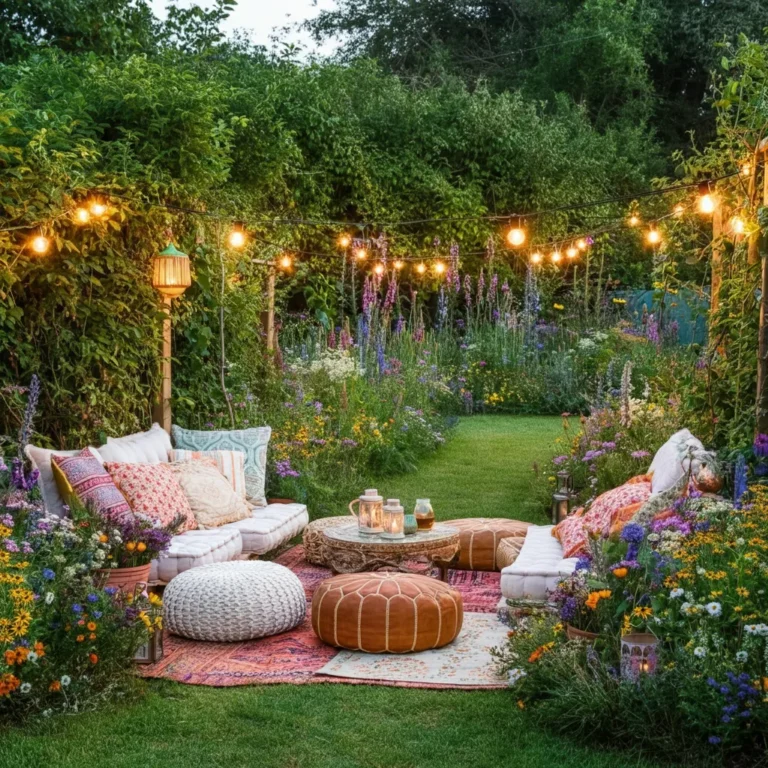
Divide your garden into small, distinct zones for lounging, dining, or planting. Use low hedges, a change in paving material, or strategically placed furniture to create these “rooms,” making the garden feel larger and more purposeful.
9. Build a Raised Deck or Patio
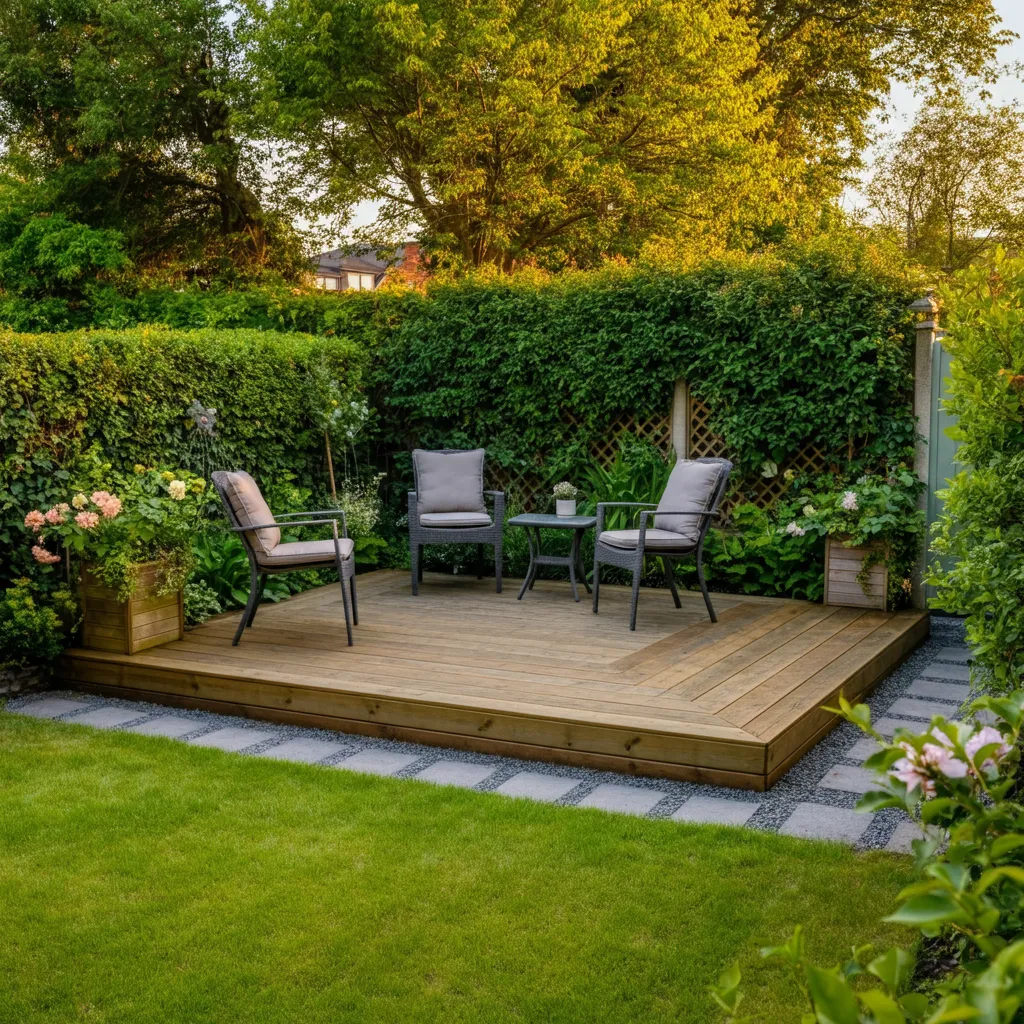
A slightly elevated deck or patio can define a seating area and separate it from the garden beds. This change in level adds dimension and makes the overall space feel more thoughtfully designed.
10. Use Large Pavers with Groundcover
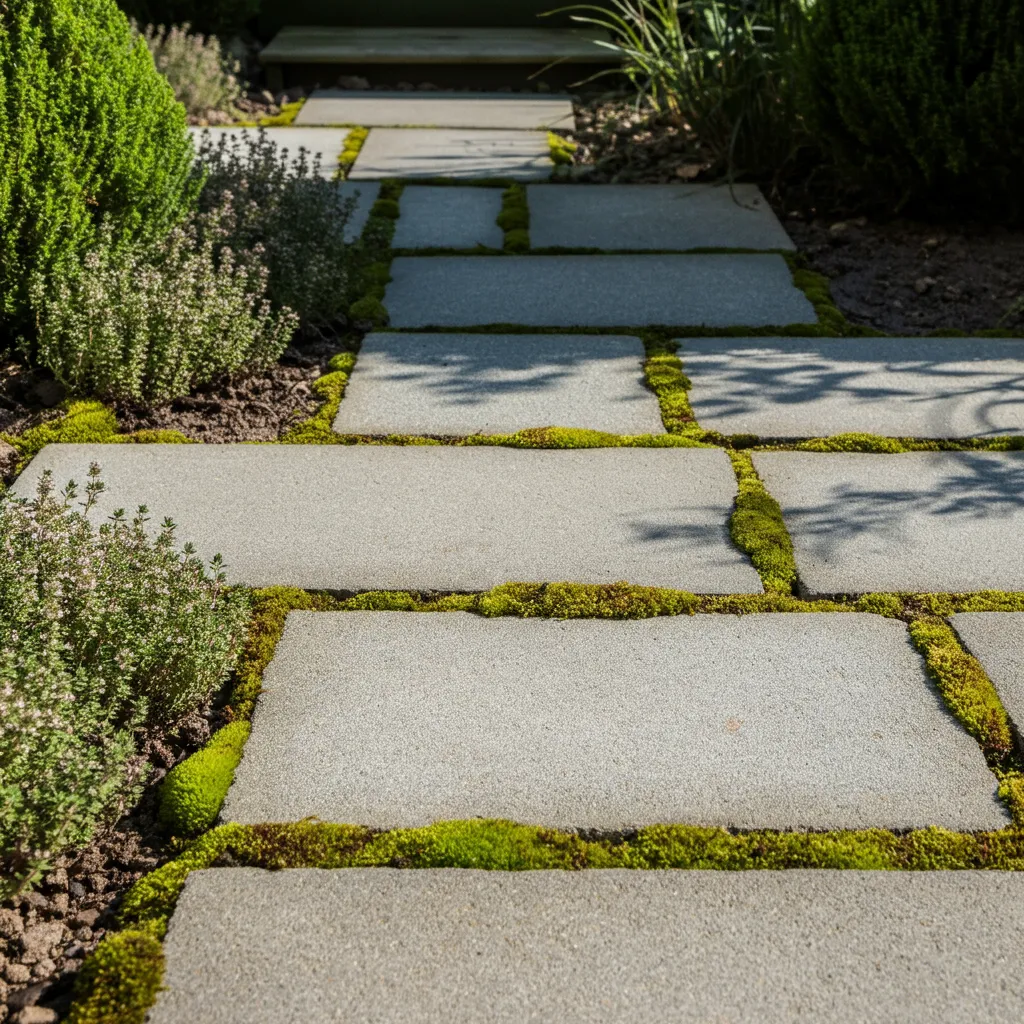
Create a pathway or patio with large-format pavers set a few inches apart. Planting low-growing groundcover like creeping thyme or moss in the gaps softens the look and blurs the lines between hardscape and garden.
Furniture and Focal Points
11. Choose Multi-Functional Furniture
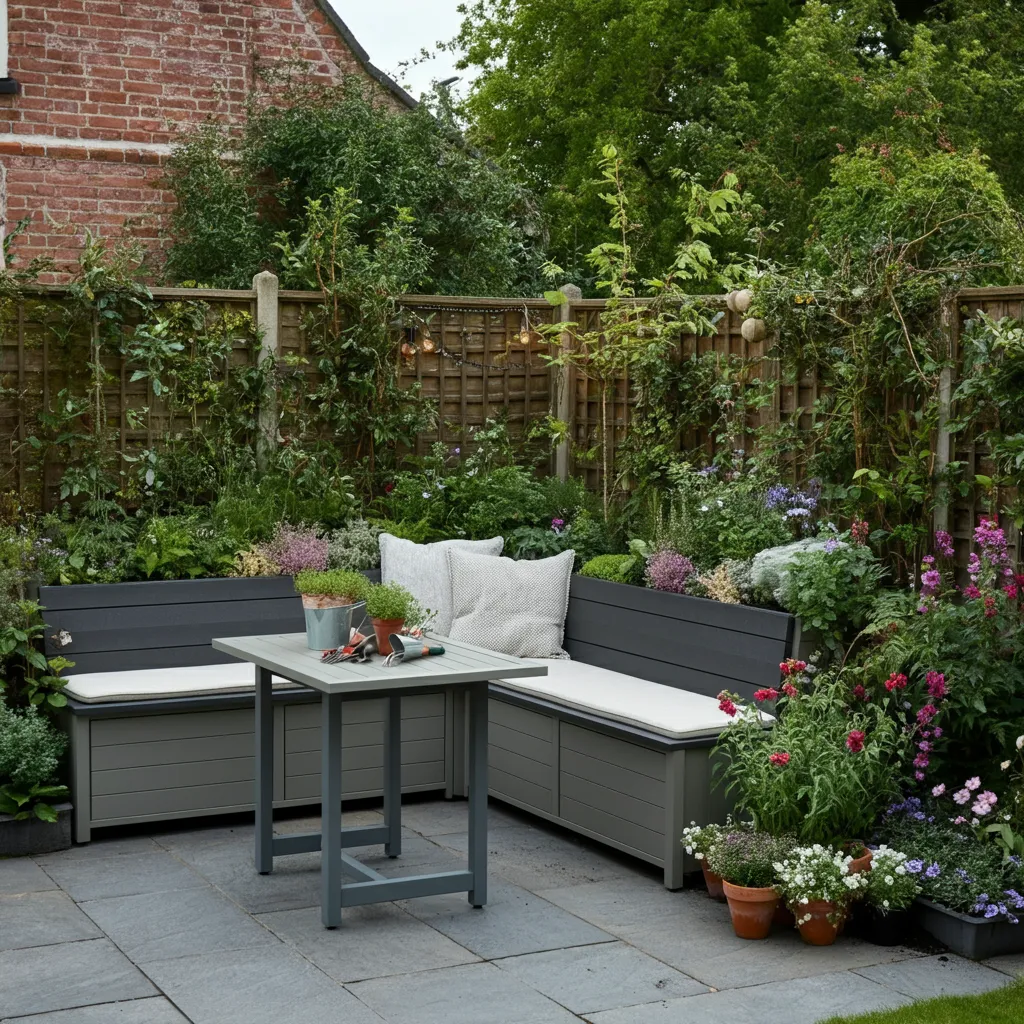
In a small space, every piece should work hard. Opt for a bench with built-in storage, a table that can double as a potting station, or ottomans that can be used as extra seating or side tables.
12. Incorporate a Small Water Feature
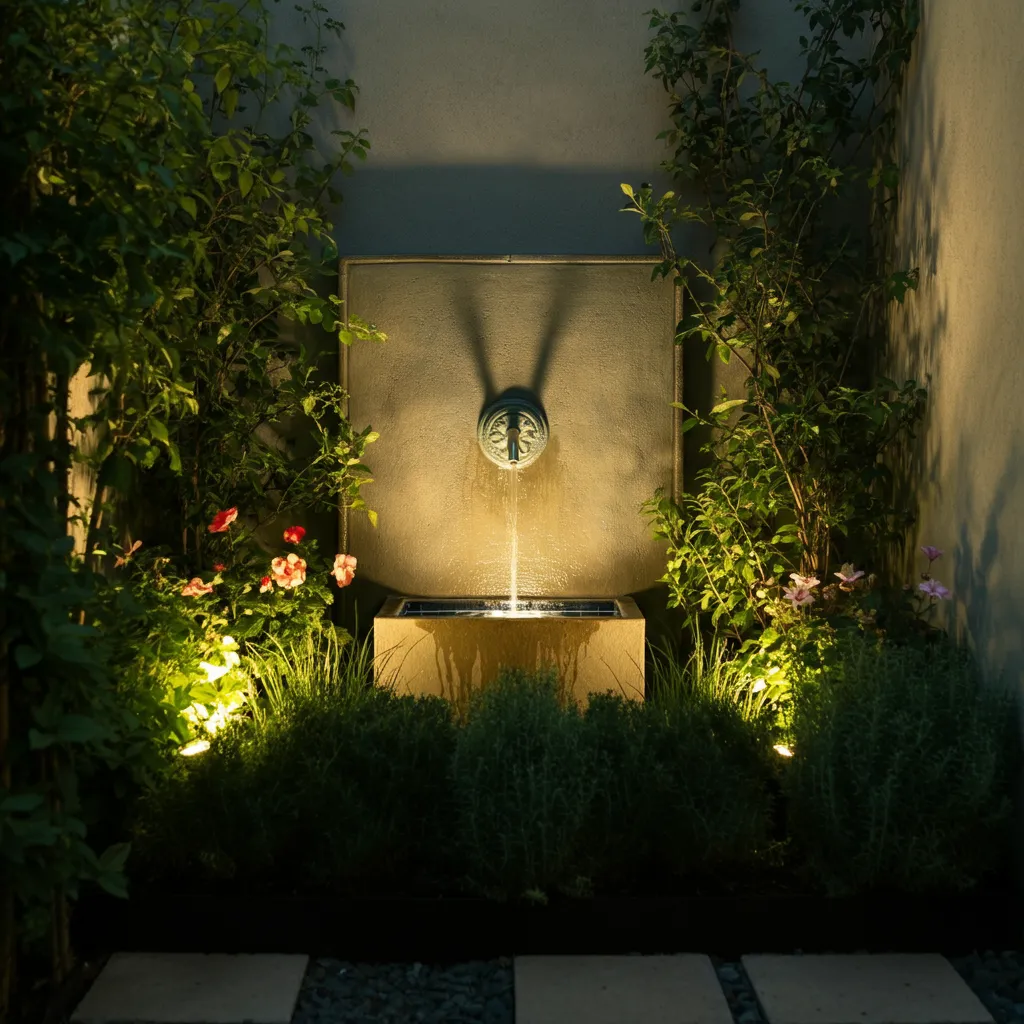
The gentle sound of trickling water can make a garden feel like a serene escape. A compact, self-contained fountain or a simple wall-mounted spout adds ambiance without requiring extensive plumbing.
13. Hang a Mirror
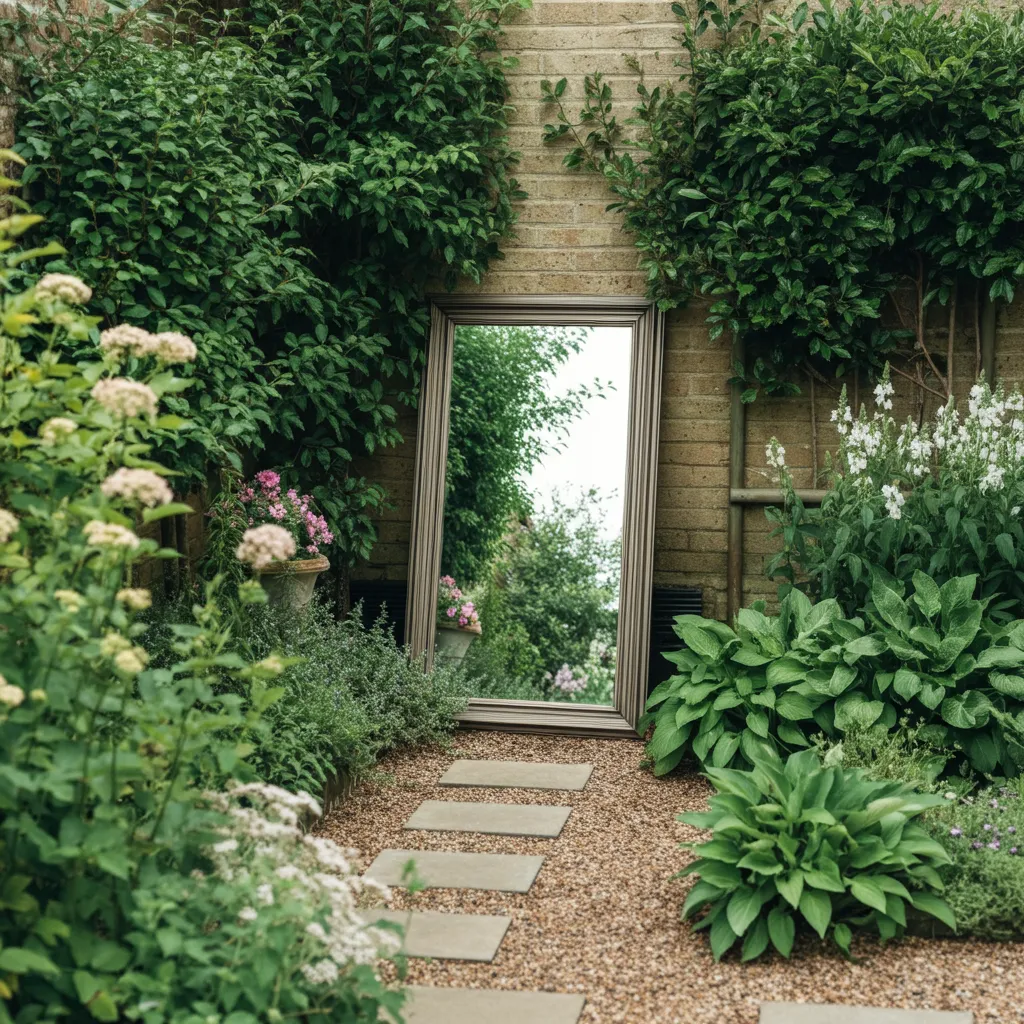
A well-placed outdoor mirror is a classic trick to create the illusion of more space. It reflects light and greenery, making the garden feel brighter and deeper. Frame it with plants to blend it into the scenery.
14. Add a Cozy Corner Nook
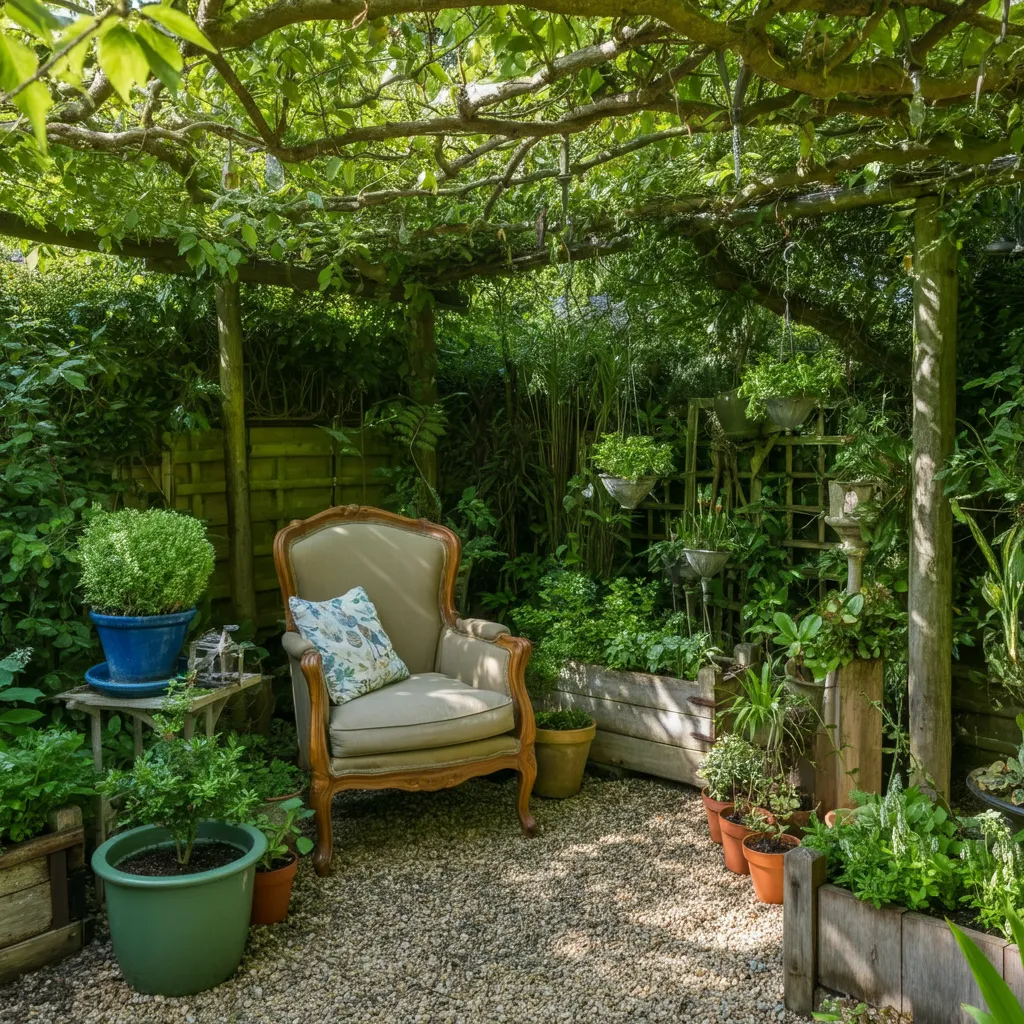
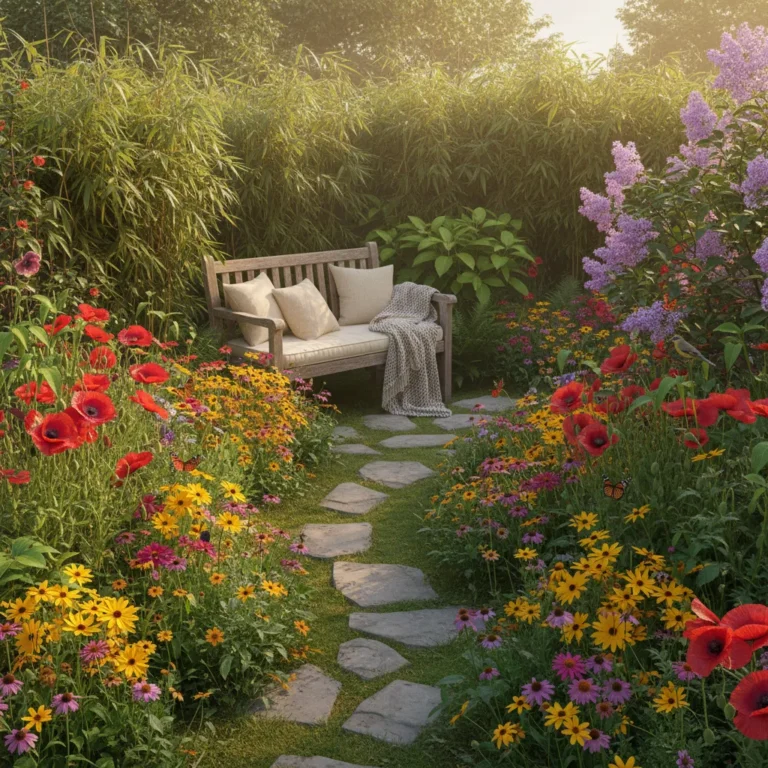
Tuck a single armchair or a small bistro set into a quiet corner. Surrounded by pots and planters, this creates an intimate spot perfect for reading a book or enjoying a morning coffee.
15. Use a Fire Pit as a Centerpiece
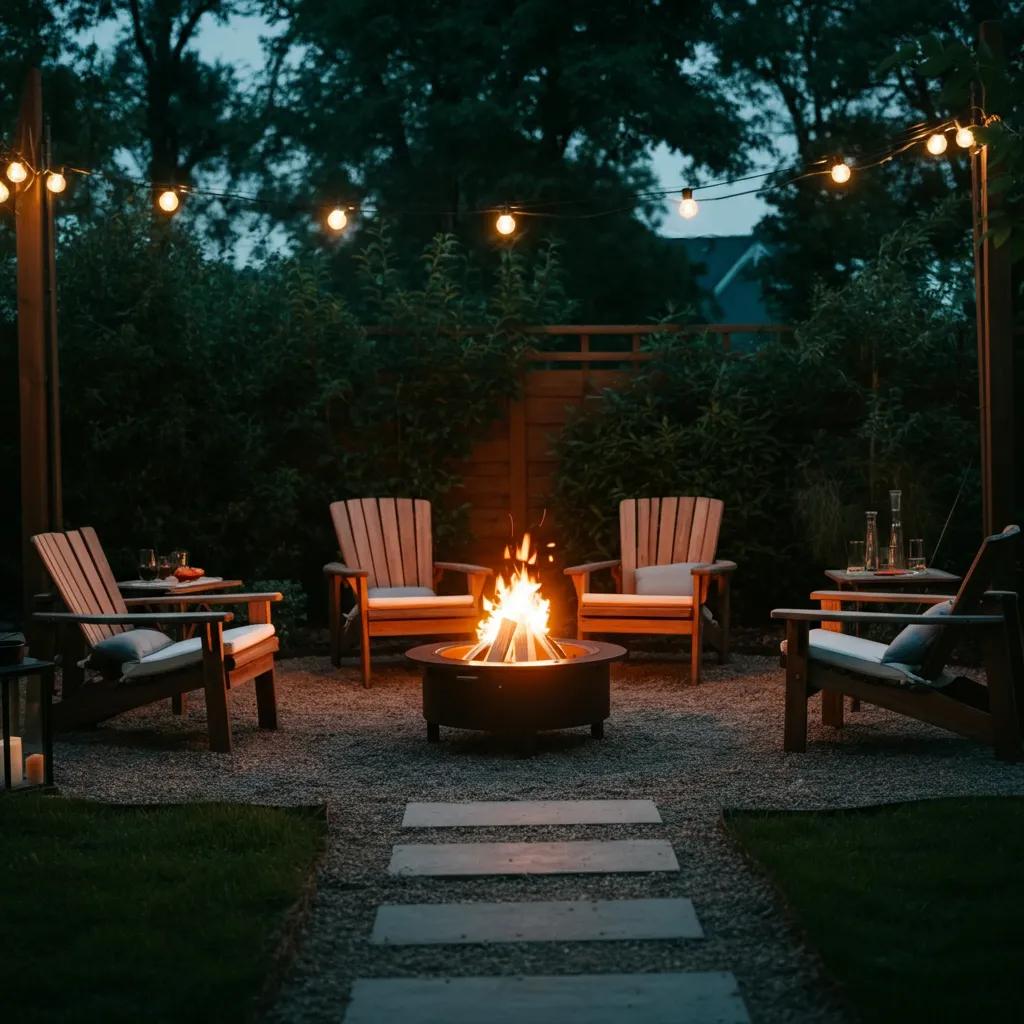
A small, portable fire pit can serve as a central gathering point. It provides warmth and a cozy glow, extending the usability of your garden into the cooler evenings.
Planting Strategies
16. Stick to a Limited Color Palette
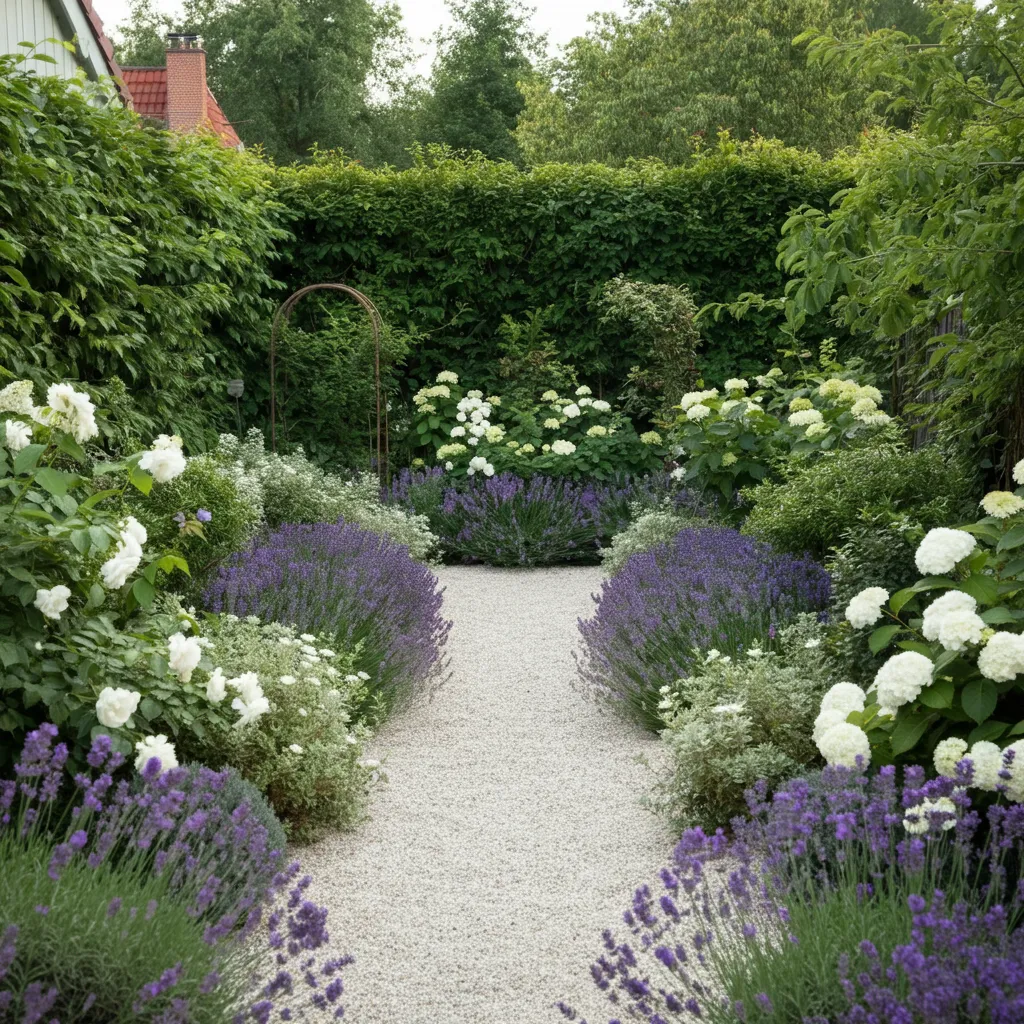
Using a cohesive color scheme for your plants can make a small garden feel more harmonious and less chaotic. Choose two or three complementary colors, like purples and whites or blues and yellows, for a polished look.
17. Layer Your Plantings
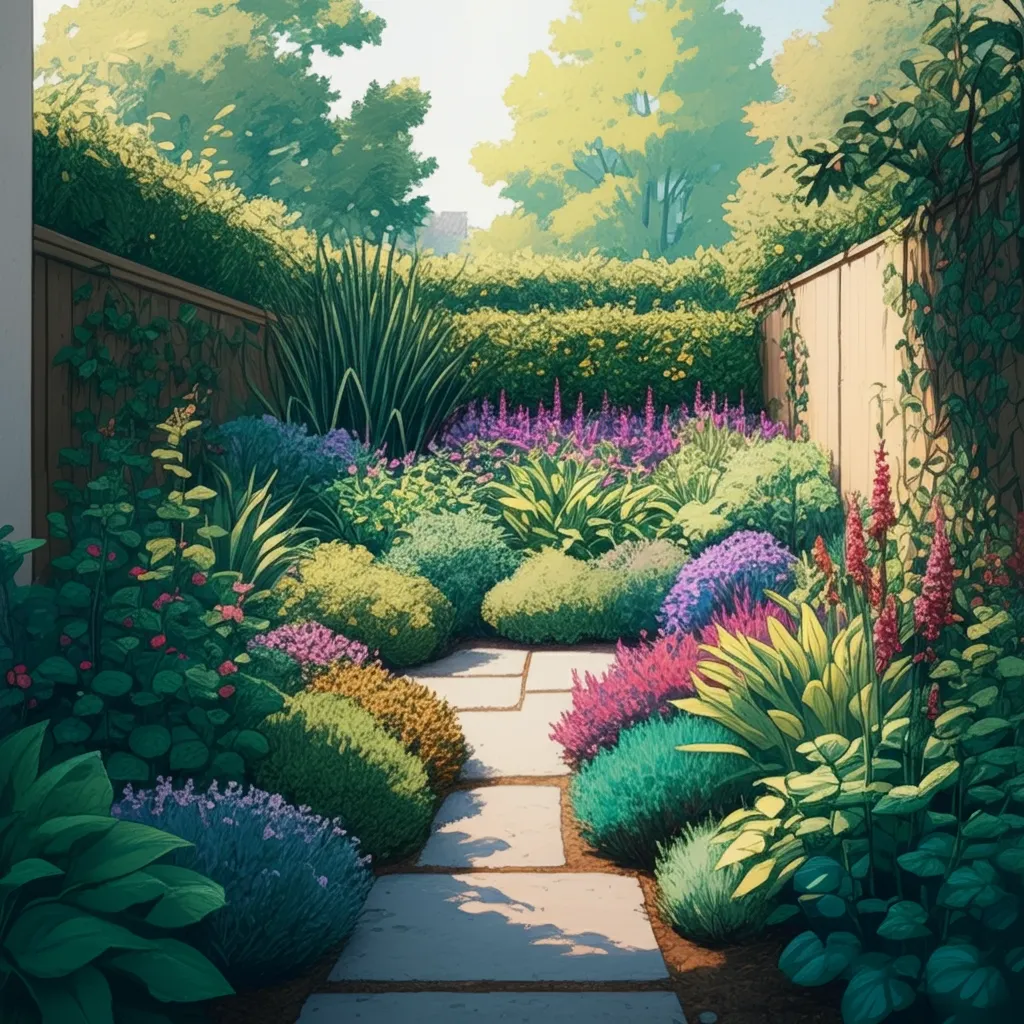
Create depth by layering plants of different heights. Place taller plants at the back of a border, medium-sized shrubs in the middle, and low-growing perennials and annuals at the front.
18. Focus on Foliage and Texture
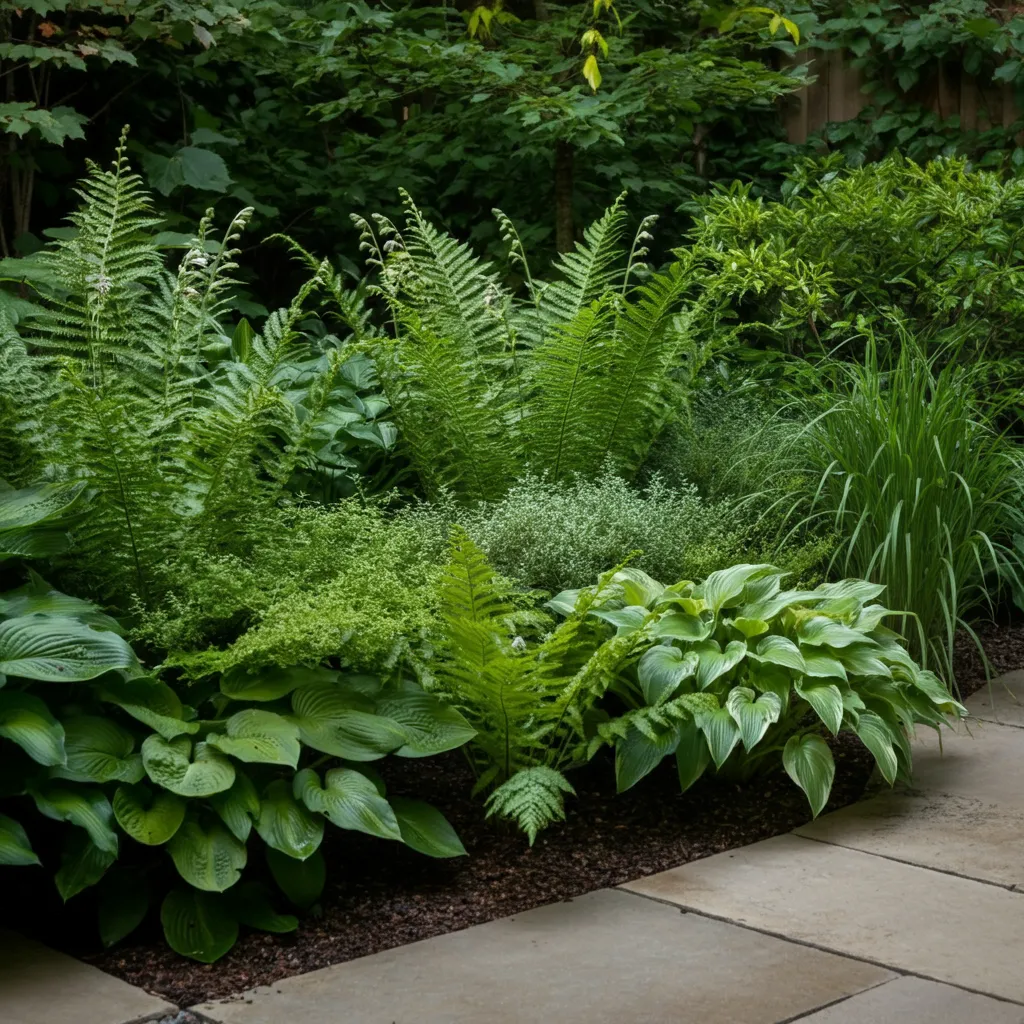
Flowers are beautiful, but they come and go. Build a garden with strong bones by focusing on plants with interesting foliage textures and colors, such as ferns, hostas, and ornamental grasses. These decor ideas ensure year-round interest.
19. Container Gardening is Your Friend
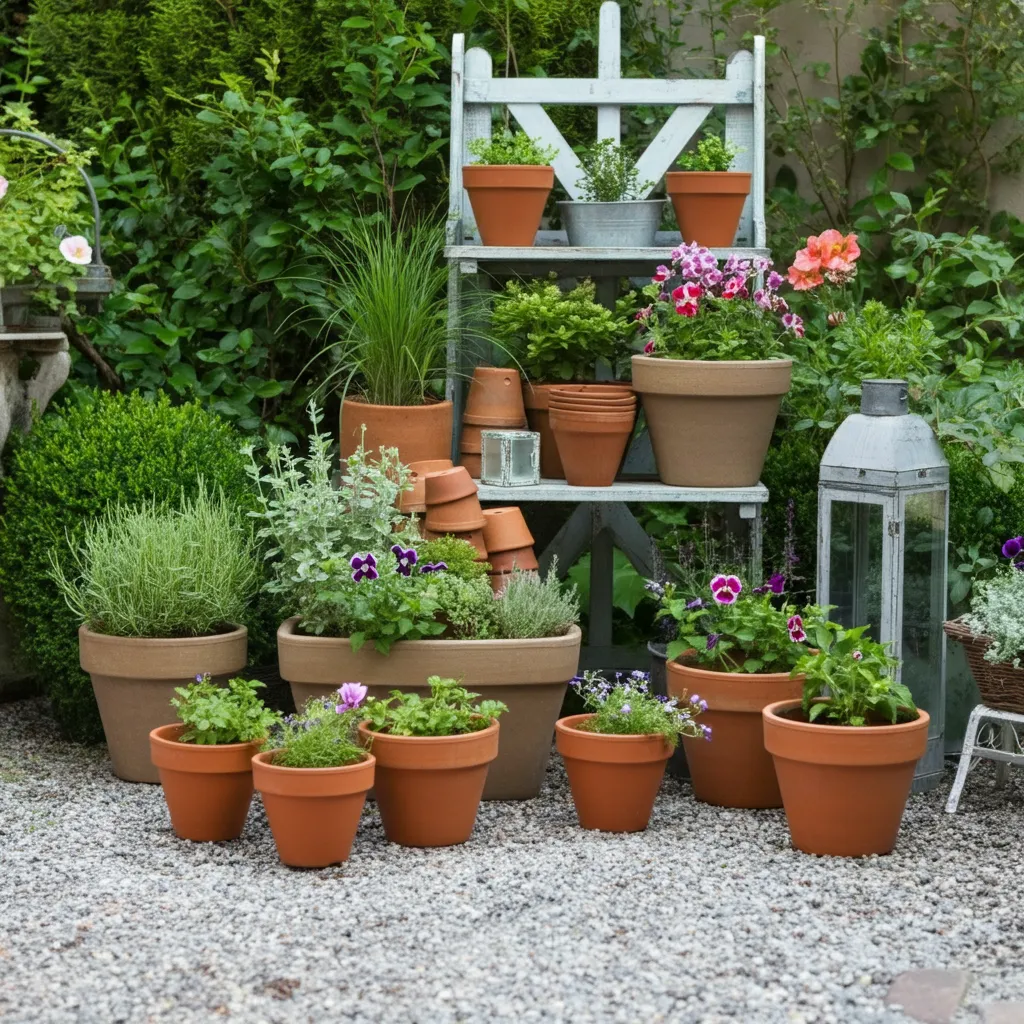
Rely heavily on pots and containers of various sizes. This gives you the flexibility to move plants around, change up your design seasonally, and control the soil for specific plant needs.
20. Espalier Fruit Trees
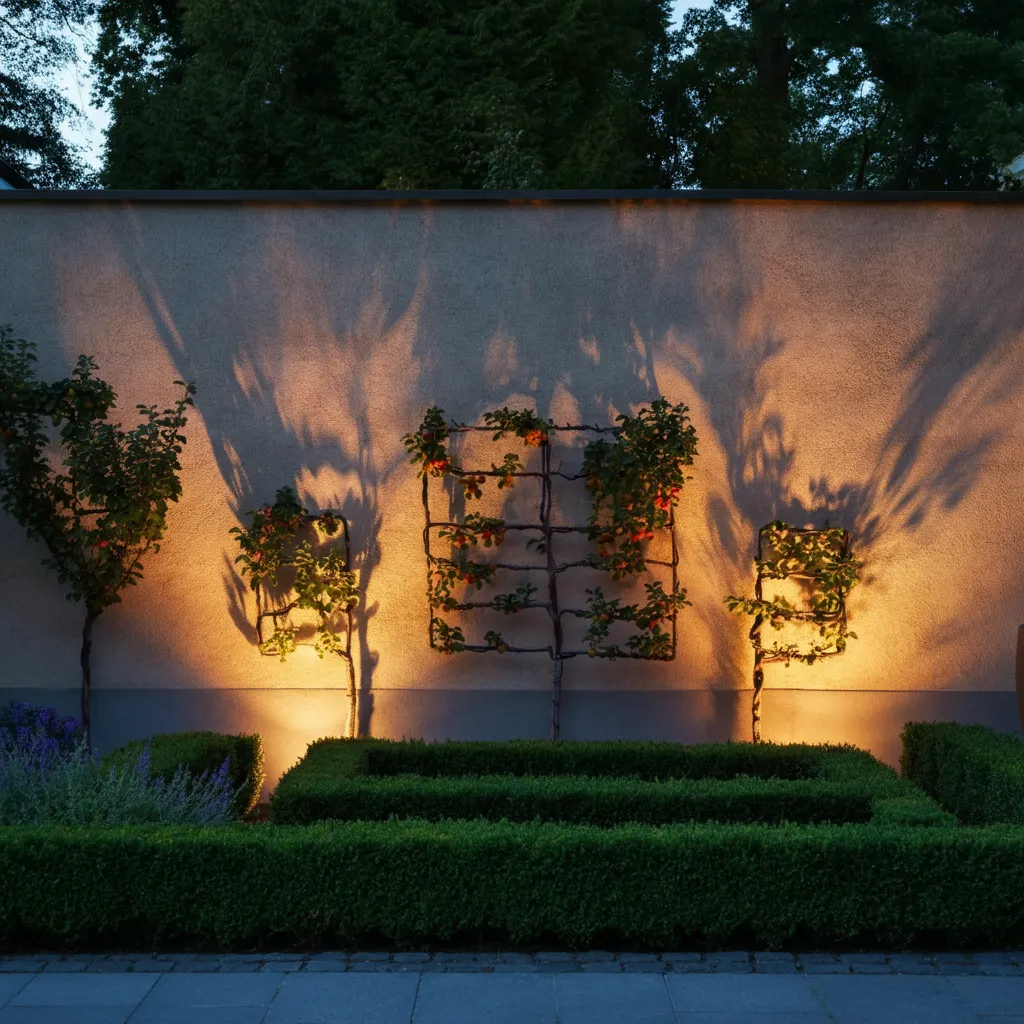
Espalier is the ancient art of training trees to grow flat against a wall or fence. This is a fantastic way to grow apples, pears, or citrus in a tight space, providing both beauty and a harvest.
Adding Personality and Charm
21. Light It Up
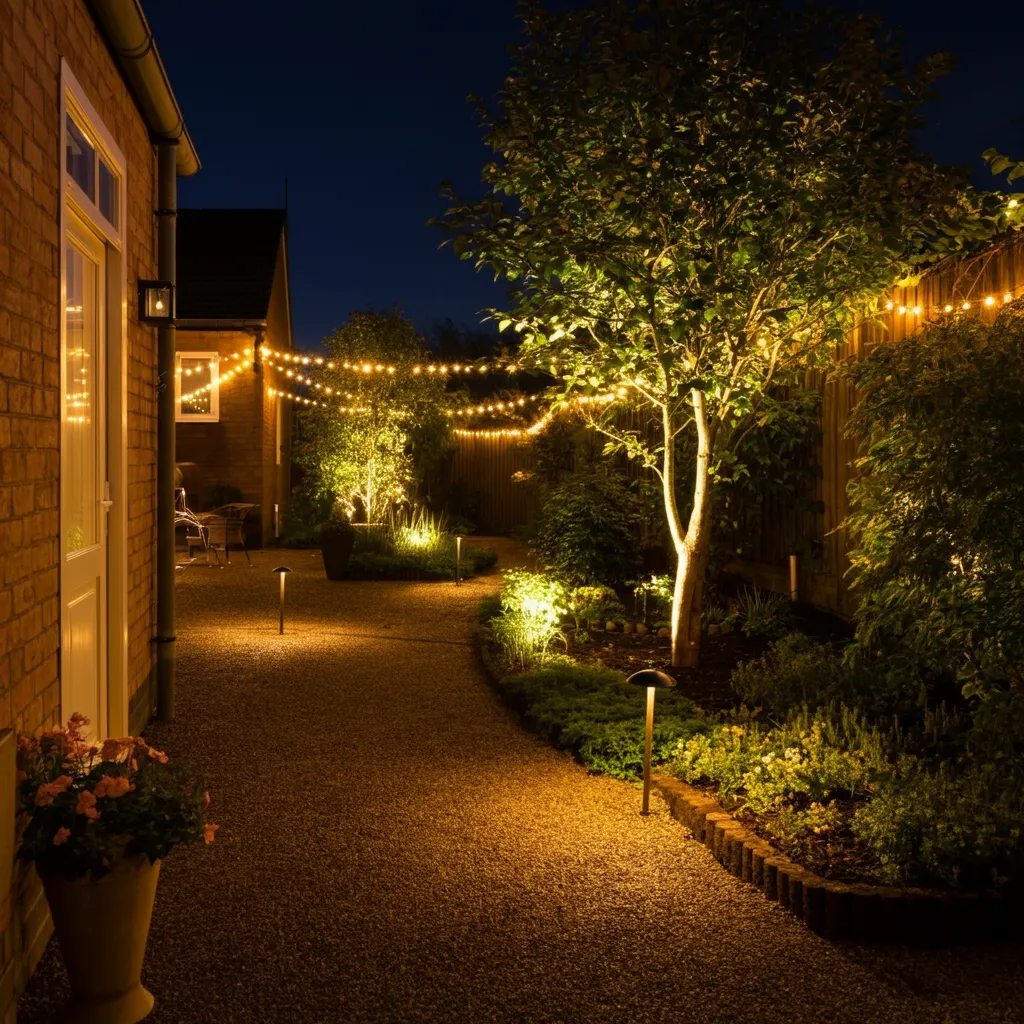
Strategic outdoor lighting can transform your garden at night. Use string lights for a festive atmosphere, uplight a feature tree for drama, or install path lights for safety and ambiance.
22. Incorporate Garden Art
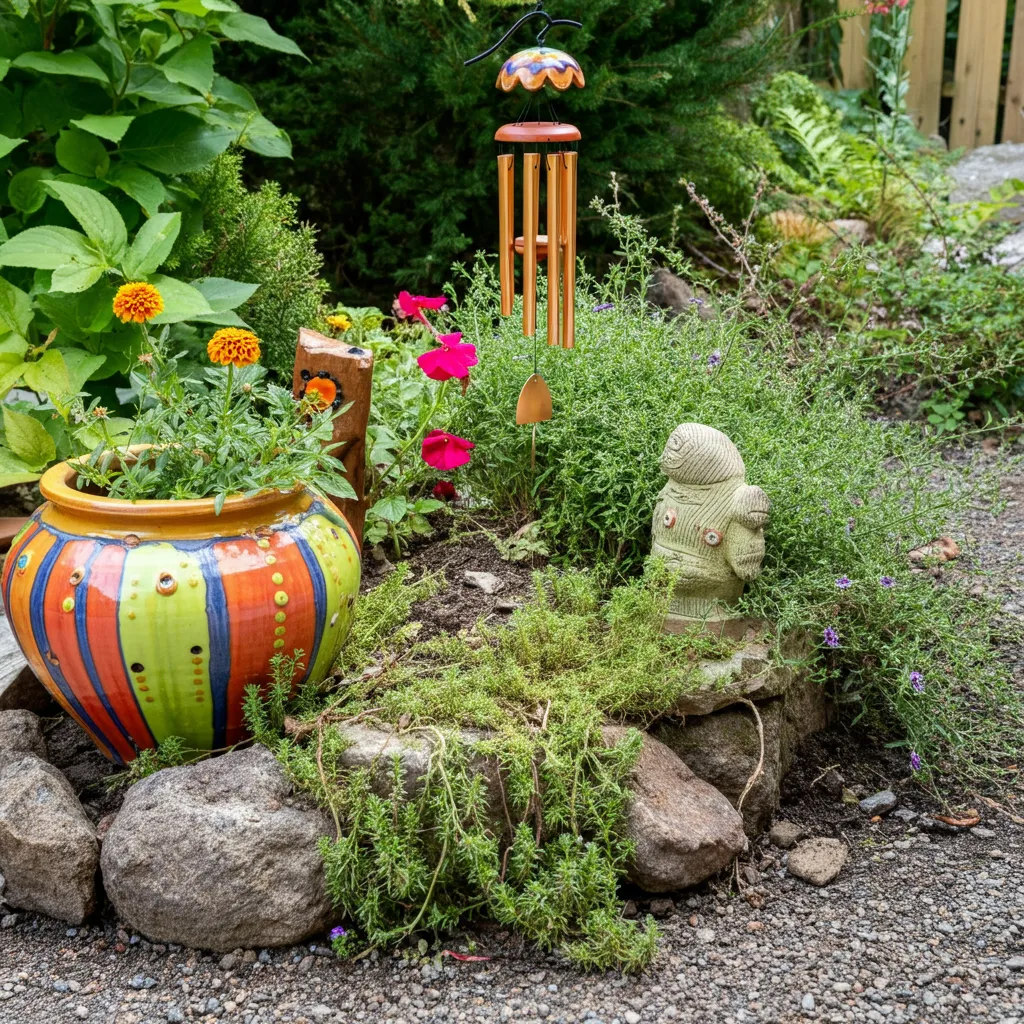
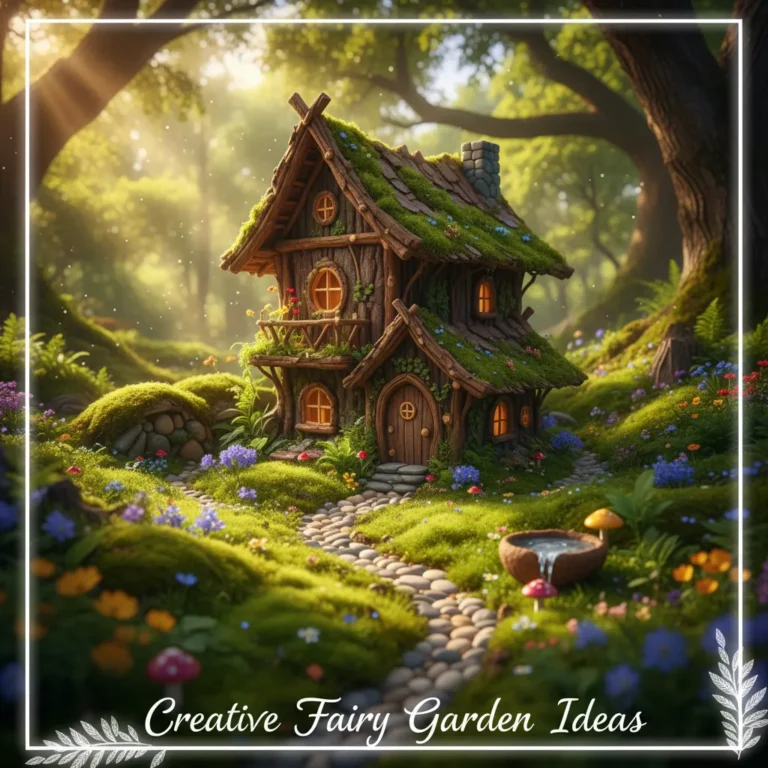
A unique sculpture, a colorful ceramic pot, or a whimsical wind chime can add a personal touch. Choose pieces that reflect your style and integrate them into your planting scheme.
23. Create a Mini Herb Garden
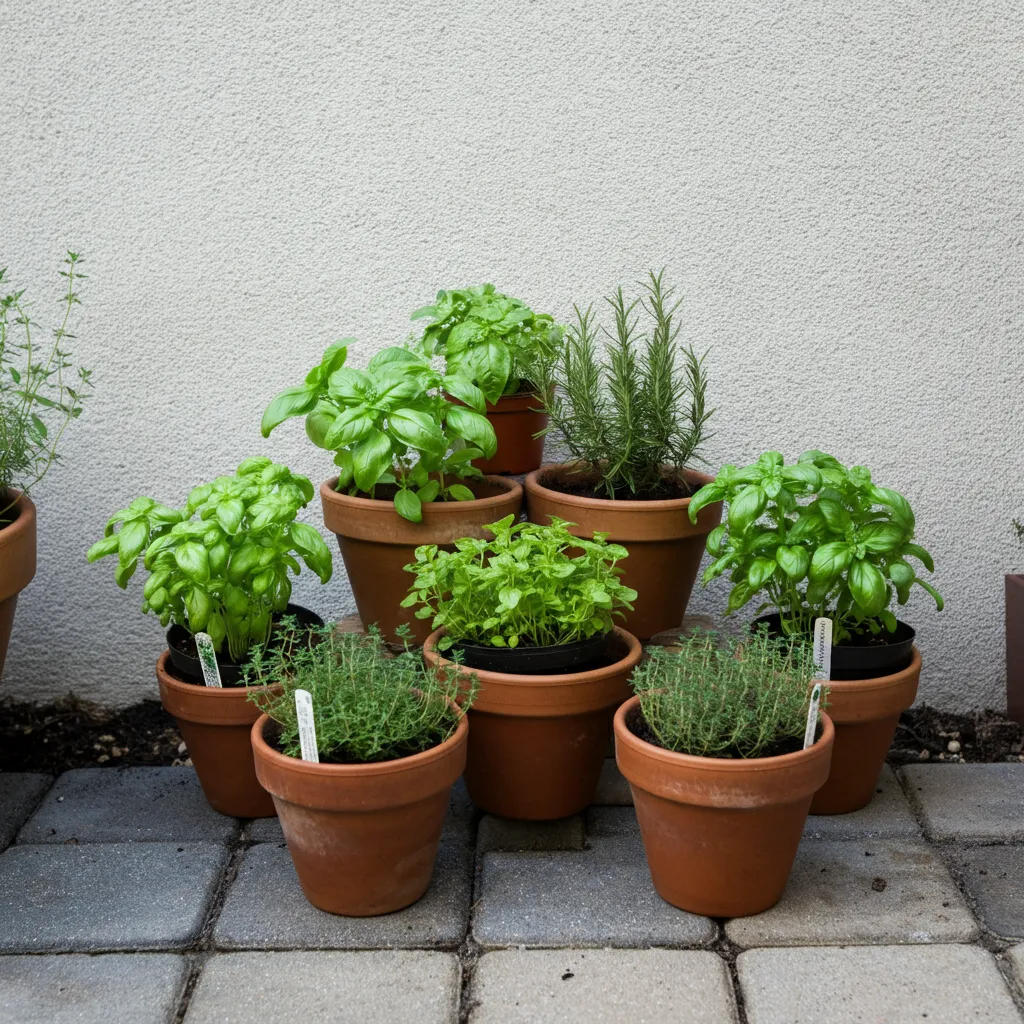
Dedicate a small corner or a series of pots to growing culinary herbs. It’s both a practical and sensory addition, providing fresh flavors for your kitchen and wonderful scents for your garden.
24. Build a Small Raised Bed for Vegetables
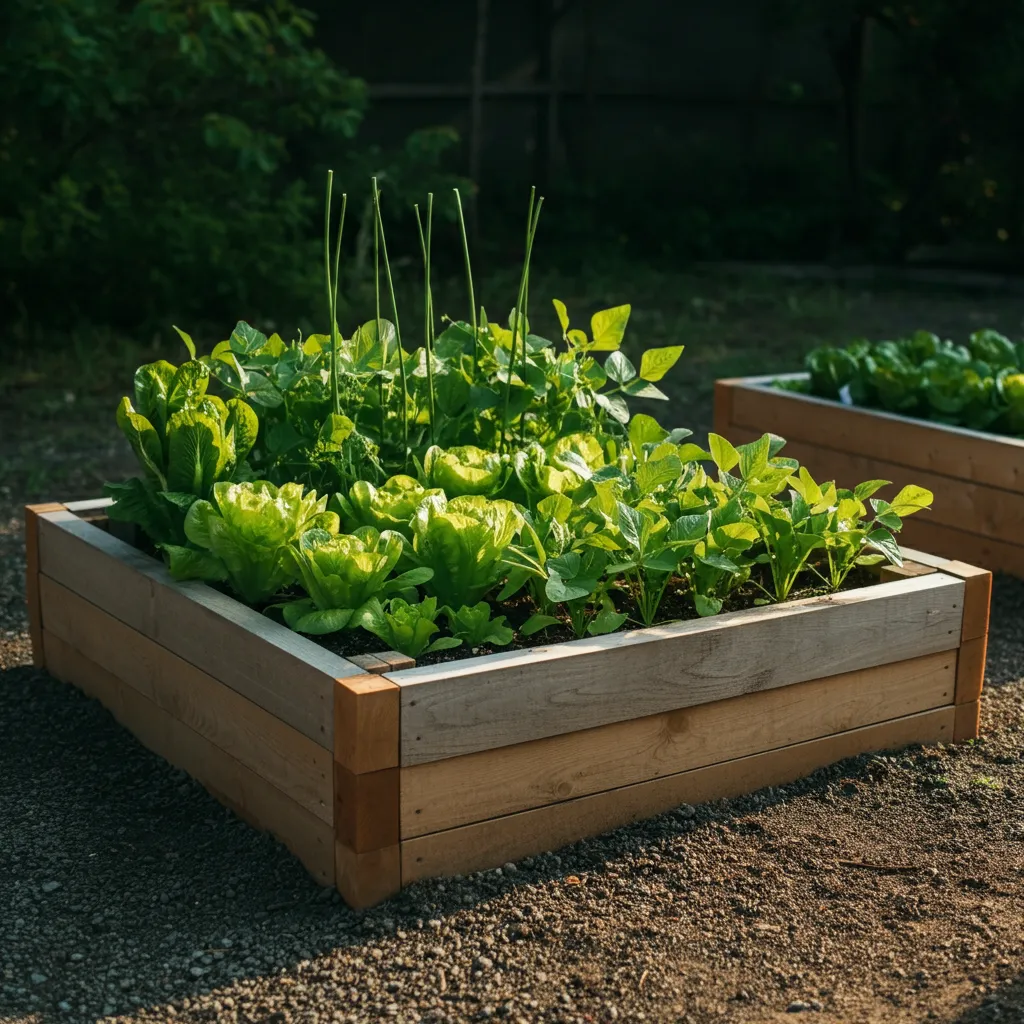
You don’t need a huge plot to grow your own food. A single raised bed, even just 4×4 feet, can provide a surprising amount of fresh vegetables like lettuce, radishes, and bush beans.
25. Paint a Fence or Wall
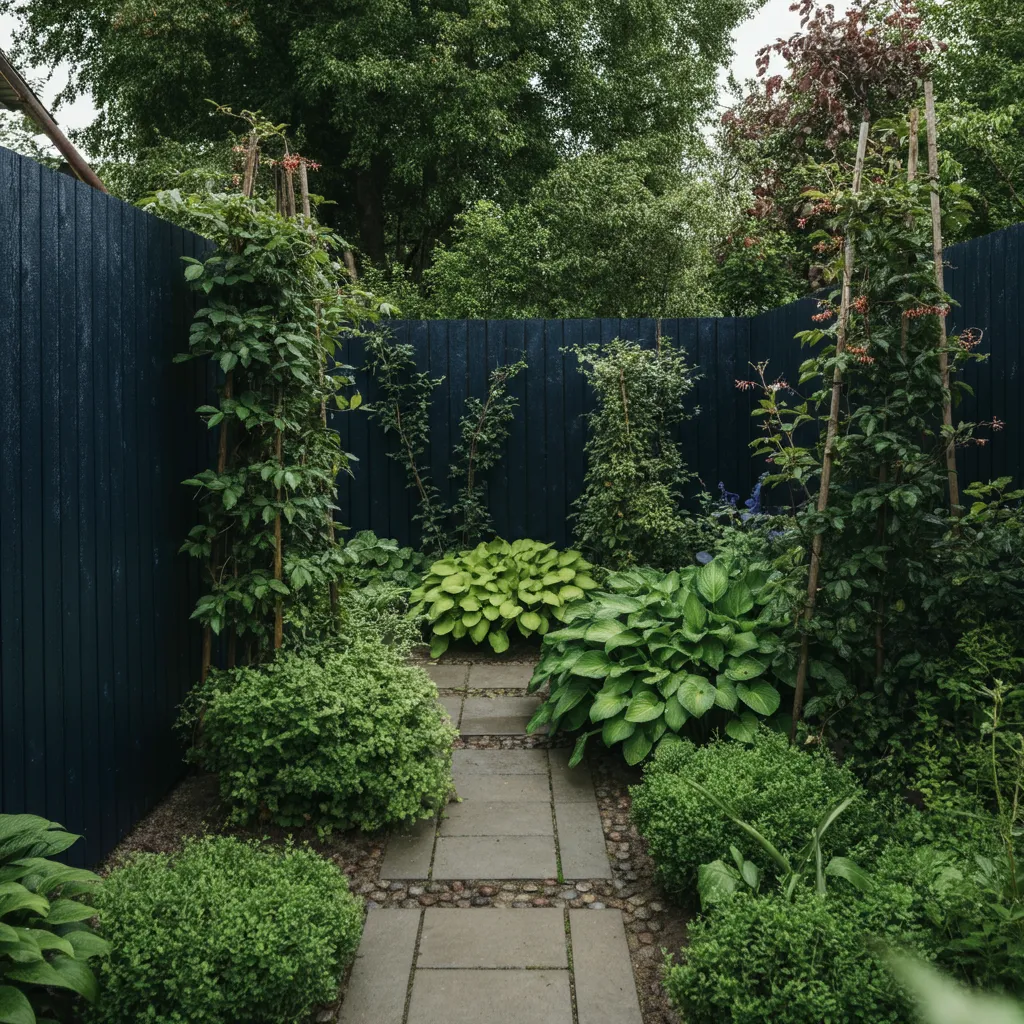
Don’t underestimate the power of paint. A dark-colored fence can make the boundary recede and cause green foliage to pop. A bright, cheerful color can add a splash of personality and fun to your home decor.
Your Dream Garden is Within Reach
A small garden is a canvas for big ideas. It challenges you to be more creative, intentional, and resourceful. By using vertical space, designing smart layouts, and choosing the right plants and decor, you can craft an outdoor space that is both beautiful and deeply personal. Start with a clear plan, incorporate the ideas that resonate with you, and enjoy the process of watching your small garden flourish into a stunning retreat.
FAQs
How can I make a small garden feel larger?
Use vertical gardening, raised beds, and tiered planters to maximize space. Incorporating mirrors, light-colored pathways, and strategic plant placement can also create the illusion of a bigger, more open garden.
What are the best plants for a small garden?
Compact or slow-growing plants work well, including dwarf shrubs, herbs, succulents, and flowering perennials. Climbing plants like clematis or jasmine can add height without taking up much ground space.
How should I design pathways in a small garden?
Keep pathways narrow but functional, using materials like gravel, stepping stones, or wooden decking. Curved paths can add visual interest and make the garden feel larger, while straight paths work for a more structured look.
How can I create cozy seating in a small garden?
Use small benches, foldable chairs, or built-in seating along walls or raised beds. Adding cushions, small tables, and shaded areas with pergolas or umbrellas enhances comfort without overcrowding the space.
What are some tips for decorating a small garden?
Incorporate vertical elements like trellises, wall planters, or hanging baskets. Use mirrors or reflective surfaces, colorful pots, and layered textures with plants and ground covers. Lighting, such as solar lights or string lights, can make the space inviting during evenings.