Why Outdoor Plant Stands Often Fail and How to Succeed: 11 Inspiring Ideas
We have all been there. You spot a charming plant stand at the store, envisioning it nestled perfectly on your patio, holding up your favorite ferns. You bring it home, arrange your pots, and it looks beautiful—for about a month. Then, the inevitable happens. The metal starts to flake with rust, the wood begins to warp under the rain, or a sudden gust of wind sends the whole display tumbling across the deck.
It is a frustrating cycle that many gardening enthusiasts face. Creating an inviting outdoor sanctuary requires more than just buying the first tiered shelf you see. It requires a blend of durability and style. If you are looking for home decor that stands the test of time (and the elements), you need to understand the mechanics behind why these structures fail and how to choose better ones.
In this guide, we will explore the common pitfalls of outdoor displays and share 11 inspiring ideas to help you build a lush, layered garden that stays beautiful season after season.
The Harsh Reality: Why Most Stands Can’t Handle the Outdoors
Before we dive into the creative solutions, it is crucial to understand the problem. Most “outdoor” plant stands are actually designed with indoor aesthetics in mind, rather than outdoor durability.
1. Material Mismatch
The biggest culprit is the material itself. Many metal stands are painted rather than powder-coated. Once moisture penetrates that thin layer of paint—usually at a joint or screw hole—rust spreads like wildfire. Similarly, untreated softwoods might look warm and cozy initially, but they absorb water quickly, leading to rot and structural failure.
2. The Balance Problem
Wind is a factor we often forget until it is too late. A stand that is tall, narrow, and top-heavy with ceramic pots is a recipe for disaster. Outdoor stands need a lower center of gravity or a wider base than their indoor counterparts to withstand unexpected gusts.
3. Drainage Disasters
Indoor stands often have solid shelves to protect carpets from drips. Outdoors, solid shelves allow water to pool around the base of your pots. This standing water accelerates rust on metal stands and rot on wooden ones, while also potentially drowning your plants’ roots.
11 Inspiring Ideas for Durable and Cozy Outdoor Displays
Now that we know what to avoid, let’s look at how to get it right. These decor ideas focus on stability, weather resistance, and creating that warm, lived-in vibe we all crave for our outdoor spaces.
1. The Classic Teak Ladder
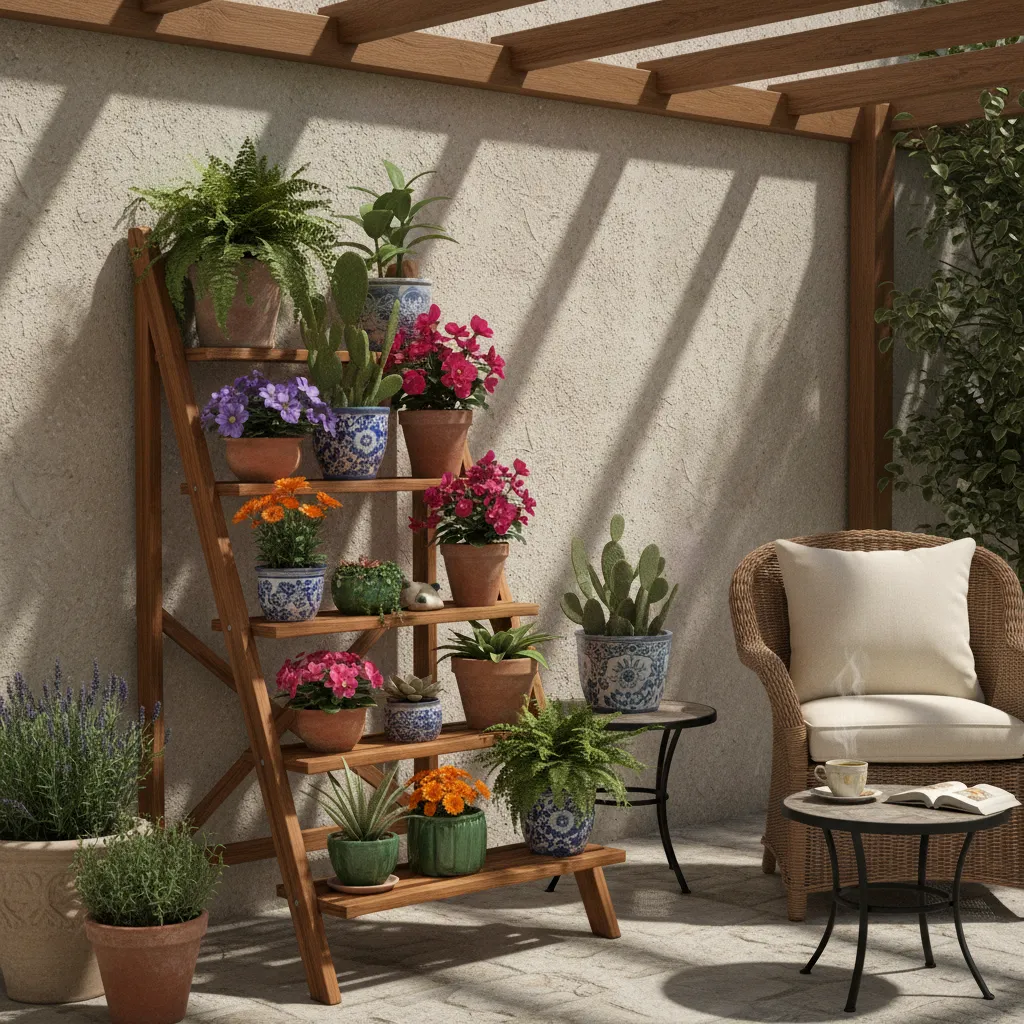
If you love the warmth of wood, skip the cheap pine and invest in teak or cedar. A ladder-style stand leans against a wall, offering excellent stability. Because the weight is distributed back toward the wall, it handles wind beautifully. The natural oils in teak make it incredibly resistant to rain, turning a lovely silver-gray over time without rotting.
2. The Repurposed Vintage Bicycle
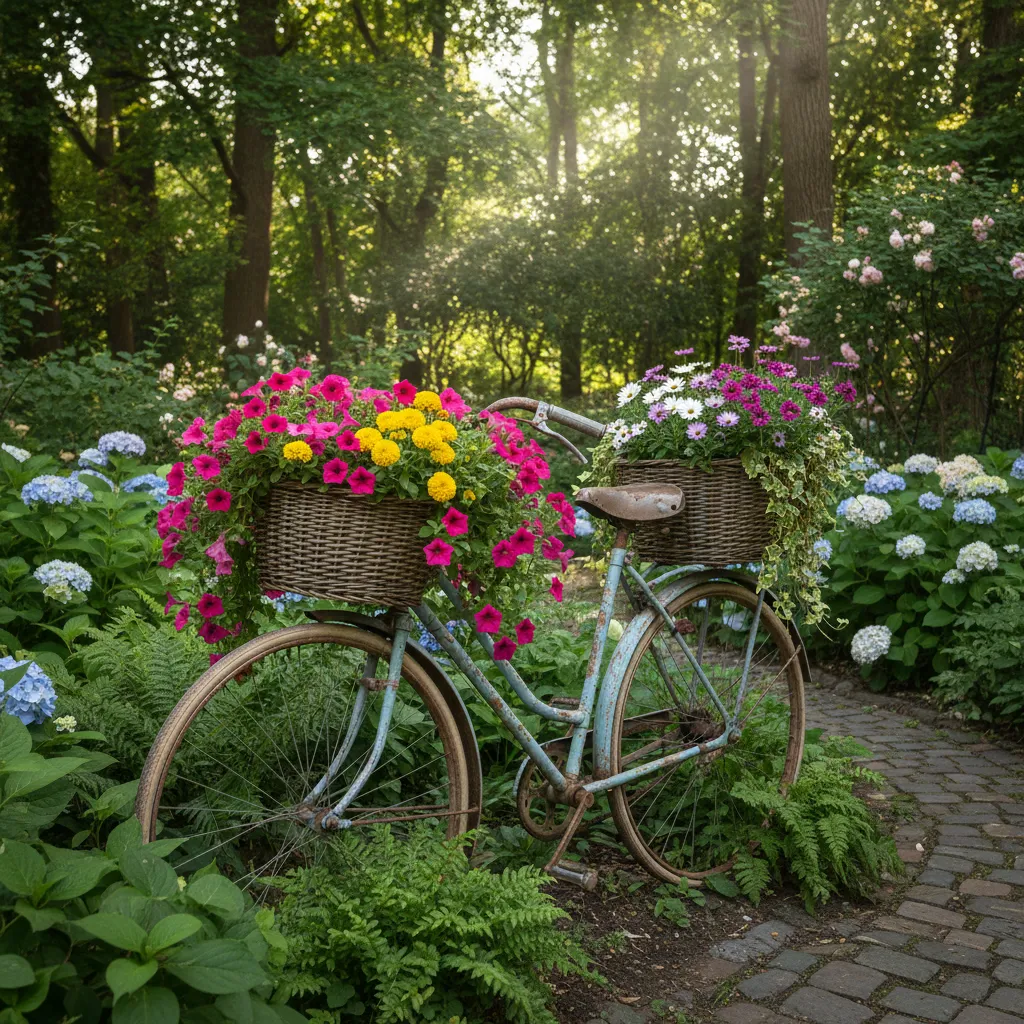
For a touch of whimsy, nothing beats a vintage bicycle converted into a planter. The heavy steel frame of an old bike provides substantial weight, keeping it grounded. You can place baskets on the handlebars and the rear rack. This adds a nostalgic, storybook charm to your garden that modern stands just can’t replicate.
3. Industrial Cinder Block & Wood Bench
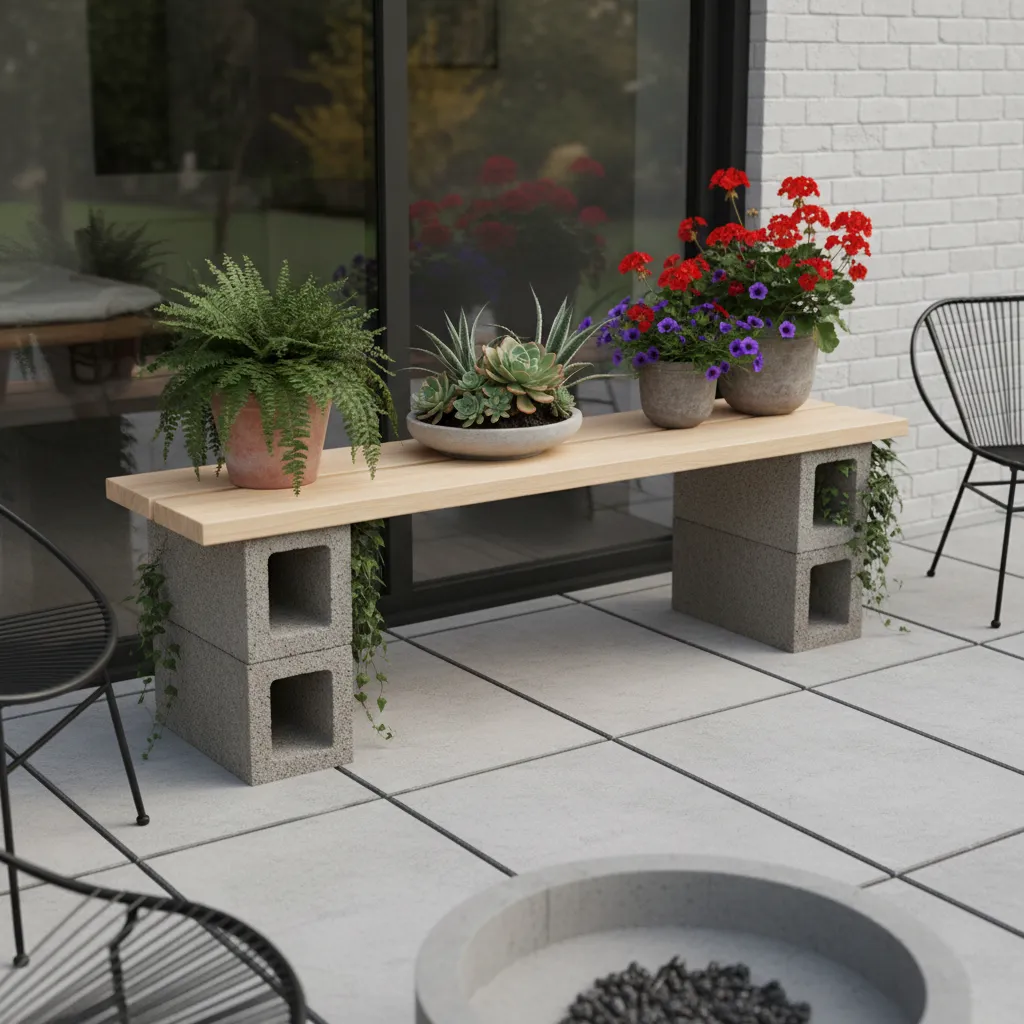
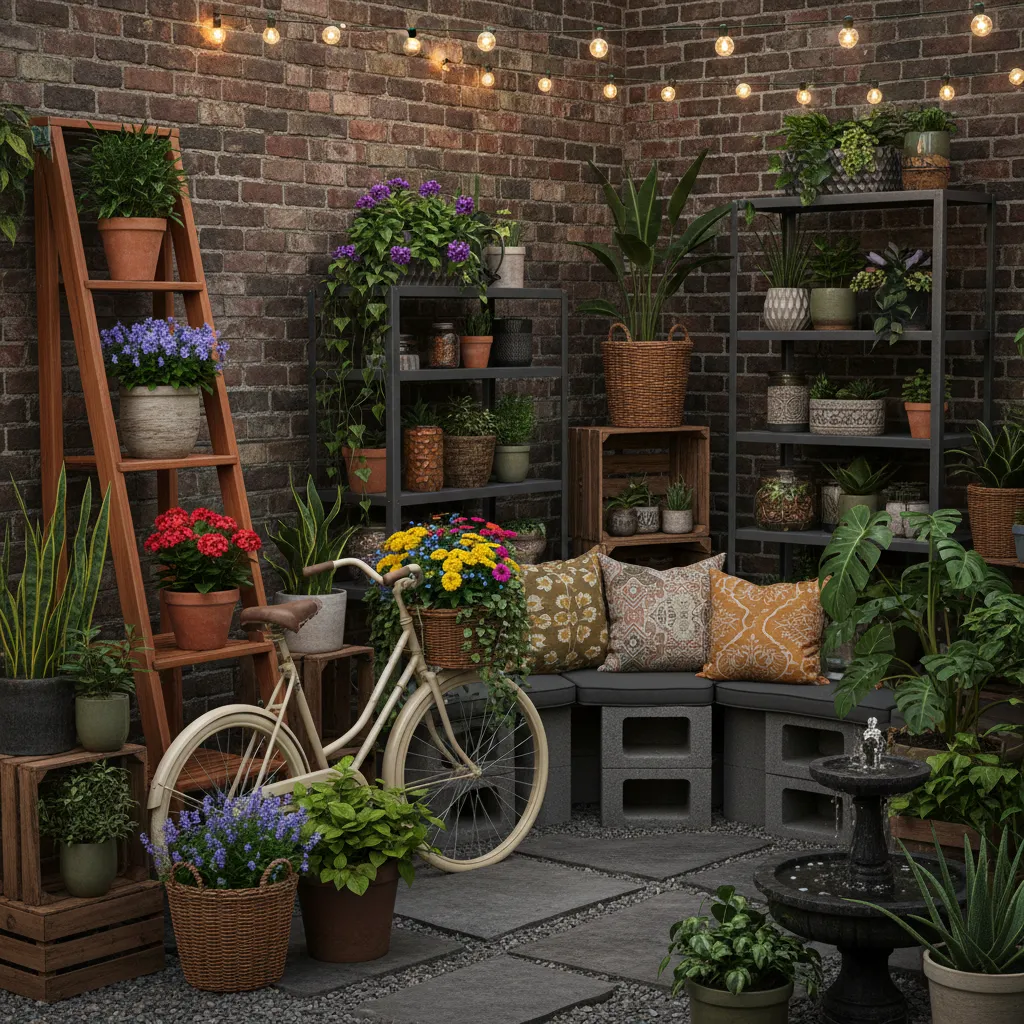
Sometimes the best home decor is what you build yourself. By stacking cinder blocks and sliding treated timber planks through the holes, you create a heavy, immovable, and modern plant bench. This is one of those excellent Weekend Garden Projects for Your Home Decor that allows you to customize the length and height to fit your specific space perfectly.
4. Heavy-Duty Iron Scrollwork (Powder-Coated)
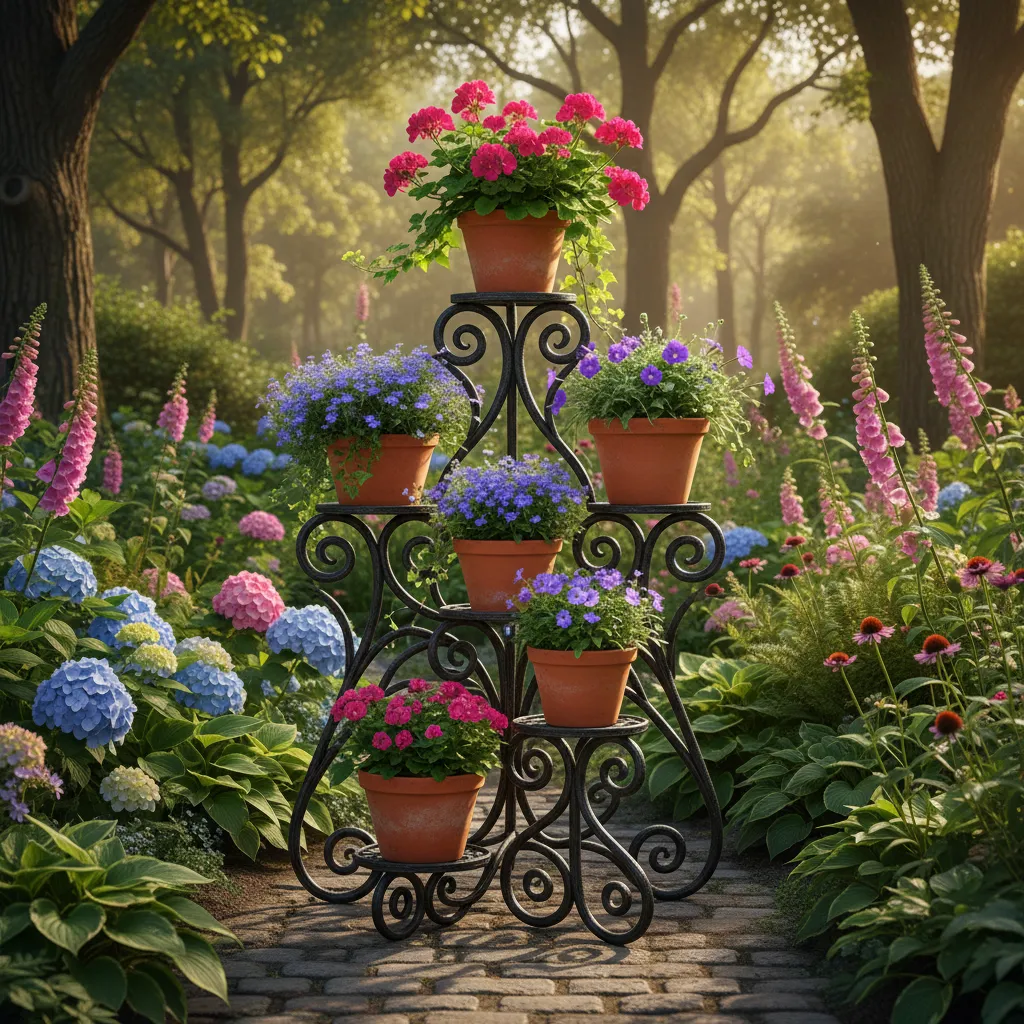
If you prefer the romantic, Victorian look, look for heavy cast iron that has been powder-coated, not just spray-painted. These stands are heavy enough to stay put during storms. Their open scrollwork design prevents water from pooling under the pots, which preserves the metal for decades.
5. Vertical Wall-Mounted Planters
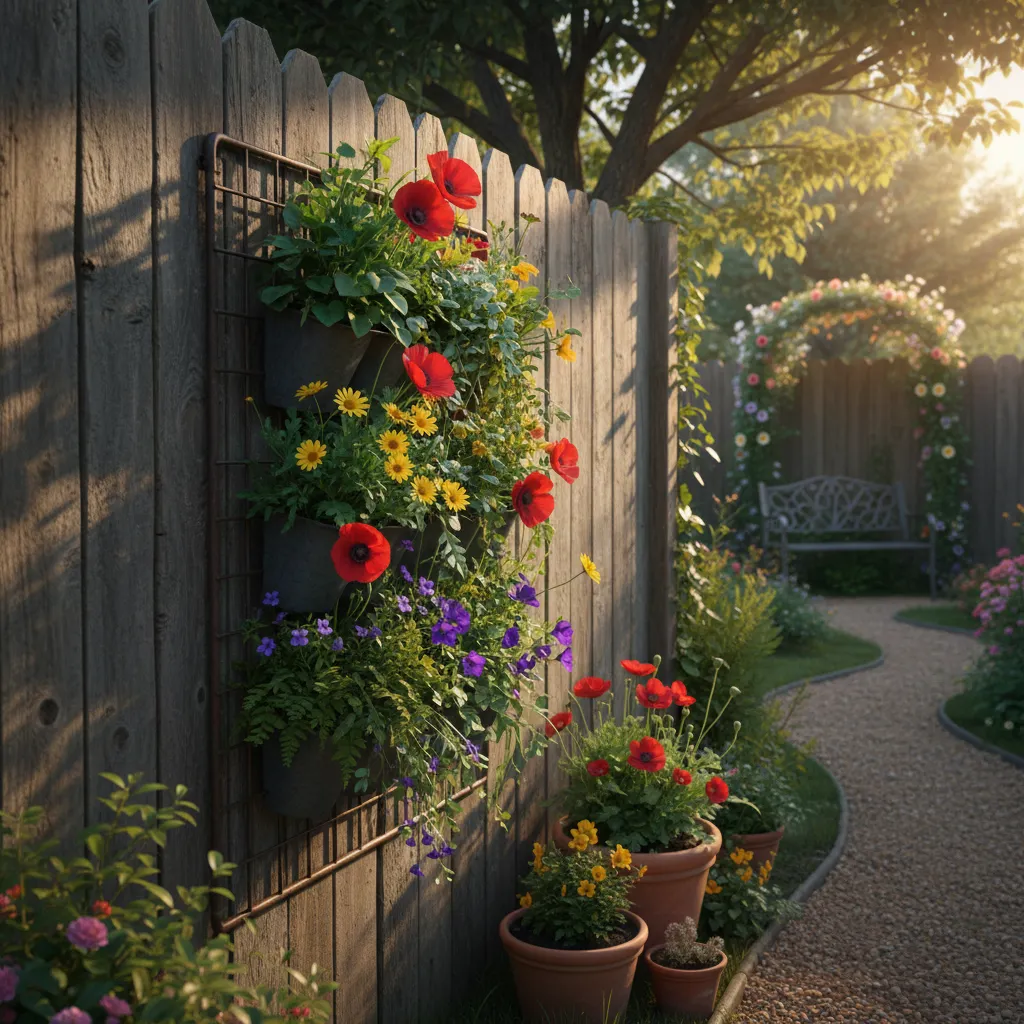
One of the best ways to ensure a stand doesn’t fall over is to bolt it to a fence or wall. Vertical wall planters are fantastic for small backyards where floor space is premium. If you are working with limited square footage, check out other Creative Flower Garden Ideas for Small Backyards to maximize your vertical growing space.
6. The “Baker’s Rack” Transformation
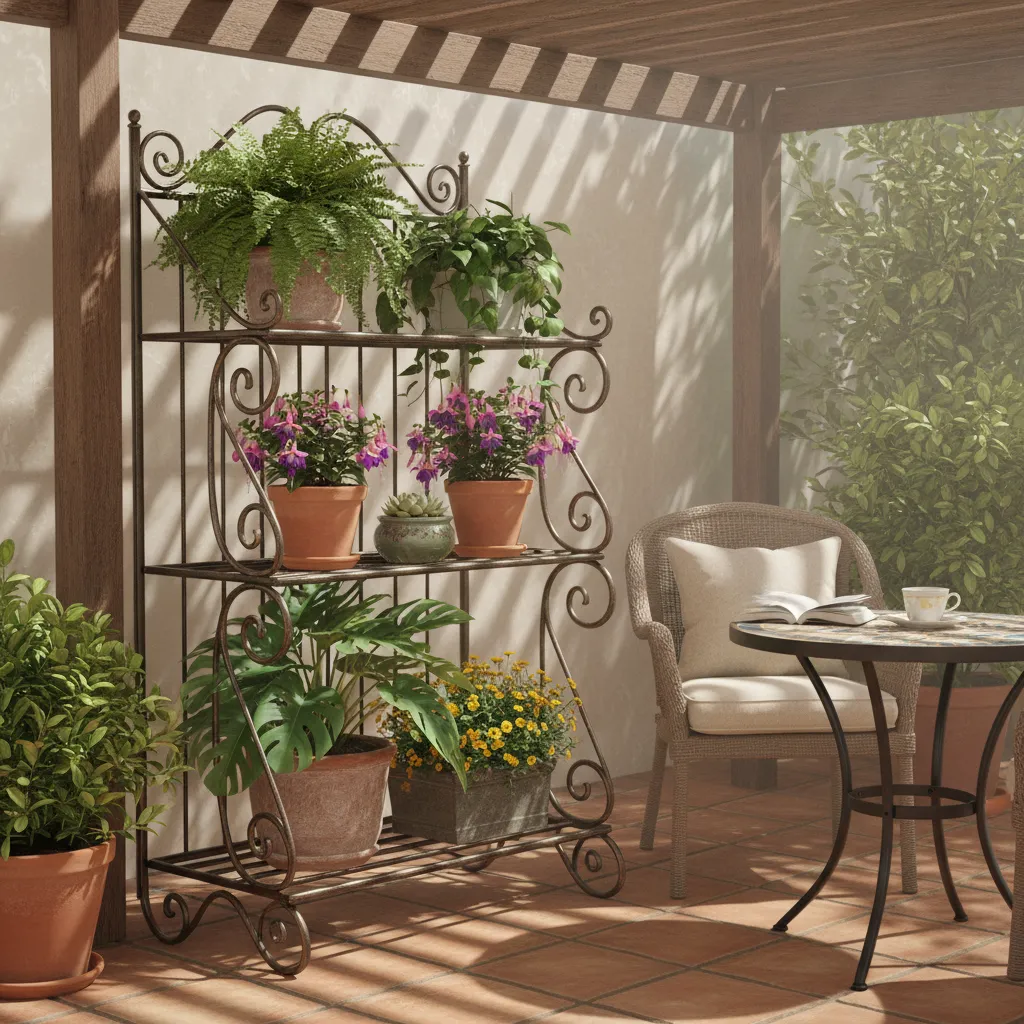
A wrought-iron baker’s rack is often sturdier than stands marketed specifically for plants. They offer deep shelves and usually fold up for winter storage. The wire shelving allows for perfect drainage and airflow, keeping your collection healthy. This multi-tiered look helps you layer plants by height, creating a lush “wall” of greenery.
7. Tiered Corner Stands for Cozy Nooks
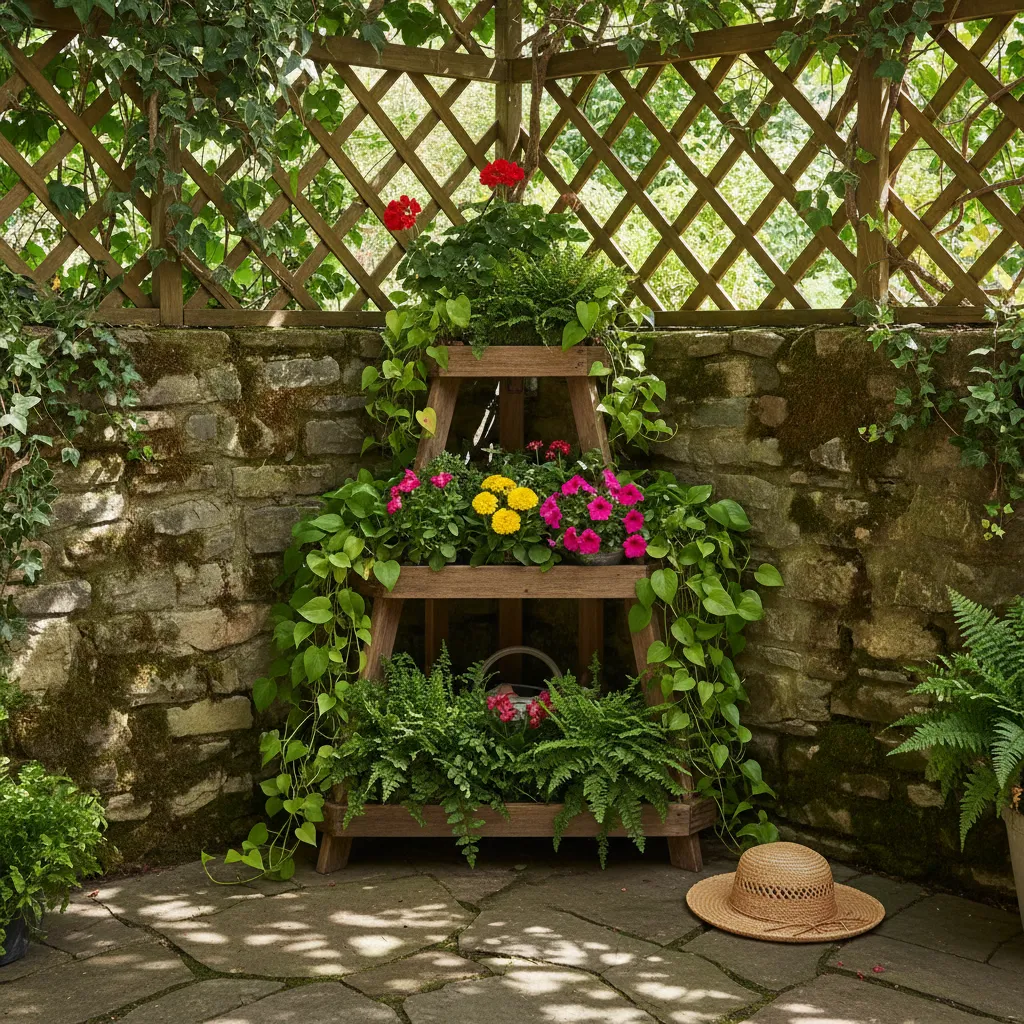
Corners are often underutilized on patios. A heavy-duty corner stand wraps around the edge of your space, softening harsh architectural lines. This is a technique often used inside the house to create warmth. In fact, many people Style Indoor Plants using these ideas and find they translate perfectly to covered patios and porches, bridging the gap between inside and out.
8. Macramé Hanging Gardens
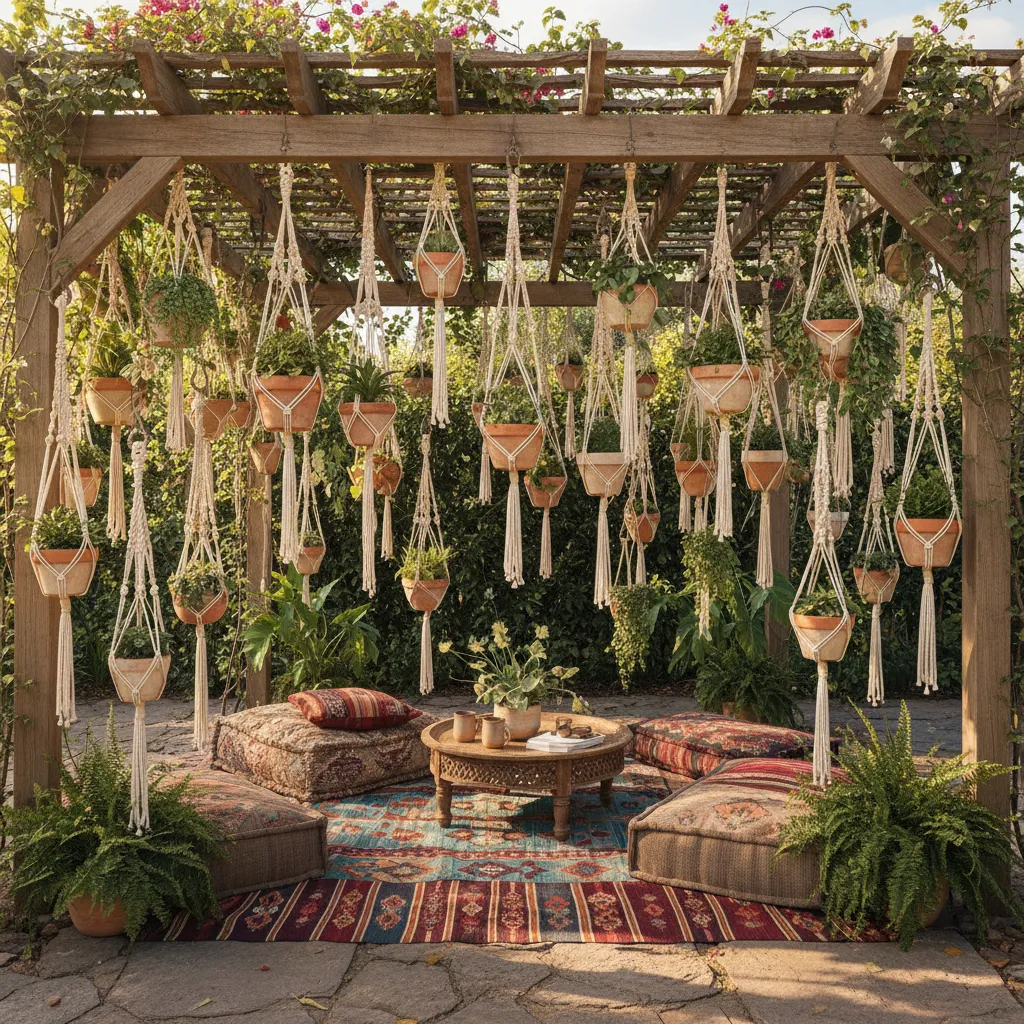
If floor space is an issue, look up! Using synthetic, weather-resistant rope for macramé hangers allows you to suspend plants from porch eaves or pergolas. This keeps pots off the ground and away from pests. Hanging plants are also excellent for humidity-loving varieties. You might already use similar hanging techniques if you have explored Creative Ways to Decorate Your Bathroom with Plants, where hanging ferns thrive in the moist air.
9. Concrete Pedestals
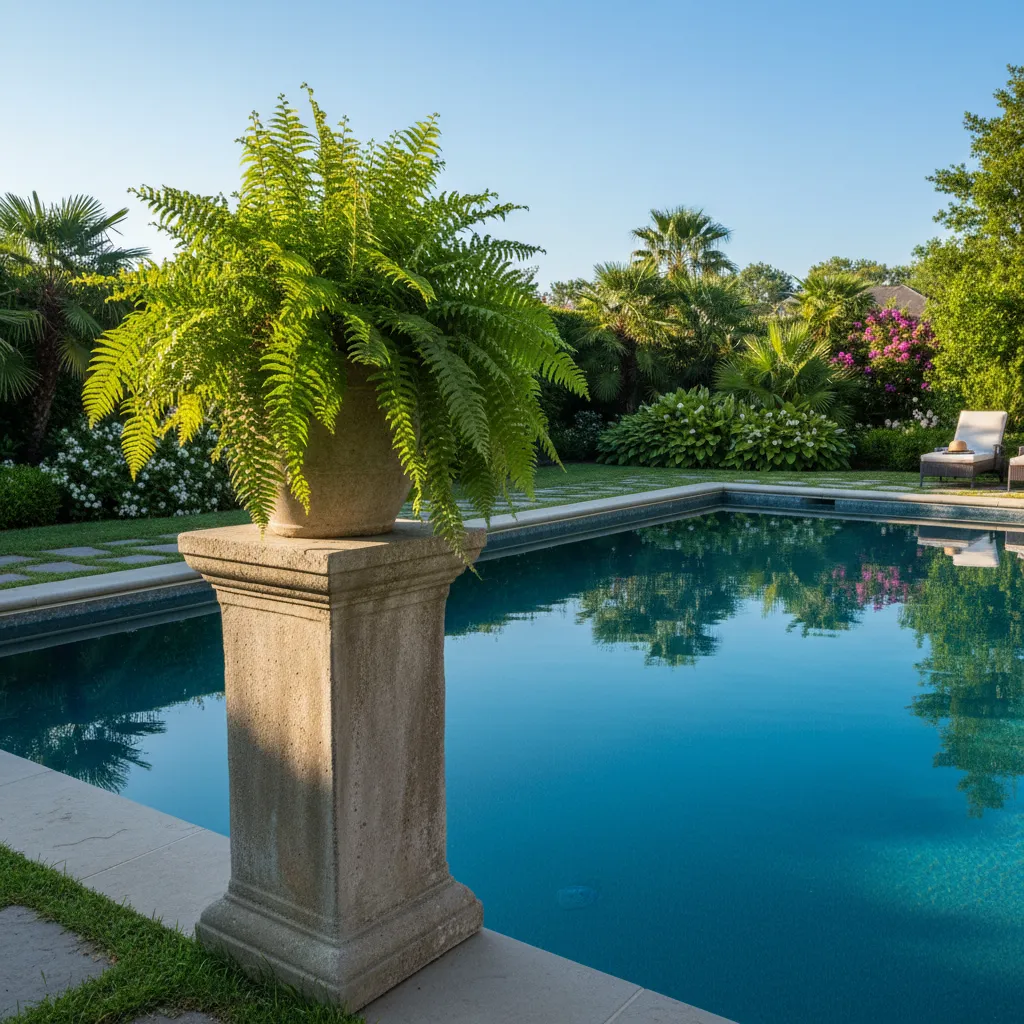
For a grand, estately look, concrete plinths or pedestals are unbeatable. They will never blow over, never rot, and never rust. They provide a neutral, stony backdrop that makes green foliage pop. These look particularly stunning when placed near water features. If you are lucky enough to have a water feature, these pedestals complement Stunning Pool Designs for Your Backyard by adding height and structure around the pool deck.
10. The Rolling Industrial Cart
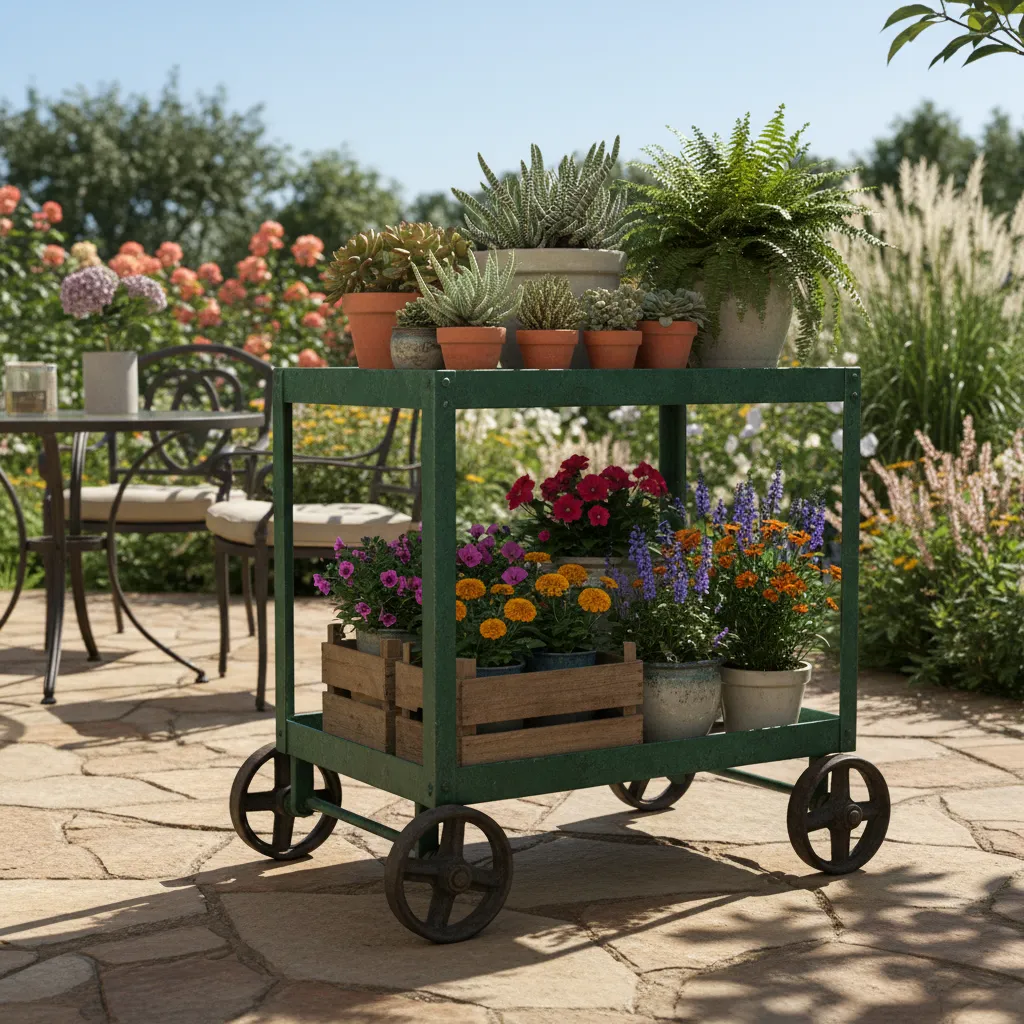
Flexibility is key for outdoor longevity. A metal utility cart with locking wheels allows you to move your plants into the sun or shade as the seasons change, or roll them into the garage during a freeze. This functional approach is similar to how many people organize dynamic work environments. You can Transform Your Workspace With these Planting Ideas, and applying that same mobile logic to your patio ensures your plants always have the best conditions.
11. Nested Tables
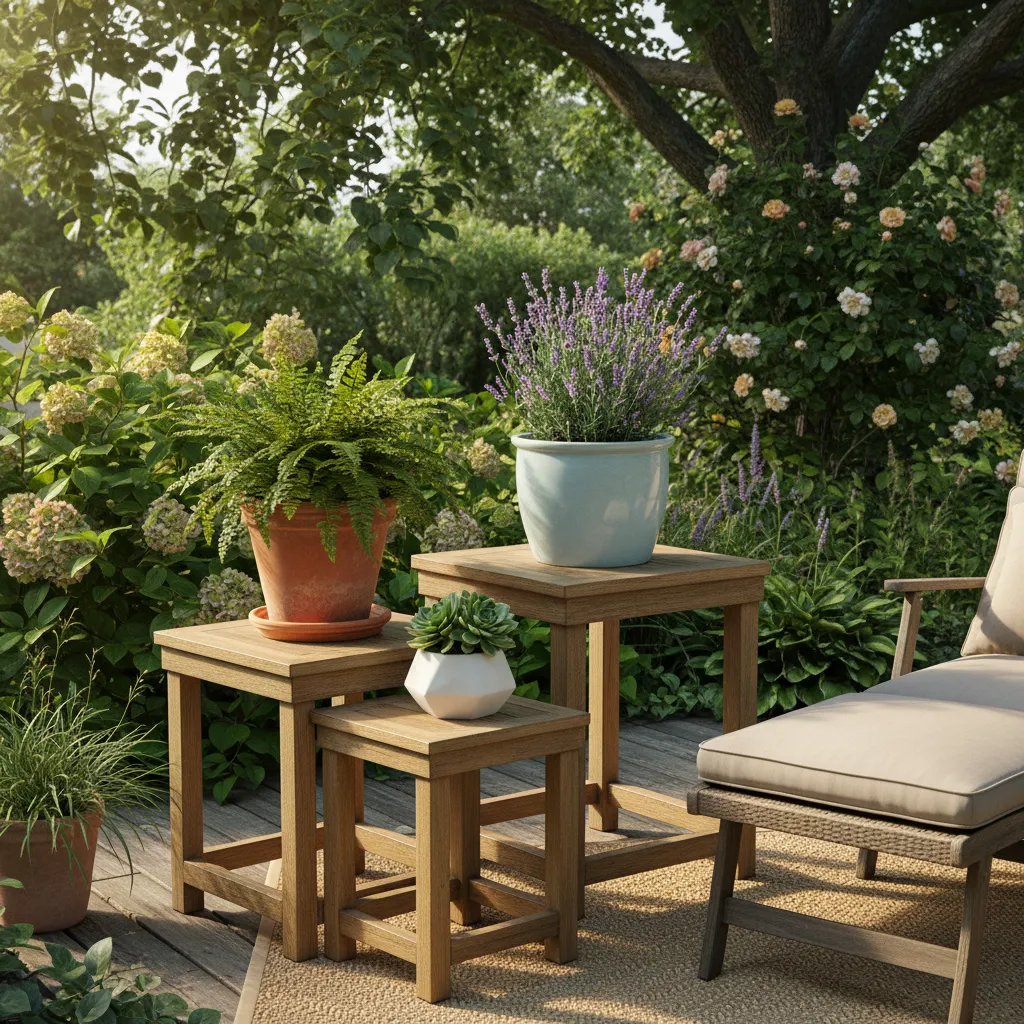
Instead of one large unit, try a set of three nested tables of varying heights. This allows you to create a clustered “vignette” of plants. It is visually interesting because it adds depth to your arrangement. If one table gets damaged, the whole display isn’t ruined; you simply replace one piece.
Maintenance: The Key to Longevity
Even the best decor ideas need maintenance to survive the outdoors. To keep your new setup looking fresh:
- Seal Your Wood: Apply a marine-grade sealant to wooden stands once a year to prevent moisture intrusion.
- Touch Up Metal: Keep a small bottle of matching rust-oleum paint. If you see a scratch on your metal stand, seal it immediately before rust begins.
- Check the Feet: The feet of the stand sit in puddles. Consider adding rubber furniture pads or placing the stand on pavers to elevate the legs slightly off the wet ground.
Conclusion
Outdoor plant stands don’t have to be a seasonal purchase that ends up in the landfill. By choosing the right materials—like heavy iron, concrete, or treated wood—and prioritizing stability over flimsy aesthetics, you can create a garden display that endures.
Whether you opt for a DIY cinder block bench or a classic tiered iron rack, the goal is to create a space that feels inviting and secure. Your outdoor space is an extension of your home, and with these 11 ideas, you can build a lush, green retreat that stays cozy and beautiful for years to come.
FAQs
Why do outdoor plant stands often fail?
Outdoor plant stands can fail due to poor material choice, exposure to harsh weather, instability, or improper weight distribution. Cheaper materials like untreated wood or low-quality metal may warp, rust, or break over time, leading to structural failure.
What materials are best for outdoor plant stands?
Durable, weather-resistant materials like teak, cedar, powder-coated metal, or high-quality resin are ideal. These materials withstand moisture, sun exposure, and temperature changes, ensuring longevity and stability.
How can I prevent my plant stand from tipping over?
Place heavier plants on lower shelves, ensure the stand is on a level surface, and choose stands with wide bases. Anchoring tall or top-heavy stands against a wall can also prevent tipping.
Can I make an outdoor plant stand myself?
Yes! DIY plant stands can be made using reclaimed wood, sturdy metal pipes, or cinder blocks. Ensure proper design, balance, and weatherproofing to avoid common failures while adding a personalized touch.
What are some inspiring outdoor plant stand ideas?
Consider tiered stands for visual interest, hanging planters to save floor space, ladder-style shelves, and modular stands that can be rearranged. Combining different heights and textures creates an attractive, functional display that succeeds where typical stands often fail.