15 Japandi Bedroom Ideas for a Serene Sanctuary
The bedroom should be the one place in your house where the noise of the day simply melts away. If you find yourself scrolling through endless home decor feeds looking for something that feels clean but not cold, modern but not stark, you’ve likely stumbled upon Japandi style.
Japandi is the beautiful, harmonious love child of Japanese rustic minimalism and Scandinavian functionality. It’s not just a trend; it’s a design philosophy that prioritizes peace, simplicity, and warmth. By blending the artistic, intentional nature of Japanese design with the cozy, “hygge” vibes of Nordic interiors, you get a space that feels deeply restful.
Here are 15 actionable decor ideas to help you bring this calming aesthetic into your bedroom.
1. Start with a Low-Profile Platform Bed
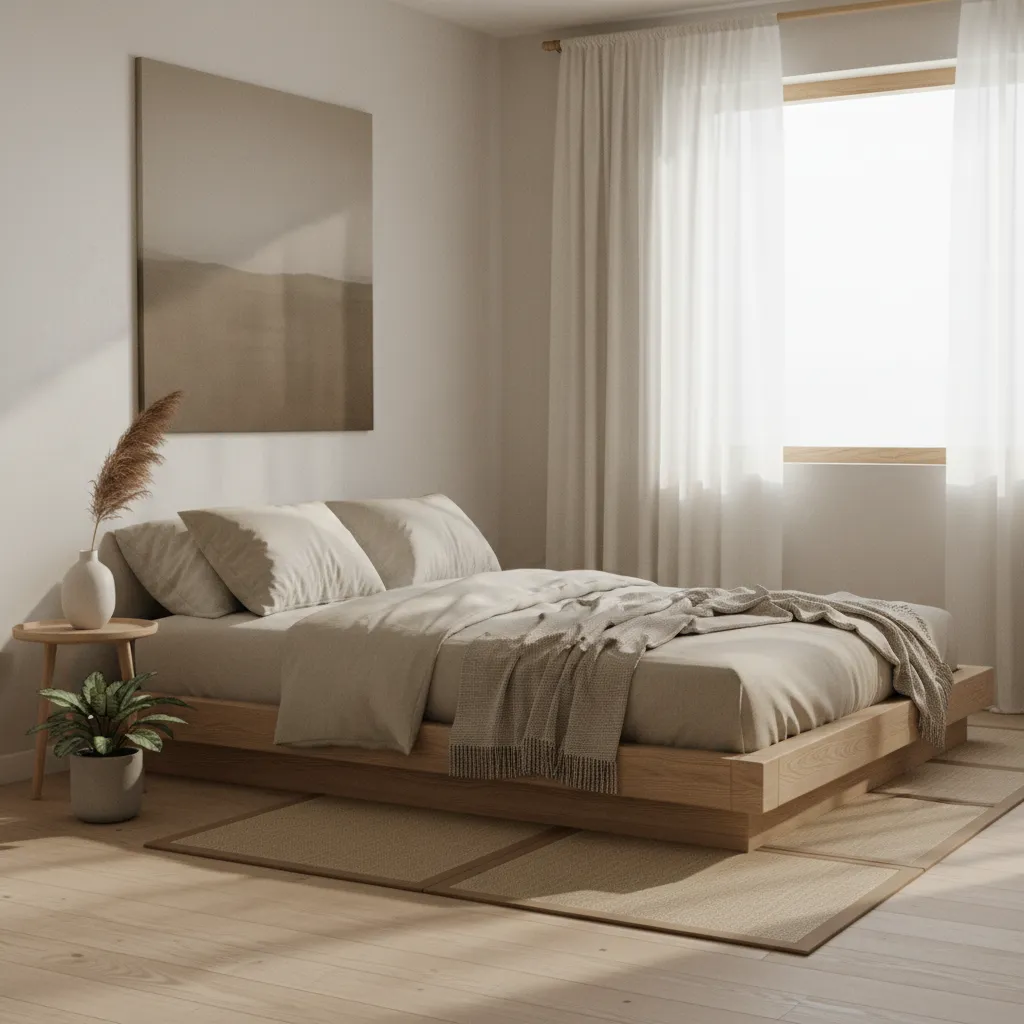
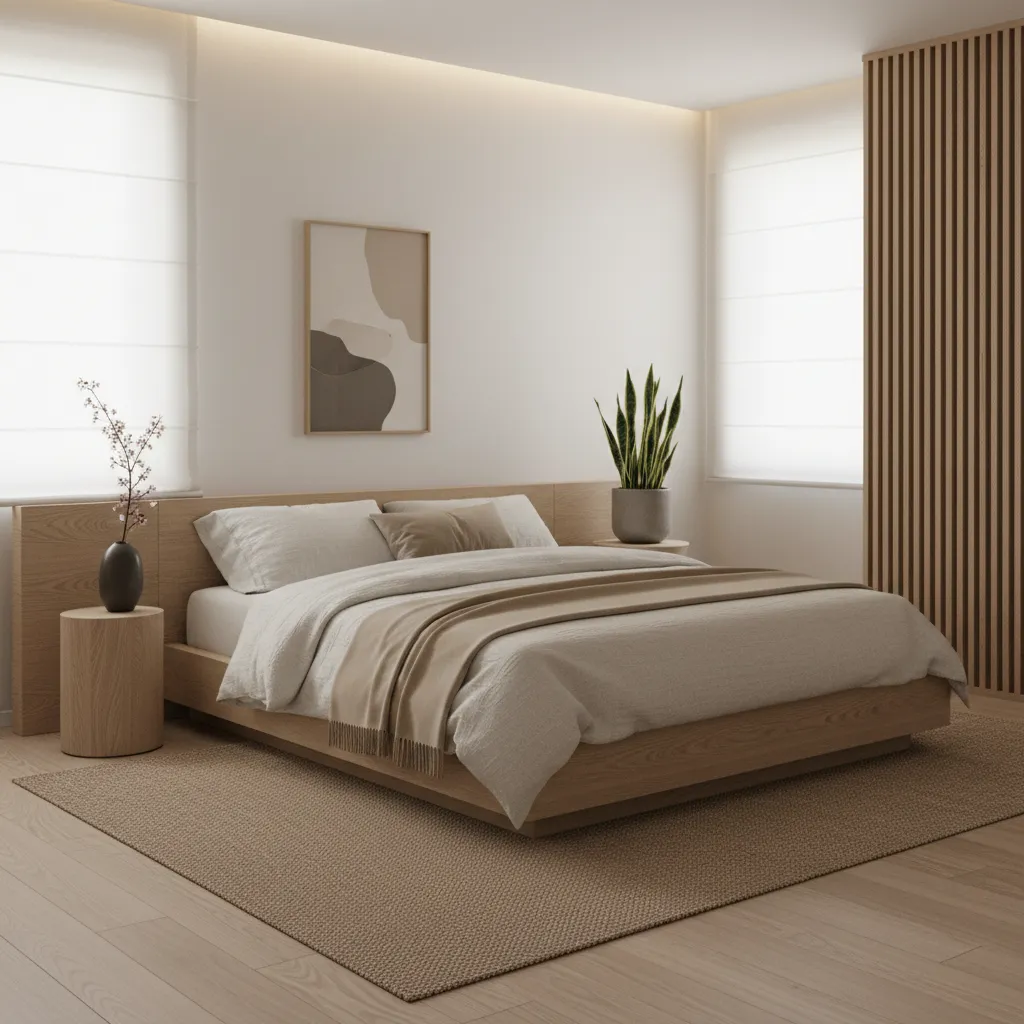
The bed is the anchor of any bedroom. In Japandi style, being closer to the ground is key. A low-profile platform bed, often made of light oak or walnut, mimics the traditional Japanese floor-sleeping culture (tatami mats) while retaining Western comfort.
Why it works: It visually opens up the room, making ceilings feel higher and the space airier. Look for frames with clean lines and zero ornamentation.
2. Embrace the “Wabi-Sabi” of Imperfect Linens
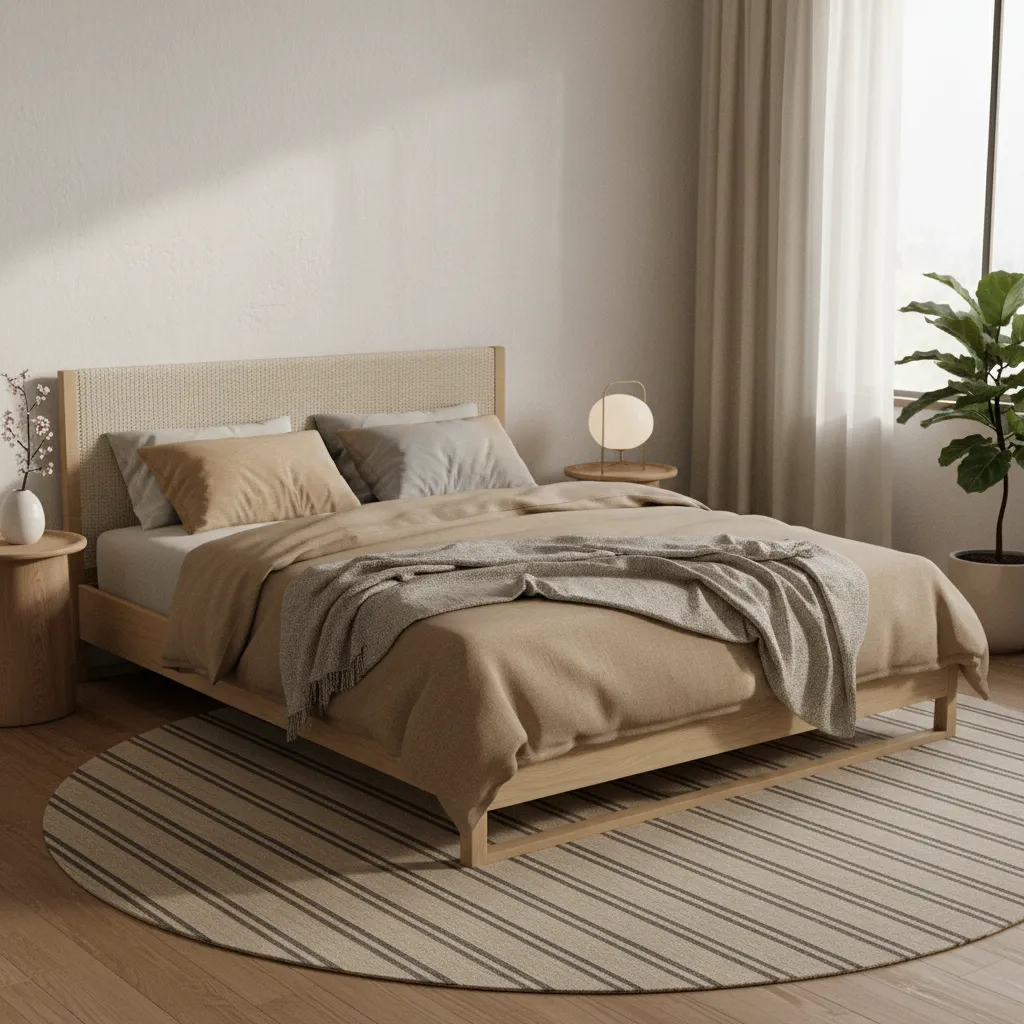
Forget crisp, hotel-style sheets that require endless ironing. Japandi embraces wabi-sabi, the Japanese view of finding beauty in imperfection.
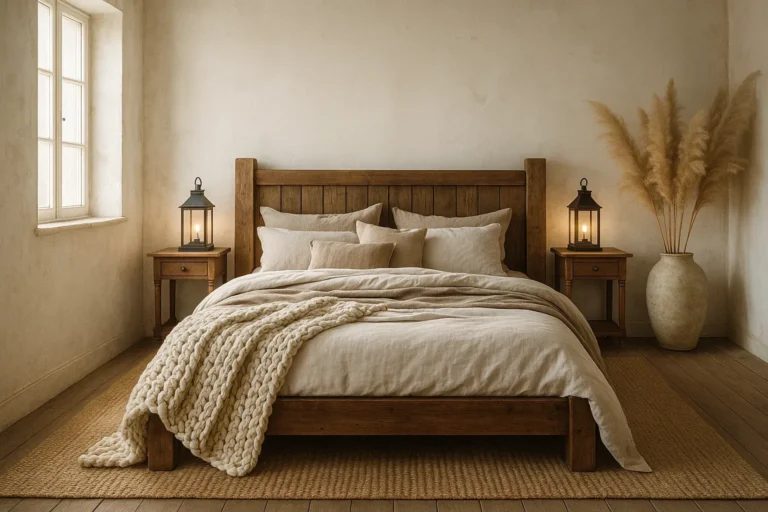
Opt for high-quality linen bedding in neutral tones like oatmeal, soft grey, or muted sage. The natural wrinkles of linen add texture and softness, making the bed look inviting rather than stiff. It’s the ultimate home decor hack for a lived-in yet elegant look.
3. Choose a Muted, Earthy Color Palette
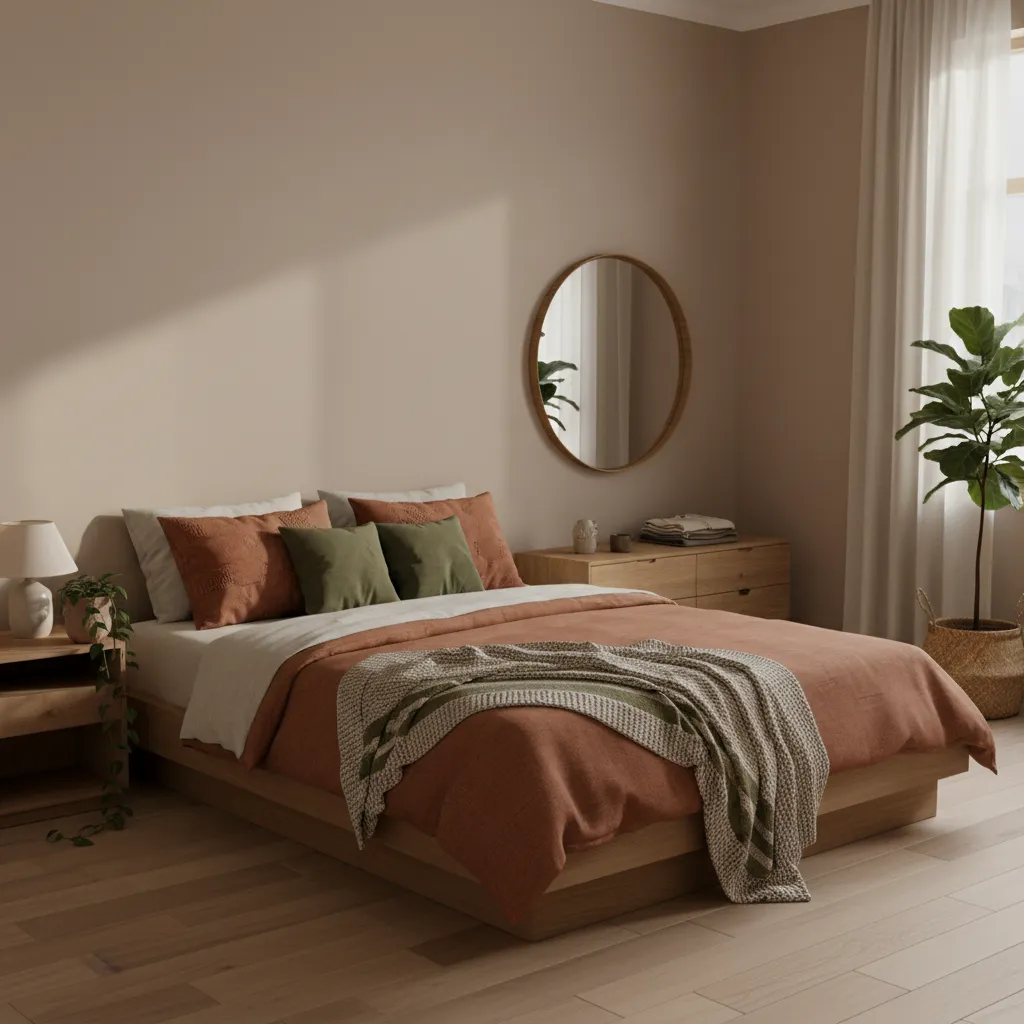
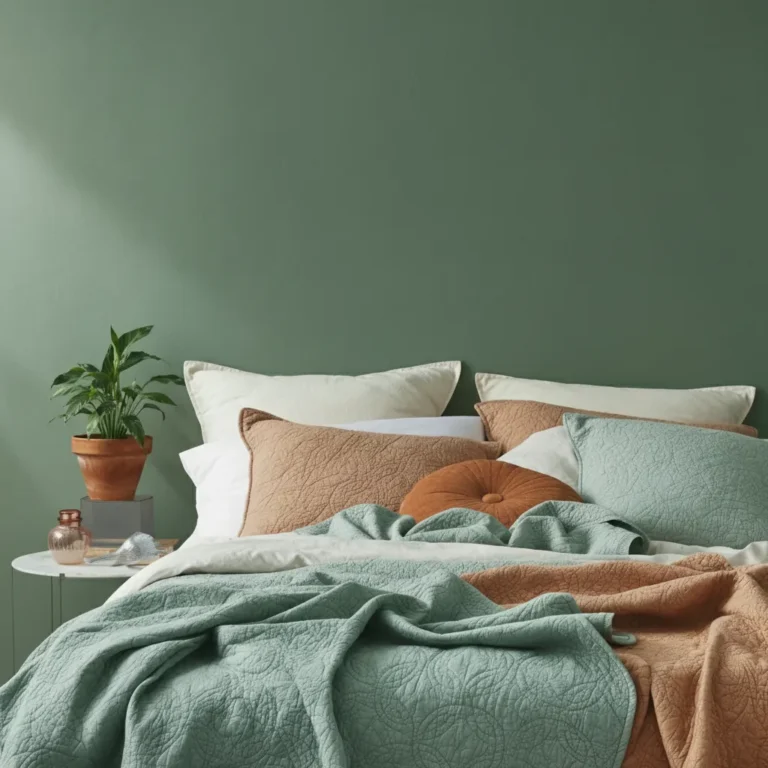
Your color scheme is the foundation of the Japandi vibe. You want to avoid bright, jarring colors. Instead, focus on a palette that feels like a foggy morning in a forest.
- Base colors: Cream, beige, soft white, and stone grey.
- Accents: Terracotta, olive green, charcoal, or deep indigo.
Mixing warm and cool neutrals helps balance the “Scandi” cool with the “Japan” warmth.
4. Install Slat Wood Wall Paneling
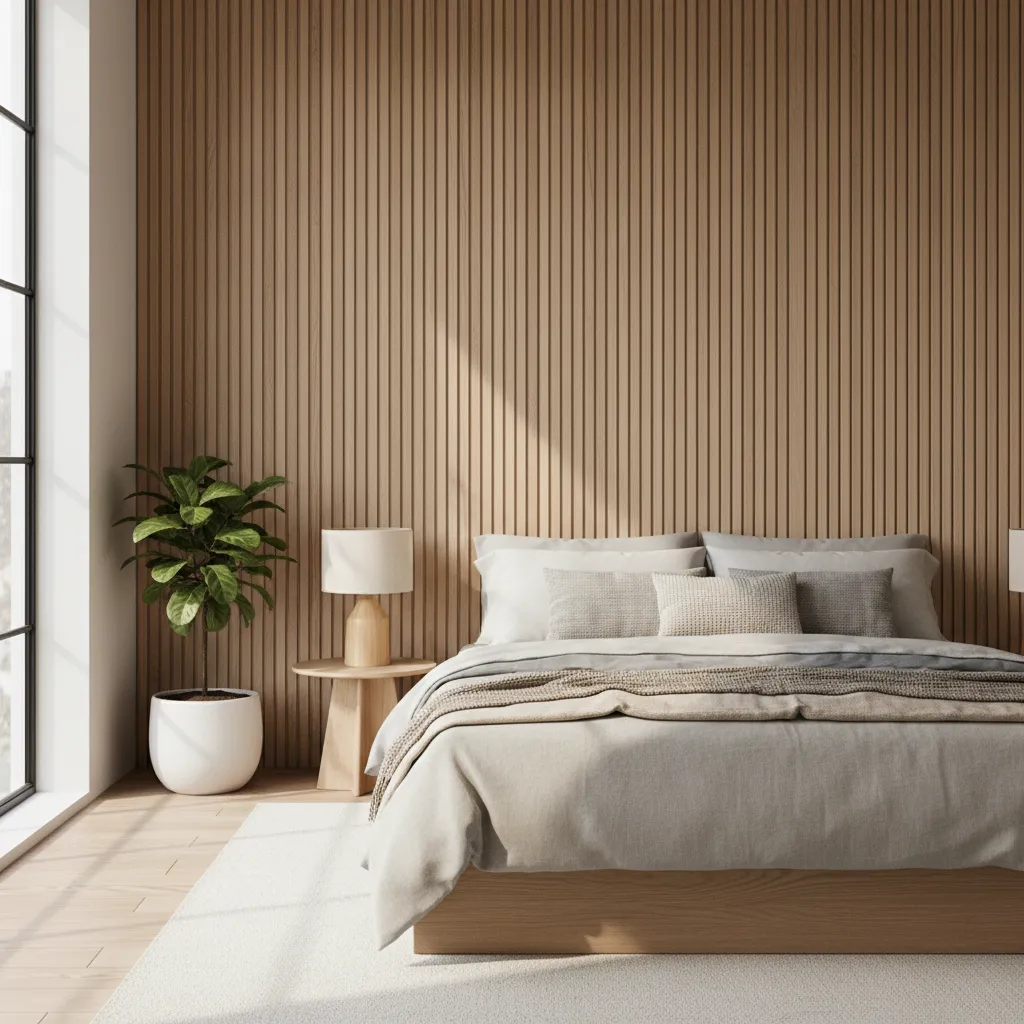
Texture is crucial when you are working with a minimal color palette. Vertical wood slats are a quintessential Japandi feature. They add architectural interest without cluttering the visual field.
Practical Tip: Use a slat wall behind your bed as a headboard alternative. It creates a stunning focal point and adds warmth to the acoustics of the room.
5. Incorporate Paper Lantern Lighting
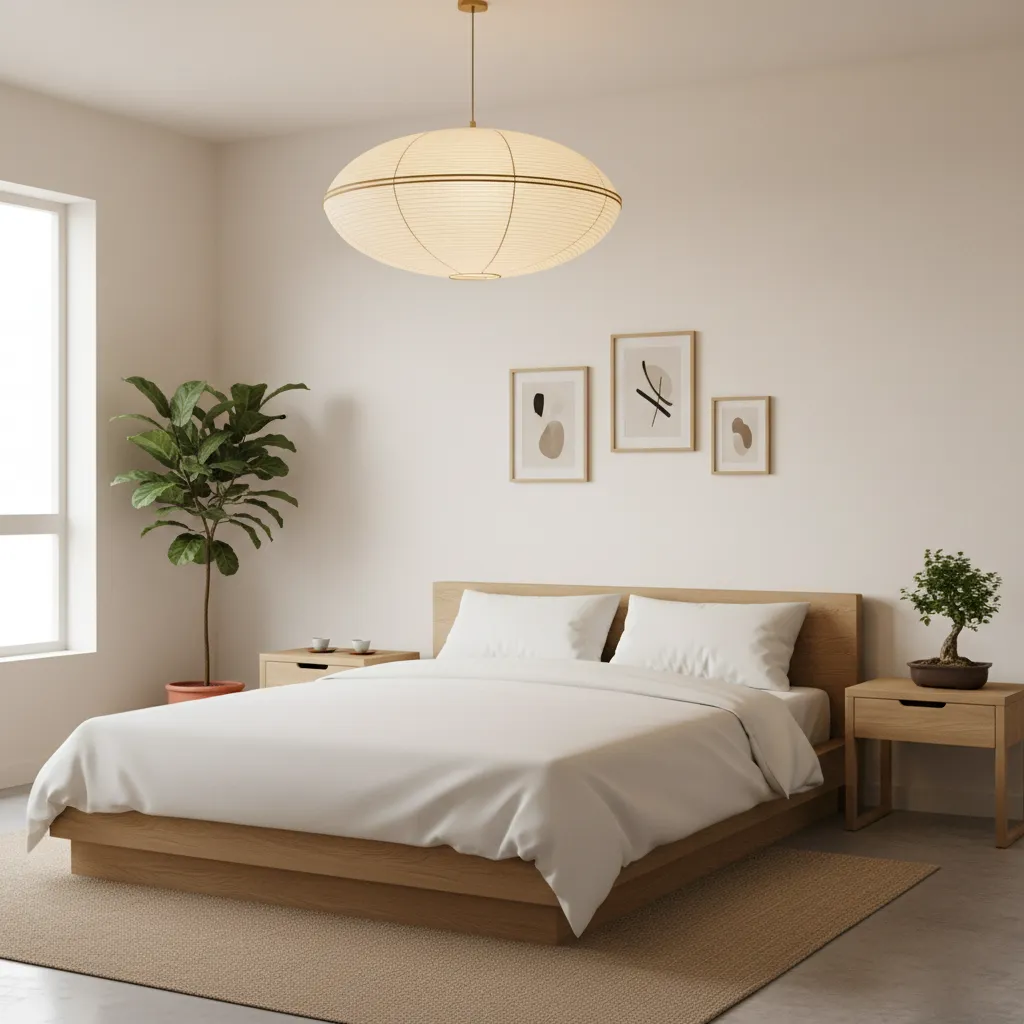
Lighting in a Japandi bedroom should never be harsh. Swap out standard glass fixtures for lights made from rice paper or bamboo. These materials diffuse light softly, creating a warm, ambient glow that instantly lowers your heart rate.
Think of Isamu Noguchi’s Akari lamps—they are sculptures of light that double as art.
6. Declutter with Intentional Storage
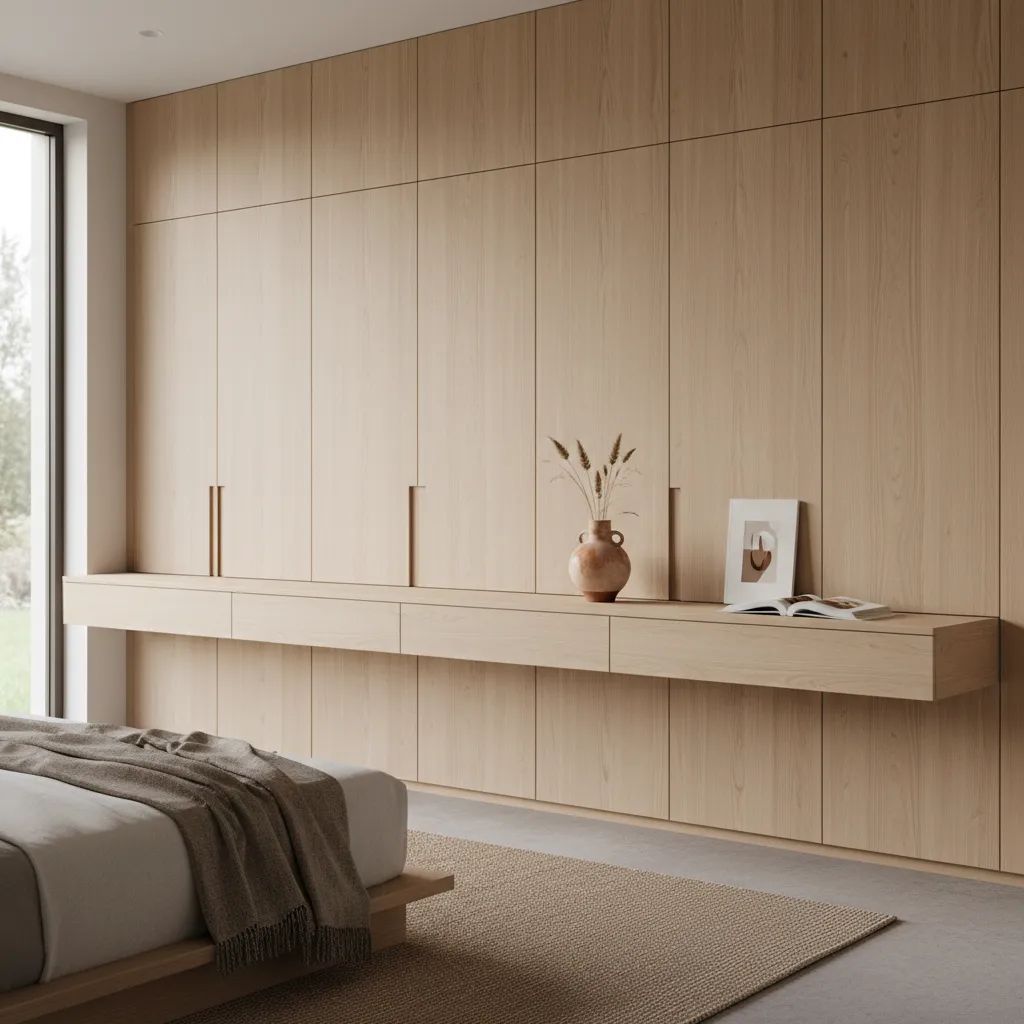
You cannot have a calm space with clutter. However, Japandi storage isn’t about hiding everything in plastic bins; it’s about beautiful utility.
Use closed cabinetry with simple finger pulls (no knobs) to hide clothes and tech. Keep surfaces 90% clear, displaying only one or two items that bring you joy, like a ceramic vase or a single book.
7. Bring the Outdoors In with Bonsai or Ficus
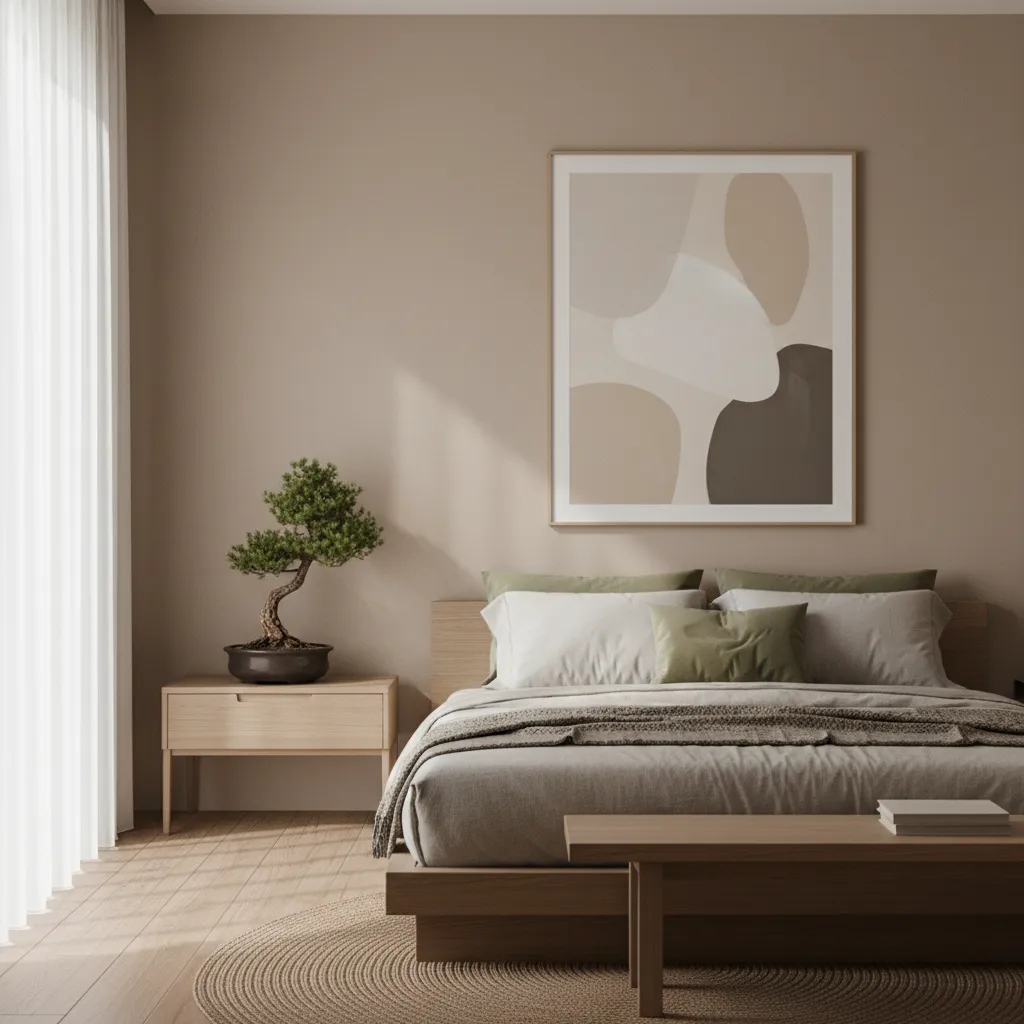
Nature is a major component of both design styles. But instead of a jungle of plants, choose one or two structural plants.
A small Bonsai tree on a bedside table or a tall Ficus in the corner adds a sculptural, living element to the room. The green pops beautifully against the wood and neutral tones typical of these decor ideas.
8. Layer Rugs for “Hygge” Warmth
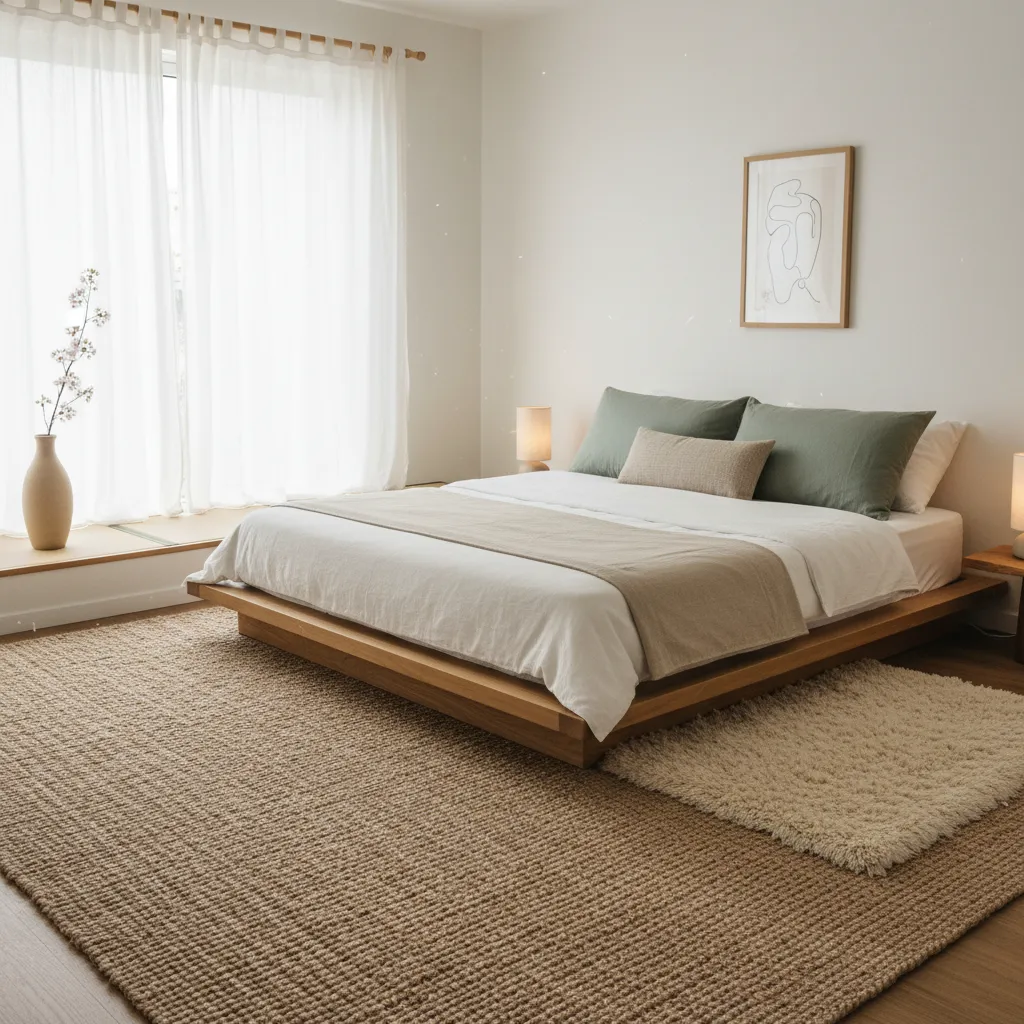
While Japanese floors are often bare wood or tatami, Scandinavian style demands warmth underfoot. Bridge the gap by layering rugs.
Start with a large, flat-weave jute or sisal rug for that natural texture. Layer a smaller, softer wool or sheepskin rug near the side of the bed where your feet hit the floor in the morning.
9. Use Sliding Shoji Screens or Room Dividers
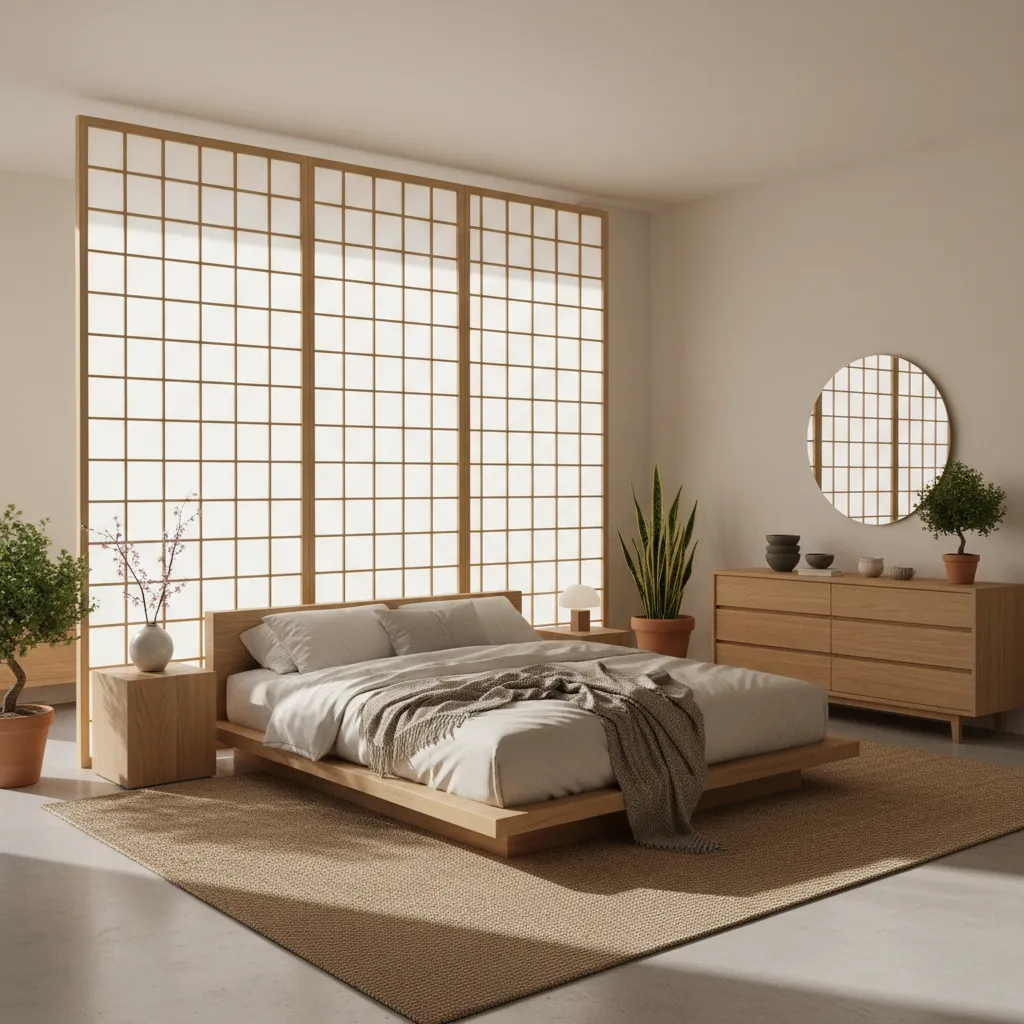
If you have a large bedroom or an en-suite, consider using Shoji screens (or modern interpretations of them) to divide the space. The translucent paper allows light to pass through while providing privacy. It adds a distinct architectural element that screams Japandi.
10. Select Ceramics with Handcrafted Texture
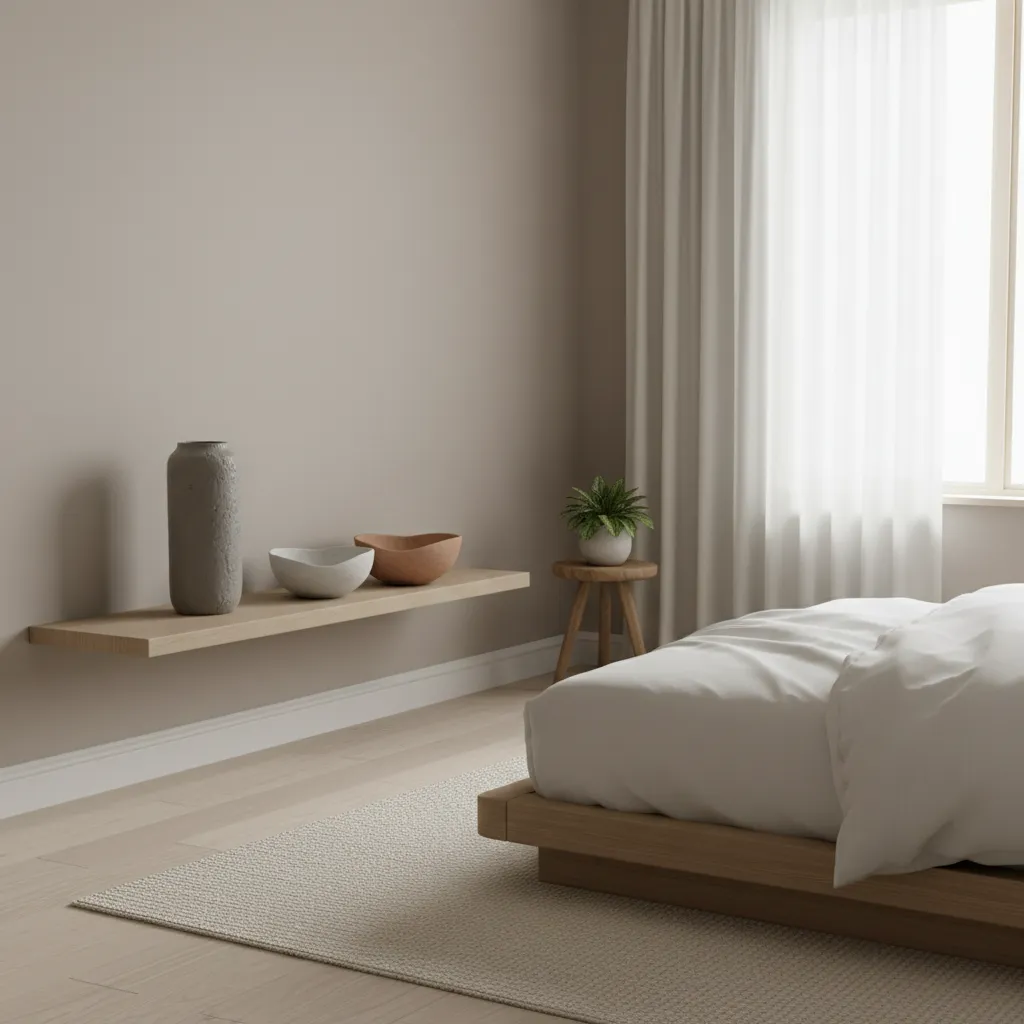
When accessorizing, avoid mass-produced, shiny objects. Look for ceramics that feel handmade—vases with rough, sandy textures, or bowls with organic, asymmetrical shapes.
These small home decor touches ground the room and reinforce the connection to earth and craftsmanship.
11. Minimalist Nightstands with Hidden Storage
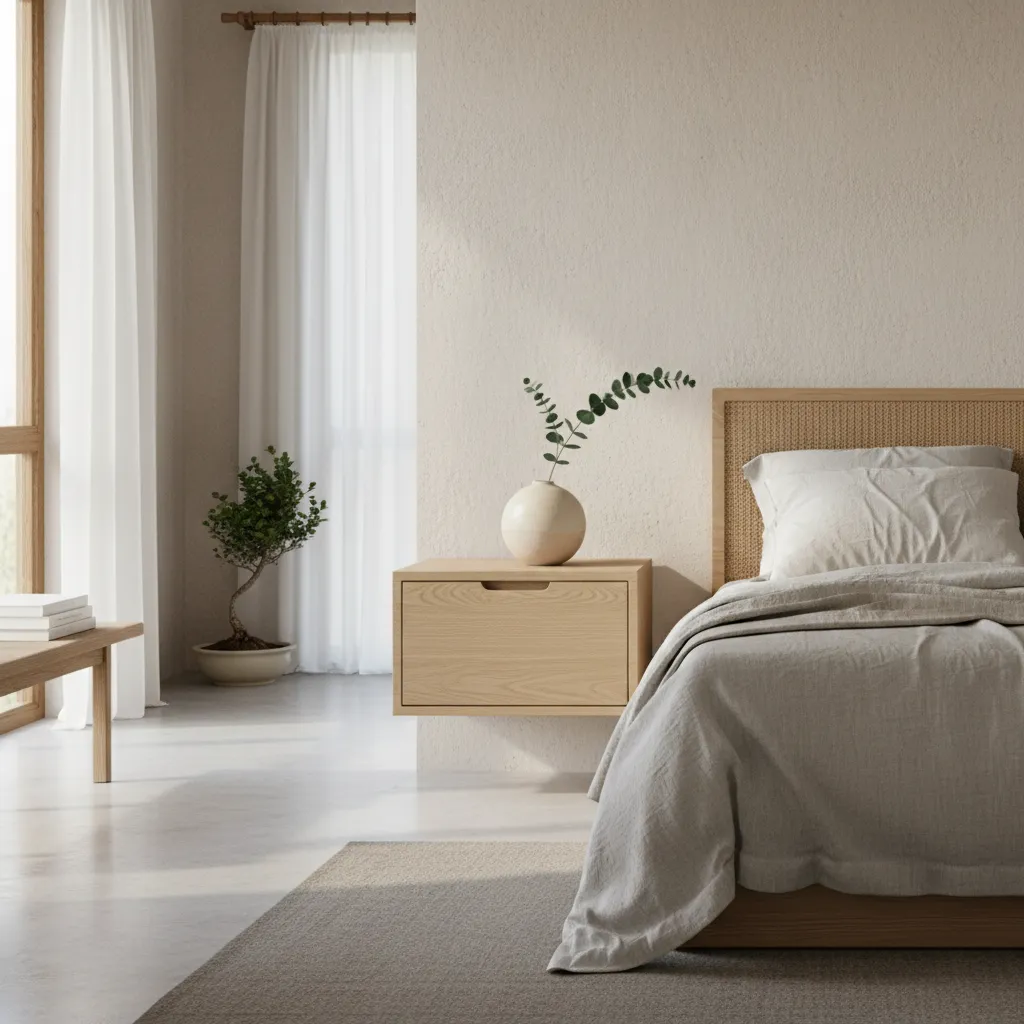
Your nightstand creates the immediate environment for your sleep. Choose floating shelves or simple wooden blocks with drawers.
The goal is to keep the floor visible (creating a sense of space) and to have a place to tuck away your phone and charger so they aren’t the last things you see before closing your eyes.
12. Soften the Windows with Sheer Curtains
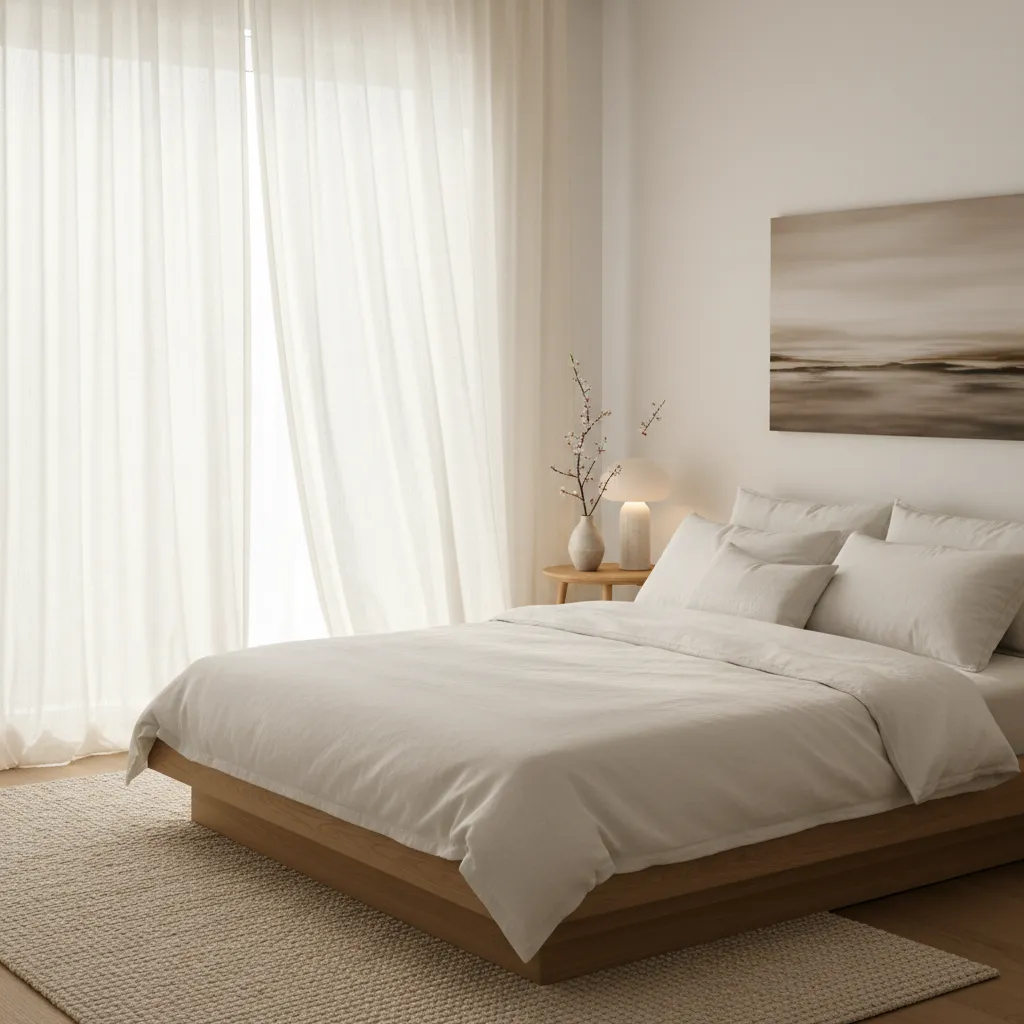
Heavy drapes can feel suffocating. Japandi bedrooms thrive on natural light. Dress your windows with floor-to-ceiling sheer curtains in linen or cotton.
They filter sunlight beautifully during the day and provide a soft, dreamy backdrop at night. If you need blackout capabilities, install a discreet roller blind behind the sheers.
13. Focus on Low Furniture Arrangements
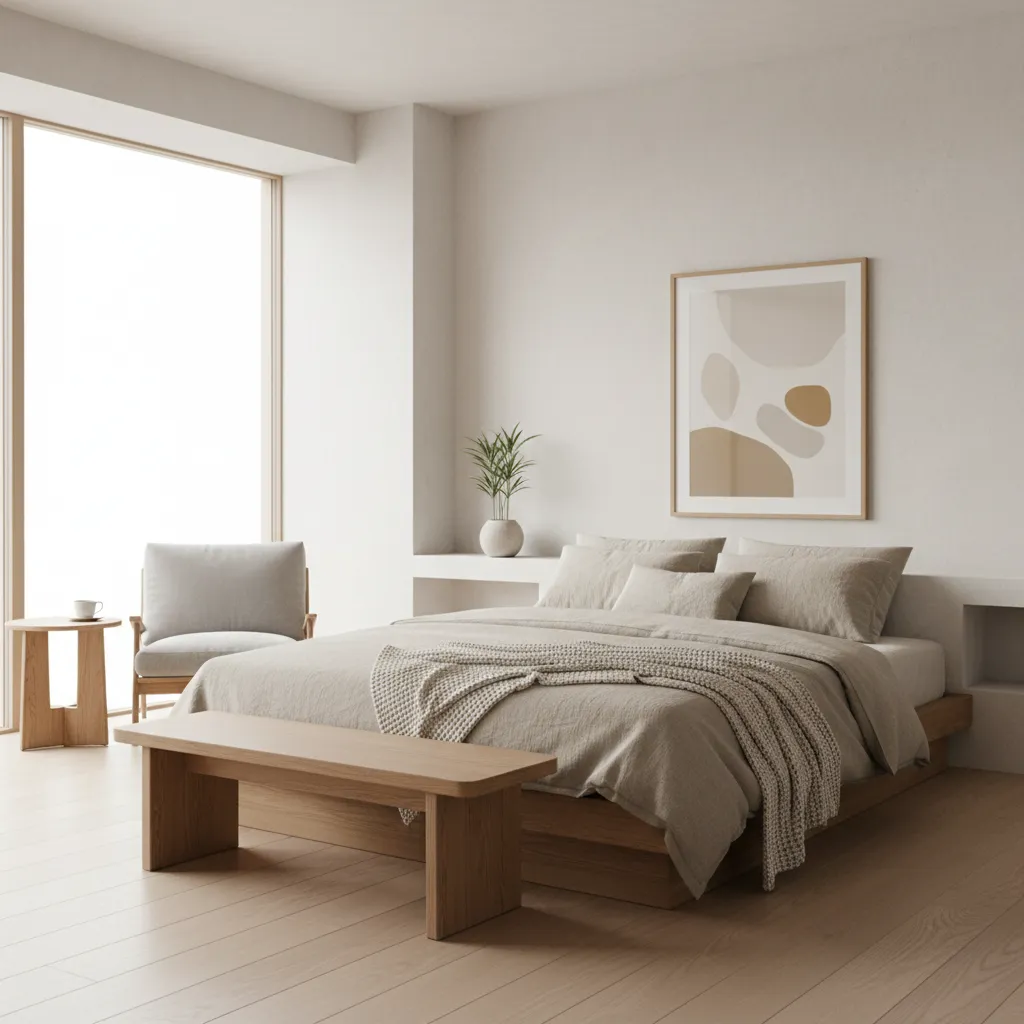
Just like the bed, keep other furniture low to the ground. A low-slung armchair in the corner or a short bench at the foot of the bed maintains clear sightlines across the room. This enhances the feeling of flow and spaciousness, which is essential for a calming atmosphere.
14. Introduce Black Accents for Contrast
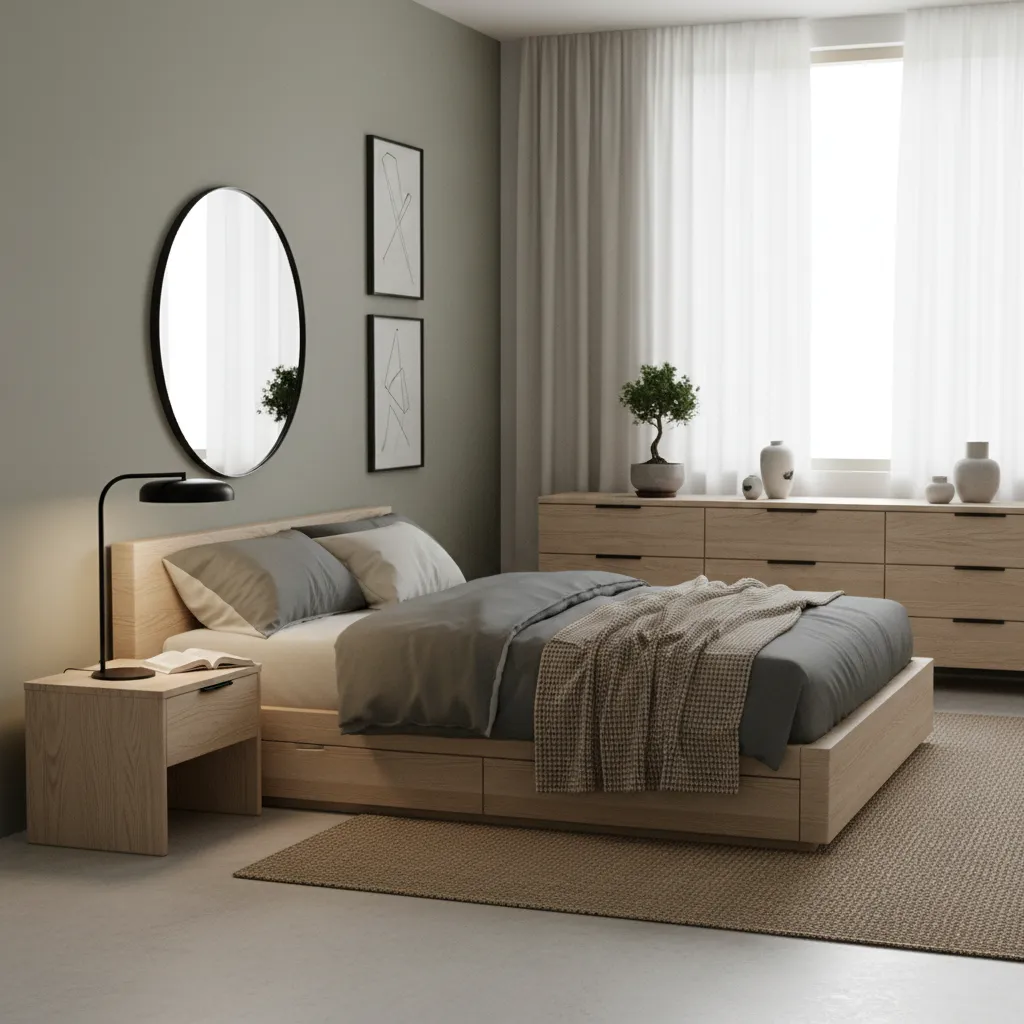
Too much beige can be boring. Japandi relies on black accents to anchor the space and add definition.
How to do it:
- A thin black metal frame on a mirror.
- A matte black reading lamp.
- Black hardware on a dresser.
Use black sparingly—think of it as eyeliner for your room. It defines the features without overwhelming them.
15. Create a dedicated “Zen” Corner
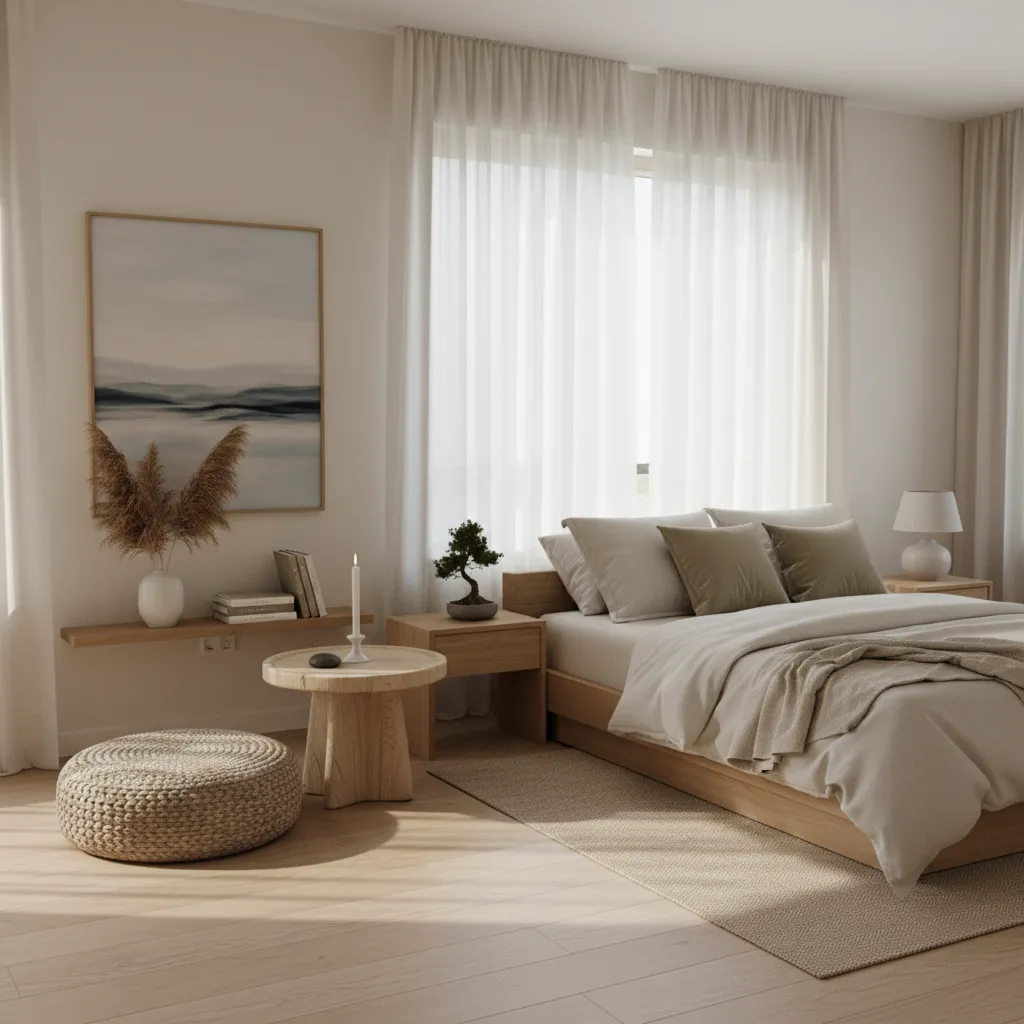
Finally, dedicate a small corner of the room to mindfulness. It doesn’t have to be a full meditation shrine. A simple floor cushion, a small low table, and a candle can serve as a visual reminder to slow down. It represents the spiritual aspect of the Japanese influence in your decor ideas.
Conclusion
Creating a Japandi bedroom isn’t just about buying new furniture; it’s about curating a feeling. It’s about stripping away the unnecessary to make room for the essential. By combining the cozy warmth of Scandinavian textures with the refined elegance of Japanese minimalism, you create more than just a place to sleep—you create a sanctuary for recharging.
Start small. Maybe swap out your bedding or declutter your nightstand this weekend. As you slowly integrate these decor ideas, you’ll notice your bedroom becoming the quietest, most peaceful room in your home.
FAQs
What is Japandi style in bedroom design?
Japandi is a fusion of Japanese minimalism and Scandinavian coziness. It emphasizes clean lines, natural materials, neutral colors, and functional yet elegant furniture to create a serene and clutter-free sanctuary.
How can I make my bedroom feel Japandi-inspired?
Use a neutral color palette, incorporate natural wood furniture, add simple textiles like linen or cotton, and minimize clutter. Focus on quality over quantity in decor to maintain a calm, balanced atmosphere.
Which colors are ideal for a Japandi bedroom?
Soft neutrals like beige, cream, soft gray, and muted earth tones work best. You can add subtle accents in muted greens, blues, or black for contrast while keeping the overall mood peaceful.
How do I decorate a small bedroom in Japandi style?
Opt for multifunctional furniture, under-bed storage, and wall-mounted shelves. Keep decor minimal, use light-colored walls, and maximize natural light to make the room feel open and airy.
Can I achieve Japandi style on a budget?
Yes! Focus on simple, clean-lined furniture, DIY natural decor, thrifted wooden pieces, and affordable textiles. Even small touches like plants, minimalist artwork, or a neutral rug can bring the Japandi aesthetic to life.