Making Friends with Your Open Kitchen: A Guide to Getting It Right
The open-plan kitchen is a cornerstone of modern living. We see them everywhere in magazines and home design shows, looking effortlessly chic and sociable. Yet, when it comes to our own homes, the idea can feel a little daunting. The thought of every pot, pan, and crumb being on display for all to see is enough to make anyone hesitate. If the heart of the home is suddenly exposed, does that mean our messes are too?
This feeling is completely normal. An open kitchen asks us to rethink how we live, cook, and entertain. It’s not just about knocking down a wall; it’s about creating a harmonious, functional space that blends seamlessly with our living areas. The good news is that with thoughtful planning and clever design, you can create an open kitchen that is warm, welcoming, and surprisingly easy to manage. This guide will walk you through the common challenges and provide practical solutions and decor ideas to help you design an open kitchen you’ll love for years to come.
Why Do Open Kitchens Feel So Intimidating?
Before we dive into solutions, let’s acknowledge the common fears. Understanding the potential pitfalls is the first step toward avoiding them.
The Fear of Constant Mess
This is the number one concern for most people. In a traditional kitchen, you can close the door on a sink full of dishes. In an open-concept space, the kitchen is always on stage. The worry is that post-dinner party clutter or the remnants of a chaotic breakfast will spill over into your serene living area, creating a constant sense of untidiness.
The Problem of Noise and Smells
Cooking is a sensory experience, but not all those senses are welcome in the living room. The sound of a clanging pot, a whirring blender, or a sizzling pan can easily disrupt a conversation or a movie. Similarly, while the smell of baking cookies is lovely, the lingering aroma of fried fish might not be what you want clinging to your sofa cushions.
The Challenge of Cohesive Design
Creating a unified look between your kitchen and living area can be tricky. How do you make a utilitarian space filled with appliances and cabinetry flow naturally into a soft, comfortable lounge area? The fear is ending up with two distinct zones that look like they’ve been awkwardly pushed together, rather than a single, integrated space. This is where smart home decor choices become essential.
Creating a Flawless Open Kitchen: 8 Design Principles
Now for the fun part: turning those challenges into design triumphs. Getting your open kitchen right is all about smart planning and strategic choices.
1. Master Your Layout with “Zoning”
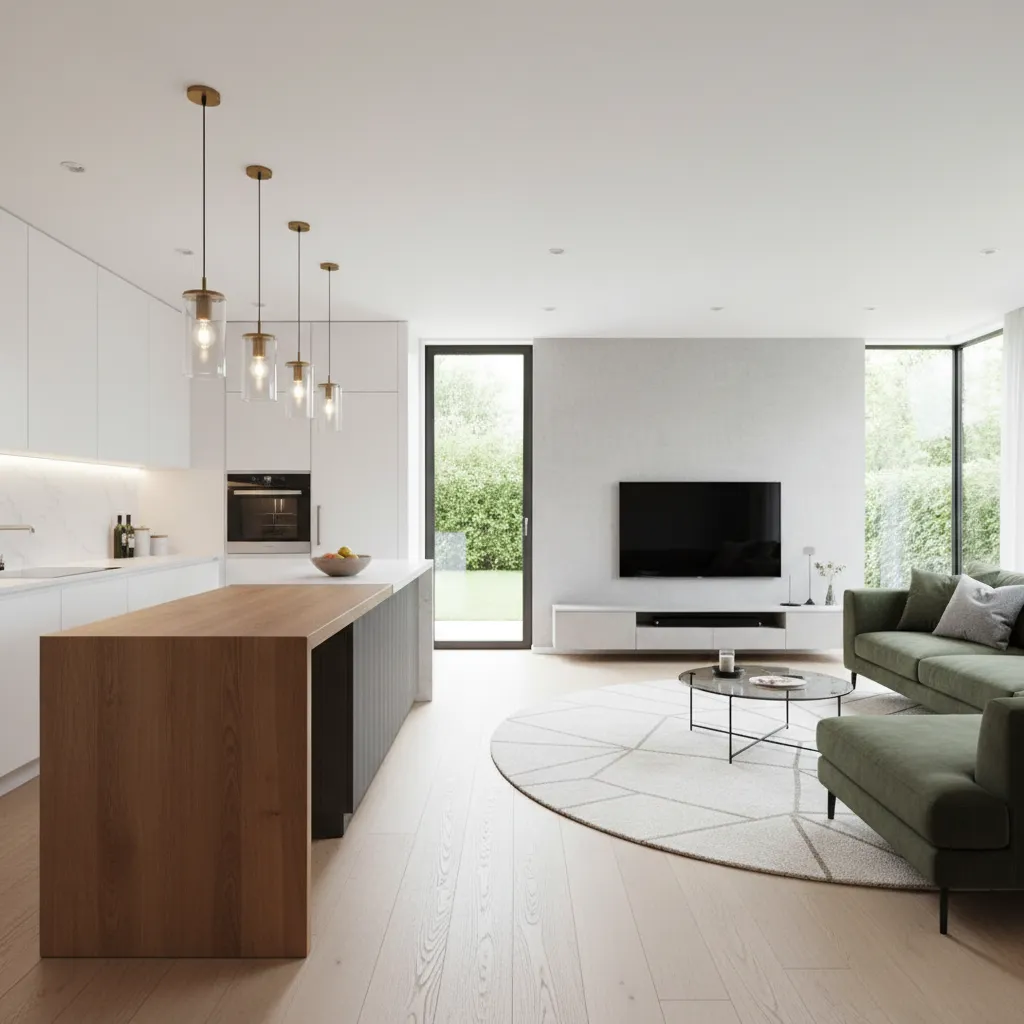
Zoning is the art of creating distinct functional areas within a single large space without using walls. This creates a sense of order and purpose, making the open plan feel intentional and organized.
- The Work Triangle (and Beyond): The classic kitchen work triangle places the sink, stove, and refrigerator in a convenient triangular layout. In an open kitchen, this principle is still vital for efficiency. Keep your primary work zone compact to contain the cooking process.
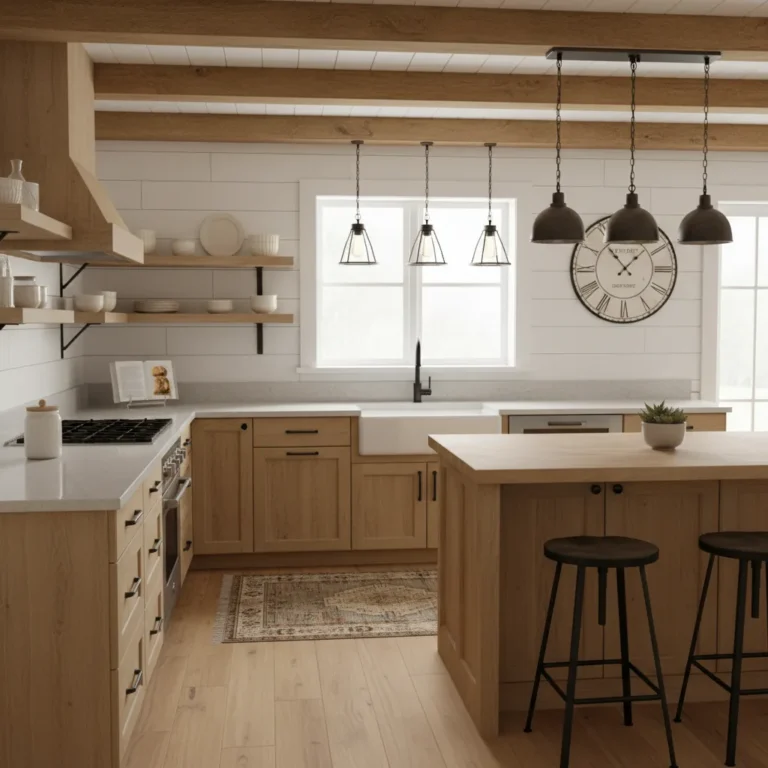
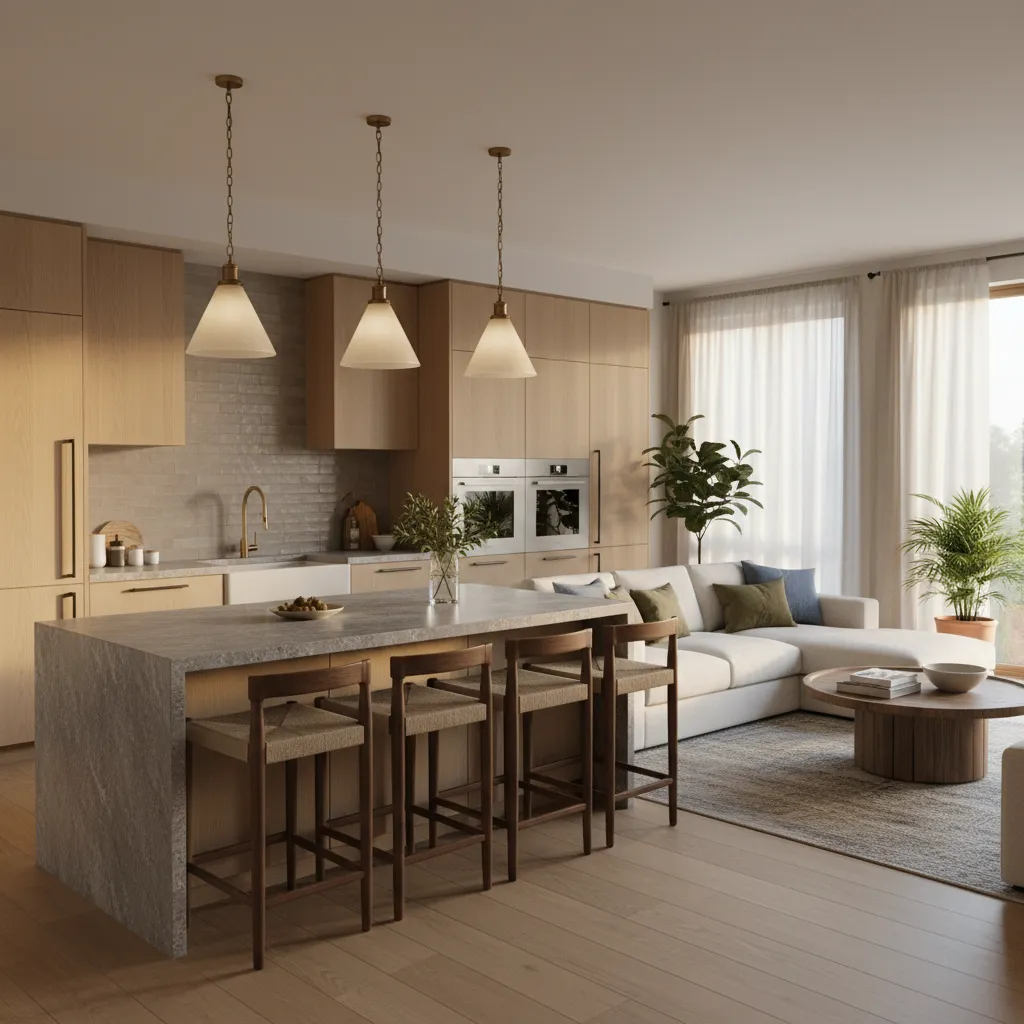
- Use an Island as a Natural Divider: A kitchen island is a powerful tool in an open-concept space. It can act as a subtle barrier between the cooking zone and the living area. For some brilliant design inspiration, check out these Inspiring Kitchen Island Ideas. An island also provides extra counter space, storage, and a casual spot for guests to sit without getting in the cook’s way.
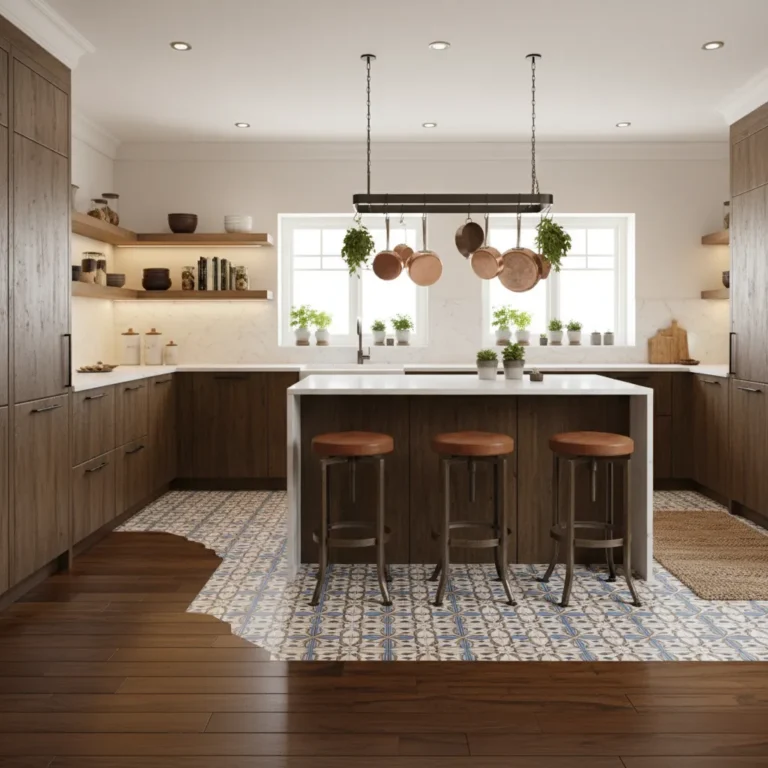
- Define with Flooring and Rugs: Using different flooring materials can visually separate the kitchen from the living area. For a more subtle approach, place a large area rug in the living space. This anchors the furniture and creates a distinct “room” without building walls.
2. Get Smart About Storage
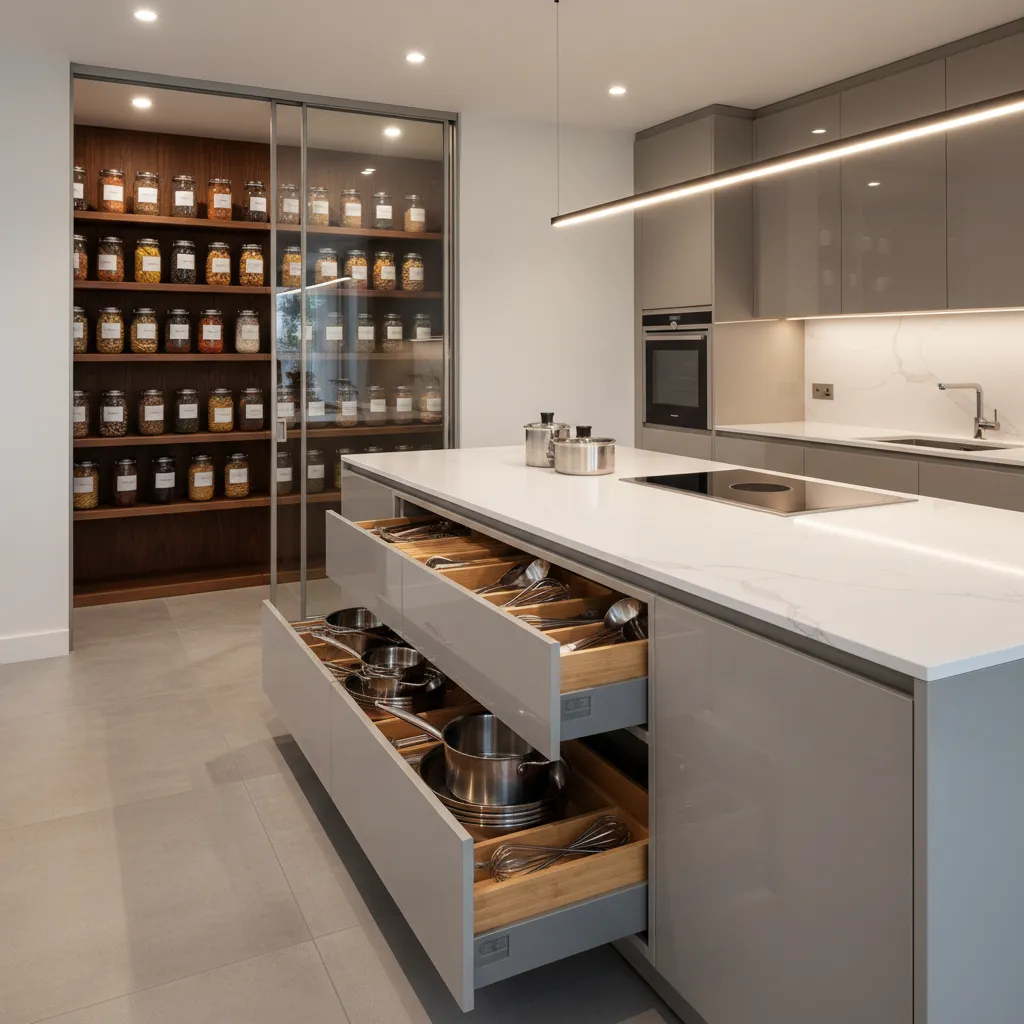
The secret to a tidy open kitchen is having a designated place for everything. Clutter happens when items don’t have a home.
- Go for Deep Drawers: Opt for deep, wide drawers instead of lower cabinets. They are far more accessible, allowing you to see everything at a glance without having to crouch down and dig into the back of a dark cupboard.
- Incorporate a Pantry: Whether it’s a walk-in pantry or a tall, integrated pantry cabinet, this is a game-changer. It allows you to store dry goods, small appliances, and bulk items out of sight, freeing up your precious cabinet space.
- Appliance Garages: These are dedicated cabinets, often with a lift-up or sliding door, designed to hide countertop appliances like toasters, coffee makers, and blenders. You get easy access without the visual clutter.
3. Choose Appliances Wisely
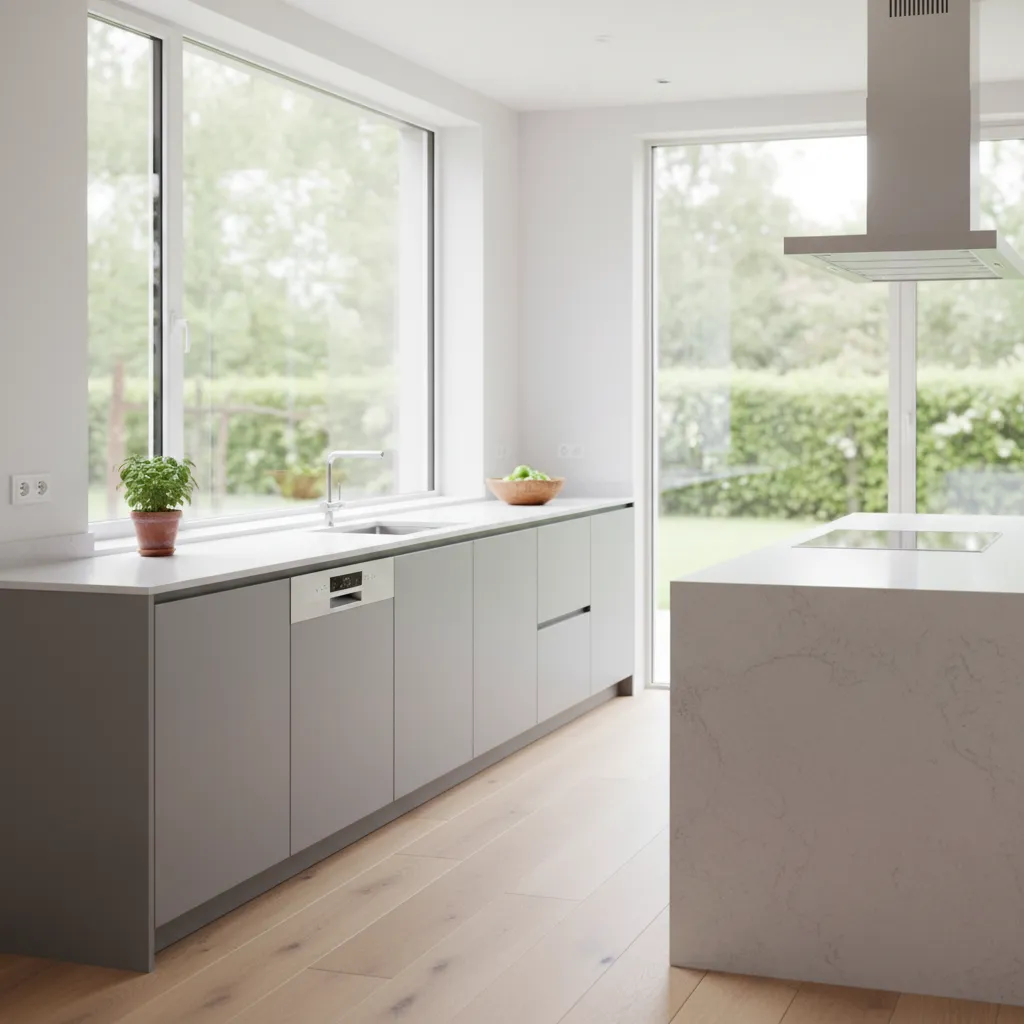
Modern appliances are designed with open-plan living in mind. Investing in the right ones can dramatically reduce noise and other disruptions.
- Quiet is the New Loud: When shopping for a dishwasher, refrigerator, or range hood, pay close attention to the decibel (dB) rating. A dishwasher rated below 45 dB is considered virtually silent.
- Invest in Powerful, Stylish Ventilation: A high-quality range hood is non-negotiable in an open kitchen. It will effectively remove cooking smells and smoke. Look for models that are not only powerful but also serve as a design feature, whether it’s a sleek stainless steel chimney or a custom-built hood that matches your cabinetry.
4. Create a Cohesive Color and Material Palette
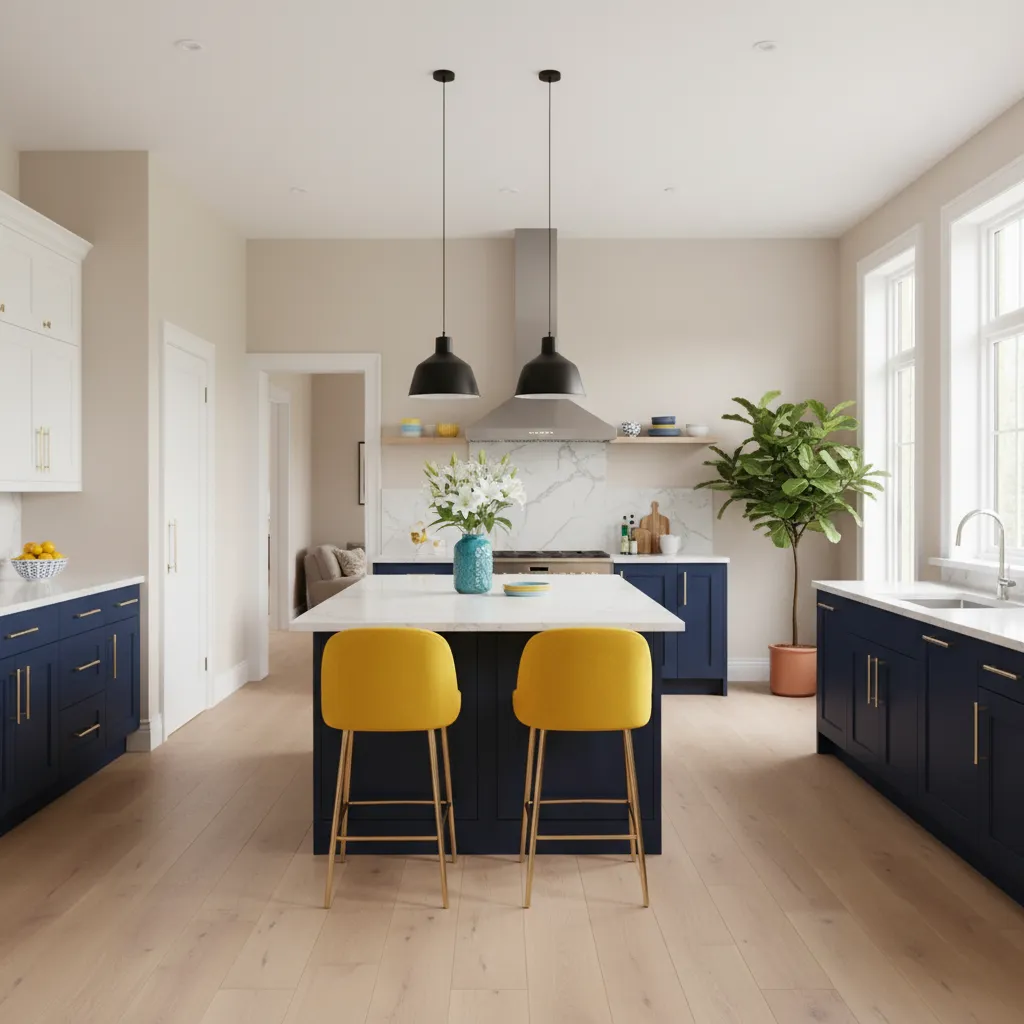
To make your kitchen and living areas feel like one unified space, you need a consistent design language. This doesn’t mean everything has to match perfectly, but the elements should feel related.
- The 60-30-10 Rule: This classic decor rule is perfect for open plans. Choose a dominant color for 60% of the space (like walls), a secondary color for 30% (furniture, cabinetry), and an accent color for 10% (cushions, art, decor).
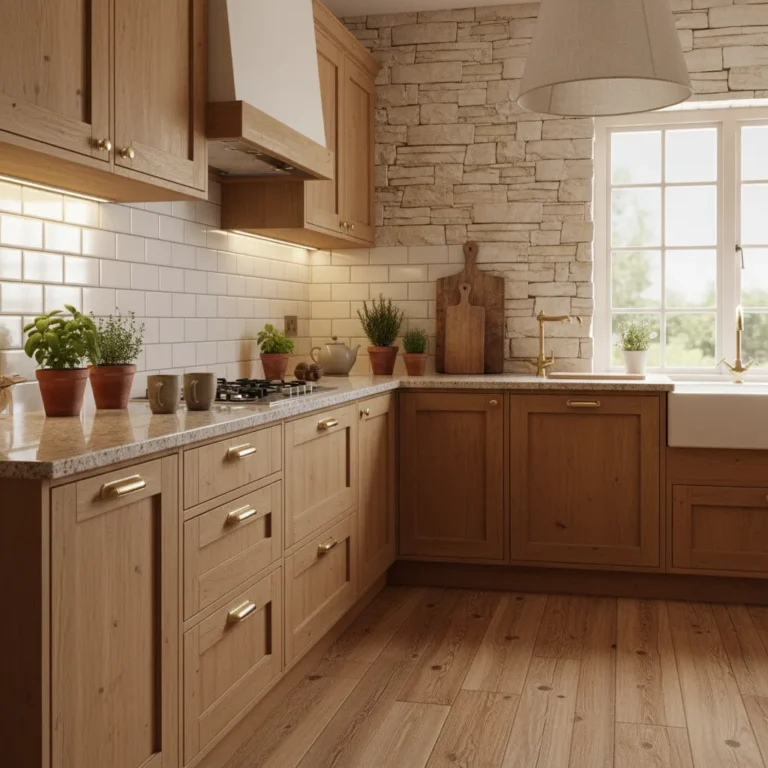
- Repeat Materials: Carry materials from one zone to the other. For example, if you have a wooden kitchen island countertop, consider a coffee table or shelving in a similar wood tone in the living area. If you use brass for your kitchen cabinet handles, add a brass floor lamp next to the sofa. These small touches create a powerful sense of connection. For a truly unique look, consider blending styles, as seen in these Rustic Modern Kitchen Ideas.
5. Layer Your Lighting
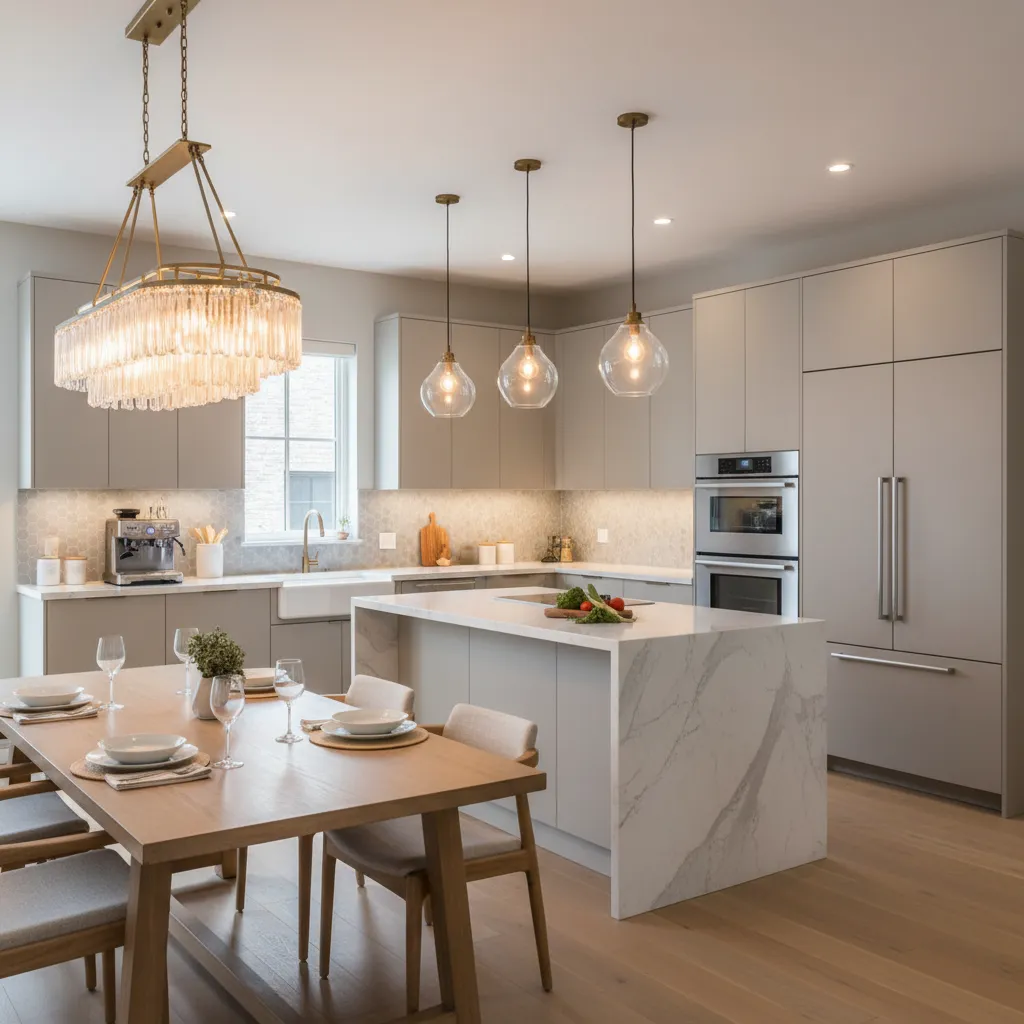
A single, harsh overhead light is the enemy of ambiance. A layered lighting plan is crucial for both function and mood in an open-concept space.
- Task Lighting: This is your functional light. Install under-cabinet lighting to illuminate your countertops for food prep. Place pendant lights over the island or a chandelier over the dining table.
- Ambient Lighting: This is the overall light that fills the room. Recessed ceiling lights on dimmer switches are a great choice as they provide broad, adjustable illumination.
- Accent Lighting: This is the “jewelry” of your room. Use table lamps, floor lamps, and picture lights to create warm, inviting pools of light and highlight your favorite decor ideas and architectural features.
6. Designate a “Drop Zone”
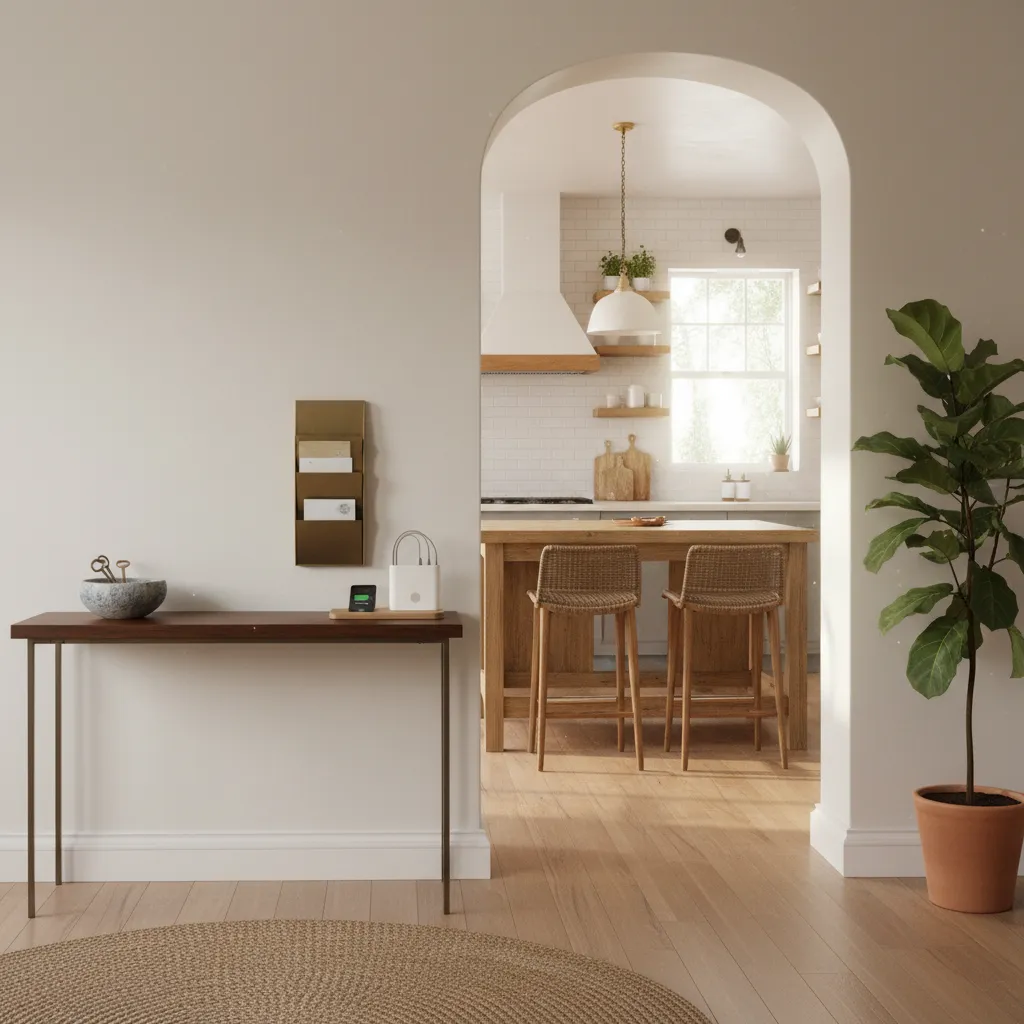
A major source of clutter is the stuff we bring in the door every day: keys, mail, bags, and phones. Without a designated spot, these items end up on the kitchen counter. Create a small, dedicated “drop zone” near your entrance with a small console table, a bowl for keys, and a charging station.
7. Choose Furnishings That Work Hard
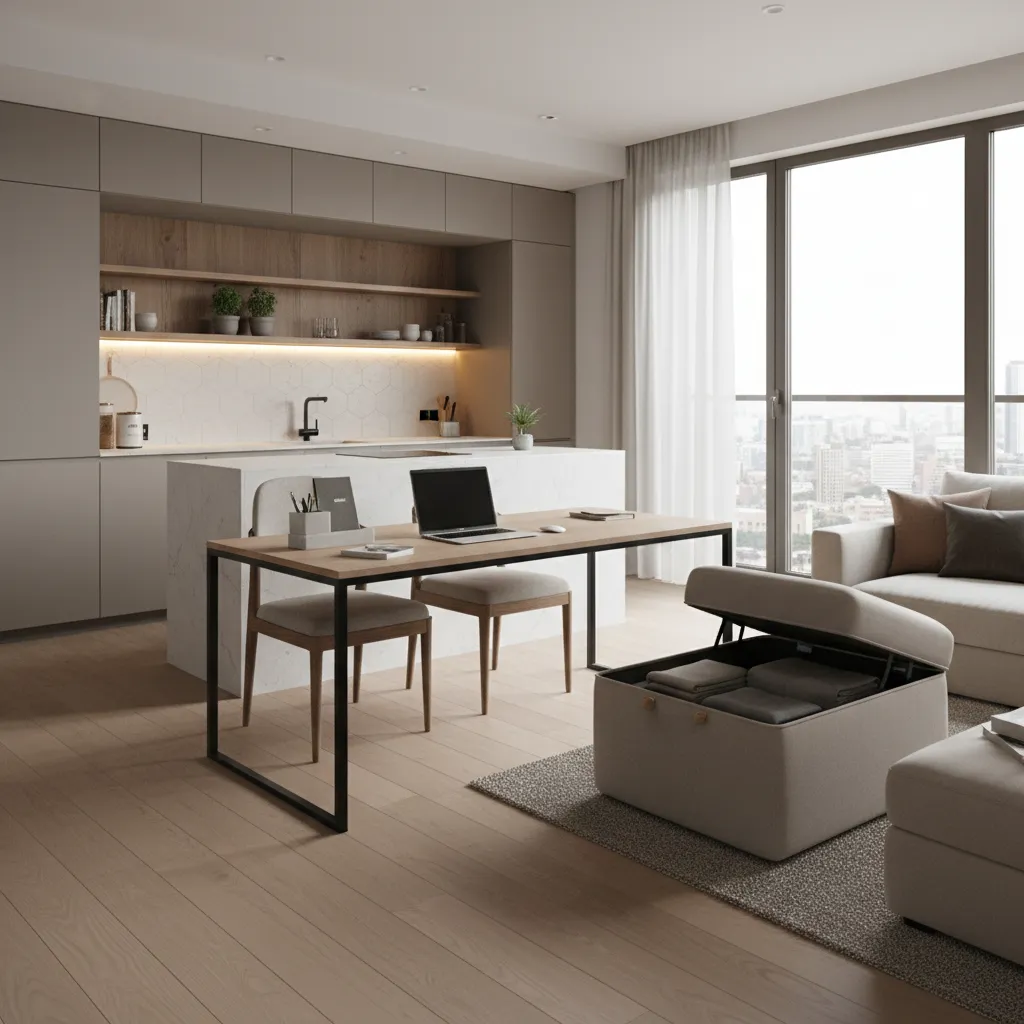
In a multi-functional space, your furniture should be flexible. Consider a dining table that can double as a workspace or an ottoman with hidden storage. The right furniture can help you adapt the space to your needs throughout the day. Even small spaces can benefit from this approach, and you can find more inspiration in these Creative Small Kitchen Decor Ideas for Apartments.
8. Embrace a Statement Feature
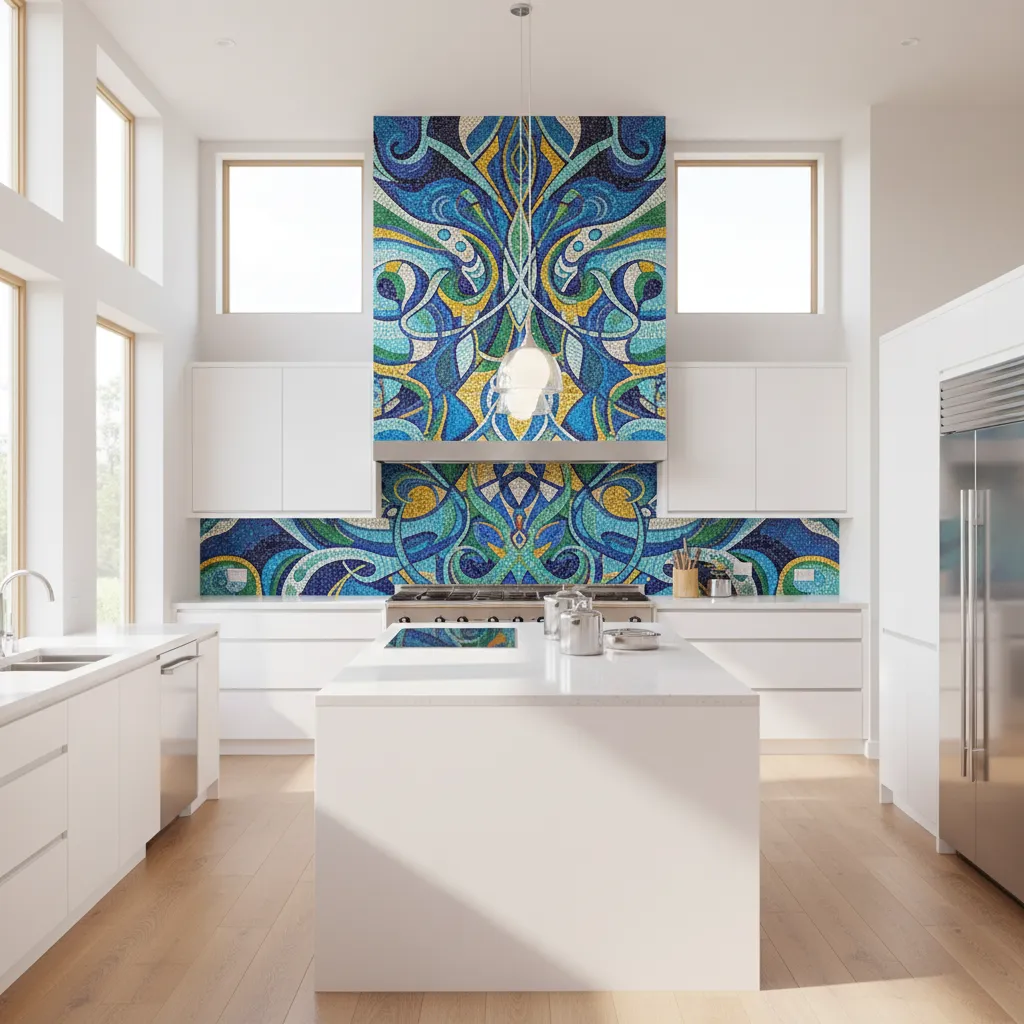
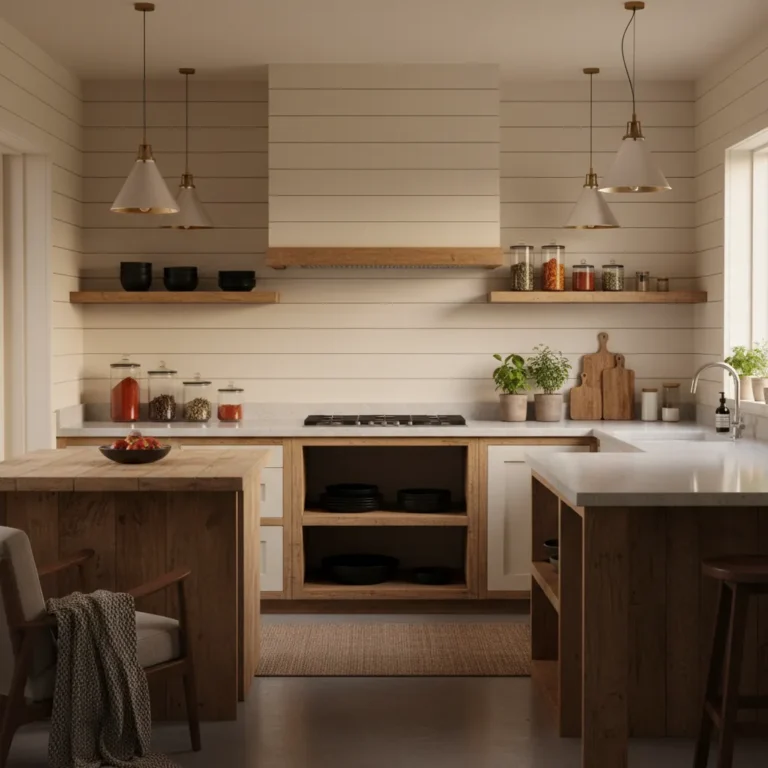
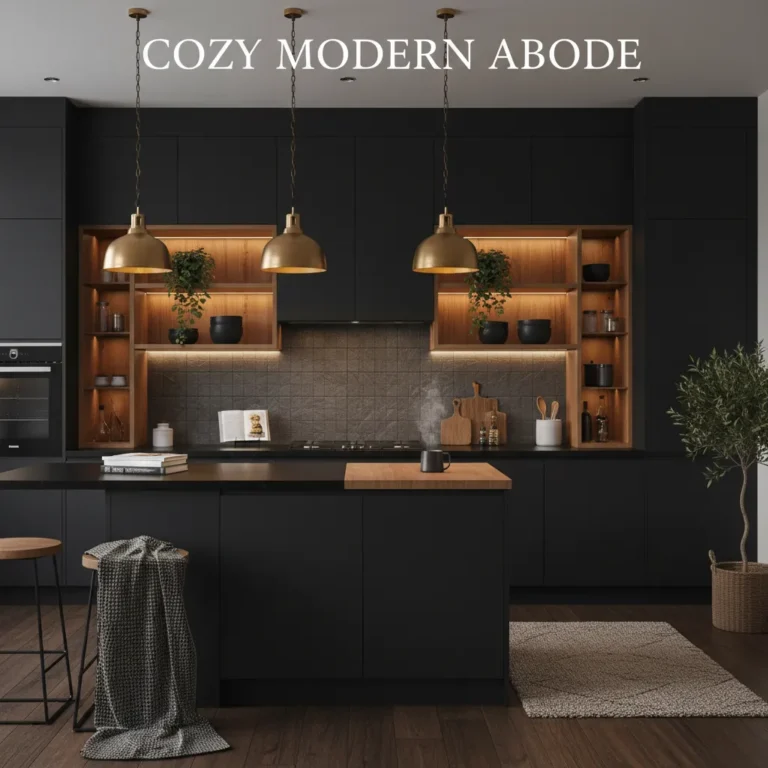
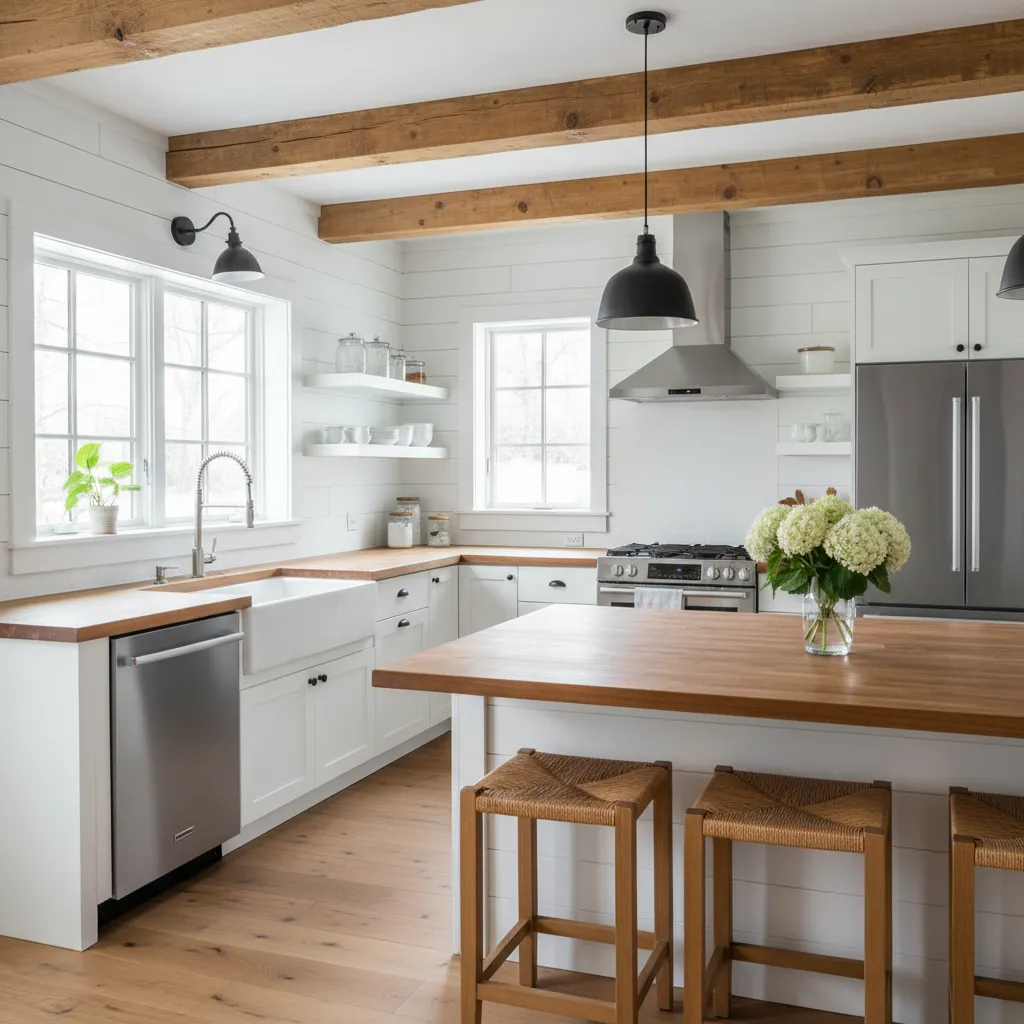
To tie everything together, create a single, bold focal point. This could be a dramatic backsplash, a vibrant island color, or a stunning light fixture. A strong design element draws the eye and gives the entire space a confident, unified personality. Some homeowners opt for a bold color, as showcased in these Inspiring Yellow Kitchen Decor Ideas for a Cheerful Home, while others prefer a sleek, monochromatic style, like these Stunning Black Kitchen Ideas. The style itself matters less than its ability to anchor the room; even a timeless look like one of these Modern Farmhouse Kitchen Ideas can provide a powerful focal point.
Conclusion: Your Welcoming Open Kitchen Awaits
An open kitchen doesn’t have to be a source of stress. By shifting your perspective from “hiding the mess” to “designing for ease,” you can create a space that is as functional as it is beautiful. It’s about being intentional with your layout, smart with your storage, and cohesive with your home decor.
By zoning your space, investing in quiet appliances, and building a unified design palette, you can conquer the common fears associated with open-plan living. The result is a warm, inviting, and spacious heart of the home where cooking, dining, and relaxing can happen together in perfect harmony.
Frequently Asked Questions
1. How can I keep an open kitchen tidy on a daily basis?
The key is the “a place for everything” principle. Use smart storage like appliance garages and pantry cabinets to hide clutter. Also, adopt the “clean as you go” habit. Wiping down counters and loading the dishwasher after a meal takes only a few minutes and prevents mess from building up.
2. Are open kitchens a timeless trend or will they go out of style?
While design trends come and go, the desire for spacious, light-filled, and sociable homes is timeless. The open-concept layout supports this modern way of living, making it a feature that is likely to remain popular for the foreseeable future. The specific finishes and colors may change, but the layout itself has lasting appeal.
3. Is an open kitchen a good idea for a family with young children?
Absolutely. An open kitchen allows parents to prepare meals while keeping an eye on children playing in the living area. It fosters a sense of togetherness. The key is to create safe zones. An island can provide a helpful barrier to keep toddlers away from the hot stove, and ensuring secure storage for cleaning supplies and sharp objects is crucial.
4. How do I make my open kitchen feel warm and cozy instead of cold and vast?
Use warm materials like wood and textiles like rugs and cushioned bar stools. Layer your lighting with lamps and dimmers to create a soft ambiance. Incorporate personal touches through art and decor. These elements add texture and personality, preventing the space from feeling sterile.
5. Can I have an open kitchen in a small apartment?
Yes, an open layout is often the best solution for a small apartment as it creates the illusion of more space. The key is to use multi-functional furniture, smart storage solutions, and a light color palette to keep the area from feeling cramped. A peninsula can often work better than a full island in a smaller footprint.