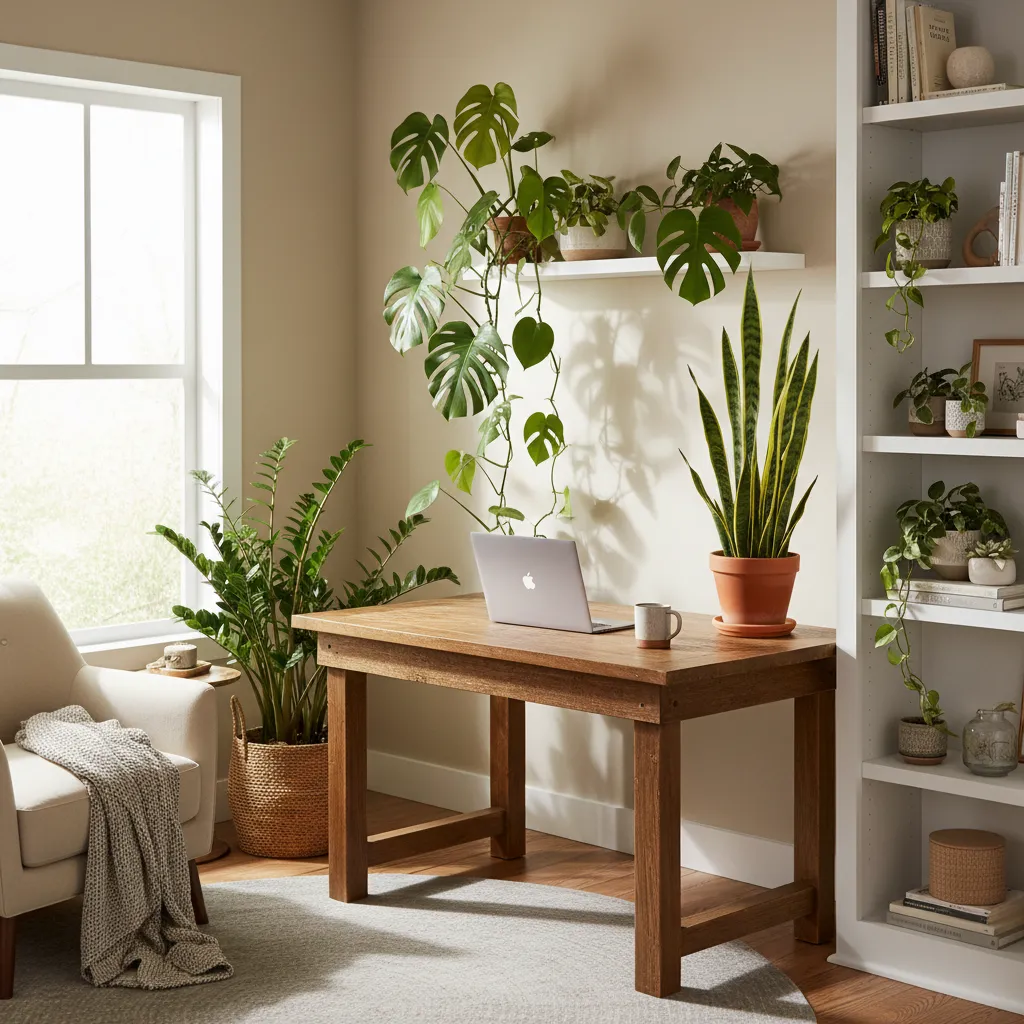
Transform Your Workspace: 13 Office Plants That Actually Thrive
Adding a touch of green to your workspace can do more than just brighten a dull corner. Plants can boost your mood, improve air quality, and serve as beautiful, living home decor. But the fear of a wilting, sad-looking plant is real for many of us. The secret isn’t a magical green thumb; it’s choosing the right plant for your space and understanding its simple needs.
This guide will walk you through 13 hardy office plants that are perfect for beginners and seasoned plant parents alike. We’ll cover everything from low-light warriors to forgiving water-sippers, offering practical tips to ensure your new green friends don’t just survive—they thrive. Get ready to transform your desk into a personal oasis with these fantastic decor ideas.
Low-Light Champions: Plants for Dimly Lit Offices
Not every workspace is blessed with a sun-drenched window. If your desk is tucked away in a corner or relies on fluorescent lighting, these plants are your perfect match. They are adapted to lower light conditions and won’t protest if they don’t get direct sun.
1. Snake Plant (Sansevieria trifasciata)
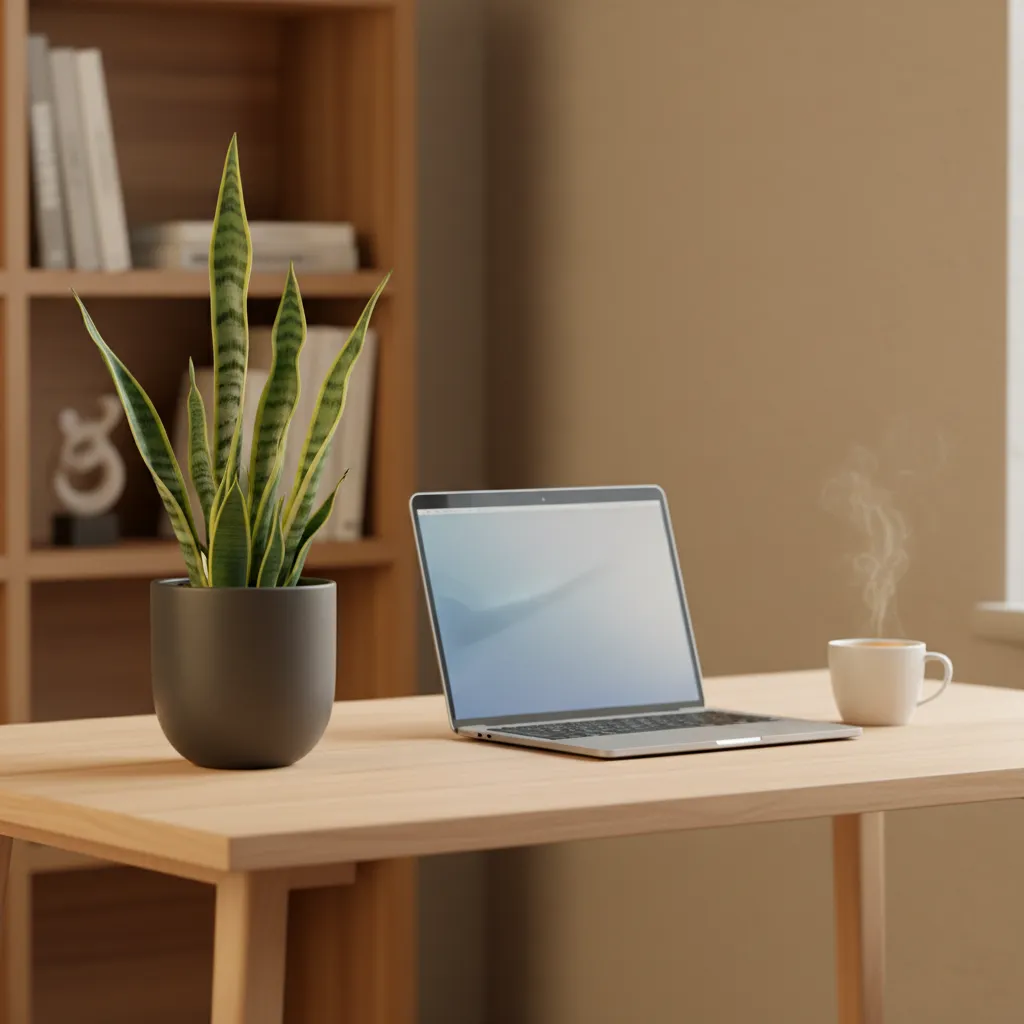
The Snake Plant is the undisputed champion of easy-care plants. Its striking, upright leaves add a modern, architectural element to any space. It’s one of the best home decor additions for a clean, minimalist aesthetic.
- Light: Prefers indirect light but tolerates very low light.
- Water: Water thoroughly only when the soil is completely dry. Overwatering is its only real enemy. This could mean watering as little as once a month.
- Pro Tip: Snake Plants are excellent air purifiers, removing toxins like formaldehyde and benzene from the air.
2. ZZ Plant (Zamioculcas zamiifolia)
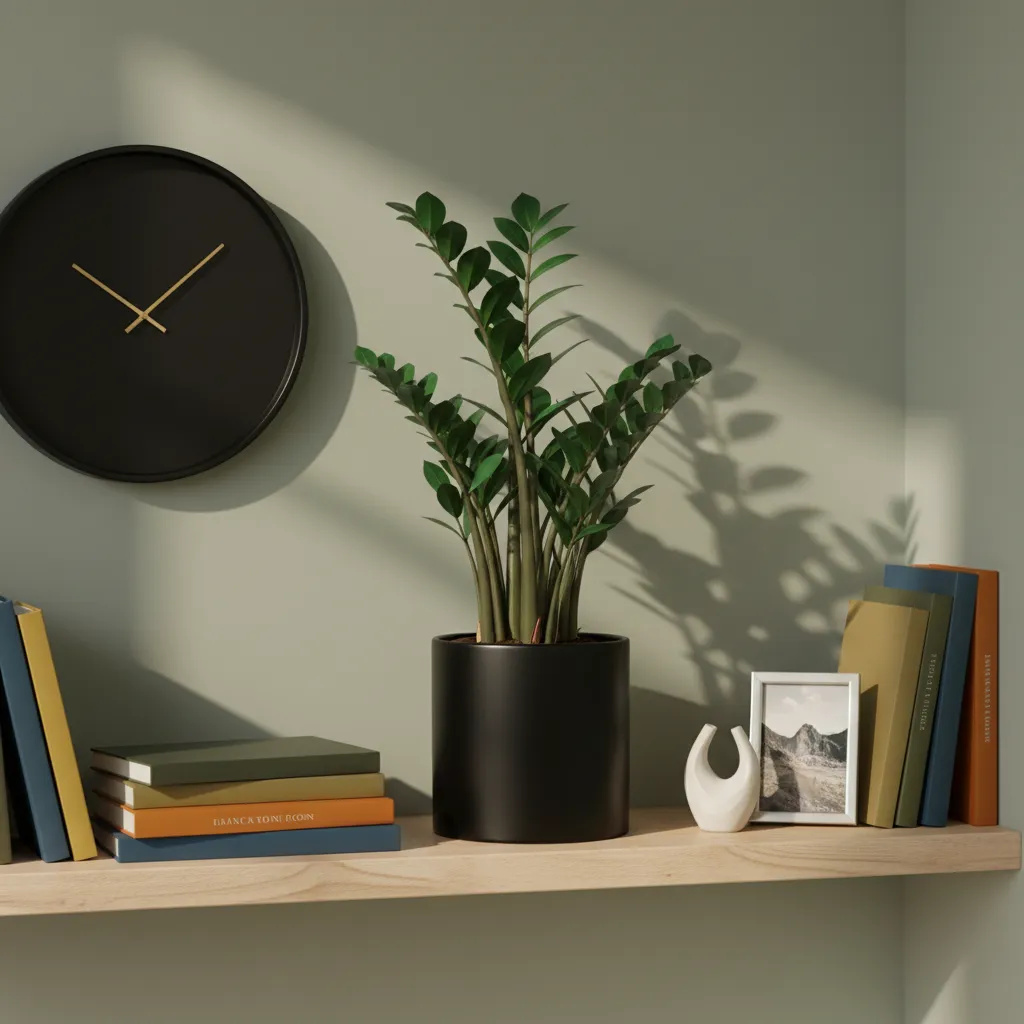
With its glossy, dark green leaves, the ZZ Plant looks so perfect it’s often mistaken for being artificial. It’s incredibly drought-tolerant, making it ideal for the forgetful plant owner or frequent traveler.
- Light: Thrives in low to bright indirect light. Avoid direct sunlight, which can scorch its leaves.
- Water: Water only when the soil is bone dry. Its underground rhizomes store water, so it’s better to underwater than overwater.
- Pro Tip: To keep the leaves looking shiny, gently wipe them with a damp cloth every few months to remove dust.
3. Cast Iron Plant (Aspidistra elatior)
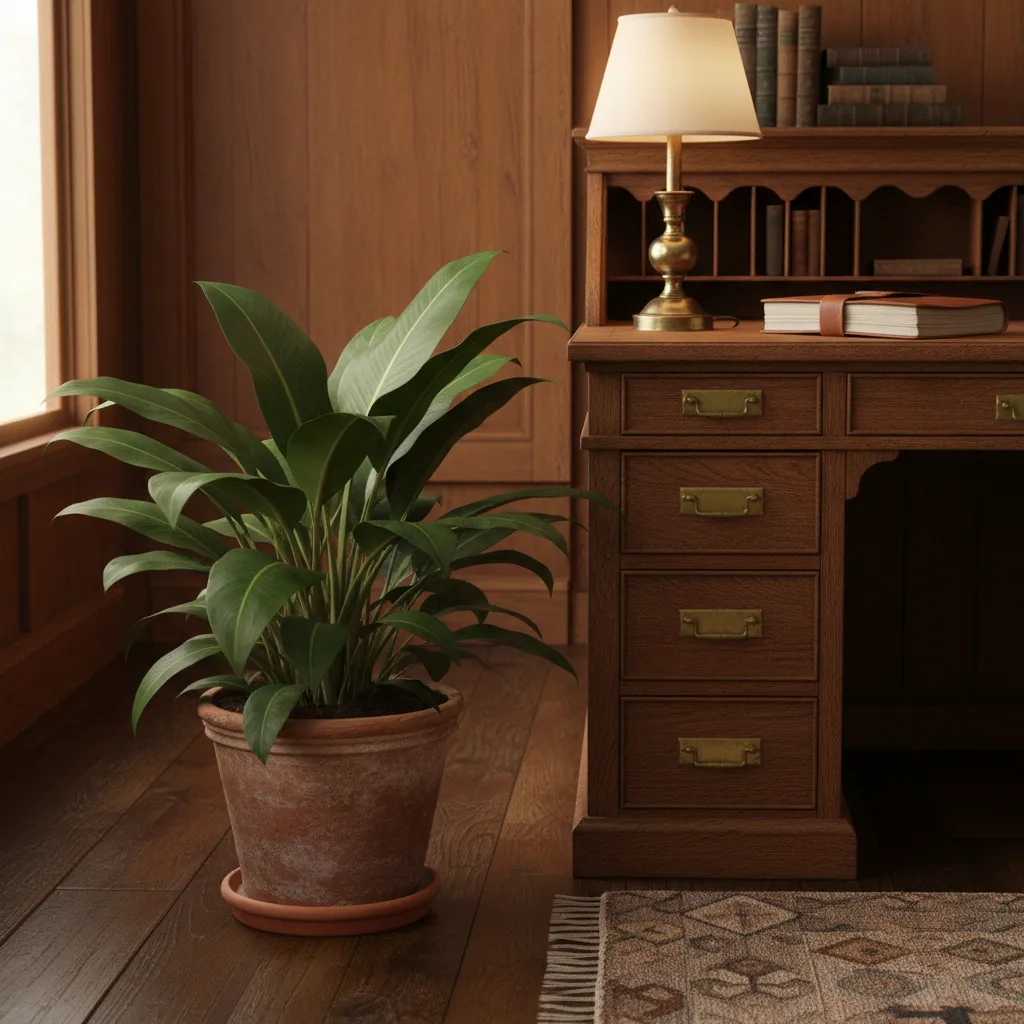
As its name suggests, this plant is nearly indestructible. The Cast Iron Plant can handle low light, infrequent watering, and fluctuating temperatures with grace. Its deep green, lance-shaped leaves add a lush, classic feel.
- Light: Prefers low light conditions. Direct sun will cause the leaves to fade.
- Water: Water when the top inch of soil is dry. It can tolerate periods of drought.
- Pro Tip: This plant is a slow grower, so be patient. Its resilience means you’ll have a steady companion for years.
The Forgiving Water-Sippers: For the Forgetful Owner
Life gets busy, and remembering to water plants can fall to the bottom of the to-do list. These plants are exceptionally forgiving and can bounce back even if you forget a watering session or two.
4. Pothos (Epipremnum aureum)
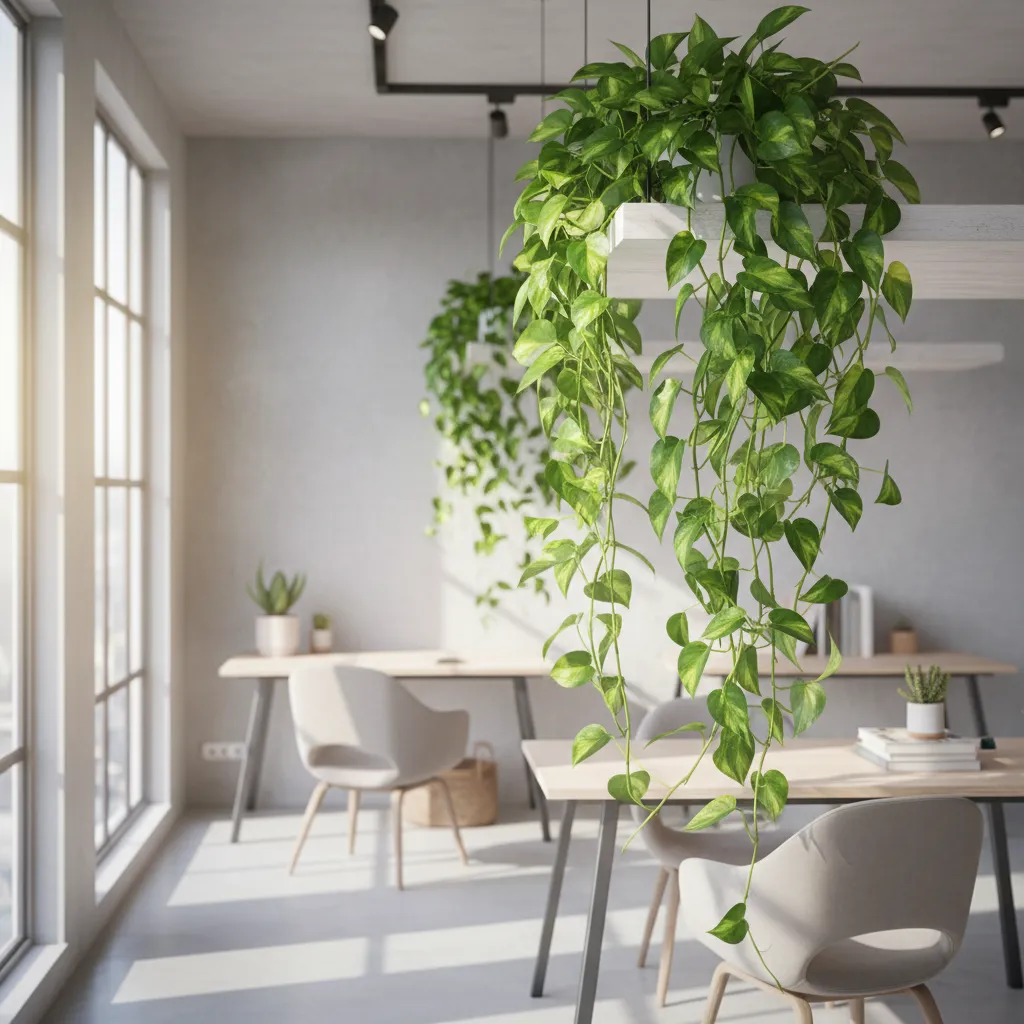
Often called Devil’s Ivy, Pothos is a trailing vine that is incredibly easy to grow. Its heart-shaped leaves come in various shades of green, yellow, and white, making it a versatile decor idea. You can let it cascade from a high shelf or trim it to keep it bushy.
- Light: Adaptable to a wide range of light conditions, from low to bright indirect light.
- Water: Water when the top inch of soil feels dry. The leaves will start to droop slightly when it’s thirsty, giving you a clear signal.
- Pro Tip: Pothos is easily propagated. Just snip off a piece of stem with a few leaves and place it in a glass of water. It will grow roots in a few weeks!
5. Spider Plant (Chlorophytum comosum)
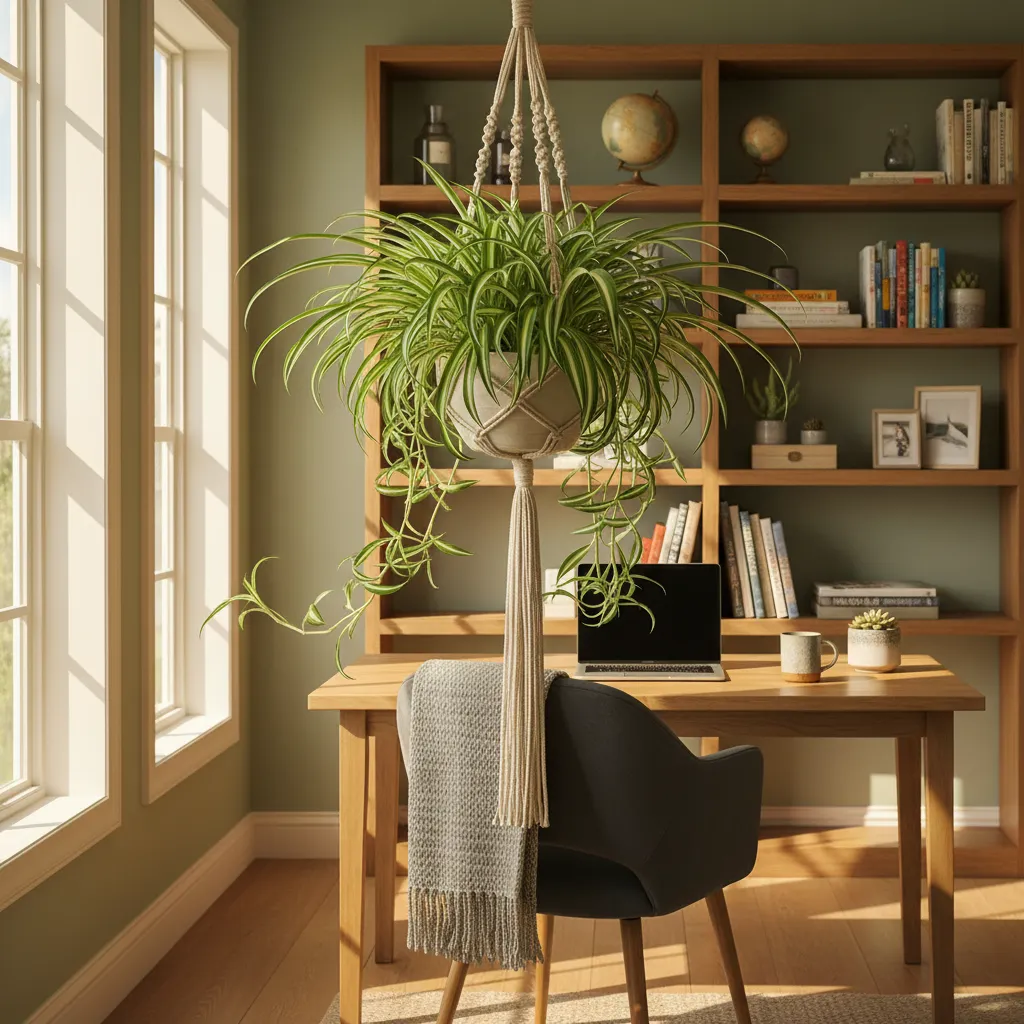
The Spider Plant is known for its arching leaves and the little “spiderettes” that dangle from the mother plant like spiders on a web. These baby plants can be easily repotted to create new plants to share.
- Light: Prefers bright, indirect light but can manage in lower light. Avoid direct sun.
- Water: Water well, but allow the soil to dry out between waterings.
- Pro Tip: If you notice the tips of the leaves turning brown, it might be due to fluoride in tap water. Try using filtered or distilled water instead.
6. Aglaonema (Chinese Evergreen)
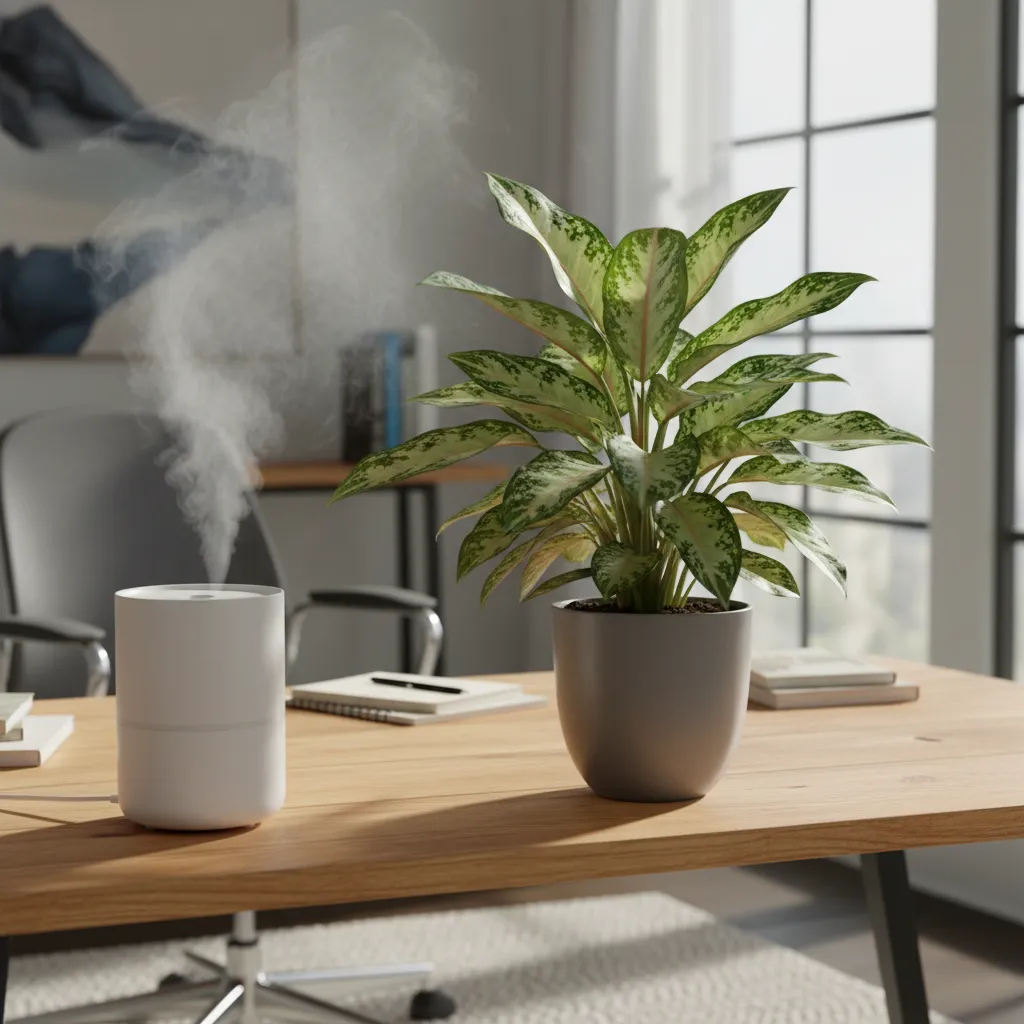
With beautiful, patterned leaves in shades of green, silver, pink, and red, the Chinese Evergreen is a stunning addition to any office. It’s also incredibly forgiving and adaptable.
- Light: Prefers medium to low indirect light. The darker green varieties can tolerate lower light than the more colorful ones.
- Water: Water when the top 1-2 inches of soil are dry.
- Pro Tip: This plant loves humidity. If your office is dry, consider placing it near a small humidifier or on a pebble tray with water.
Small and Mighty: Perfect Plants for Your Desk
If you’re short on space, you don’t have to miss out on the benefits of office plants. These compact options fit perfectly on a desk or small shelf without creating clutter.
7. Haworthia (Zebra Cactus)
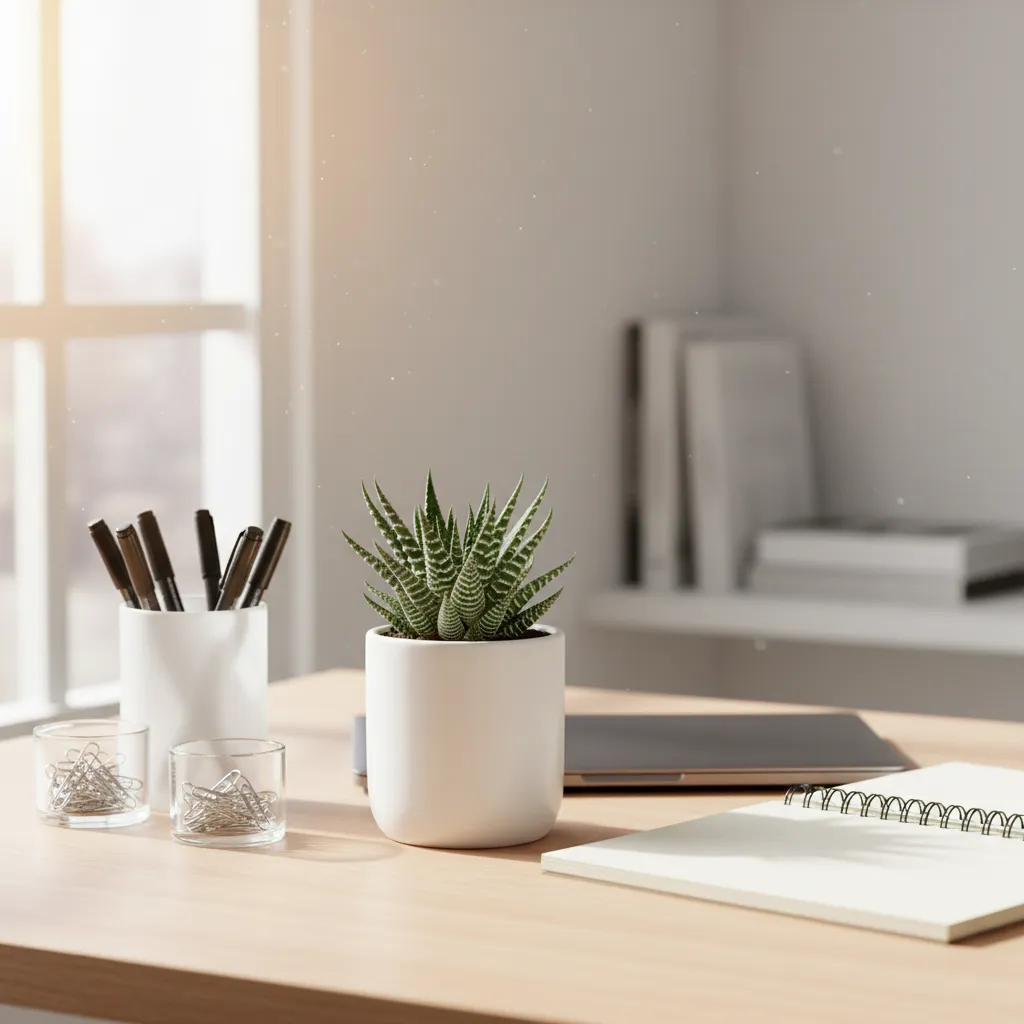
This small succulent features chunky leaves with striking white stripes, resembling a zebra pattern. It’s a slow-growing and low-maintenance plant that adds a pop of personality to your desk.
- Light: Prefers bright, indirect light, like near an east-facing window.
- Water: Water thoroughly when the soil is completely dry, about every 2-3 weeks.
- Pro Tip: Ensure it’s in a pot with a drainage hole, as succulents are very susceptible to root rot from sitting in water.
8. Air Plant (Tillandsia)
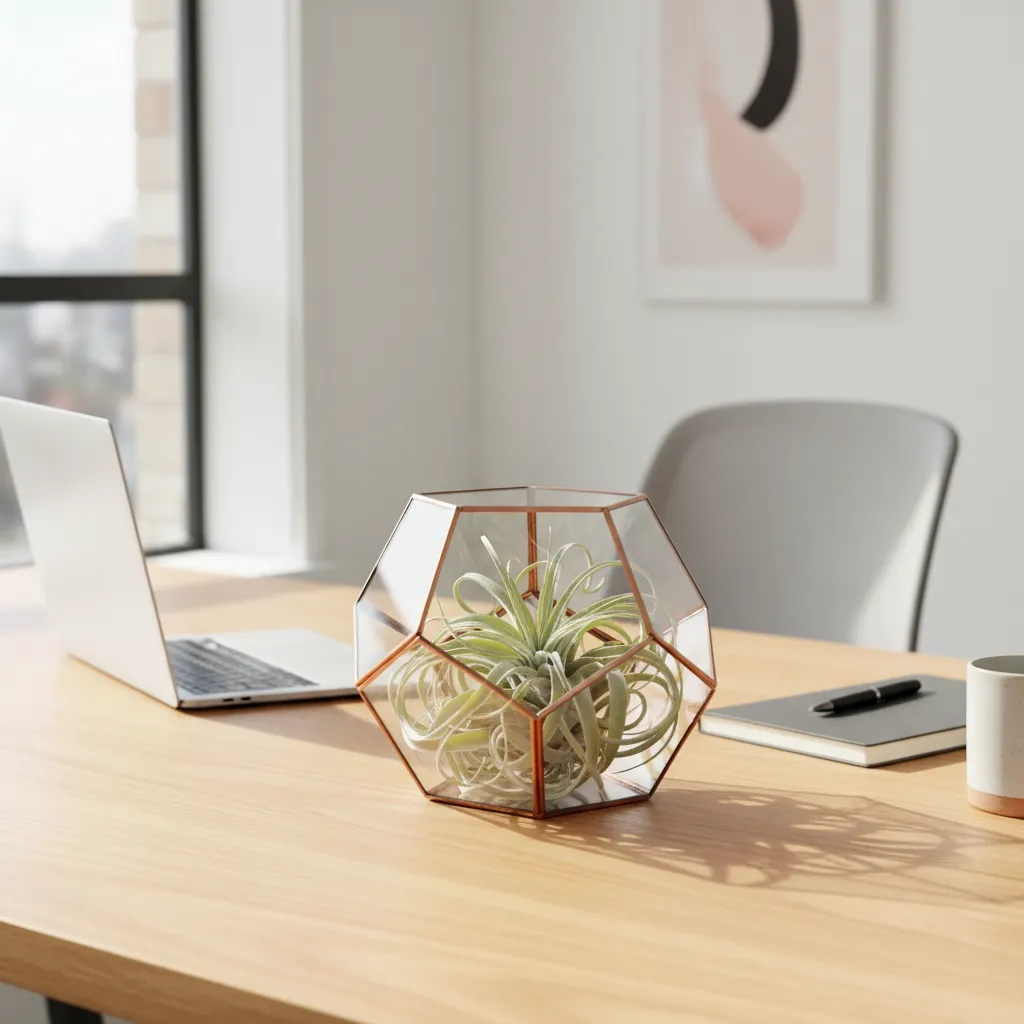
Air plants are a unique and modern home decor choice because they don’t need soil to grow. You can place them in a terrarium, on a piece of driftwood, or in a geometric holder.
- Light: Bright, indirect light is best.
- Water: Submerge them in water for 20-30 minutes once a week, then let them dry completely upside down before returning them to their spot.
- Pro Tip: After watering, gently shake out any excess water from the base of the leaves to prevent rot.
9. Lucky Bamboo (Dracaena sanderiana)
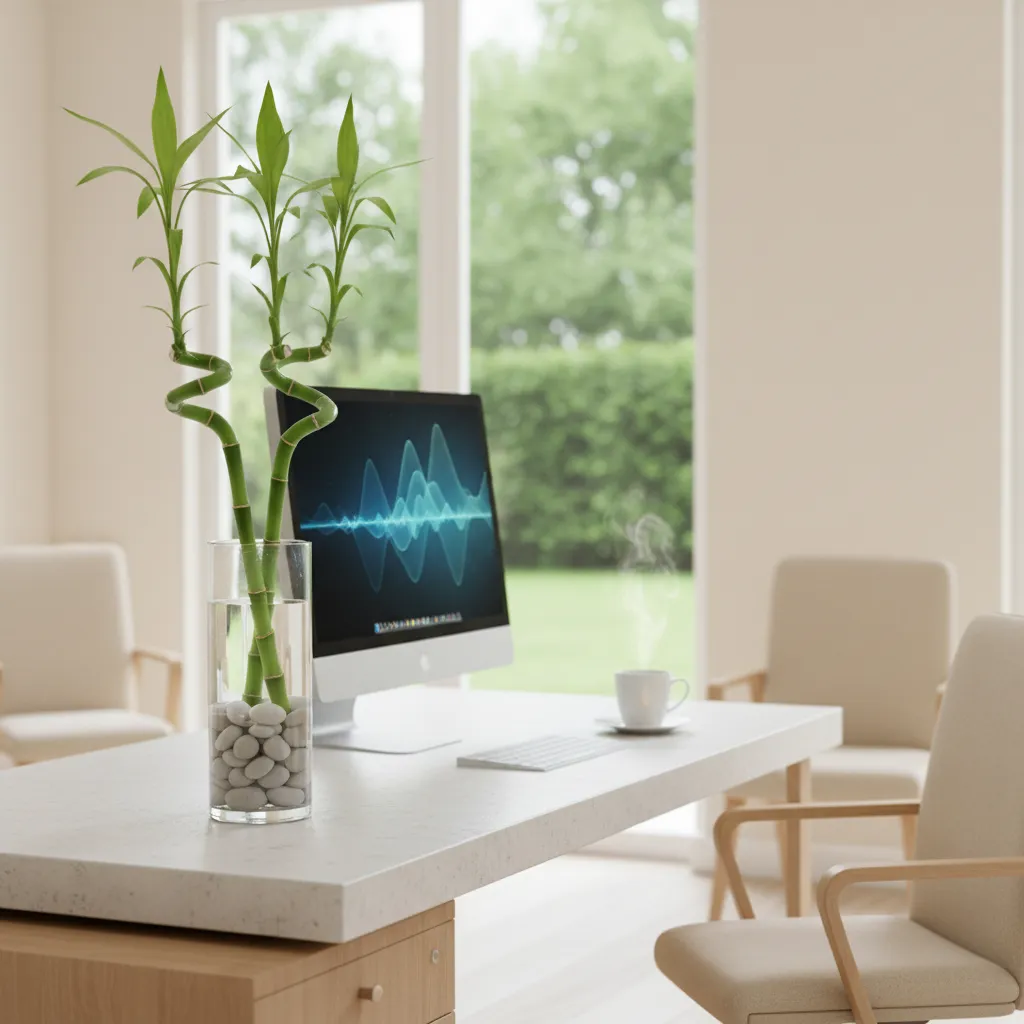
Despite its name, Lucky Bamboo is not actually bamboo but a type of Dracaena. It can be grown in water or soil and is often shaped into intricate designs. It’s believed to bring good fortune.
- Light: Tolerates low light but prefers bright, indirect light.
- Water: If growing in water, change the water weekly with distilled or filtered water. If in soil, keep the soil evenly moist.
- Pro Tip: If the leaves turn yellow, it could be a sign of too much light or chemicals in the water.
Statement Makers: Larger Plants for Floor and Corner Spaces
If you have the room, a larger floor plant can act as a living sculpture, anchoring your office design and making a bold statement.
10. Fiddle Leaf Fig (Ficus lyrata)
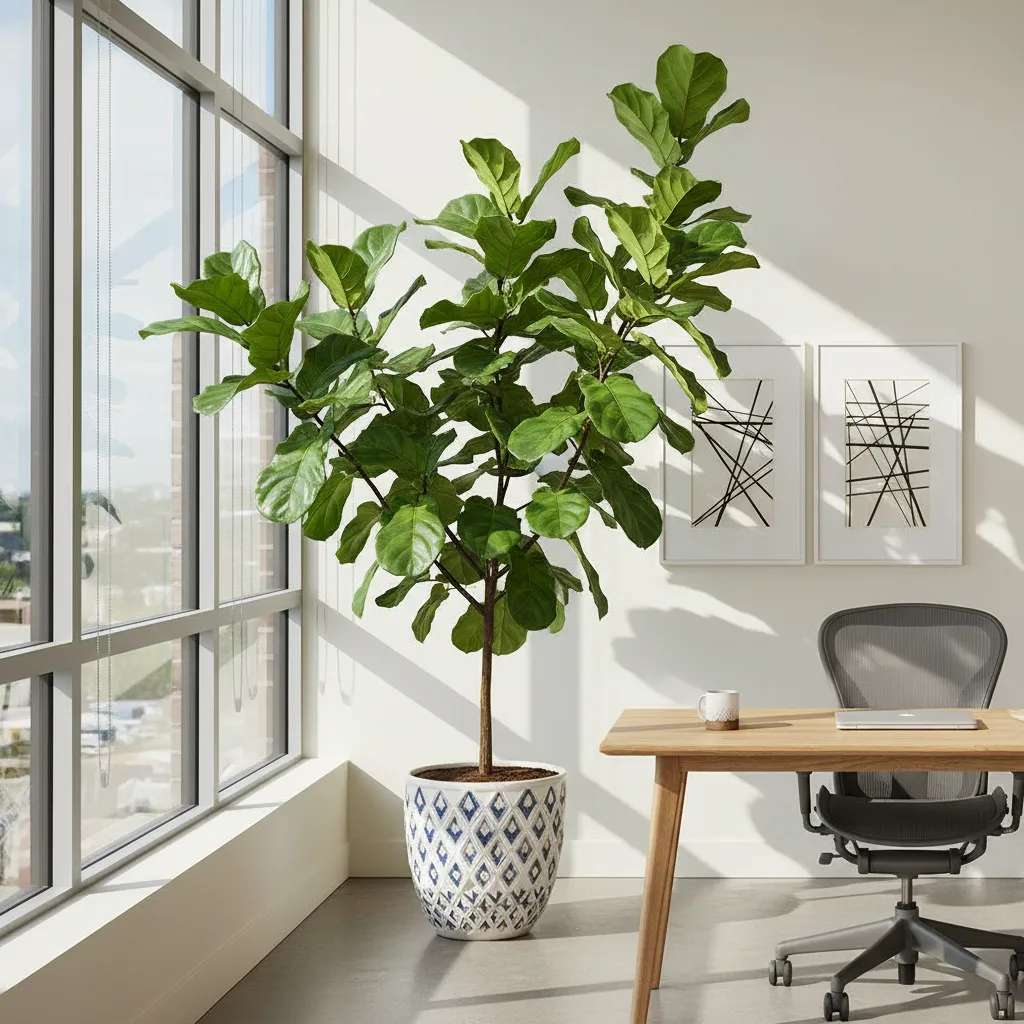
The Fiddle Leaf Fig is an interior design darling, famous for its large, violin-shaped leaves. While it has a reputation for being fussy, it can thrive once you find the right spot for it.
- Light: Needs lots of bright, indirect light. An east-facing window is ideal. It does not like to be moved.
- Water: Water when the top inch of soil is dry. Be consistent with your watering schedule.
- Pro Tip: Rotate the plant every few months so all sides get equal light, encouraging even growth.
11. Monstera Deliciosa (Swiss Cheese Plant)
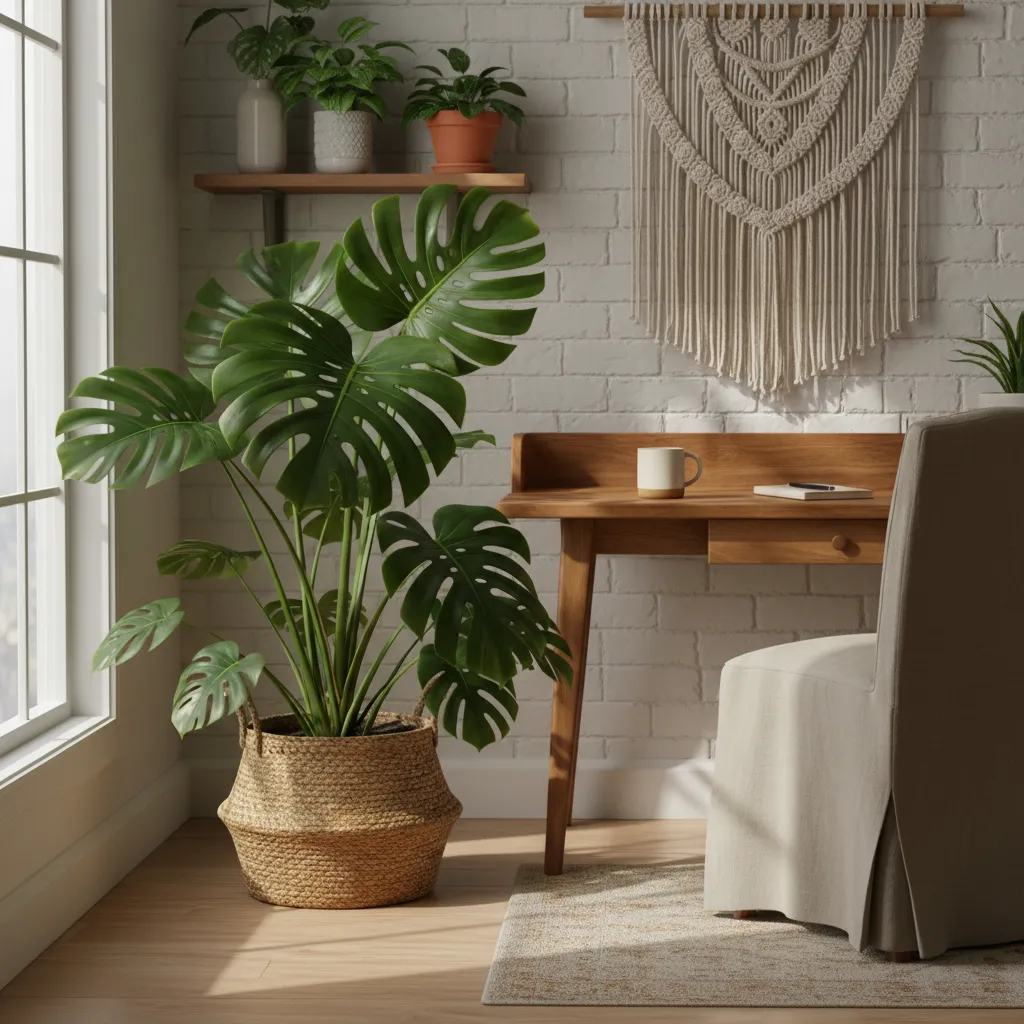
The Monstera is an iconic tropical plant known for its large, split leaves. It adds a lush, jungle-like vibe to any space and is surprisingly easy to care for.
- Light: Prefers bright, indirect light but can tolerate lower light levels.
- Water: Water when the top 1-2 inches of soil are dry.
- Pro Tip: As it grows, it will need support. Add a moss pole for it to climb, which encourages the growth of larger, more fenestrated leaves.
12. Rubber Plant (Ficus elastica)
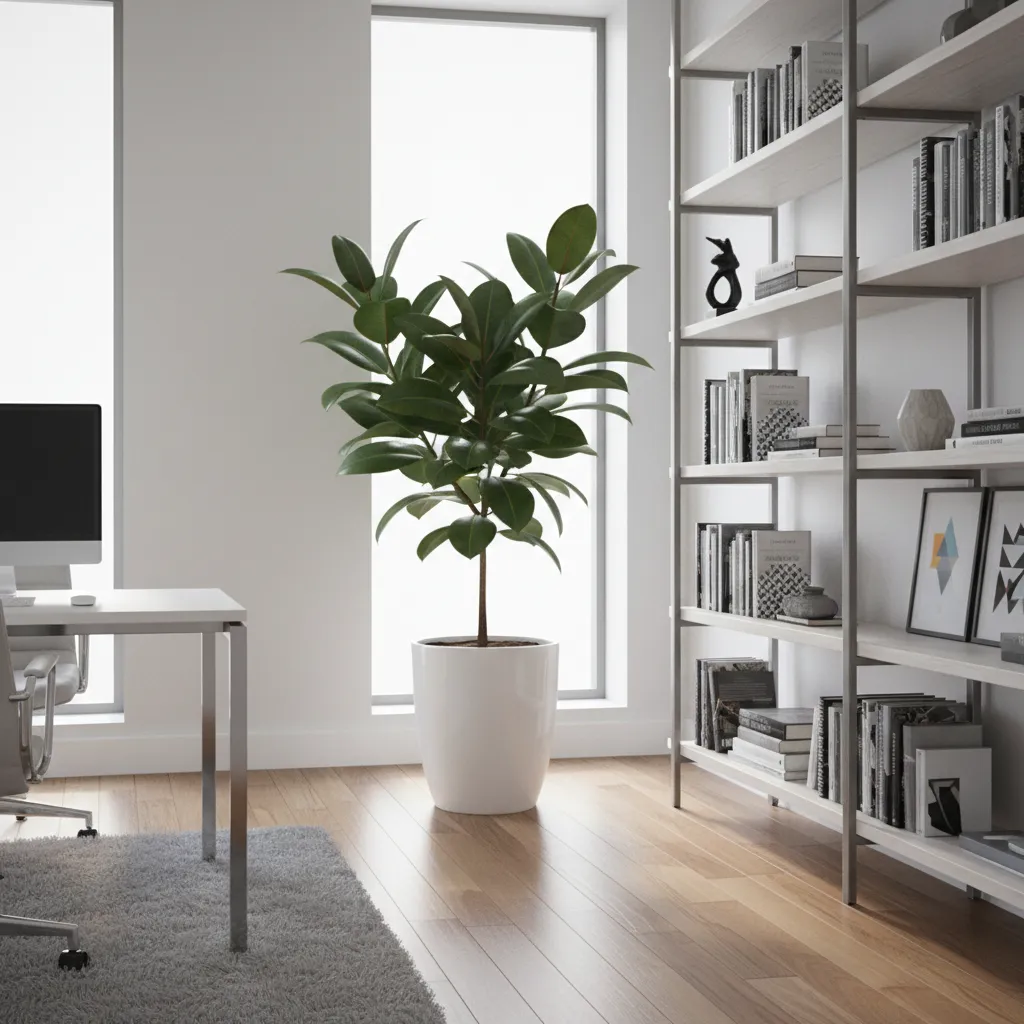
The Rubber Plant features large, deep-green, waxy leaves that have a dramatic and sophisticated look. It’s a sturdy plant that grows into a small tree, making it a great home decor investment.
- Light: Loves bright, indirect light that isn’t too hot.
- Water: Water when the top of the soil is dry. It’s better to underwater than overwater.
- Pro Tip: Pruning the top of the plant will encourage it to grow bushier rather than taller.
13. Parlor Palm (Chamaedorea elegans)
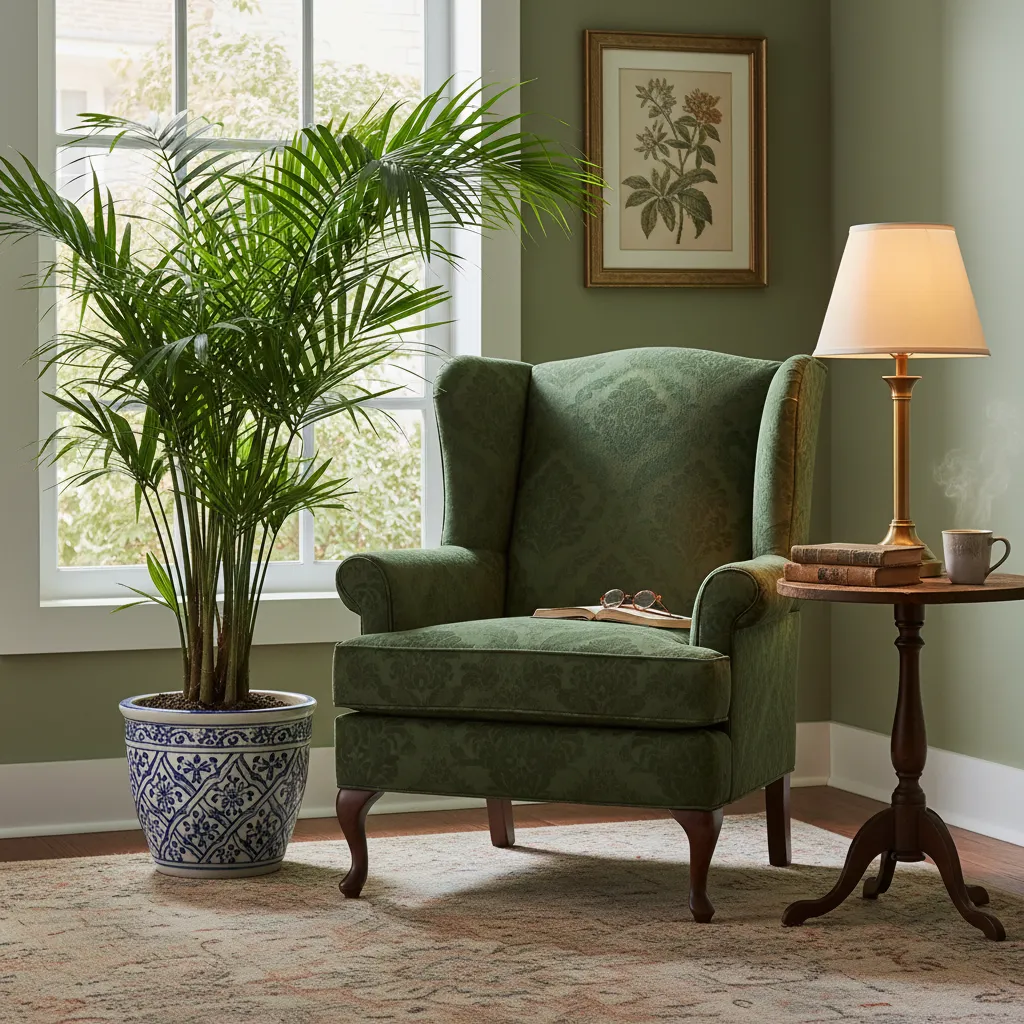
This elegant palm brings a touch of Victorian charm and tropical flair. It’s a slow-growing and low-maintenance palm that is well-suited for indoor life.
- Light: Thrives in medium to low light. It can tolerate lower light than many other palms.
- Water: Keep the soil lightly moist but not waterlogged.
- Pro Tip: The Parlor Palm is non-toxic, making it a safe choice for offices with pets.
Conclusion: Cultivate Your Perfect Workspace
Choosing the right office plant is about matching its needs with your environment and lifestyle. Whether you need a low-light survivor, a forgiving friend for a busy schedule, or a small desk companion, there is a perfect plant waiting to liven up your workspace.
Start with one or two from this list. As you see them thrive, your confidence will grow, and you’ll find that caring for plants is a rewarding and relaxing hobby. Your office will not only look better with these living home decor elements, but you just might feel better, too. Happy planting
FAQs
What are the best low-maintenance plants for an office?
Some of the easiest office plants to care for include snake plants, pothos, ZZ plants, and peace lilies. These varieties tolerate low light, irregular watering, and indoor temperature fluctuations, making them perfect for busy workspaces.
How often should I water office plants?
Watering needs depend on the plant type, but most office-friendly plants prefer to dry out slightly between waterings. A general rule is to check the top inch of soil—if it feels dry, it’s time to water. Overwatering is more common than underwatering, so always ensure proper drainage.
Can office plants survive without natural light?
Yes, certain plants can tolerate low-light conditions. Snake plants, ZZ plants, and some types of pothos adapt well to fluorescent lighting. However, even low-light plants benefit from occasional exposure to indirect natural light if possible.
Do office plants really improve productivity?
Studies suggest that indoor plants can boost mood, reduce stress, and improve air quality, all of which may enhance focus and productivity. Even a small touch of greenery can make a workspace feel more inviting and energizing.
How do I choose the right plant for my workspace?
Consider your office lighting, available space, and how much time you can dedicate to care. If you have limited desk space, opt for compact plants like succulents. For larger areas, floor plants such as fiddle leaf figs or rubber plants can make a bold statement while still being manageable.