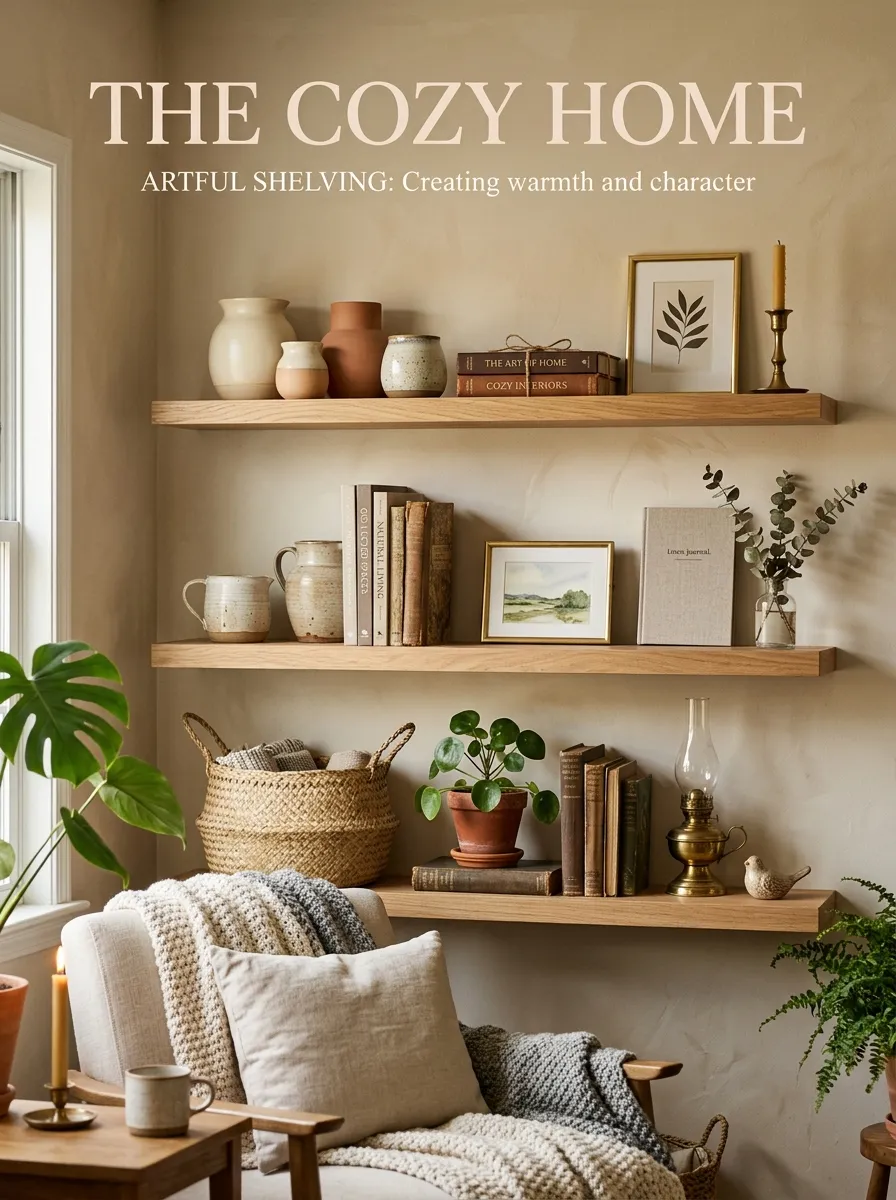
15 Charming Trinket Shelf Ideas for a Collected Home
Quick answer: A trinket shelf turns small, meaningful objects—souvenirs, ceramics, vintage finds—into intentional decor. The best trinket shelf ideas group items by color, height, and material while leaving breathing room between pieces. Floating shelves, corner ledges, and glass-front cabinets all work well, especially when styled with a mix of curated objects rather than everyday clutter.
There’s a particular kind of home that feels lived-in without feeling cluttered. Walk through it and you’ll spot a shelf of hand-thrown pottery here, a ledge of seashells and old postcards there. These are collected homes, and their secret weapon is the humble trinket shelf.
A trinket shelf isn’t just a place to dump odds and ends. Done well, it becomes a small gallery of your life—souvenirs from a trip, a chipped teacup from your grandmother, a stone you picked up on a walk you don’t want to forget. The trick is styling these objects with the same care you’d give a piece of art, rather than letting them pile up in a random assortment.
This guide walks through fifteen trinket shelf ideas for anyone who wants their home to feel more personal and less like a showroom. Some ideas call for a dedicated floating shelf, others work with furniture you already own. All of them are built around one idea: small objects, thoughtfully arranged, can carry a lot of warmth. If you’re also looking to bring more organic charm into your rooms, pairing these shelves with Beautiful Floral Decor Ideas for Every Room is a natural next step.
Recommended Items for Your Home Decor
1. The Color-Sorted Ceramic Shelf

If your trinket collection has grown a little wild, sorting by color is the fastest way to bring order to it. Group your ceramics, vases, and small dishes by a single dominant hue—think a shelf of all cream and terracotta pieces—and the visual noise disappears almost instantly.
This approach works especially well on a single floating shelf in a hallway or above a console table. You don’t need matching pieces, just a shared color story. A chipped mug and a hand-thrown bowl can sit side by side beautifully if they’re both the same warm clay tone.
2. The Travel Memento Ledge

A long, narrow ledge near an entryway or stairwell is the perfect home for travel keepsakes. Small carved figures, a matchbook from a memorable trip, a tiny bottle of sand from a beach vacation—these items tell a story when they’re lined up together.
Keep the display from feeling scattered by choosing one consistent element, such as a neutral-toned ledge or matching small stands for each object. This turns a hodgepodge of souvenirs into a cohesive timeline of your travels, and it’s one of those decor ideas that guests always ask about.
3. The Glass-Front Curio Corner

Sometimes trinkets deserve a little protection, especially delicate glass or porcelain pieces. A glass-front cabinet or curio shelf adds a sense of preciousness to your collection while keeping dust at bay.
Line the interior with a soft fabric backing in a muted tone to help lighter-colored objects stand out. Position the cabinet where natural light can catch the glass, turning the display into something that glimmers rather than just sits.
4. The Floating Corner Shelf Cascade

Corners are often wasted space, but a set of two or three floating shelves installed diagonally down a corner creates a striking, sculptural display. This works particularly well in reading nooks or awkward architectural corners that don’t fit furniture easily.
Stagger your trinkets by height as you move down the cascade—taller items near the top, smaller ones toward the bottom—to draw the eye naturally along the arrangement. If you’re leaning into a rustic aesthetic elsewhere in the home, this pairs nicely with the wood-forward look found in Charming Winter Farmhouse Decor Ideas.
5. The Vintage Book & Object Pairing

Books aren’t just for reading—they’re also excellent props for trinket display. Stack a few vintage hardcovers horizontally and use the flat surface as a pedestal for a small object, like a miniature sculpture or an interesting stone.
This layering technique adds height variation to a shelf without requiring additional furniture. It also gives you an easy way to rotate trinkets seasonally, since swapping out the object on top takes seconds.
6. The Grandmillennial Trinket Dish Display

If you’ve inherited small dishes, ring holders, or trinket trays from family members, don’t tuck them in a drawer. A dedicated shelf for these pint-sized vessels celebrates the grandmillennial style that’s having a moment right now, mixing florals, scalloped edges, and delicate patterns into a nostalgic display.
Group the dishes close together so their patterns read as one cohesive collection rather than a scattering of mismatched pieces.
7. The Open Kitchen Shelf for Small Ceramics

Kitchens tend to be strictly functional, but an open shelf dedicated to small ceramic bowls, egg cups, or salt cellars adds warmth to the space. These everyday objects double as decor when displayed with intention.
Choose a shelf at eye level near the stove or sink so the display feels integrated into daily life, not tucked away in a corner nobody sees.
8. The Symmetrical Mantel Trinket Row

A mantel is one of the most natural places for a trinket shelf effect, even without an actual shelf involved. Arrange small objects—candlesticks, framed miniatures, a collected stone or two—in a loosely symmetrical row to create a calm, balanced focal point in the living room.
Vary the heights slightly so the arrangement doesn’t feel too rigid. A tall taper candle next to a low ceramic dish next to a medium picture frame creates the kind of layered look professional stylists favor, a principle covered further in Hidden Design Secrets Professional Stylists Swear By.
9. The Nature Collection Shelf

If your trinkets lean less “souvenir shop” and more “found on a walk,” dedicate a shelf to natural objects: smooth stones, dried seed pods, small pieces of driftwood, or a bird’s nest found in the yard. This kind of shelf feels especially at home in a reading nook or bedroom.
Keep the palette earthy and let texture do the visual work instead of color. A cluster of stones next to a piece of weathered wood needs very little else to feel complete.
10. The Gallery Ledge Beneath Framed Art

Instead of hanging a single shelf on its own, install a narrow ledge just beneath a piece of framed art or a small gallery wall. This lets your trinkets and your wall art work together as one unified display, rather than competing for attention in separate zones.
Choose two or three small objects that echo a color or shape found in the artwork above to tie the whole vignette together.
11. The Bathroom Trinket Niche

Bathrooms are often overlooked when it comes to personal decor, but a small shelf or recessed niche is a great spot for delicate trinkets like a shell collection, a small vase, or a miniature plant. Choose water-resistant materials like ceramic or glass, since bathroom humidity can be tough on wood or paper items.
This is also a nice place to display trinkets you love but don’t have room for elsewhere in the house.
12. The Layered Bookshelf Trinket Break

If you have a large bookshelf, don’t let it become an unbroken wall of spines. Every foot or two, break up the books with a small trinket—a ceramic bust, a framed photo, or a favorite object—to give the eye somewhere to rest.
Alternate between vertical book stacks and horizontal ones, using the horizontal stacks as a small pedestal for trinkets, much like the layering trick used across other bookshelf styling approaches.
13. The Rotating Seasonal Shelf

Dedicate one small shelf in your home to rotate with the seasons. In autumn, fill it with small gourds and dried leaves; in spring, swap in a few fresh blooms and pastel-toned trinkets. This keeps a single shelf feeling fresh all year without requiring a full redecorating effort.
If you enjoy this kind of seasonal styling, you’ll find plenty of ideas for extending the concept to your dining space in Warm and Inviting Table Decor Ideas.
14. The Minimalist Single-Object Shelf

Not every trinket shelf needs to be a full collection. Sometimes a single, striking object on its own small shelf—a sculptural vase, an interesting rock, a treasured heirloom—makes a bigger impact than a crowded display.
Choose a shelf with a bit of visual weight, like a chunky wood bracket, to give the lone object a sense of presence rather than looking sparse.
15. The Entryway Catch-All Trinket Tray

Not every trinket needs its own dedicated shelf—sometimes a small tray on an entryway shelf does the job. Use it to display keys, a favorite candle, and one or two decorative objects, turning a functional catch-all into a styled vignette every time you walk in the door.
This is one of the easiest decor ideas to maintain because it doubles as a daily-use space rather than a strictly decorative one.
Frequently Asked Questions
How many trinkets should I put on a shelf?
There’s no fixed number, but grouping items in odd numbers—three or five—tends to look more visually dynamic than even groupings. For a standard floating shelf around 24 to 36 inches wide, three to five well-chosen objects usually strikes the right balance between curated and cluttered.
What’s the best way to arrange a trinket shelf so it doesn’t look messy?
Vary the height of your objects, leave visible negative space between groupings, and stick to a limited color palette or material story (like wood and ceramic, or glass and brass). Avoid lining items up in a single flat row, since staggered heights read as more intentional.
What materials work best for a trinket shelf itself?
Wood shelves suit rustic or farmhouse-style trinkets, while sleek floating shelves in white or black work well for a more modern collection. Glass shelves are a good option for displaying delicate or reflective objects, since they let light pass through the display.
Can I create a trinket shelf on a small budget?
Yes. Many trinket shelf ideas rely on objects you likely already own, such as travel souvenirs, inherited dishes, or things collected on a walk. A simple floating shelf from a hardware store, combined with thoughtful arranging, costs very little compared to buying new decor.
Where in the house should I put a trinket shelf?
Entryways, hallways, bathroom niches, and awkward corners are all excellent, often-overlooked spots. These transitional spaces benefit from a small dose of personality, and a trinket shelf fills that role without requiring a major redesign.
How often should I update or rotate my trinket shelf?
There’s no strict rule, but many people find it satisfying to refresh a shelf seasonally or whenever they acquire a new meaningful object. Rotating pieces keeps the display feeling current and gives less-loved trinkets a turn in the spotlight.
Give Your Trinkets a Proper Home
A collected home isn’t built in a weekend, and it doesn’t come from a single trip to a big-box store. It comes from paying attention to the small objects that already mean something to you and giving them a place where they can actually be seen.
Pick one shelf in your home this week—maybe a neglected corner or an entryway ledge—and try just one of these ideas. You might find that the trinkets you already own, arranged with a little intention, do more for your space than any new purchase could.


