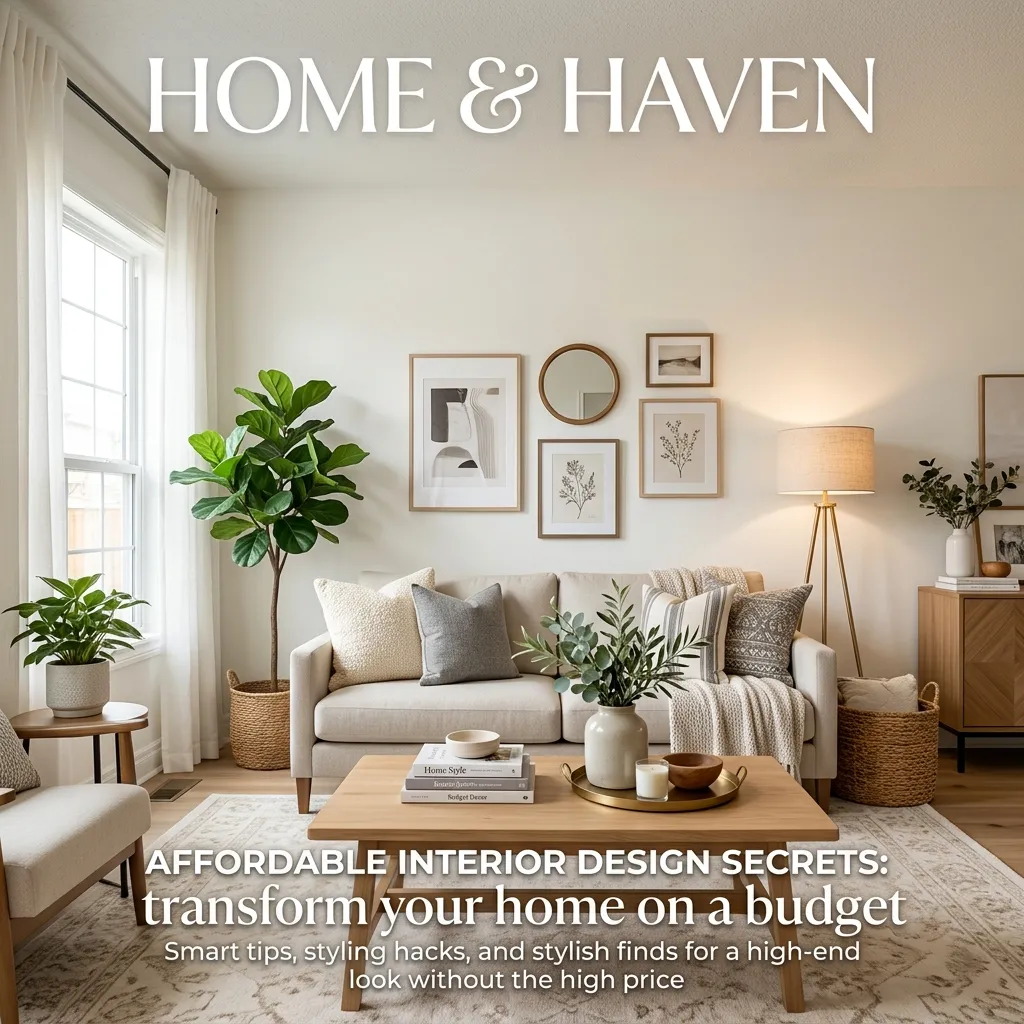
17 Affordable Interior Design Secrets That Make Your Home Feel Professionally Styled
You sit on your sofa, scrolling through beautifully curated social media feeds, and suddenly your living room feels a bit uninspired. We have all experienced that moment. You might assume those magazine-worthy spaces cost a small fortune to create. However, creating a high-end look does not require a luxury budget or a total renovation. Instead, it relies on knowing a few clever styling tricks that trick the eye and elevate the atmosphere.
Recommended Items for Your Home Decor
Affordable interior design secrets allow you to transform a basic room into a curated sanctuary. Whether you rent a small apartment or own a spacious house, small tweaks to your layout, lighting, and textiles make a massive difference. Furthermore, you can achieve this without maxing out your credit cards.
By the end of this guide, you will discover exactly how to arrange, style, and upgrade your space. Get ready to learn seventeen actionable tricks that will make your home look like you hired a high-end decorator.
Master Your Layout and Space Planning
The foundation of any beautiful room starts with how you arrange your furniture. Even the most expensive decor looks awkward if the layout feels cramped or unbalanced.
1. Pull Furniture Away from the Walls

Pushing every piece of furniture against the wall actually makes a room feel smaller and less inviting. Therefore, try “floating” your sofa or chairs a few inches toward the center of the room. This simple adjustment creates cozy conversation zones and gives your layout a customized, intentional feel.
2. Anchor the Room with a Large Rug

A rug that is too small instantly makes a space look cheap and disjointed. Instead, invest in a large area rug where all the front legs of your furniture can comfortably sit on it. If large rugs stretch your budget, buy an affordable jute or sisal rug and layer a smaller, patterned rug on top.
3. Create Intentional Focal Points

Every professionally styled room has one star of the show. This might be a beautiful fireplace, a large picture window, or an oversized piece of art. Arrange your seating to highlight this focal point. Consequently, the room will feel organized and visually striking as soon as you walk in.
4. Use the Rule of Thirds

Photographers use the rule of thirds, and decorators do too. Mentally divide your room into three sections, vertically and horizontally. Place your most prominent pieces at the intersections of these invisible lines. This trick creates a natural balance that is incredibly pleasing to the human eye.
Elevate Your Lighting
Lighting completely dictates the mood of your home. Relying solely on harsh overhead fixtures is a fast track to a sterile, uninviting environment.
5. Layer Your Light Sources

Designers never rely on just one light source. Instead, they layer ambient (general), task (reading), and accent (decorative) lighting. Add a floor lamp near your sofa, a small lamp on a bookshelf, and perhaps some sconces. This variety adds incredible warmth and depth to any space.
6. Swap Out Builder-Grade Fixtures

One of the most effective Hidden Design Secrets is replacing generic light fixtures. You do not need expensive designer chandeliers. An affordable, modern pendant or a sleek flush mount can drastically change the entire personality of your hallway or dining room.
7. Upgrade Your Lampshades

If a new lamp is out of the budget, simply upgrade the shade. Swap out plain white, flimsy shades for ones with texture, like linen or woven rattan. Alternatively, a black lamp shade adds instant drama and luxury to a basic table lamp.
8. Add Mirrors to Maximize Light

Mirrors are a decorator’s best friend, especially in small or dark rooms. Place a large mirror directly across from a window. As a result, it bounces natural light around the room, making the space feel twice as large and significantly brighter.
Textile and Color Tricks
Fabric and paint are affordable tools that dramatically alter the visual weight and mood of your home.
9. Hang Curtains High and Wide

Nothing makes a ceiling feel lower than curtains hung right right above the window frame. To mimic the look of custom drapery, mount your curtain rod close to the ceiling and extend it a few inches past the sides of the window. Your windows will look enormous, and your room will feel significantly taller.
10. Stick to a Cohesive Color Palette

A room feels chaotic when too many colors fight for attention. Choose a primary color, a secondary color, and an accent color. Carry this palette through your pillows, art, and rugs. This consistency is the hallmark of professional styling.
11. Mix Textures Instead of Colors

If you prefer a neutral space, you must incorporate heavy texture to prevent boredom. Mix smooth leather with chunky knits, velvet, and natural wood. For instance, incorporating some cozy Winter Farmhouse Decor Ideas through chunky throws and rustic wood elements adds incredible warmth.
12. Overstuff Your Throw Pillows

Flimsy, flat pillows make a sofa look sad. The secret here is simple: always buy pillow inserts that are one to two inches larger than your pillow covers. Specifically, if you have an 18×18 cover, use a 20×20 insert. They will look plump, luxurious, and perfectly styled.
13. Fold Your Blankets Like a Pro

Do not just toss a blanket onto the back of your couch. Neatly fold your throw blanket into thirds and drape it elegantly over the arm of your sofa or the end of your bed. This structured look instantly elevates the room’s tidiness.
Styling Details That Pack a Punch
The final layer of design involves the small details that showcase your personality and polish the space.
14. Embrace the Rule of Three

When grouping objects on a coffee table or a shelf, always use odd numbers. Three objects of varying heights—like a stack of books, a candle, and a small plant—look more natural and balanced than an even pair.
15. Incorporate Large Scale Art

Cluttering a wall with tiny frames often makes a room look messy. Instead, opt for one massive, bold piece of art. If large art is too pricey, consider large DIY Wall Ideas like painting a geometric mural or framing a large piece of affordable fabric or wallpaper.
16. Bring in Fresh Botanicals

Plants breathe life into stagnant rooms. Even if you lack a green thumb, incorporating fresh flowers or high-quality faux branches adds an organic element. You can easily brighten up a gloomy corner by exploring beautiful Floral Decor Ideas and applying them to your entryway console or kitchen island.
17. Style Your Trays

Use a decorative tray to corral clutter. Place your remote controls, a favorite candle, and a coaster on a beautiful brass or wood tray. This immediately turns random household items into a deliberate, stylish arrangement. This works exceptionally well for Table Decor Ideas on dining tables and coffee tables alike.
Common Mistakes to Avoid
Even with the best intentions, certain styling habits can accidentally cheapen your home’s aesthetic. Keep these common missteps in mind as you decorate.
- Matching Furniture Sets: Buying a complete matching set (sofa, loveseat, and chair) looks like a furniture showroom, not a curated home. Instead, mix materials and styles for a collected look.
- Ignoring Cord Clutter: Tangled TV and lamp cords instantly ruin a beautiful vignette. Zip-tie your cords, hide them behind furniture, or paint them the same color as the wall.
- Hanging Art Too High: Art should connect with the furniture below it. Always hang your art at eye level, which is generally 57 to 60 inches from the floor to the center of the piece.
- Keeping the Clutter: Professional spaces breathe. If you have too many small decor pieces, it just looks messy. Edit your shelves and leave some empty space to let your favorite items shine.
Budget-Friendly Ideas
You do not need to empty your savings account to achieve a designer look. Here is a quick mini step-by-step guide to upgrading your home on a tight budget.
Step 1: Paint is Your Best Friend
A fresh coat of paint provides the highest return on investment. Paint a bold accent wall, refresh your front door, or paint your outdated kitchen cabinets. Furthermore, try painting your interior doors a dark charcoal or black for an instant touch of luxury.
Step 2: Update Your Hardware
Swap out standard cabinet knobs and drawer pulls for brushed brass or matte black alternatives. This small change completely revamps kitchens, bathrooms, and thrifted dressers for under fifty dollars.
Step 3: Shop Secondhand for Statement Pieces
Skip the big box stores for decor. Scour thrift stores, estate sales, and online marketplaces for unique vases, vintage frames, and solid wood side tables. These pieces add character that you simply cannot buy off a shelf.
Step 4: Decant Your Household Items
Remove dish soap, hand soap, and pantry items from their ugly plastic packaging. Pour them into matching glass dispensers or jars. Consequently, your kitchen and bathroom will immediately mimic the feel of a luxury hotel.
Conclusion
Creating a home that feels professionally designed is rarely about how much money you spend. Ultimately, it is about intentionality, scale, and paying attention to the small details. By hanging your curtains high, layering your lighting, and mixing your textures, you immediately elevate the aesthetic of your space.
You do not have to tackle all of these affordable interior design secrets at once. Start small. Perhaps you can pull your sofa a few inches from the wall today, or finally adjust the height of your artwork this weekend. Each little adjustment builds upon the last, slowly transforming your house into a place you genuinely love.
Roll up your sleeves, grab that measuring tape, and start restyling your favorite room. You already have the tools to make your home beautiful; now it is time to put them into practice.


