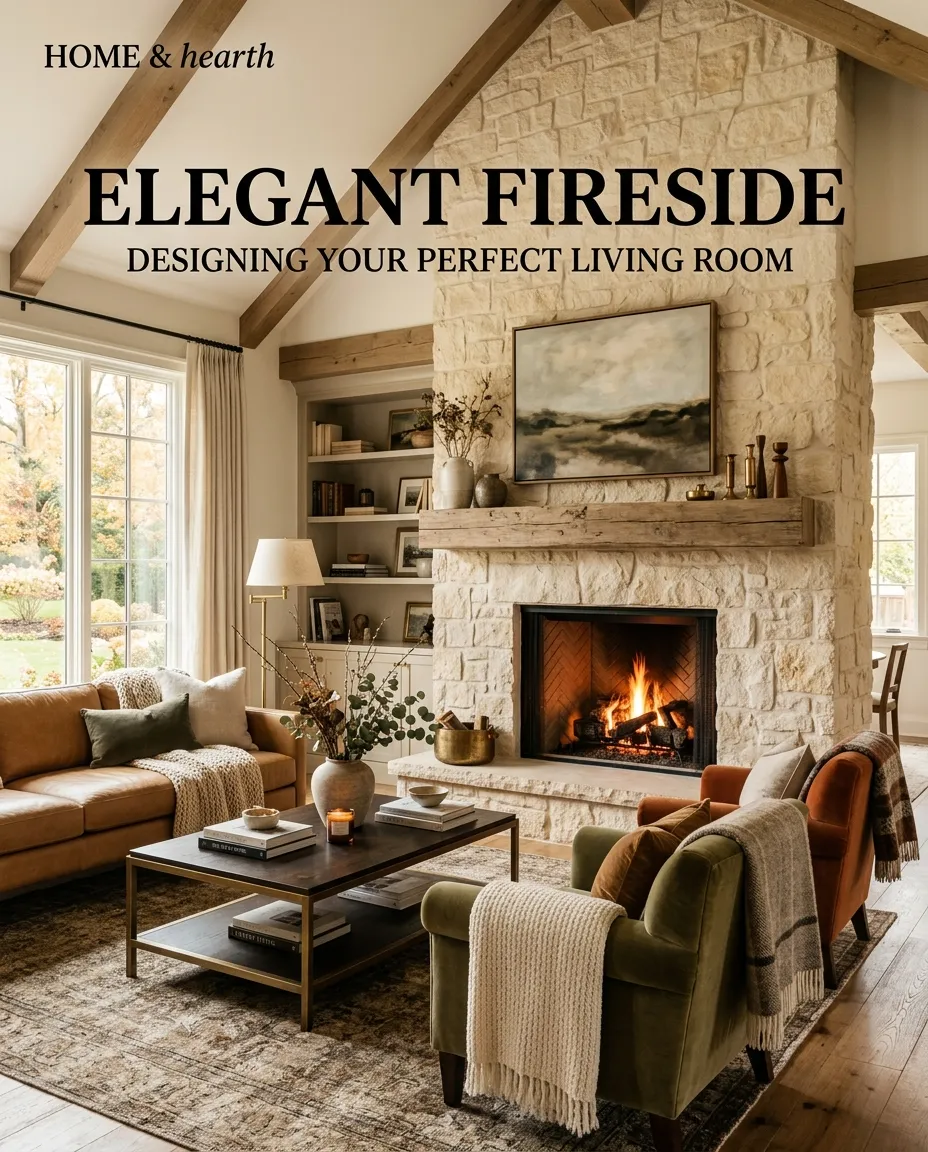
15 Statement Fireplace Ideas That Become the Room’s Focal Point
Quick answer: A statement fireplace becomes a room’s focal point through bold materials, striking scale, and intentional design choices. Popular approaches include floor-to-ceiling stone, floating designs, black matte finishes, and arched openings. The best choice depends on your home’s existing style, budget, and whether you want a wood-burning, gas, or electric option.
A fireplace has always been more than a source of heat. It’s the spot where families gather on cold evenings, where stockings hang each December, and where conversations naturally drift toward comfort and connection. But in today’s homes, a fireplace is being asked to do even more. It’s becoming the visual anchor of the entire room.
A statement fireplace pulls double duty. It provides warmth while acting as a piece of functional art that shapes how a space feels and flows. Whether you’re planning a full renovation or looking for smaller updates to refresh an existing feature, there’s a design approach here that fits your vision.
Below, you’ll find 15 statement fireplace ideas, each with practical guidance on materials, styling, and the kind of homes they suit best. These decor ideas draw from traditional craftsmanship and modern minimalism alike, so there’s inspiration here no matter your taste in home decor.
1. Floor-to-Ceiling Stone Fireplace

A floor-to-ceiling stone fireplace commands attention the moment you walk into a room. Stacked stone, whether it’s rugged fieldstone or smoother river rock, extends the fireplace surround all the way to the ceiling, transforming what could be a modest feature into a dramatic architectural statement.
This style works particularly well in living rooms with high or vaulted ceilings, where the vertical stone draws the eye upward and makes the space feel grander. Choose a warm-toned stone like tan limestone or golden sandstone if you want the fireplace to feel cozy and inviting. For a cooler, more modern take, gray or charcoal stone paired with clean mortar lines creates a striking contrast against lighter walls.
Pair the stone with a rustic wood mantel or skip the mantel entirely for a more contemporary, uninterrupted look. This style pairs beautifully with homes that already lean toward natural textures, similar to the layered materials found in Modern Boho Living Room Ideas.
2. Minimalist Modern Fireplace

Sometimes the most striking design choice is restraint. A minimalist modern fireplace strips away ornamentation in favor of clean lines, smooth surfaces, and a low-profile silhouette. Think a simple rectangular opening set into a smooth plaster or drywall surround, painted a single, uninterrupted color.
This approach works best in contemporary or Scandinavian-inspired living rooms where visual clutter is kept to a minimum. Choose a linear gas insert for the cleanest look, and skip the traditional mantel altogether. Instead, let the fireplace sit flush with the wall, almost like a piece of sculpture.
The beauty of minimalist design is that it lets everything else in the room breathe. A single piece of art above the fireplace or a floating shelf on either side is often all the styling you need.
3. Rustic Brick Fireplace

There’s a reason exposed brick never really goes out of style. A rustic brick fireplace brings warmth, texture, and a sense of history to a living room, even in a brand-new build. Whether you choose reclaimed brick with visible wear or a fresh red-brick veneer, this style feels grounded and lived-in.
Rustic brick pairs naturally with wood beams, leather furniture, and iron accents. If your home leans toward a farmhouse or cabin aesthetic, this is one of the most authentic ways to create a focal point without feeling like a stage set.
For homes that want brick’s texture without the traditional red-orange tone, consider a whitewashed or limewashed finish. This softens the look while still preserving that handcrafted, textural quality that makes brick so appealing in the first place.
4. Double-Sided Fireplace

A double-sided fireplace, sometimes called a see-through fireplace, is one of the most architecturally impressive ways to make a statement. Positioned within a wall that separates two rooms, such as a living room and a dining area, or an indoor space and a covered patio, it allows the fire to be visible and enjoyed from both sides.
This design choice works best in open-concept homes where you want to create a sense of connection between spaces without fully closing them off. A double-sided fireplace also does double duty by heating two rooms at once, making it as practical as it is beautiful.
Because this style is a significant structural undertaking, it’s best suited to new builds or major renovations. If you’re taking on a project like this, consider how the fireplace’s finish will read from both sides. A matte black steel surround, for instance, offers a sleek, modern statement no matter which room you’re standing in.
5. Built-In Bookshelf Fireplace

Pairing a fireplace with built-in bookshelves is a design choice that feels both classic and endlessly practical. Flanking the fireplace with matching shelving units creates a sense of symmetry and turns the entire wall into a cohesive, curated display.
This layout works exceptionally well in traditional and transitional homes, though it can be adapted for a more contemporary look with simpler, handle-free cabinetry. Use the open shelves to display books, art, and personal collections, and consider closed cabinets below to hide media equipment or clutter.
If you want to draw even more attention to this wall, paint the back of the shelving a contrasting color, or add integrated lighting to highlight your favorite objects in the evening. This built-in approach echoes the intentional, personality-driven styling found in Indian Living Room Decor Ideas, where curated collections tell a story.
6. Arched Fireplace Opening

An arched opening softens the hard lines of a traditional rectangular fireplace and introduces a subtle, elegant curve into the room. This design detail has roots in Mediterranean and Spanish colonial architecture, but it has found new life in modern farmhouse and transitional spaces.
The arch can be as simple as a rounded opening in a plaster or stucco surround, or it can be more elaborate with a brick or stone border tracing the curve. Because the shape itself is so distinctive, this style often looks best when the rest of the surround is kept relatively simple.
Consider a plaster finish in a warm white or soft terracotta tone for a Mediterranean feel, or a smooth, painted surface for something more streamlined. Either way, the arch itself becomes the star, so avoid competing it with too many other decorative elements.
7. Marble Surround Fireplace

For a fireplace that reads as instantly luxurious, few materials compare to marble. A marble surround, whether in classic Carrara white with soft gray veining or a bolder green or black stone, elevates a living room with a sense of polish and permanence.
Marble works particularly well in formal living rooms or homes with an elegant, timeless aesthetic. The natural veining in each slab means no two marble fireplaces look exactly alike, giving this option a one-of-a-kind quality that manufactured materials can’t replicate.
Because marble is a natural stone, it’s worth noting that it can be more prone to staining or etching near a working fireplace opening, so a sealed finish and regular maintenance help preserve its appearance. Pair marble with brass or gold hardware and a simple mantel for a look that feels both classic and current.
8. Industrial Metal Fireplace

An industrial metal fireplace brings an edgy, contemporary energy to a living room. Think blackened steel, corten steel with its rusted patina, or brushed metal panels that wrap the fireplace surround from floor to ceiling.
This style is particularly well-suited to loft-style homes, converted warehouses, or any space that already leans into exposed beams, concrete floors, and raw architectural details. The metal surface reflects light in a way that stone and brick don’t, giving the fireplace a slightly different presence depending on the time of day.
To soften the industrial edge, pair the metal surround with warm wood furniture, leather seating, and soft textiles. This balance of hard and soft materials keeps the space feeling inviting rather than cold, much in the way Creative TV Wall Ideas suggest balancing dark, moody surfaces with warmer accents.
9. Painted Brick Fireplace

If you already have a brick fireplace but want a fresher, more modern look, painting it is one of the most cost-effective ways to transform the entire room. A crisp white or soft off-white paint brightens a dark corner and gives a dated brick fireplace an entirely new personality.
For a bolder statement, consider painting the brick a deep, moody color like charcoal, forest green, or navy. This approach works especially well when you want the fireplace to stand out as a deliberate design choice rather than simply refreshing what’s already there.
Whichever color you choose, a masonry primer designed for brick will help ensure the paint adheres properly and holds up over time. This simple update is one of the most accessible decor ideas on this list, since it typically requires just a weekend and a few supplies.
10. Floating Fireplace

A floating fireplace, where the firebox appears to hover above the floor rather than sitting on a traditional hearth, is one of the most striking ways to introduce a modern statement. This design typically pairs a linear gas or electric insert with a floating shelf-like surround, often finished in concrete, wood, or metal.
The visual effect is dramatic. Removing the hearth creates a sense of lightness and negative space that makes the fireplace look almost sculptural. This style is a natural fit for minimalist and mid-century modern living rooms, where clean lines and open space are already part of the design language.
Because there’s no traditional hearth, floating fireplaces are typically paired with electric or gas inserts rather than wood-burning options. If ambiance matters more to you than an actual wood fire, this trade-off is well worth the striking visual payoff.
11. Reclaimed Wood Mantel Fireplace

A reclaimed wood mantel adds warmth, history, and a handcrafted feel to almost any fireplace surround, whether it’s stone, brick, or a simple painted finish. Salvaged barn beams, old railway ties, or weathered timber each bring their own texture and story to the room.
This approach works beautifully in farmhouse, rustic, and transitional living rooms, where the goal is to layer natural materials without the space feeling overly polished. The rough-hewn texture of reclaimed wood contrasts nicely with smoother surrounds, creating visual interest through that material mix.
When selecting a mantel, look for wood with visible saw marks, nail holes, or weathering. These imperfections are exactly what give reclaimed wood its character and are worth highlighting rather than sanding away.
12. Tiled Fireplace Surround

Tile offers nearly limitless possibilities for a fireplace surround, whether you’re after bold pattern, rich color, or subtle texture. Zellige tile, with its handmade, slightly irregular surface, has become especially popular for adding warmth and depth. Geometric patterned tiles bring a bohemian or Mediterranean flair, while simple subway tile in a herringbone pattern offers a more classic, understated look.
This style is highly adaptable, making it a good choice whether your living room leans traditional, eclectic, or contemporary. Tile also offers a practical advantage, since it’s durable, heat-resistant, and available in a huge range of price points.
Consider extending the tile beyond just the immediate surround and up to the ceiling for maximum visual impact. This full-height approach turns a simple tile choice into a genuine architectural feature.
13. Black Matte Fireplace

A black matte fireplace surround is one of the most versatile ways to create drama without overwhelming a room. The deep, non-reflective finish absorbs light rather than bouncing it around, which gives the fireplace a bold presence while still reading as sophisticated rather than heavy-handed.
This style works across a surprising range of aesthetics, from industrial lofts to traditional homes looking for a more contemporary edge. Black matte tile, painted brick, or powder-coated metal surrounds all achieve this look, and each brings a slightly different texture to the finish.
Because black is such a strong visual anchor, this fireplace style pairs particularly well with warm wood tones, brass accents, and soft neutral furniture. The contrast keeps the room feeling balanced rather than overly dark or cold.
14. Outdoor-Inspired Indoor Fireplace

Bringing an outdoor fireplace aesthetic indoors is a growing trend, especially in homes with a strong connection to their surrounding landscape. Think rough-hewn stone, a raised hearth built for casual seating, and a chimney design that mimics the look of an outdoor chimney stack, even though the fireplace lives inside the living room.
This style suits mountain homes, lake houses, or any space where the goal is to blur the line between indoors and out. A raised hearth, in particular, adds functional seating during gatherings, giving the fireplace a social role beyond simply providing warmth.
Pair this look with natural wood ceilings, large windows, and earthy textiles to reinforce the connection to the outdoors. The result is a fireplace that feels like it belongs to the landscape as much as it does to the room.
15. Electric Statement Fireplace

Electric fireplaces have come a long way from their bulky, unconvincing predecessors. Today’s models offer realistic flame effects, sleek linear designs, and the flexibility to be installed almost anywhere, including apartments and rentals where a traditional wood-burning or gas fireplace isn’t an option.
An electric fireplace can still serve as a genuine statement piece when paired with a bold surround, whether that’s a floor-to-ceiling stone veneer, a black matte frame, or a floating wood shelf design. Many models also offer supplemental heat, giving you both ambiance and function.
This option is particularly appealing for renters or homeowners looking for a lower-maintenance alternative. Without the need for venting or a chimney, an electric fireplace opens up far more flexibility in terms of placement, whether you want it as a true focal point or a secondary feature in the room.
Frequently Asked Questions
How much does it cost to build a statement fireplace?
Costs vary widely depending on materials and scope. A simple update like painting an existing brick fireplace might cost a few hundred dollars, while a full floor-to-ceiling stone or marble installation can range from several thousand to tens of thousands of dollars, depending on the material and labor involved.
Do I need a professional to install a new fireplace surround?
For cosmetic updates like painting brick or adding a new mantel, many homeowners tackle the project themselves. However, structural changes, gas line work, or venting for a new fireplace insert should always be handled by a licensed contractor to ensure safety and code compliance.
What’s the most budget-friendly statement fireplace idea?
Painting an existing brick fireplace is typically the most affordable way to transform its look, often costing under a few hundred dollars in materials. Adding a reclaimed wood mantel is another relatively low-cost update that delivers a noticeable visual change.
Can I add a statement fireplace to a small living room?
Yes. A floating fireplace or a minimalist modern design works particularly well in smaller spaces, since both styles avoid bulky hearths and heavy visual weight. Lighter materials and simpler surrounds help the fireplace feel like a feature rather than an obstruction.
Should I choose a wood-burning, gas, or electric fireplace?
Choose a wood-burning fireplace if you value the authentic experience of a real fire and don’t mind the maintenance it requires. Choose gas if you want convenience and consistent heat without the upkeep. Choose electric if you’re working with limited installation flexibility, such as in an apartment or rental, or if ambiance matters more than supplemental heat.
Bringing Your Vision to Life
A fireplace has the power to define an entire room’s personality, whether you lean toward the rugged charm of stacked stone or the sleek restraint of a floating design. The key to a successful statement fireplace lies in choosing a style that complements your home’s existing architecture and the mood you want to create.
Start by considering your budget and the scope of work you’re comfortable taking on, whether that’s a weekend paint project or a full renovation. From there, let your fireplace guide the rest of your home decor choices. A bold stone surround might inspire a more rustic furniture selection, while a black matte finish could set the stage for a moodier, more dramatic color palette throughout the room. If you’re drawing inspiration from other design styles, browsing ideas like Sage Green Living Room Ideas or Retro Living Room Inspirations can help you find a cohesive direction that ties your fireplace to the rest of your space.
Whichever direction you choose, a well-designed fireplace does more than heat a room. It becomes the place where your home decor story truly comes together.


