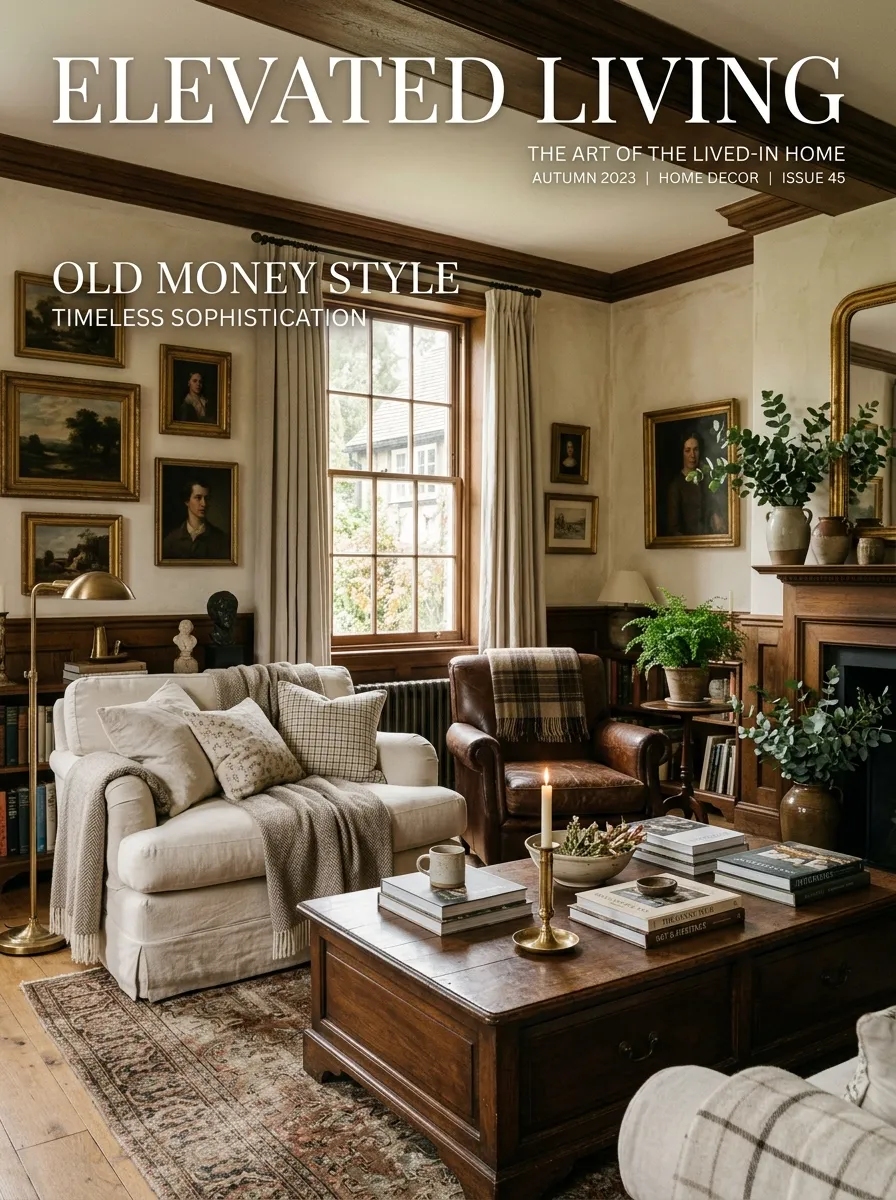
16 Old Money Decor Ideas That Still Feel Warm and Livable
Quick answer: Old money decor blends neutral palettes, natural materials, and heirloom-inspired pieces to create a timeless, collected look. You can achieve this style without a formal feel by layering warm textures, mixing vintage and modern furniture, and prioritizing comfort alongside classic details like brass hardware, linen fabrics, and curated bookshelves.
Old money decor has become one of the most searched home decor ideas of the past year, and it’s easy to see why. The style draws from generations of quiet, understated wealth, favoring craftsmanship and heritage over trends that fade within a season. But there’s a common misconception that this look only works in grand, museum-like homes with high ceilings and velvet rope aesthetics.
That’s simply not true.
The real secret to old money decor is warmth. It’s about creating a home that feels lived-in, personal, and inviting, while still nodding to timeless design principles. Below are 16 practical old money decor ideas you can use to bring this refined, cozy style into your own space, no formal dining room required.
Recommended Items for Your Home Decor
1. Start With a Layered Neutral Palette

Old money interiors rarely rely on stark white or bold, trend-driven colors. Instead, they build a palette from warm neutrals like cream, taupe, camel, and soft greens. Layer two or three shades within the same family so the room feels cohesive rather than sterile.
2. Mix in Vintage or Antique Furniture

You don’t need a full estate sale haul to nail this look. One or two vintage pieces, a carved side table, an antique mirror, or a weathered trunk, add instant character and history to a room without overwhelming it.
3. Lean Into Rich Wood Tones

Wood furniture with deep, warm tones is a cornerstone of old money decor. Walnut, mahogany, and cherry finishes bring a sense of permanence that lighter, mass-produced furniture often lacks.
4. Use Classic Patterns Sparingly

Stripes, plaid, and houndstooth are old money staples, but restraint is key. Introduce these patterns through pillows, throws, or a single upholstered chair rather than covering every surface.
5. Add Brass or Aged Gold Hardware

Small hardware updates, cabinet pulls, drawer knobs, or light fixtures, can shift a space toward that collected, heritage feel. Aged or unlacquered brass tends to look more authentic than shiny gold-tone finishes.
6. Invest in Heirloom-Inspired Textiles

Linen, wool, and velvet all carry a tactile richness that synthetic fabrics can’t replicate. These textiles age beautifully, developing a natural patina that only adds to their charm over time.
7. Build a Gallery Wall With Framed Art

Skip generic canvas prints. A gallery wall filled with framed botanical prints, family portraits, or landscape paintings adds depth and personality, echoing the curated collections found in generational homes.
8. Style Built-In Bookshelves With Real Books

Nothing says old money quite like a well-loved book collection. Mix hardcovers with a few decorative objects, but keep the shelves looking used rather than staged.
9. Incorporate Natural Materials

Stone, rattan, and wicker bring texture and warmth that plastic or heavily lacquered materials simply can’t match. These materials also tend to age gracefully, another hallmark of the old money aesthetic.
10. Layer Soft, Warm Lighting

Avoid relying on a single overhead light. Instead, layer table lamps, floor lamps, and candles to create a warm, golden glow that feels intimate rather than clinical.
11. Prioritize Quality Over Quantity

Old money style favors fewer, better pieces over a room packed with furniture. A well-made leather armchair or a solid wood dining table will outlast, and outshine, a dozen trend-driven purchases.
12. Add Personal or Monogrammed Touches

Monogrammed towels, napkins, or throw pillows add a subtle personal touch that feels inherited rather than purchased. This detail works especially well in guest bathrooms or dining spaces.
13. Introduce Chintz or Floral Accents

Floral chintz fabric, once considered fussy, is having a resurgence within the old money aesthetic. Use it on a single accent chair or a set of curtains to avoid an overly formal feel.
14. Choose Traditional Window Treatments

Floor-length linen curtains or plantation shutters instantly elevate a room. These treatments feel more considered than basic blinds and help frame natural light beautifully.
15. Display Curated Collections

Whether it’s antique china, vintage cameras, or ceramic vases, a small curated collection displayed on a mantel or console table adds storytelling to a space without cluttering it.
16. Bring in Greenery and Fresh Flowers

Fresh flowers in a classic glass or ceramic vase instantly soften a room. Even simple greenery, like eucalyptus or olive branches, adds life and movement to an otherwise still space.
Frequently Asked Questions
Is old money decor expensive to achieve?
Not necessarily. While the style is often associated with high-end furniture, you can recreate the look with secondhand finds, thrifted antiques, and a few well-chosen quality pieces rather than a full room overhaul.
How is old money decor different from traditional or classic decor?
Old money decor overlaps with traditional style but leans more heavily on understatement, natural materials, and a lived-in, collected feel rather than symmetry and polish.
Can old money decor work in a small apartment?
Yes. Focus on a neutral palette, one or two quality furniture pieces, and warm lighting. The style is more about material choices and restraint than square footage.
What colors are considered old money decor colors?
Warm neutrals like cream, taupe, camel, sage green, and soft navy are commonly associated with old money interiors. These tones create a calm, cohesive backdrop for furniture and textiles.
Does old money decor have to feel formal or stiff?
No. The idea’s in the details, layered textures, soft lighting, and personal touches, that keep the style feeling warm and approachable rather than showroom-perfect.
Bringing It All Together
Old money decor isn’t about recreating a museum exhibit in your living room. It’s about choosing pieces that feel intentional, textures that age well, and details that tell a story over time. Start small: swap out a set of cabinet hardware, layer in a wool throw, or style your bookshelves with a few well-loved titles. These small shifts add up, creating a home that feels both timeless and genuinely comfortable to live in.


