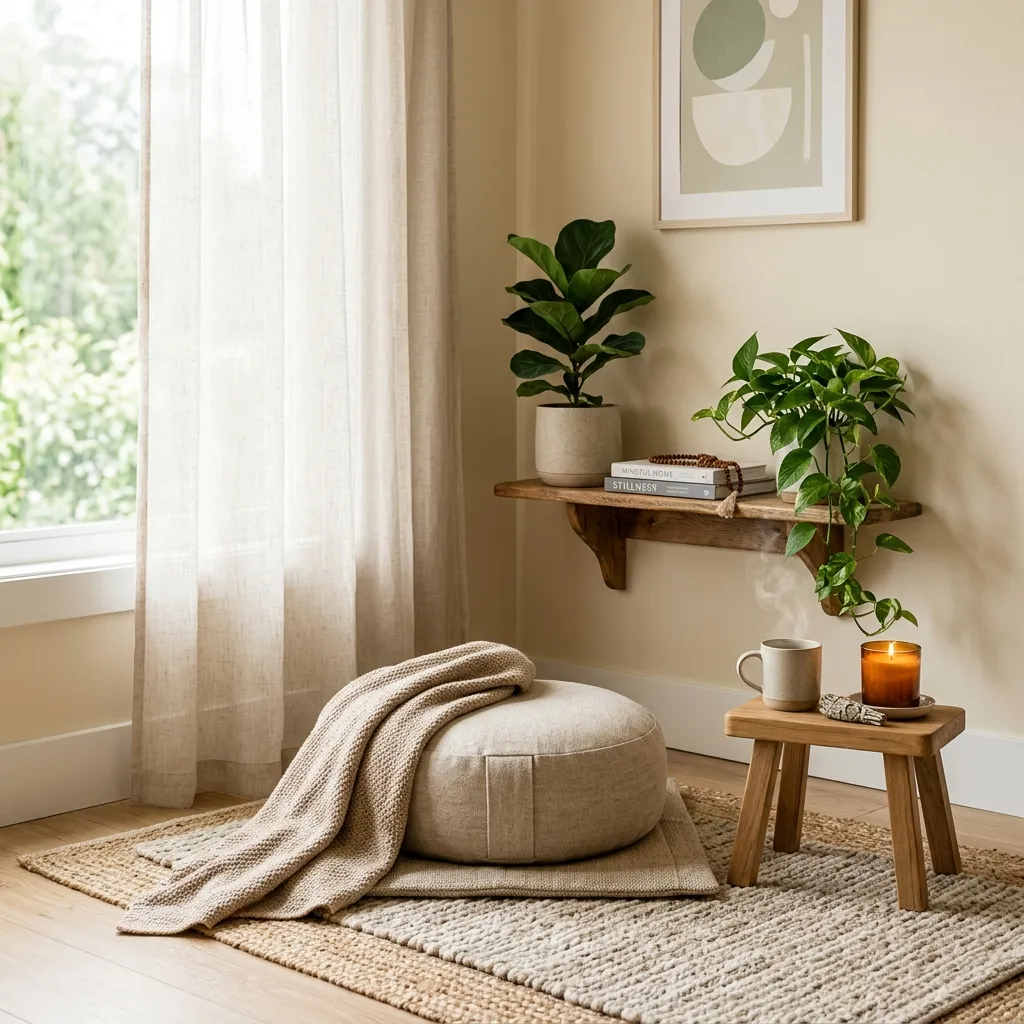
How to Turn Any Tiny Corner Into a Relaxing Meditation Retreat at Home
We all know the feeling of walking through the front door after a long, exhausting day, only to realize your house feels just as chaotic as the outside world. Finding a quiet place to breathe deeply and reset often feels impossible, especially if you live in a smaller apartment or share a bustling household. However, you absolutely do not need an entire spare room to create a peaceful sanctuary.
Recommended Items for Your Home Decor
In fact, transforming a neglected nook into a calming oasis is entirely possible with a little creativity and intention. Even the smallest sliver of space can become a grounding escape where you can practice mindfulness, sip tea, or simply sit in silence. Throughout this guide, we will explore exactly how you can maximize a tiny footprint to build your very own zen zone. From clever layout tricks to calming color palettes, you will learn everything necessary to craft a functional, beautiful, and deeply relaxing meditation retreat right at home.
Finding the Perfect Spot for Your Retreat

Before buying any cushions or candles, you must first identify the right location for your sanctuary. Choosing the right spot dictates the energy of your entire practice.
Look for Unused Nooks

First, walk through your home and identify the dead zones. Often, the space at the end of a hallway, an empty closet, or the awkward corner behind your living room sofa holds immense potential. Even a two-by-two-foot square works perfectly if you intentionally separate it from high-traffic paths. Therefore, prioritize low-traffic areas where you are less likely to be disturbed by roommates or family members passing through.
Consider Natural Light and Airflow
Next, evaluate the environmental factors of your chosen spot. Ideally, you want a space near a window that receives gentle morning sunlight. Natural light naturally boosts your mood and helps regulate your circadian rhythm. Furthermore, being near a window allows for fresh air circulation. A gentle breeze flowing through your space prevents the area from feeling stuffy, consequently making your breathing exercises feel much more refreshing.
Establish Visual Boundaries
If you live in a studio apartment, creating separation might seem challenging. However, you can easily establish a visual boundary using folding screens, tall indoor plants, or even a strategically placed curtain. By physically separating your meditation corner from your workspace or sleeping area, you signal to your brain that this specific spot is strictly reserved for relaxation.
Creating a Grounding Foundation

Once you secure your location, you need to build the foundation of your space. Since meditation keeps you close to the ground, your flooring choices matter immensely.
Choose the Right Flooring or Rugs
Hardwood or tile floors can feel incredibly cold and unwelcoming during an early morning session. Consequently, adding a soft, textured layer is crucial. Consider layering a thick, faux fur rug over a larger jute mat to create immediate warmth and definition. The contrast in textures adds visual interest while providing a soft landing pad for your knees and ankles.
Essential Seating Options
Your comfort directly impacts your ability to focus. Therefore, investing in proper seating is the most important step in this process. A traditional zafu (round meditation cushion) and zabuton (flat base cushion) provide excellent ergonomic support for crossed-legged sitting. Alternatively, if sitting on the floor causes joint pain, a low meditation bench or even a comfortable armchair works beautifully. The goal is to keep your spine straight and your body entirely relaxed.
Keep the Foundation Clutter-Free
Physical clutter inevitably leads to mental clutter. Thus, you must keep the base of your meditation corner completely clear of daily debris. Do not let this space become a dumping ground for mail, laundry, or discarded shoes. Keeping the floor space pristine ensures you can sit down and immediately drop into your practice without feeling the urge to tidy up first.
Setting the Mood with Lighting

Lighting completely transforms the atmosphere of any small space. Bright, overhead bulbs often feel clinical and harsh, which actively works against your relaxation goals.
Harnessing Natural Sunlight
During the day, rely on the sun as much as possible. If your corner sits near a window, consider installing sheer curtains. These lightweight fabrics diffuse the harsh direct rays, casting a soft, ethereal glow across your space. Additionally, placing a small prism or suncatcher in the window scatters beautiful rainbows across your walls, adding a magical touch to your morning routine.
Soft Ambient Glows for Evenings
For evening meditation, you must shift to warm, low-level lighting. Himalayan salt lamps are incredibly popular because they emit a rich, amber glow that mimics a sunset. Alternatively, stringing warm white fairy lights around the perimeter of your space provides just enough illumination to see, without overstimulating your nervous system.
The Magic of Candlelight
Never underestimate the hypnotic power of a flickering flame. Watching a candle burn serves as an excellent focal point for open-eye meditation. Whether you choose real beeswax candles or safe, battery-operated LED pillars, placing a few warm lights at eye level instantly elevates the room. Just remember to practice basic fire safety if you choose real flames, especially in tight corners.
Engaging the Senses
A truly immersive retreat appeals to more than just your eyes. By engaging your sense of smell and hearing, you easily trick your brain into leaving the stress of the day behind.
Aromatherapy Essentials
Scent is strongly tied to memory and emotion. Therefore, incorporating aromatherapy helps you transition into a relaxed state much faster. An essential oil diffuser works wonderfully in small spaces, allowing you to switch between invigorating eucalyptus in the morning and soothing lavender at night. If you prefer traditional methods, burning incense or lighting a smudging bundle of palo santo clears stagnant energy and introduces a rich, earthy aroma.
Soundscapes and Silence
Depending on your living situation, true silence might be completely unattainable. Consequently, controlling your auditory environment becomes essential. A small tabletop fountain masks traffic noise with the soothing sound of trickling water. Alternatively, keeping a small Bluetooth speaker nearby allows you to play ambient soundscapes, singing bowls, or guided meditations.
Tactile Comforts
Include items that feel good against your skin. A chunky knit blanket draped over your meditation chair or a set of smooth worry stones offers tactile comfort. When you feel anxious, simply running your fingers over a soft texture or a smooth surface helps ground your energy and brings your awareness back to the present moment.
Incorporating Nature and Color

Bringing elements of the outdoors inside significantly reduces stress and fatigue. Furthermore, your color palette sets the baseline psychological tone of the corner.
The Power of Houseplants
Plants breathe life into stagnant corners. Incorporating greenery purifies the air and adds a vibrant pop of organic energy. Low-maintenance varieties like Snake Plants, Pothos, or ZZ plants thrive even if your corner lacks bright, direct sunlight. Placing a trailing plant on a high shelf draws the eye upward, making a cramped space feel surprisingly tall and airy.
Calming Color Palettes

When selecting textiles and wall colors for this specific zone, stick to a soothing palette inspired by nature. Earthy terracottas, warm oatmeals, and soft blues naturally lower blood pressure. For inspiration on incorporating tranquil shades, you might want to look at some Sage Green Living Room Ideas. This muted, botanical tone works perfectly for a meditation space because it bridges the gap between cozy and refreshing.
Natural Materials Over Plastics
Whenever possible, choose decor made from natural materials. Swap plastic storage bins for woven seagrass baskets. Choose wooden altars or bamboo trays instead of acrylic alternatives. These organic materials carry a grounding weight to them, further enhancing the earthy, retreat-like vibe you want to achieve.
Styling and Decor Tricks
Decorating your space should feel deeply personal, yet deliberately restrained. You want to surround yourself with meaning without overwhelming your senses.
Keeping It Minimalist
The guiding principle here is intentionality. Every single item in your meditation corner must serve a distinct purpose, whether functional or emotional. Avoid the temptation to over-decorate. Leave plenty of negative space on your walls and surfaces. This visual breathing room translates directly into mental breathing room during your practice.
Adding Personal Zen Touches

While minimalism is key, your space should still reflect your unique journey. Create a small focal point, often called an altar, using a low stool or a floating shelf. Here, you can place a few meaningful items: a framed photo of a peaceful landscape, a favorite crystal, or a meaningful quote. If you love creating plush, layered spaces, you can easily adapt principles from Luxurious Bedroom Decor Ideas by using high-quality linen cushions and elegant brass incense holders to make your tiny corner feel incredibly premium.
Utilizing Vertical Space
When floor space is severely limited, look up. Install floating shelves to hold your singing bowls, candles, and plants. Hanging a beautiful macrame wall hanging or a simple, textured tapestry adds warmth without taking up a single inch of the floor. This strategy draws the eye upward and makes your tiny retreat feel grander than its actual square footage.
Mini Step-by-Step Guide: Setting Up Your Corner in 15 Minutes

You do not need an entire weekend to build your sanctuary. Follow this quick guide to establish your space today.
- Clear the Area: Completely empty your chosen corner. Sweep or vacuum the floor to remove dust and stagnant energy.
- Lay the Base: Roll out a small, soft rug to define the perimeter of your new zone.
- Place Your Seat: Position your meditation cushion, bench, or chair directly in the center of the rug, facing outwards or towards a window.
- Add a Focal Point: Place a small plant or a single candle directly in your line of sight to give your eyes a place to rest.
- Set the Scent: Turn on your oil diffuser or light a stick of your favorite incense.
- Sit and Breathe: Immediately sit down in your new space for three minutes to officially claim it as your relaxation zone.
Common Mistakes to Avoid

Even with the best intentions, certain design choices can accidentally sabotage the peaceful energy of your new retreat.
Using Bright, Cool-Toned Lights
Harsh blue light mimics the midday sun and signals your brain to stay alert. Therefore, using cool-toned LED bulbs in your meditation space makes it incredibly difficult to wind down. Always opt for warm white or amber bulbs.
Placing the Corner Near Distractions
Setting up your cushion directly next to your television, your chaotic work desk, or a pile of unpaid bills is a major misstep. Even if your eyes are closed, knowing those stressors are sitting three feet away pulls you out of your meditative state. Face away from visual stressors whenever possible.
Forcing a Rigid Aesthetic
Many people think a meditation corner must look like a traditional Zen monastery. If you do not connect with Buddha statues or singing bowls, do not include them. Your retreat must reflect what actually relaxes you, even if that means decorating with vintage books and a cozy pink beanbag chair.
Neglecting Comfort for Style
A visually stunning cushion is useless if it makes your legs fall asleep after five minutes. Always prioritize ergonomic support over aesthetics. If your physical body is in pain, your mind will never achieve a state of deep relaxation.
Budget-Friendly Ideas

Creating a gorgeous home retreat does not require spending hundreds of dollars at a specialty wellness boutique. You likely already own most of what you need.
Start by shopping your own home. Grab a few thick pillows from your sofa to use as a makeshift meditation seat. Borrow a cozy throw blanket from your guest room to create a soft base layer. Repurpose a stack of sturdy, vintage books to act as a low altar for your candle or cup of tea. If you want to brighten up the space for the warmer months without spending much, check out these Fresh Spring Bedroom Decor Ideas—many of these lightweight, airy styling tricks can be applied directly to your meditation corner for free by just swapping out pillow covers.
For lighting, utilize empty glass jars as affordable hurricane lanterns for cheap tea lights. Furthermore, instead of buying expensive large house plants, ask a friend for a clipping of their Pothos plant; they root easily in a simple glass of water and look beautiful sitting on a windowsill. Ultimately, peace of mind is free, and your space should reflect simplicity rather than financial stress.
Conclusion
Creating a dedicated meditation retreat at home is one of the kindest things you can do for your mental well-being. By intentionally carving out just a few square feet of space, you give yourself a physical reminder to slow down, breathe, and disconnect from the daily grind. Remember, the effectiveness of your sanctuary does not depend on its size or how much money you spent putting it together.
Instead, it relies entirely on the intention you bring to it. Whether it is a tiny sliver of space beside your bed or a sunny nook in your living room, the right textures, soft lighting, and personal touches will make it feel like an absolute escape. We encourage you to look around your home today, find that unused corner, and take fifteen minutes to claim it for yourself. Your mind, body, and spirit will undoubtedly thank you for it.


