18 Ways to Layer Textures Like a Designer (For a High-End Look)
You walk into a room, and something feels missing. The furniture is nice, the colors match, and the layout works, but the space still feels flat and uninviting. We have all been there. Often, the secret ingredient missing from the room is not a specific color or a fancy piece of furniture. It is texture.
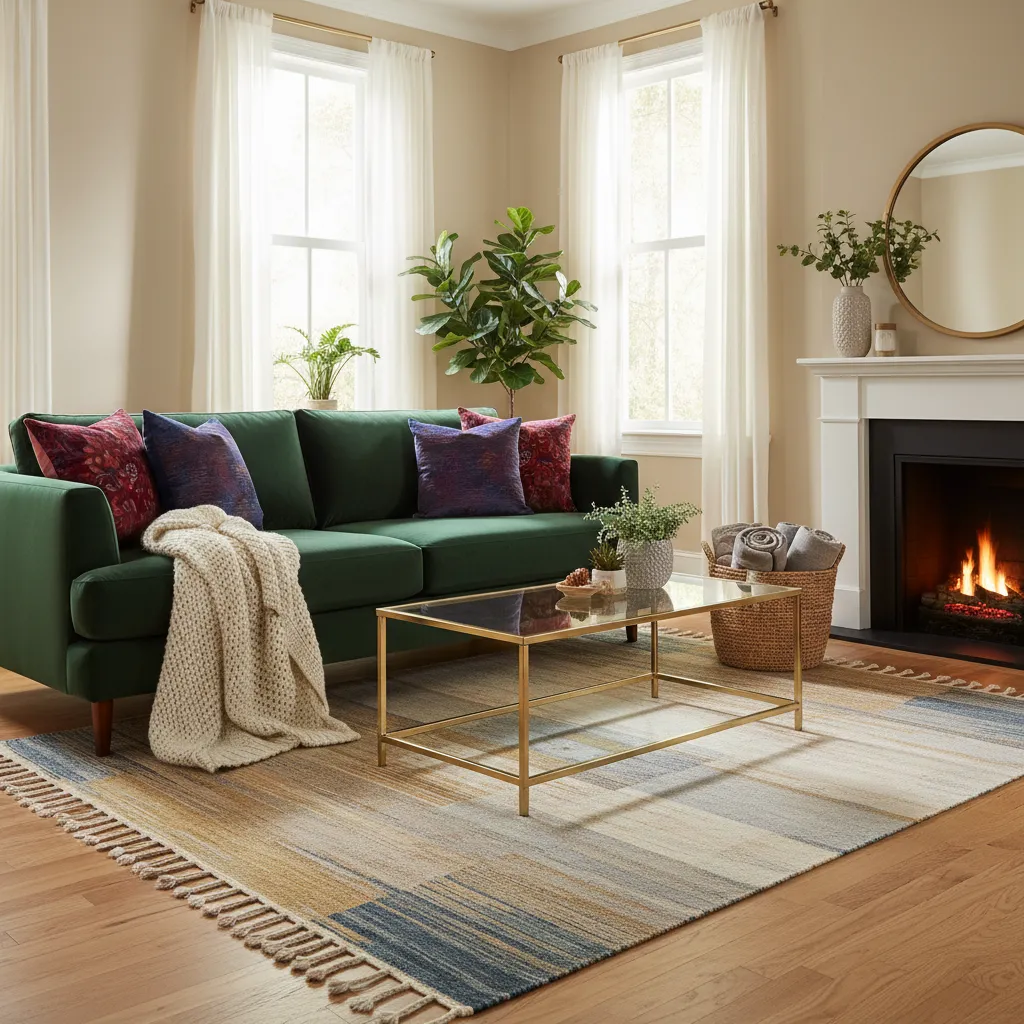
Texture is the secret weapon interior designers use to make a space feel warm, expensive, and complete. It gives your eyes something to bounce around and makes you want to reach out and touch your surroundings. When you layer different materials—like pairing smooth glass with rough wood or soft velvet with cool metal—you create a rich, custom look that feels effortlessly high-end.
Recommended Items for Your Home Decor
Whether you are decorating a brand-new house or sprucing up a rented apartment, adding texture is one of the most effective ways to upgrade your space. Let us explore 18 easy, designer-approved ways to layer textures, plus common mistakes to avoid and budget-friendly tricks to get the look for less.
18 Designer-Approved Ways to Layer Textures
1. Mix Rough and Smooth Surfaces

Contrast is the foundation of good texture layering. If everything in your room is smooth, the space feels cold. If everything is rough, it feels heavy. Try pairing a sleek glass coffee table with a chunky, distressed wood side table. The smooth glass highlights the rough grain of the wood, making both pieces stand out beautifully.
2. Add Woven Baskets for Storage

Woven materials like rattan, seagrass, and jute instantly add a cozy, natural element to any room. Instead of using plastic bins, toss your extra blankets or magazines into a large woven basket. The braided texture breaks up the straight lines of your furniture and adds a relaxed, earthy vibe.
3. Layer Your Rugs

You do not have to settle for just one rug. Layering rugs is a classic designer trick that adds depth and comfort to the floor. Start with a large, flat-weave rug (like a natural jute or sisal) as your base. Then, place a smaller, softer rug (like a vintage Persian or a faux sheepskin) on top. This defines your seating area while doubling the texture.
4. Combine Different Fabrics on Your Sofa

Do not buy a matching set of throw pillows. Instead, mix different fabrics to create a rich, inviting sofa arrangement. Pair a smooth leather pillow with a soft velvet one, and add a nubby bouclé or chunky knit throw blanket. This variety makes your couch look like a custom, curated collection rather than a basic furniture showroom.
5. Incorporate Natural Stone

Stone elements bring a cool, grounded texture to your home. You do not need a massive marble fireplace to get this look. Small touches work perfectly. Add a marble tray to your coffee table, display a raw travertine bookend, or use slate coasters. These hard, organic surfaces provide excellent contrast against soft upholstered furniture.
6. Hang Textured Wall Art

Walls need texture, too. Flat paint and standard framed prints can only do so much. Consider hanging woven wall hangings, textured canvas paintings with thick acrylic strokes, or even a framed piece of vintage fabric. If you want to go bigger, explore Living Room Wall Transformations that use wood paneling or textured wallpaper.
7. Bring in Live Plants

Houseplants do more than just clean the air. They introduce organic shapes and textures that you cannot replicate with manufactured goods. A waxy monstera leaf, a delicate fern, or a spiky snake plant breaks up the rigid lines of a room. Pair them with textured ceramic or terracotta pots for an extra layer of visual interest.
8. Use Window Treatments to Soften Edges

Hard blinds or bare windows can make a room feel unfinished. Adding fabric window treatments softens the entire space. Hang floor-to-ceiling linen curtains to add a breezy, light texture. If you want something richer, try heavy velvet drapes. They add a luxurious, hotel-like feel while framing your windows beautifully.
9. Mix Metals Thoughtfully

Gone are the days when all your hardware had to match perfectly. Mixing metals adds a sophisticated, layered look. Try pairing matte black cabinet hardware with an antique brass light fixture. The key is to pick one dominant metal and use one or two accent metals. This creates a collected, intentional aesthetic.
10. Drape a Chunky Knit Blanket

Nothing says cozy quite like a chunky knit blanket. The oversized yarn creates deep shadows and highlights, making it a highly visual texture. Drape one casually over the arm of a reading chair or across the foot of your bed. It instantly softens the room and invites you to sit down and relax.
11. Add Faux Fur or Sheepskin Touches

Faux fur adds a glamorous, incredibly soft texture to any space. It works exceptionally well in modern or minimalist rooms that need a touch of warmth. Toss a small sheepskin throw over a hard dining chair or place a faux fur pillow on a sleek leather armchair to soften the look.
12. Install Wood Accents

Wood brings warmth and a grounding energy to a room. Look for pieces that show off their natural grain. A raw-edge dining table, carved wooden bowls, or floating timber shelves add necessary roughness. You can even use reclaimed wood on the walls or ceiling to dramatically shift the room’s atmosphere.
13. Upgrade Your Bedding Layers

A high-end bed looks plush and inviting. Achieve this by layering different bedding materials. Start with crisp cotton or smooth silk sheets. Add a waffle-knit blanket, top it with a heavy linen duvet, and finish with a quilted velvet throw at the foot of the bed. This creates a cloud-like, luxurious sleeping space.
14. Embrace Ribbed and Fluted Details

Fluted and ribbed textures are incredibly popular in high-end design right now. You can find these repeating vertical lines on glass vases, wooden bathroom vanities, and even ceramic lamps. This texture catches the light beautifully and adds a subtle architectural element to your decor without overwhelming the space.
15. Mix Matte and Glossy Finishes

Texture is not just about how things feel; it is also about how they catch the light. Mixing matte and glossy finishes creates a dynamic visual experience. Place a shiny ceramic vase on a matte wood table. Or, use a high-gloss tile backsplash next to matte-finish cabinets to make your kitchen feel custom-designed.
16. Use Textured Tiles in Unexpected Places

Tiles with a tactile finish can transform a basic space into something special. Consider using a raised geometric tile or a handmade zellige tile with natural imperfections. These are perfect for kitchen backsplashes or bathroom walls. For more inspiration on upgrading smaller spaces, check out these Bathroom Wall Decor Ideas.
17. Decorate with Books

Books are fantastic tools for layering texture. The paper pages, the smooth covers, and the slightly worn spines add a lived-in, intellectual charm to a room. Stack a few large coffee table books under a decorative bowl, or fill a bookshelf to create a dense, colorful texture block against a bare wall.
18. Play with Lighting Textures

Lighting casts shadows that highlight all the other textures in your room. However, the light fixtures themselves should also add texture. Swap out plain glass domes for a pleated fabric shade, a woven rattan pendant, or a hammered metal chandelier. The material of the fixture adds character even when the light is turned off.
Common Mistakes to Avoid
Layering textures is fun, but it is easy to go overboard. Keep these common mistakes in mind to ensure your space stays looking high-end and intentional:
- Using Too Much of One Material: If everything in your room is velvet, the room will feel heavy and overwhelming. Balance is key. Always pair soft with hard, and shiny with matte.
- Ignoring the Color Palette: When layering lots of different textures, keep your color palette relatively tight. Mixing too many bold colors along with too many wild textures can make the room look chaotic and cluttered.
- Forgetting the Walls and Ceiling: People often focus all their texture efforts on furniture and rugs. Do not forget that walls and ceilings are huge canvases. Paint finishes, wallpaper, and lighting play a massive role in the room’s overall feel.
- Clutter Disguised as Texture: Adding texture does not mean adding clutter. A dozen tiny knick-knacks do not create good texture; they just create a mess. Focus on a few larger, high-impact textured pieces instead of many small ones.
Budget-Friendly Ideas
You do not need a massive budget to make your home look like a designer showroom. Here are a few cheap and clever ways to add beautiful textures to your space:
- Forage for Nature: The cheapest textures come from the great outdoors. Grab a pair of shears and cut some interesting branches, dried grass, or pinecones from your yard. Display them in a simple glass vase for instant, free texture.
- Thrift for Vintage Fabrics: Thrift stores and estate sales are goldmines for textured textiles. Look for vintage wool blankets, handmade quilts, or unique embroidered pillows. These items add a sense of history and depth that brand-new items often lack.
- Paint with Texture: You can easily add texture to basic items with paint. Mix a little baking soda into standard acrylic paint and brush it onto a cheap glass or plastic vase. When it dries, it looks just like expensive, rough-hewn pottery.
- DIY Wall Art: Stretch a piece of affordable, highly textured fabric (like burlap or an interesting woven remnant) over a blank canvas and staple it to the back. You instantly have large-scale textured art for a fraction of the cost.
Conclusion
Layering textures is the true secret to making any room feel professionally designed. It is the bridge between a space that just looks okay and a space that feels incredibly warm, inviting, and expensive. By simply mixing rough woods with smooth glass, pairing shiny metals with soft velvets, and bringing in natural elements like stone and plants, you instantly elevate your home.
The best part about layering textures is that you do not have to do it all at once. Start small. Toss a chunky knit blanket over your sofa, swap out a smooth pillow for a woven one, or add a rattan basket to the corner of your room. Take a look around your home today and identify one flat surface that could use a little extra dimension. Play around with these ideas, trust your senses, and watch your space transform into a beautiful, high-end retreat.


