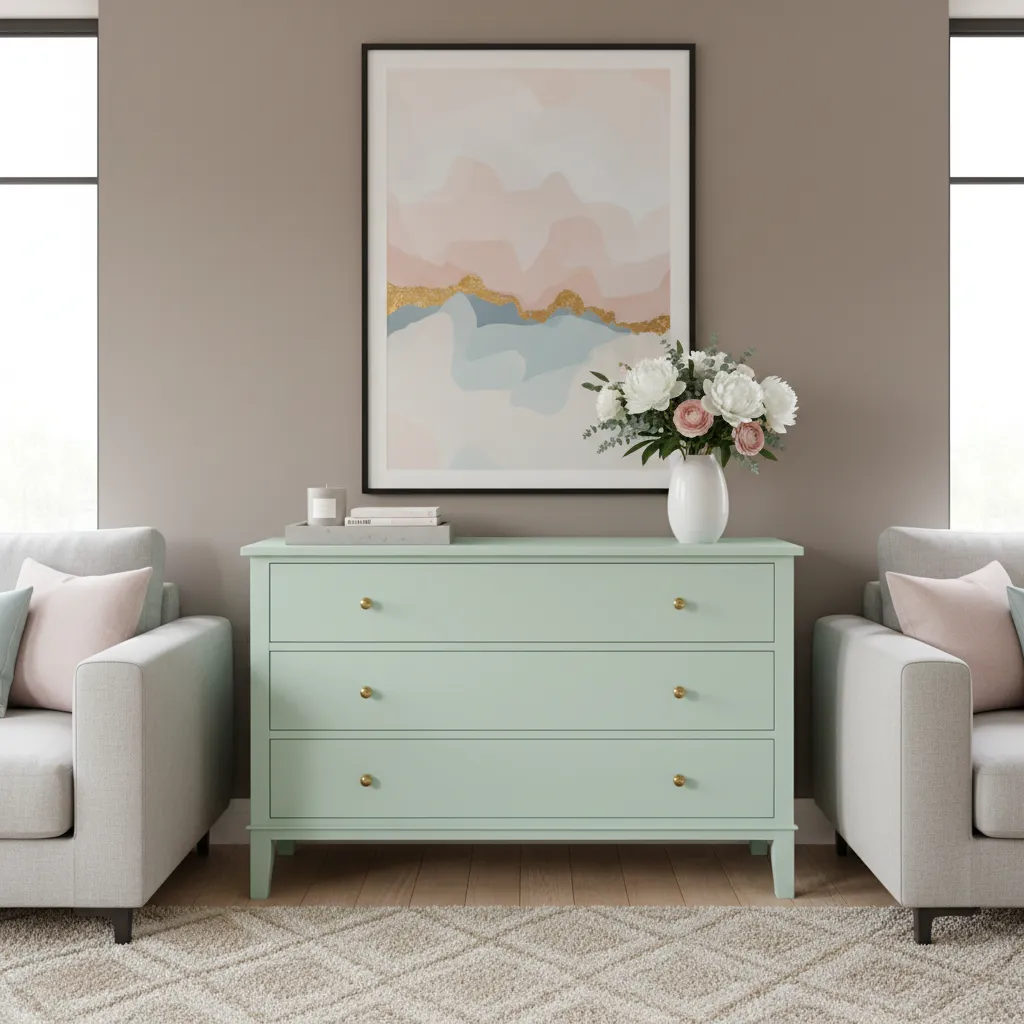
How to Paint Furniture Without Brush Marks (Pro Tips)
You finally found the perfect thrift store dresser. It has great bones, fits your space exactly, and just needs a fresh coat of color to match your style. You spend your Saturday afternoon painting it, feeling incredibly proud of your DIY efforts. But when it dries, your excitement drops. Instead of a sleek, factory-smooth finish, the surface is covered in deep, unsightly streaks.
We have all been there. Painting furniture is an affordable way to upgrade your home, but achieving a flawless, professional look can feel frustratingly difficult. If you want your pieces to look high-end rather than homemade, learning how to paint furniture without brush marks is a crucial skill.
Recommended Items for Your Home Decor
You do not need to buy an expensive professional paint sprayer to get beautiful results. With the right tools, a bit of patience, and a few insider techniques, you can achieve a buttery-smooth finish using a simple brush and roller. Let’s break down exactly what you need to know to transform your furniture like a true expert.
Pro Tips for a Smooth Finish
Achieving a flawless surface starts long before you open your paint can. The secret to a beautiful finish lies in your preparation, your tools, and your understanding of how paint behaves. Professional furniture flippers know that investing time in the early stages saves hours of frustration later.
If you want your piece to look like it came straight from a luxury boutique, you need to understand a few Hidden Design Secrets Professional Stylists Swear By.
Choose the Right Paint and Additives

Not all paints are created equal when it comes to leveling. Leveling refers to the paint’s ability to settle into a smooth surface before it dries. Chalk paint, while popular for distressed looks, is notoriously thick and holds onto brush strokes. If you want a smooth finish, opt for an enamel or a high-quality acrylic-alkyd blend.
To give your paint even more leveling power, try adding a paint conditioner like Floetrol for water-based paints. A conditioner slows down the drying time just enough to let the paint lay perfectly flat before it sets.
Invest in High-Quality Brushes
Your tools dictate your results. Using a cheap, stiff brush guarantees a streaky finish. Invest in a high-quality synthetic brush with soft, angled bristles. These brushes hold paint better and release it smoothly. Look for brushes specifically designed for trim and cabinets, as they usually have finer bristles that leave fewer marks.
Embrace the Foam Roller
While the article focuses on avoiding brush marks, the best way to do that on large, flat surfaces is to minimize brush use entirely. High-density foam rollers or microfiber rollers are incredible for laying down a smooth, even coat. You can use your high-quality brush to cut into corners and details, then immediately follow up with a foam roller over the flat areas to erase any lines.
Maintain a Wet Edge
Paint dries quickly, especially in dry or warm environments. If you brush over paint that has already started to tack up, you will create dragging marks. Always work in long, continuous strokes, and maintain a “wet edge” by overlapping your new stroke slightly onto the wet paint of your previous stroke.
Step-by-Step Guide to Painting Furniture Without Brush Marks
To get that ultra-smooth finish, you need a reliable process. Follow this step-by-step guide to painting furniture without brush marks to ensure your next DIY project looks entirely professional. Once your piece is finished, it will serve as the perfect backdrop for other creative home projects, much like how Vibrant DIY Wall Murals completely transform a room.
Step 1: Clean and Degrease
Furniture collects oils, dusting sprays, and grime over the years. If you paint over this residue, your paint will not adhere properly and will separate, ruining your smooth finish. Wash your piece thoroughly with a degreaser like TSP (Trisodium Phosphate) or a mixture of warm water and dish soap. Wipe it down with clean water and let it dry completely.
Step 2: Sand Thoroughly

You cannot achieve a smooth finish on a rough surface. Use 120-grit sandpaper to scuff the entire piece. You do not need to strip it down to raw wood; you just need to remove the glossy topcoat to give the primer something to grip. Once sanded, wipe away all dust with a tack cloth.
Step 3: Apply a High-Quality Primer

Primer is non-negotiable for a flawless finish. It blocks stains, prevents wood tannins from bleeding through, and creates a smooth base for your paint. Use a shellac-based or high-adhesion bonding primer. Apply it using your brush for corners and a foam roller for flat surfaces. Let it dry completely according to the manufacturer’s instructions.
Step 4: Sand the Primer
This is a step many beginners skip, but it is vital. Lightly sand your dried primer with 220-grit sandpaper. This knocks down any bumps or fuzz and creates a completely flat surface for your first coat of paint. Wipe the dust away with a tack cloth again.
Step 5: Apply Thin Coats of Paint
Now for the exciting part. Dip your brush or roller lightly into the paint. The biggest secret to avoiding brush marks is applying very thin coats. Thick paint drags and leaves ridges. Brush smoothly in the direction of the wood grain. Do not panic if the first coat looks patchy; this is normal.
Step 6: Sand Between Coats
Once the first coat is dry, take a very fine sanding sponge (300 to 400 grit) and gently buff the surface. This removes any tiny dust particles or faint brush lines that may have formed. Wipe it clean. Apply your second thin coat. Two to three thin coats will always look better than one thick coat.
Step 7: Seal for Protection

If you used a paint that requires a topcoat, apply a water-based polyurethane using a clean foam sponge or a dedicated topcoat brush. This seals your smooth finish and protects it from daily wear and tear.
Essential Furniture Painting Prep Checklist

Before you crack open that paint can, make sure you have everything ready. Use this quick checklist:
- Degreaser (TSP or similar) and clean rags
- Sandpaper (120-grit for prep, 220-grit for primer, 400-grit for between coats)
- Tack cloths to remove fine dust
- Bonding primer suitable for your surface
- High-quality synthetic angled brush
- High-density foam rollers and roller tray
- Paint conditioner (optional but highly recommended)
- Water-based topcoat (if your paint requires one)
Common Mistakes to Avoid

Even with the best tools, certain habits can ruin your finish. Knowing what not to do is just as important as knowing the right steps. Avoiding these pitfalls will ensure your newly painted piece looks flawless enough to sit next to your most Warm and Inviting Table Decor Ideas.
Overworking the Paint
This is the most common mistake DIYers make. Once you lay the paint down, leave it alone. It is tempting to keep brushing over a spot to make it look perfect, but if the paint has begun to dry, your brush will literally pull it back off, leaving deep ridges. Apply the paint, smooth it out once, and walk away. Trust the leveling process.
Painting in the Wrong Environment
Temperature and humidity play huge roles in how paint dries. If you paint in direct sunlight or on a scorching hot day, your paint will dry the second it hits the wood, giving it zero time to level out. Likewise, painting in a cold, damp garage will cause the paint to pool and drip. Aim to paint in a climate-controlled room or a shaded, mild environment.
Skipping the Prep Work
It is incredibly tempting to grab a brush and start transforming your furniture immediately. However, skipping the cleaning and sanding steps guarantees a poor finish. Paint acts like a magnifying glass; it will highlight every scratch, bump, and speck of dirt left on the surface. Take the time to prep.
Using the Wrong Paint for the Project
Wall paint is designed for drywall, not for furniture. It lacks the durability and leveling properties needed for high-traffic surfaces like dressers or dining tables. Always choose an enamel, an acrylic-alkyd blend, or a high-quality furniture paint. Using the right formula ensures a durable, brush-mark-free surface that will last for years.
Budget-Friendly Ideas
You do not need to spend a fortune to upgrade your home decor. Painting furniture is inherently budget-friendly, but there are ways to maximize your savings while still achieving that high-end, smooth look.
A freshly painted cabinet or side table is the perfect foundation for displaying affordable decor, like Beautiful Floral Decor Ideas for Every Room.
Shop Your Local Thrift Stores

The best canvases for paint projects are found at thrift stores, garage sales, and online marketplaces. Look for solid wood pieces with good shapes, even if the current finish is damaged or ugly. Older furniture often features better construction than modern, budget flat-pack options.
Mix Your Own Custom Colors
If you have leftover paint from previous projects, do not throw it away. You can mix water-based paints to create unique, custom shades. Just ensure you are mixing paints of the same type and sheen. This is a brilliant way to use up half-empty cans and create a bespoke piece for zero extra cost.
Make Your Own Chalk-Style Paint
If you love the matte look but want to save money, you can create your own chalk-style paint using leftover flat latex paint and Plaster of Paris or calcium carbonate. While chalk paint requires more sanding to get perfectly smooth, it is incredibly cheap to make and sticks to almost anything with minimal priming.
Repurpose Existing Hardware
New knobs and pulls can quickly become the most expensive part of a furniture flip. Instead of buying new hardware, clean and spray paint the existing pieces. A quick coat of matte black or brushed brass spray paint can modernize outdated hardware instantly, leaving you more money to spend on seasonal styling, like Charming Winter Farmhouse Decor Ideas.
Conclusion

Learning how to paint furniture without brush marks completely changes the way you look at old, worn-out pieces. It empowers you to take control of your home decor, allowing you to create custom, high-end looks on a budget.
Remember, the secret lies in the preparation, the quality of your tools, and your patience. By taking the time to clean, sand, and apply thin, even coats, you guarantee a beautiful result. Embrace the power of paint conditioners, trust your foam rollers, and resist the urge to overwork your paint.
Your next DIY project is waiting for you. Grab that thrifted side table you have been eyeing, pick out a gorgeous new color, and put these pro tips to the test. With a little practice, you will be producing factory-smooth finishes that will make your friends and family ask where you bought your stunning new furniture. Happy painting!


